
This is a lesson in civic virtue. Before a crowd of tens of thousands in a vast stadium, a grieving widow stepped to a podium to eulogize her assassinated husband. In a nation raw with political division and primed for a call to vengeance, she offered something far more radical, and far more constitutionally significant: forgiveness.
Erika Kirk’s address at the memorial for her husband, Charlie, was not just a personal expression of faith. It was a rare and powerful moment of grace in our angry and divided nation. It was a profound lesson in the forgotten civic virtues that are essential for the survival of our republic.

“The Answer to Hate is Not Hate”
The most powerful moment of the service came when Erika Kirk, now the new CEO of her husband’s organization Turning Point USA, directly addressed the man accused of his murder.
“I forgive him,” she said, her voice breaking. “I forgive him because it is what Christ did. The answer to hate is not hate.”
She explained that her husband’s mission had been to save young men from lives “consumed with resentment, anger and hate.” In a stunning act of empathy, she added, “He wanted to save young men, just like the one who took his life.” This was not a call for retribution, but a plea for redemption.

A Lesson in Civic Virtue
This is where the story transcends the personal and becomes a profound constitutional lesson. The framers of our republic understood that the written Constitution, with its intricate system of checks and balances, was necessary but not sufficient. A free society, they knew, also depends on an “unwritten constitution” of shared norms and values, the most important of which is civic virtue.
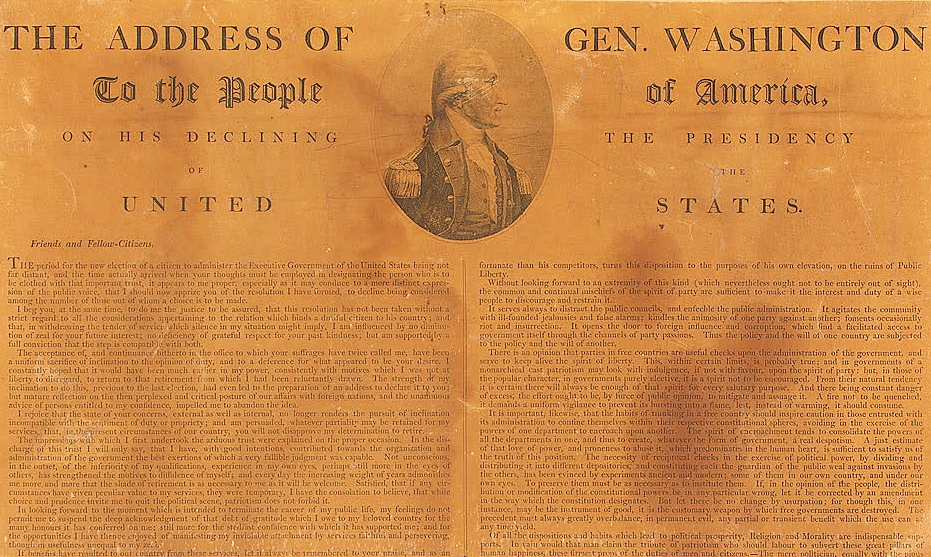
Civic virtue is the difficult and often thankless willingness of citizens to subordinate their own personal passions and self-interest to the long-term health of the republic. Erika Kirk’s speech was a stunning and unexpected demonstration of this forgotten virtue. In a moment where she had every right and every political incentive to demand vengeance, she chose a path designed to break the cycle of hate that is poisoning our nation.
The Constitutional Response to Violence
Her act of public forgiveness is not just a moral statement; it is a profound constitutional act. The assassin’s bullet was an attempt to replace the rule of law and the process of debate with the rule of force. A political response that simply mirrors that rage would, in a way, validate the assassin’s worldview that violence is the only answer.

Erika Kirk’s response, however, is a defense of the constitutional order. By choosing forgiveness over vengeance, she is making a powerful case for the very principles of grace, reason, and human dignity that are the foundation of a free society and the ultimate antithesis of political violence.
In a political era defined by outrage and retribution, her speech was a moment of shocking and profound courage. It was a powerful reminder that the ultimate answer to the forces that seek to tear our nation apart is not a better political strategy, but a recommitment to the difficult and essential work of healing our civic soul.