
Rep. Ogles Introduces Impeachment Articles Against Judge Bates
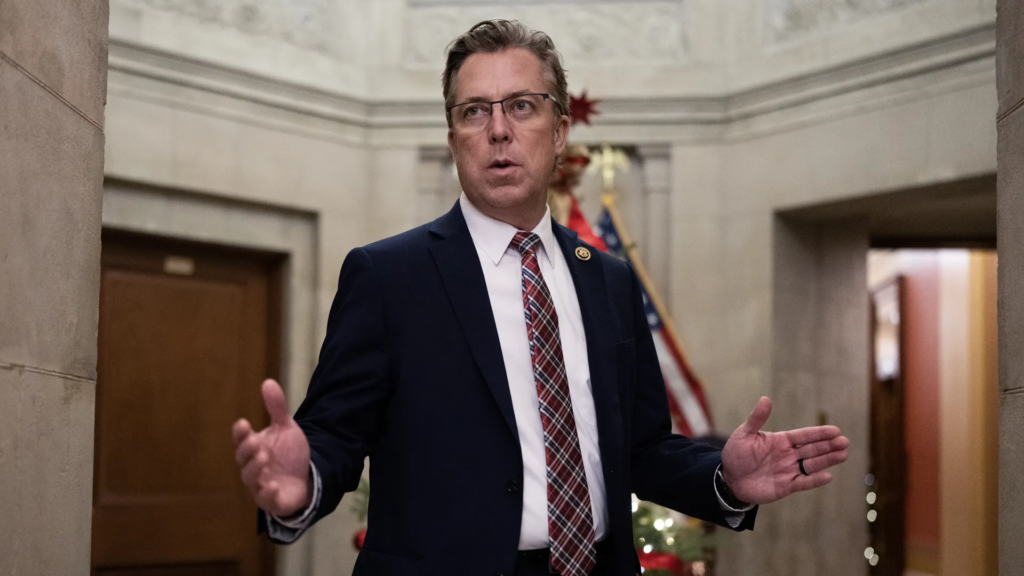
Rep. Andy Ogles has introduced impeachment articles against Judge John Bates, focusing on Bates’ recent ruling. Ogles claims Bates overstepped by ordering the Centers for Disease Control (CDC), Department of Health and Human Services (HHS), and Food and Drug Administration (FDA) to restore online content related to gender-affirming care. This action contradicts President Trump’s Executive Order 14168, which aimed to remove “gender ideology” from government platforms.
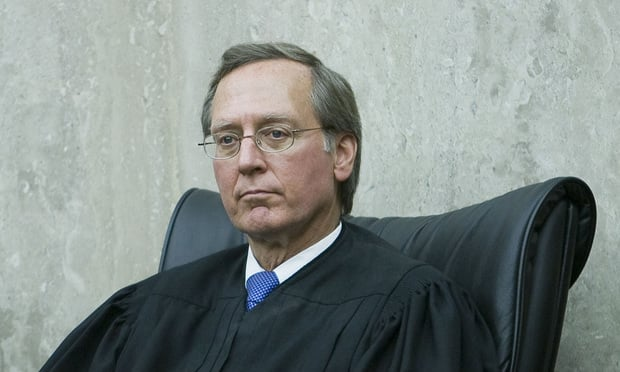
Ogles argues that Judge Bates’ decision demonstrates defiance of executive authority and contributes to what he calls a “grave moral evil.” The Congressman’s resolution accuses Bates of advancing a political agenda rather than adhering to his judicial responsibilities.
On social media, Ogles has criticized Bates for implicating taxpayers in what he terms:
- “Woke LGBTQ propaganda”
- The “destruction” of youth bodies
He portrays Bates as part of a group of judges supposedly violating their oaths for political gains.
Ogles’ impeachment resolution asserts that Bates’s conduct in the gender-affirming care case undermines the nation’s moral fabric. He emphasizes that Congress needs to act decisively to curb such judicial activism.
Judge Bates’ Ruling: Procedural Legality vs. Political Stance
Judge Bates’ ruling, which prompted Rep. Ogles’ impeachment push, mandates the temporary restoration of health-related datasets and webpages previously removed under President Trump’s executive order. Bates based his decision on potential violations of two key laws governing federal agencies:
- The Administrative Procedure Act (APA)
- The Paperwork Reduction Act (PRA)
The APA requires agencies to provide adequate justification for their actions. Bates found that the health agencies may not have given sufficient reasoning before eliminating the online resources. The PRA mandates proper notification and rationale before terminating significant information products often used by health practitioners and researchers.
Bates argued that the removal of these datasets could impede medical professionals who rely on such information for public health decisions. He emphasized the need for transparency and procedural fidelity in agency actions.
"The substantial reliance by medical professionals on the removed webpages" – Judge John Bates
Rep. Ogles views Bates’ order as an overreach that undermines the executive branch’s authority. However, Bates’ decision focuses on procedural legality rather than taking a political stance. The judge maintained that the reinstatement was a precautionary measure to protect both the integrity of informational resources and public access to them.
Implications and Reactions to the Impeachment Effort
Rep. Andy Ogles’ impeachment effort has sparked diverse reactions across the political and legal landscape. Some Republicans support Ogles’ stance, viewing the judge’s ruling as an encroachment on Presidential authority. Others, particularly legal experts, express concerns about the implications for judicial independence.
Historically, impeaching a federal judge requires clear evidence of “high crimes and misdemeanors,” a standard many argue has not been met in this case. The impeachment is unlikely to succeed, given the need for bipartisan support in both the House and Senate.
Critics argue that such impeachment efforts could undermine the checks and balances fundamental to the U.S. government structure. The judiciary’s role in reviewing executive actions is crucial for maintaining the republic’s health.
Elon Musk’s support for the impeachment adds another layer of complexity to the situation. While his endorsement may galvanize some supporters, it also intensifies criticism from those who view such involvement as threatening judicial independence.
Key Questions Raised:
- What implications might this impeachment attempt have for the future of federal policy implementation?
- How can the government maintain a proper balance between executive authority and judicial independence?
These developments raise important questions about the relationship between executive decrees and judicial oversight. As the debate continues, the balance between upholding executive directives and protecting judicial scrutiny remains a central issue in legal and political discussions.

- Ogles A. Articles of Impeachment Against U.S. District Judge John Bates. House Resolution 157. 2025.
- Bates J. Temporary Restraining Order in Doctors for America v. Department of Health and Human Services. U.S. District Court for the District of Columbia. 2025.
- Trump D. Executive Order 14168: Defending Women. The White House. 2025.
- American College of Trial Lawyers. Statement on Attacks Against Federal Judiciary. 2025.