
“Deportation” is the word most Americans use. The legal system mostly uses a different one: removal. That shift in vocabulary matters because it points to something bigger. Removal is not a single event. It is a process, built from notice requirements, hearings, burdens of proof, and appeals that can take months or years.
If you have ever tried to follow a headline about immigration court and felt like you were missing the rulebook, you are not alone. The rulebook is real. It is dense. And it sits in a space where due process applies, but many of the protections people assume exist in “regular court” do not show up in the same way.

Join the Discussion
What removal proceedings are
Removal proceedings are the formal court process the federal government uses to decide whether a noncitizen can stay in the United States or must be removed.
They are handled in immigration court, which is part of the Department of Justice, not the federal judiciary. Immigration judges work for the Executive Office for Immigration Review (EOIR), under the Attorney General. That structure is easy to miss, but it shapes everything from case backlogs to how appeals work.
Most cases start after the Department of Homeland Security (DHS) alleges that a person is removable. Some people are detained during the process. Some are released and must appear in court later. Either way, the core question is the same: Does the government have a legal basis to remove this person, and if so, does any legal protection allow them to remain?
Step one: the Notice to Appear (NTA)
The case usually begins with a document called a Notice to Appear, often shortened to NTA. Think of it as the government’s charging document in immigration court.
What an NTA does
- Identifies the person and alleges they are not a U.S. citizen.
- Lists factual allegations (for example, date of entry, immigration status history).
- States legal charges by citing provisions of immigration law that DHS says make the person removable.
- Orders the person to appear before an immigration judge at a specified place and time, or indicates that time and place will be set later depending on current practice.
In plain terms: the NTA tells you why the government thinks it can remove you and begins the court case that decides whether it is right.
One precision point: the legal consequences of an NTA that lacks time and place details can be contested and issue-specific. Courts have treated “defective” NTAs differently depending on what question is being asked (for example, the stop-time rule for cancellation of removal versus notice and other procedural effects). The details are technical, and the law has evolved over time, so this is one place where case-specific legal advice matters.
What people misunderstand about “getting served”
In criminal court, service issues often sound technical and rare. In immigration court, they can be central. A person can miss a hearing because a notice went to an old address, because of confusion about when the hearing is, or because they never received updated hearing information. Missing a hearing can lead to an in absentia removal order, which is exactly what it sounds like: the judge orders removal because the person did not appear.
That is why address updates matter so much in immigration court. The system often treats “you did not get the message” differently from “the government did not send it properly,” and the difference can determine whether a case can be reopened later.
Very broadly, in absentia orders are often challenged through a motion to reopen based on (1) lack of proper notice or (2) “exceptional circumstances” that prevented attendance. Both paths have strict requirements and deadlines.
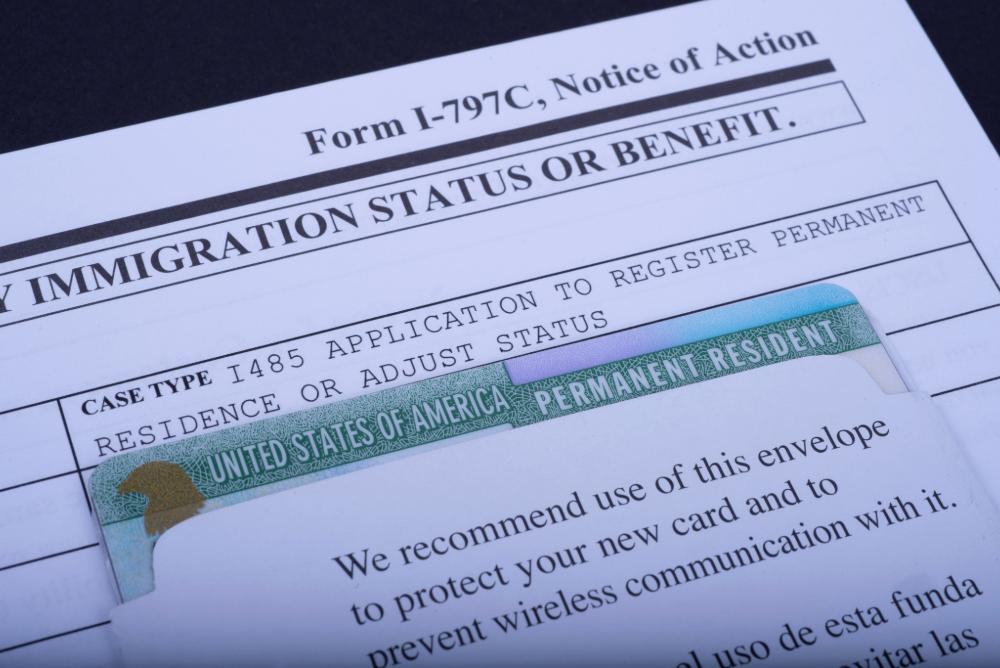
Immigration court basics
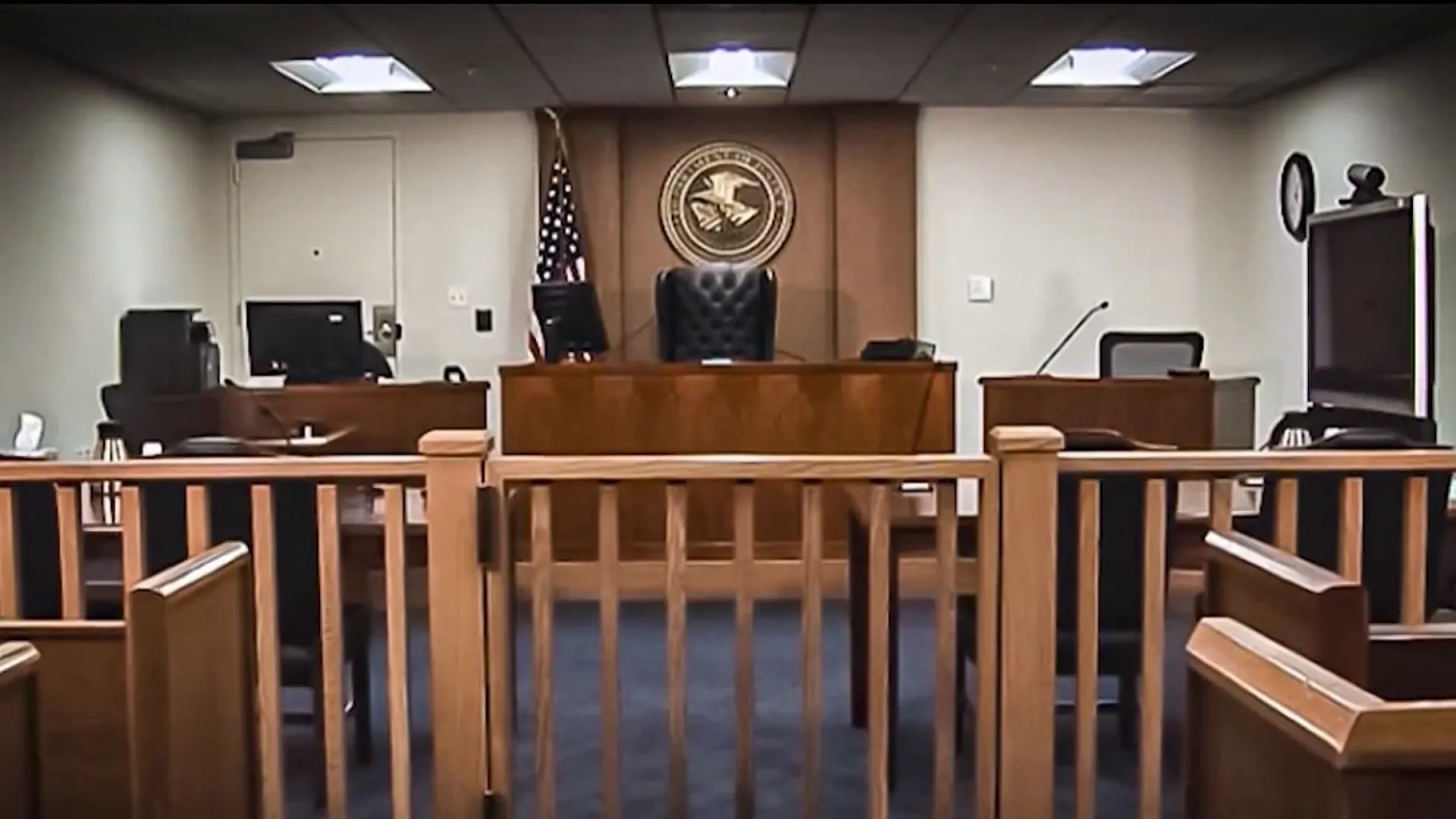
Immigration court looks like a courtroom, but it does not operate like a criminal trial. It is an administrative tribunal with civil procedures, even when the consequences are severe.
Who is in the room
- Immigration judge: runs the hearing and decides removability and relief.
- DHS attorney (often from ICE Office of the Principal Legal Advisor): represents the government.
- Respondent: the person in proceedings.
- Respondent’s counsel (if they have one): there is generally no right to a government-paid lawyer in immigration court, though limited programs and narrow exceptions exist in some contexts.
- Interpreter (when needed): language access is critical because answers become part of the record.
Two questions the judge decides
- Removability: has DHS proved the person is removable under the law?
- Relief: if removable, is the person eligible for a legal form of protection or permission to stay?
Burdens of proof
One way to understand removal proceedings is to track who has to prove what.
- DHS generally bears the burden to prove removability by clear and convincing evidence in many removal cases.
- The respondent generally bears the burden to prove eligibility for relief, and to provide supporting evidence when the law requires it.
That burden shift explains why so many cases turn on documentation, credibility findings, and deadlines.
Due process, but different
Noncitizens in removal proceedings are entitled to due process, rooted in the Fifth Amendment. In this setting, due process typically means notice and a meaningful opportunity to be heard, not the full set of protections associated with criminal prosecution.
Removal is generally treated as civil, not criminal, even though the consequences can be life-altering. That is one reason immigration law is often described as a parallel legal universe: connected to constitutional principles, but governed by its own statutes, agencies, and procedural rules.
The hearings
Most removal cases proceed through two main stages.
Master calendar hearing
This is usually a short, procedural hearing with multiple cases scheduled in the same session. The judge confirms basic information, addresses representation, and asks the respondent how they plead to the government’s allegations and legal charges.
Common events at this stage include:
- Requesting time to find a lawyer
- Admitting or denying the allegations
- Asking for more time to prepare applications for relief
- Setting deadlines for documents and scheduling the next hearing
- Discussing custody or bond issues if the person is detained (in cases where bond is available)
Individual hearing (merits)
This is the trial-like hearing where evidence is presented and witnesses may testify. The judge decides whether DHS has proved removability (if still contested) and whether the respondent qualifies for any relief.
In many cases, the central dispute is not whether a person is removable, but whether they qualify for a protection that allows them to remain.
A simple timeline example
Here is what a typical sequence can look like:
- NTA issued and filed with immigration court
- Master calendar hearing, then deadlines set
- Relief application filed with supporting documents
- Individual hearing (merits), then the judge issues a decision
- If appealed, the case goes to the BIA, and sometimes then to a federal court of appeals
Real cases vary, and continuances, transfers, detention, or new charges can reshape the timeline.
Relief from removal
“Relief” is immigration court shorthand for legal pathways that can stop removal or allow a person to stay in some lawful status. The specific eligibility rules are detailed and fact-dependent, but the categories below are the ones readers most often encounter.
Asylum, withholding, and CAT
- Asylum: a discretionary protection for people who meet the refugee definition and qualify under statutory rules. It can lead to lawful permanent residence later.
- Withholding of removal: a higher burden than asylum in some respects, and it generally offers narrower benefits, but it can prevent removal to a specific country.
- Convention Against Torture (CAT) protection: prevents removal to a country where a person is more likely than not to be tortured, under government involvement or acquiescence.
These are often discussed together because they are frequently sought in the same case, and they share a basic theme: fear-based protection tied to what may happen if the person is sent back.
Cancellation of removal
Cancellation of removal is a form of relief that, if granted, can allow a person to remain in the United States and in some cases obtain lawful permanent residence. Eligibility depends on factors like length of residence, good moral character, certain criminal bars, and for some categories, showing exceptional hardship to qualifying U.S. citizen or lawful permanent resident relatives.
Adjustment of status and consular options
Some people in removal proceedings may be eligible to adjust status through a family-based or employment-based petition, depending on how they entered, whether a visa number is available, and whether inadmissibility issues apply.
Others may pursue strategies that involve leaving the U.S. and processing at a consulate, though unlawful presence bars and waiver requirements can make this complicated.
Waivers and other protections
Immigration law includes a patchwork of waivers (for certain grounds of inadmissibility), prosecutorial discretion tools, and specialized protections. Some examples include:
- VAWA-based relief for certain survivors of abuse
- U visas for certain crime victims who assist law enforcement
- T visas for trafficking victims
- Temporary Protected Status (TPS) as a separate status that can intersect with removal proceedings
These are not “loopholes.” They are statutes Congress enacted and agencies administer, often reflecting a policy judgment that some categories of people should not be removed even if they are technically removable.
Detention and bond
Removal proceedings can happen while a person is detained by ICE or while they are living in the community. Detention changes the practical reality of the case: access to counsel, the ability to gather documents, and the speed of the court schedule.
Some detained individuals may request a bond hearing, where the judge decides whether they can be released and at what bond amount. Not everyone is eligible for bond. Some people fall into mandatory detention categories, including certain criminal and arrival-related situations, where release is limited or handled through different legal mechanisms. In other cases, custody decisions may turn on DHS detention authority and parole, not an immigration judge’s bond calendar.
The constitutional story here is not simple. Courts have long recognized the government’s power to detain in immigration contexts, while also grappling with due process limits when detention becomes prolonged or lacks adequate review. The result is a landscape shaped by both statutes and evolving case law.

Outcomes
Removal proceedings do not end with a single binary outcome in the way people expect.
Possible case endings
- Termination: the case ends without a removal order, sometimes because DHS cannot sustain the charges or for other legal reasons.
- Relief granted: the person is allowed to stay under a specific legal status or protection (for example, asylum granted).
- Voluntary departure: in some cases, a person may be allowed to leave the U.S. on their own within a set time to avoid some of the consequences of a formal removal order.
- Removal order: the judge orders removal, which DHS can execute unless there is a stay or a successful appeal.
Even after a removal order, there may be further steps: appeals, motions to reopen, or requests for stays. But every step has deadlines, and missing them can be decisive.
Appeals and stays
Immigration cases have an appeals pipeline, but it is not identical to the state and federal criminal appeals most people have seen on television.
First appeal: the BIA
The Board of Immigration Appeals is the highest administrative appellate body for immigration cases. It reviews decisions by immigration judges. The BIA can affirm, reverse, or send a case back to the immigration judge for further proceedings.
The BIA generally focuses on whether the judge applied the law correctly and whether factual findings are supported by the record, depending on the type of issue. The BIA does not usually re-try the case from scratch.
Stays at the BIA: in many typical removal cases, a timely appeal to the BIA pauses execution of the immigration judge’s removal order while the appeal is pending. There are important exceptions and special postures where an automatic pause may not apply, so practitioners often check the stay rules in the specific case type.
Next step: federal courts
After the BIA, many cases can be reviewed in a U.S. court of appeals through a petition for review, subject to complex jurisdictional rules and statutory limits. Federal courts often give significant deference to the agency on certain questions, and some categories of claims are restricted, especially in cases involving particular criminal convictions.
What federal courts commonly do is review legal questions: whether the agency interpreted the statute correctly, followed required procedures, and respected constitutional limits.
Stays in federal court: filing a petition for review does not automatically stop removal. In many situations, the person must file a motion for a stay of removal to prevent deportation while the case is pending.
Reopening a case
Two post-decision tools show up often in immigration court coverage: motions to reopen and motions to reconsider.
- Motion to reopen: asks for a new look based on new facts or new evidence, and it commonly comes up after an in absentia order, after a change in circumstances, or when critical evidence was not previously available.
- Motion to reconsider: argues the prior decision was legally wrong based on the existing record, usually by pointing to an error in law or reasoning.
Both are deadline-driven and procedural. They can be powerful, but they are not a do-over by default.
Removal and asylum
Readers often encounter asylum as if it is a standalone “application.” Sometimes it is. Often it is not.
Affirmative asylum
Affirmative asylum is typically filed with U.S. Citizenship and Immigration Services (USCIS) by someone who is not currently in removal proceedings. The interview happens in an administrative setting, not a courtroom.
If USCIS does not grant asylum, the case may be referred to immigration court, where asylum becomes a defense in removal proceedings.
Defensive asylum
Defensive asylum is raised in immigration court after DHS has initiated removal proceedings. Here, asylum is not just a benefit request. It is a form of relief from removal, decided by an immigration judge in an adversarial hearing with a DHS attorney opposing the claim.
The key distinction is posture:
- Asylum adjudication can be an administrative interview process when filed affirmatively.
- Removal proceedings are the government’s case to remove someone, with asylum as one possible defense among others.
That is why a removal proceedings explainer is different from an asylum explainer. Asylum is a path. Removal is the road the government puts you on, whether you planned to be there or not.
The constitutional frame
Immigration law sits at the intersection of three forces:
- Congress’s power to set immigration rules through statutes.
- The Executive’s power to enforce those rules through agencies like DHS and DOJ.
- The Constitution’s constraints, especially due process, equal protection principles, and the role of federal courts.
The tension is permanent. The government argues for flexibility in border and immigration control. Individuals argue for fairness, notice, and a real opportunity to present their case. Courts, meanwhile, are often asked to decide not just what the law should be, but what the Constitution requires when the stakes are expulsion from the country.
If you want one takeaway, it is this: removal is legal machinery. It can be slow, technical, and procedural. But it is also one of the most consequential uses of federal power over an individual. Understanding the steps is not just practical. It is civic literacy.
Glossary
- DHS: Department of Homeland Security, which includes ICE, USCIS, and CBP.
- ICE: Immigration and Customs Enforcement, often involved in arrests, detention, and court prosecution.
- EOIR: Executive Office for Immigration Review, the DOJ agency that runs immigration courts.
- NTA: Notice to Appear, the document that initiates removal proceedings in immigration court.
- Respondent: the person defending against removal.
- Master calendar: short procedural hearing.
- Individual hearing: merits hearing where testimony and evidence are presented.
- BIA: Board of Immigration Appeals, the main administrative appeals body.
Important note: This article is for general education, not legal advice. Immigration cases turn on facts, deadlines, and past history, and small differences can change outcomes.