
July 1 is a turning point in how Idaho intends to carry out death sentences. The state is elevating the firing squad from a backup plan to the first option. Until now, Idaho law put lethal injection at the top and the firing squad behind it. Beginning July 1, Idaho flips that order and becomes the only state in the country to put a firing squad first.
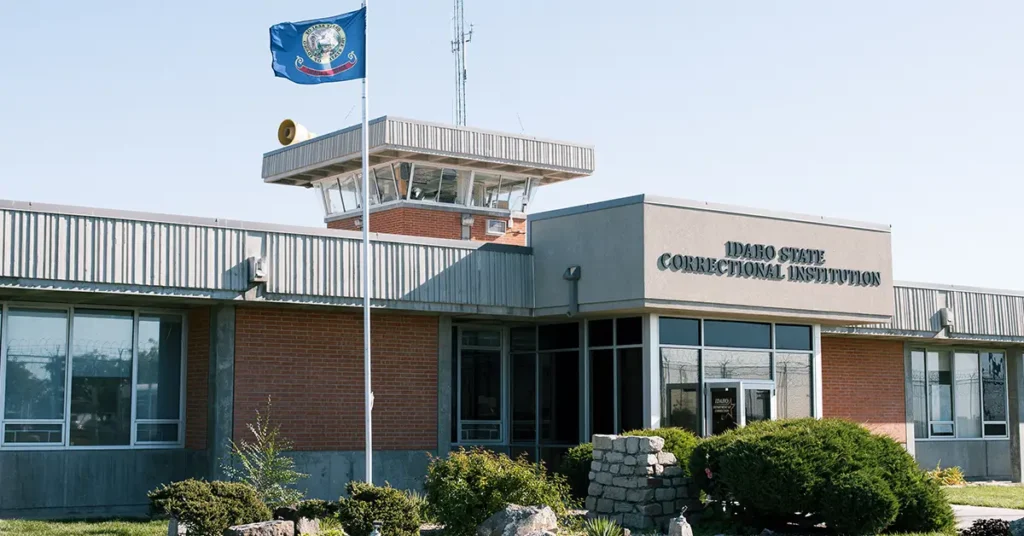
Most death penalty debates drift into theory. Idaho’s move is not theoretical. If the state is going to execute people, then the discussion becomes immediate and concrete: what method is legal, what method is actually doable, and what method avoids the kind of prolonged, botched spectacle that turns punishment into something worse.
What changes July 1
Two major shifts arrive at the same time.
- The firing squad becomes the primary method. It is no longer something the state reaches for only when lethal injection is unavailable.
- Child rape becomes death eligible. Idaho adds the rape of a child under age 12 to the list of crimes that can qualify for a death sentence, making Idaho one of only three states that include child rape as a capital offense.
Nationally, only five states even keep the firing squad on the menu. Last March, South Carolina executed 67-year-old Brad Sigmon that way. He had been on death row for nearly a quarter century for beating his ex-girlfriend’s parents to death with a baseball bat in 2001. Before Sigmon, the U.S. had not used a firing squad since 2010.
The legal fight
The firing squad is what will grab headlines, but the real collision is Idaho adding child rape to its list of death-eligible crimes. Believe it or not, that is the piece that will be treated as the most controversial.
In 2008, the Supreme Court, in a 5–4 decision, ruled that executing child rapists was disproportionate and therefore unconstitutional under the Eighth Amendment ban on “cruel and unusual punishment.”
Still, Florida and Tennessee later passed laws adding child rape to their lists of capital crimes. With Idaho now the third, the Court is likely to get pulled back into the issue, and the current Court is not the same one that decided the 2008 case. In my view, it is a much different and more reasonable Supreme Court today.
Humane, not pretty
Take this for what it is worth from someone with no medical training: the state should stop pretending execution is ever clean. If you are going to do it at all, the only honest goal is speed.
Start with the people made to watch. Some methods hide behind a performance of calm, and that can be its own kind of lie. Lethal injection looks peaceful, but it takes a while. The electric chair is a hard no.
A firing squad, on the other hand, does not sell you a bedtime story. It is violent, it is direct, and it ends things fast. Blow up the heart, and it is over instantly. Easier on the recipient, harder on the witnesses, precisely because there is no way to dress it up as humane theater.
If you believe in the death penalty, as I do, I think firing squads are the most humane method available for an act that will never be pretty.
Gary Gilmore
The firing squad execution that still sticks in public memory, at least for those of us old enough to remember the story, is Gary Gilmore.
What made Gilmore infamous was not only what he did, but how he handled what came next. After being convicted and sentenced, he refused to play the usual game of endless appeals and delays. He wanted to die, and he specifically asked for a firing squad.
Now rewind. Gilmore was a degenerate drug addict and career criminal who spent most of his adult life locked up. When he was paroled in April 1976, he landed in Provo, Utah, got his chance to straighten out, and immediately went back to being who he was. The following year, during robberies, he murdered two men, a gas station attendant and a hotel manager.
What makes those murders so infuriating is how pointless they were. The robberies were clumsy and low-level, driven by rage, not by some careful plan for money. The victims did what they were supposed to do. It did not matter. Gilmore killed because he needed to kill.
Timing turned him into a national story. After a four-year moratorium, the Supreme Court reinstated the death penalty just a couple of weeks before his double murder. Gilmore was executed by firing squad on January 17, 1977, a little over three months after sentencing, which is lightning speed by modern standards.
Pop culture
Gilmore’s story also produced a strange cultural afterlife.
A second-season Saturday Night Live episode includes the Christmas song “Let’s Kill Gary Gilmore for Christmas.” If you have Amazon Prime, you can find it at the 54-minute mark.
Then Norman Mailer turned the saga into his 1979 Pulitzer-winning nonfiction book, The Executioner’s Song, tracing Gilmore’s parole, the murders, the trial, and the publicity around his execution. In 1982, the TV movie adaptation helped launch Tommy Lee Jones as a star, and he won an Emmy for playing Gilmore.
Idaho now
Idaho can rewrite statutes, but its modern execution record is thin. The state has carried out only three executions in 50 years. As of today, eight men and one woman are on Idaho’s death row.
Bottom line
Idaho is sending two messages at once. First, it is putting the firing squad in the top slot, which I see as the most humane way to carry out something that is, by definition, brutal. Second, it is expanding death eligibility to include the rape of a child under age 12, inviting a direct clash with the Supreme Court’s 2008 ruling and daring the Court to take another look.
And yes, I believe child rapists deserve the death penalty.