
The scope of the federal government’s immigration dragnet has reached historic levels, with new data revealing a significant shift in who is being targeted by Immigration and Customs Enforcement (ICE).
According to the latest statistics from TRAC and agency reports current as of late November 2025, the number of individuals in ICE custody has surged to over 65,000.
However, contrary to the White House narrative that enforcement is laser-focused on “dangerous criminals,” the data shows that the majority of those currently behind bars have no criminal record at all.
This statistical reality contradicts the administration’s public messaging, which emphasizes the removal of “murderers” and “gang members,” and suggests a strategy that prioritizes volume over criminal history.
At a Glance: The State of Detention
- Total Detainees: 65,735 people were in ICE detention as of November 30, 2025.
- Criminal History: 73.6% (48,377) of current detainees have no criminal conviction. Many who do have records committed only minor offenses like traffic violations.
- Monthly Bookings: In October 2025 alone, 41,624 people were booked into ICE detention.
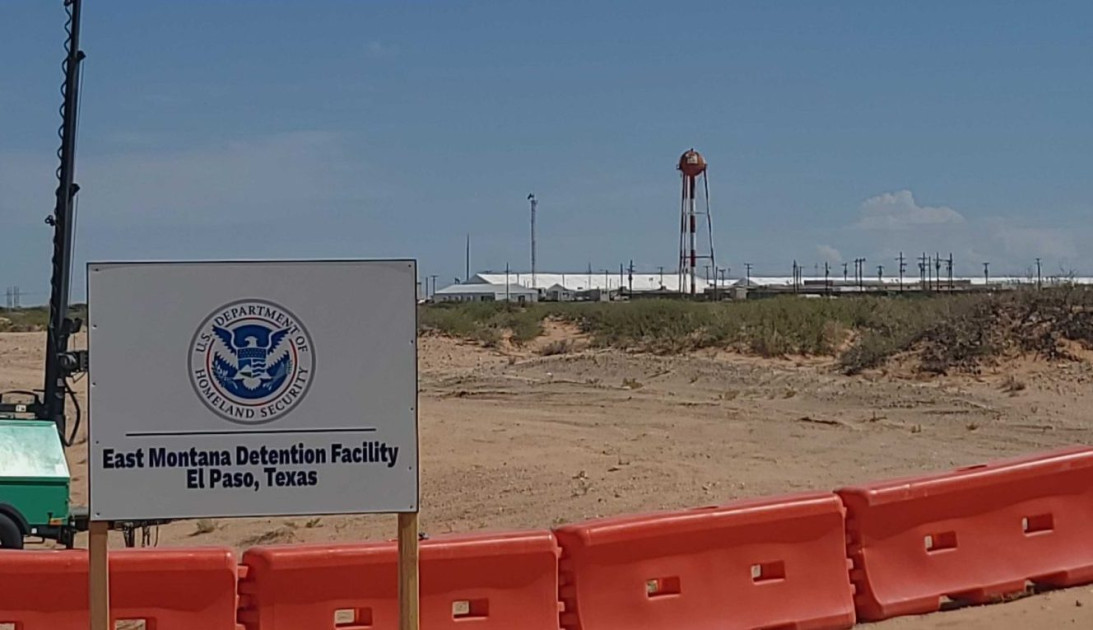
- Top State: Texas leads the nation in detention capacity, housing 17,696 detainees. The El Paso Camp East Montana facility holds the most people, averaging 2,774 per day.
- Surveillance: 182,009 people are currently monitored via “Alternatives to Detention” (ATD) programs (ankle monitors, apps), with San Francisco leading the list.
The Surge of Non-Criminal Arrests
For the first time under the second Trump administration, the number of immigrants in detention with no criminal history has surpassed those with criminal records or pending charges.
Official data indicates that of those arrested specifically by ICE (excluding Border Patrol transfers), 16,523 had no criminal record, compared to 15,725 with a record. This shift has drawn sharp criticism from former homeland security officials who argue the net is being cast too wide.
“These are hardworking people. These are not criminals… I’m sure the Trump administration is defining ‘criminal’ really widely to say that if they are here undocumented, then they are a ‘criminal’. But these are not bad people.” — Former DHS Civil Rights Official (Anonymous)
The increase is partly attributed to “collateral arrests”—instances where ICE agents target a specific individual but arrest others present at the scene who lack legal status. A recent high-profile raid at a Hyundai factory construction site in Georgia resulted in over 300 arrests, including individuals who allegedly held valid visas.

DHS Defends the Strategy
Despite the data showing a prevalence of non-criminal detainees, the Department of Homeland Security maintains that its priority remains public safety threats.
Tricia McLaughlin, assistant secretary for public affairs at DHS, pushed back against the criticism, stating that the agency focuses on the “worst of the worst.”
The facts are Ice is targeting the worst of the worst – including murderers, MS-13 gang members, pedophiles, and rapists. Seventy per cent of Ice arrests are of criminal illegal aliens who have been convicted or have pending charges in the US.” — Tricia McLaughlin, DHS
However, critics note that “pending charges” can include minor infractions, and the raw detention numbers (where nearly 74% have no conviction) tell a different story than the arrest percentages cited by DHS.

Texas: The Detention Capital
Geographically, the enforcement weight is heavily concentrated in the South. Texas is housing more than double the number of detainees compared to the next highest state, Louisiana (7,096).
Facilities like the Ero El Paso Camp East Montana have become massive holding centers, processing thousands of individuals a month. Meanwhile, federal spending on enforcement is set to increase even further following unprecedented funding legislation passed by the Republican-controlled Congress this summer.

As the administration continues its push to arrest 3,000 people per day, the definition of who counts as a “priority” for deportation appears to be expanding, pulling in thousands of residents with no criminal background into the federal prison system.