
A protest outside a San Francisco federal courthouse this week devolved into a violent mob attack, with four ICE agents punched, pepper-sprayed, and ambushed. One U.S. citizen, armed with a knife, now stands federally charged after allegedly slashing a government vehicle’s tires and threatening to stab an officer and go after his family.
This is not a story about a protest that got out of hand. It is a story about a direct and violent assault on federal law enforcement and the rule of law itself.
This event forces us to confront a bright, unambiguous line in our constitutional order: the line that separates protected, legitimate dissent from unprotected, criminal violence.
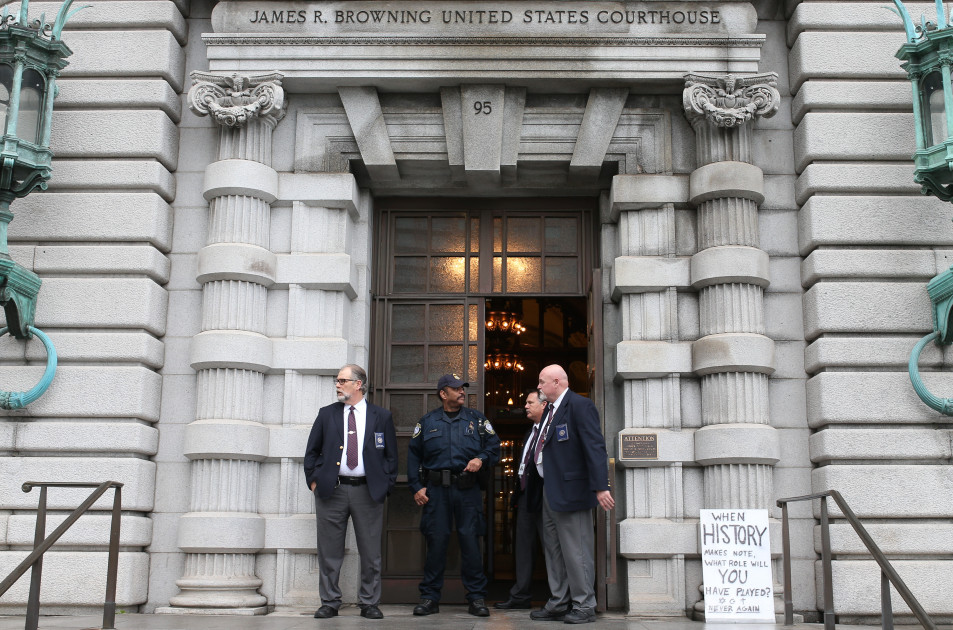
An Assault on the Rule of Law
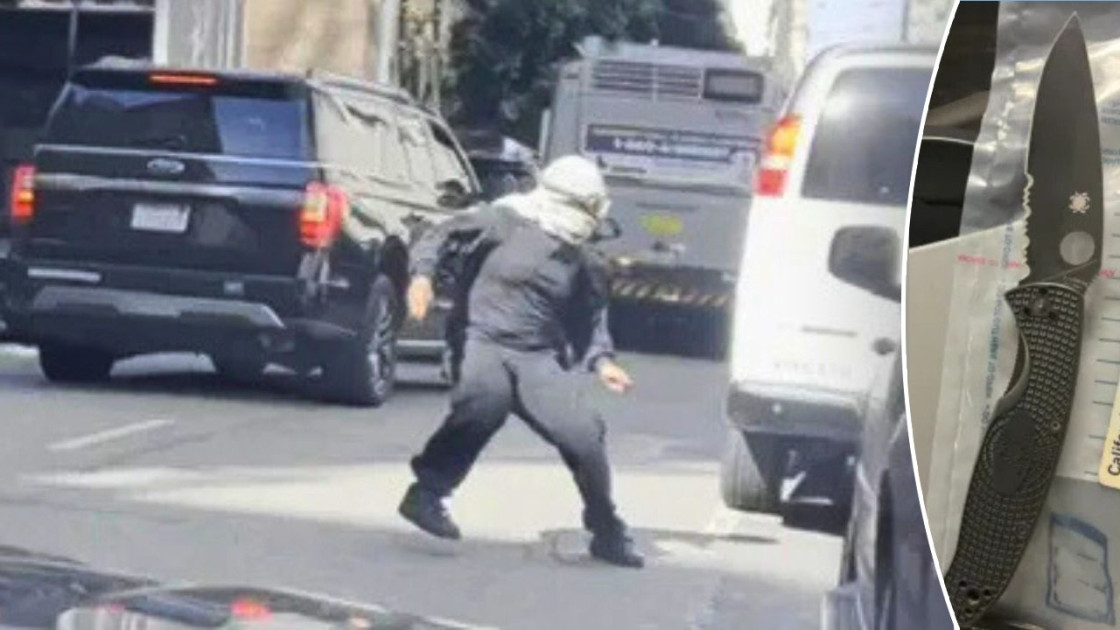
The details of the attack are a stark illustration of a protest crossing into a riot. As ICE agents were conducting a removal operation, a crowd of up to 20 people swarmed them. The agents were physically assaulted, and one suspect, Adrian Guerrero, allegedly made repeated, direct threats of violence while armed with a knife.
These actions are not political speech; they are felony crimes. Guerrero has been charged with assault on a federal officer and destruction of government property. This is not a matter of political disagreement; it is a matter of basic law and order.
The First Amendment is Not a Shield for Violence
This is a crucial “teaching moment” about the First Amendment. The right to peaceably assemble and to petition the government for a redress of grievances is one of our most sacred constitutional protections. It protects even harsh, offensive, and deeply critical speech directed at the government and its agents.
However, that protection is not, and has never been, absolute. The Supreme Court has been clear for over a century that the First Amendment is not a shield for violence. It does not protect “true threats” – statements that a reasonable person would interpret as a serious expression of intent to commit an act of unlawful violence against a particular individual.
It certainly does not protect physical assault.
To punch, pepper-spray, or threaten to stab a federal officer is not an act of protest; it is a violent crime and a direct assault on the function of our constitutional government.
A Dangerous Escalation
This incident must be viewed in its broader context. According to Homeland Security Secretary Kristi Noem, assaults against ICE agents have increased by a staggering 1,000%. She blames the “rhetoric vilifying our law enforcement” from “sanctuary politicians.”
While political rhetoric can create a permissive environment for extremism, the ultimate legal and moral responsibility for a violent act lies with the individual who commits it. The protesters’ underlying grievance – the controversial ICE policy of making arrests at courthouses – is a legitimate subject of intense political and legal debate.
That debate should happen in courtrooms, in legislative chambers, and at the ballot box.
It cannot, in a constitutional republic, happen with knives and pepper spray in a courthouse street. No policy disagreement, no matter how profound, can ever justify a violent, physical assault on the officers tasked with carrying out that policy.
The incident in San Francisco is a sobering reminder of the fragility of civil order. The right to protest is sacred, but it is not a license for violence. The moment a protester picks up a weapon to attack an officer of the law, they are no longer a dissenter exercising a constitutional right; they have become an assailant attacking the constitutional order itself. Upholding that bright line is a duty for every citizen who believes in both liberty and the rule of law.