
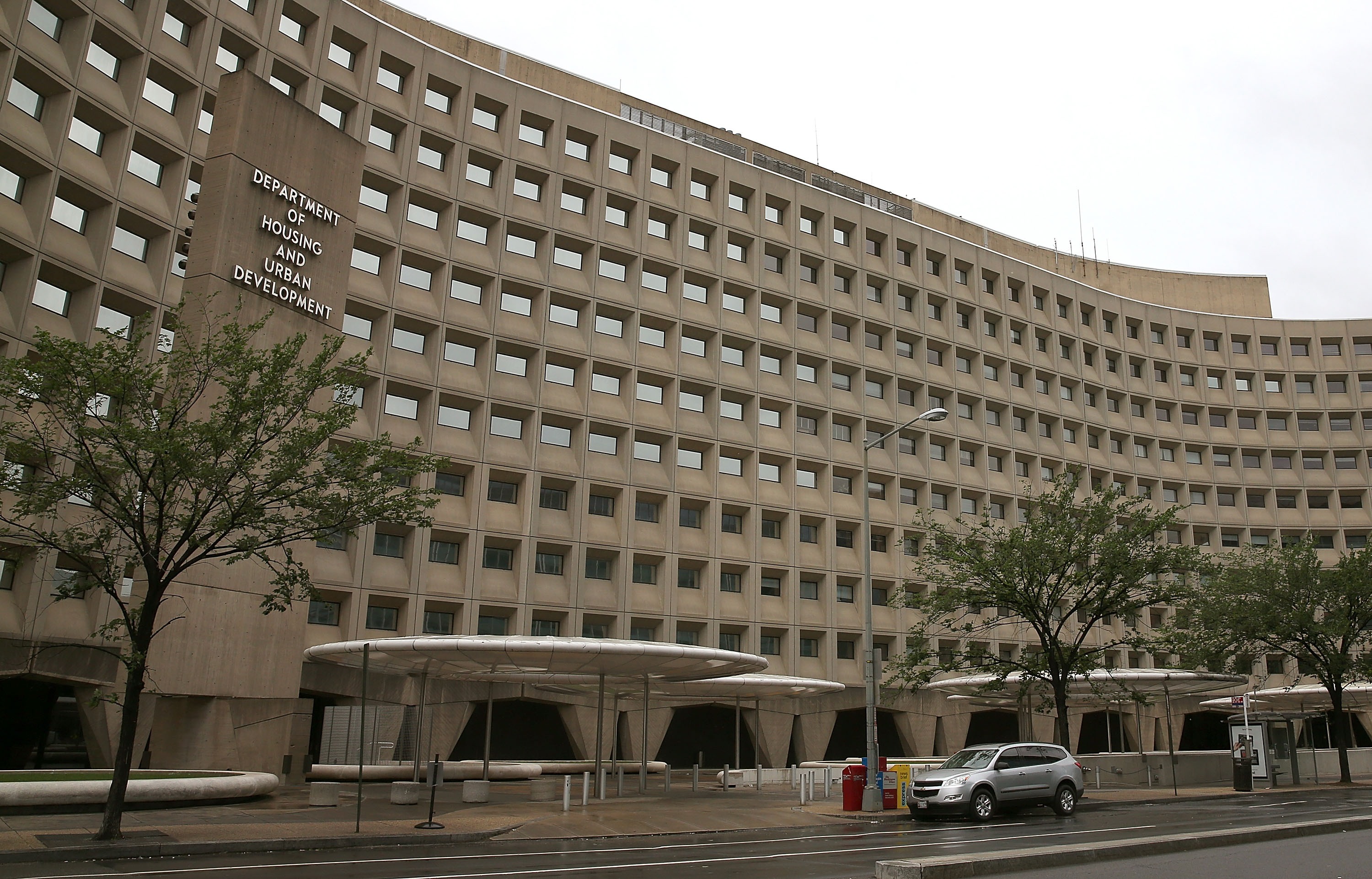
The Department of Housing and Urban Development has opened a federal civil rights investigation into a Washington state homeownership initiative that the agency believes may sort applicants by race and ancestry. The question at the center of the probe is a constitutional one with everyday consequences: when does a program designed to remedy past housing discrimination cross the line into discrimination today?
What HUD is investigating
HUD’s Office of Fair Housing and Equal Opportunity notified the Washington State Housing Finance Commission that it is investigating the state’s Covenant Homeownership Program, a down payment and closing cost assistance effort created by the Washington Legislature in 2023 and launched about a year later.
The program’s stated purpose is to address the lasting effects of housing discrimination, including racially restrictive covenants, which were provisions inserted into property records to bar certain groups from buying or occupying homes. Those covenants became unenforceable after a 1948 Supreme Court decision and were later voided altogether in 1969.
How the program works

According to publicly available program descriptions, the Covenant Homeownership Program offers zero-interest loans up to $150,000 that can be used for down payments and closing costs. Repayment is deferred until the homeowner sells or refinances the property.
Eligibility, as described in program materials HUD cited, is tied to being a first-time homebuyer and being part of certain historically marginalized communities. HUD also highlighted that the program uses an income limit of 120% of the area median income, and that applicants do not need to come from low-income areas to qualify.
Why HUD sees legal risk
Government programs that use race as a deciding factor do not just trigger political debate. They trigger legal scrutiny.
At the federal level, housing discrimination is governed primarily by the Fair Housing Act. At the constitutional level, the animating principle is equal protection, the idea that government cannot hand out benefits or burdens based on race without a very strong justification and a narrowly tailored approach.
HUD’s concern, as described in its notice to the state commission, is that the program’s public-facing criteria and application process appear to create racial and ethnic preferences that could deny other applicants access to a government-backed benefit.
Eligibility details in dispute
In its public statements about the probe, HUD pointed to ancestry-based criteria it says may be required to qualify. According to HUD, the program requires an applicant to have a parent or grandparent of Hispanic, Native American, Pacific Islander, or Indian descent.
HUD also said that, as framed, people of European, Japanese, Arab, or Jewish ancestry did not appear to qualify. That allegation goes to the heart of the investigation, because it is one thing to acknowledge discriminatory history and another to set eligibility rules that sort today’s applicants by ancestry categories.
HUD further noted an application pathway it considers unusual: guidance indicating that a prospective applicant’s only way to begin the process is by calling a hotline and speaking with “a Commission-trained lender,” who then determines whether the person meets eligibility requirements.
That matters because fair housing enforcement often looks not only at what a program says on paper, but how it functions in practice. A process that places key eligibility judgments in a gatekeeping step can become a flashpoint if it produces disparate treatment.
What supporters say it fixes
Supporters of the program have argued that Washington’s housing market still reflects decades of intentional exclusion, including redlining and restrictive covenants that shaped who could accumulate home equity and where communities could grow.
Washington Democrat Jamila Taylor, who helped introduce the bill that established the program, framed it as a response to persistent barriers: “Generations of systemic, racist, and discriminatory policies have formed barriers to homeownership for Black, Indigenous, and people of color and other historically marginalized communities in Washington state,” she said. “Historically, redlining, racially restrictive covenants, mortgage subsidies and incentives, and displacement have been explicitly outlined practices. To date, racially restricted covenants have been identified in more than 40,000 property deeds across the state.”
HUD’s posture under Trump
HUD Secretary Scott Turner framed the investigation in blunt terms, signaling that the department intends to challenge programs it believes rely on race-based decision-making.
“DEI is dead at HUD,” Turner said. He also added: “I will not stand for illegal racial and ethnic preferences that deny Americans their right to equal protection under the law … Under President Trump’s leadership, HUD will vigorously enforce the Fair Housing Act and ensure all Americans have an equal shot at the American Dream.”
What happens next
HUD has not issued a final finding. The agency indicated that a determination about whether the Covenant Homeownership Program violates the Fair Housing Act is still pending, while stating that the public information available so far “strongly suggests” unlawful discrimination may be occurring.
A spokesperson for the Washington State Housing Finance Commission said the commission plans to cooperate with federal requests for information. The commission also emphasized that the program was created with bipartisan support and described it as grounded in independent research and stakeholder engagement. The commission noted it runs other home loan and down payment assistance programs that are available for low- and moderate-income homebuyers more broadly.
Why this matters beyond Washington
This investigation fits a pattern of heightened federal scrutiny of housing programs that explicitly prioritize applicants by race or national origin. HUD has recently opened other civil rights investigations into local housing policies it alleges improperly steer resources based on protected characteristics, including investigations involving Minneapolis and Boston.
For readers trying to make sense of the legal tension, here is the basic balancing act: the law recognizes the reality of discriminatory housing history, but it also limits the government’s ability to respond using race as an eligibility shortcut. Where that line is drawn will depend on the program’s design, its real-world operation, and what evidence the investigation uncovers.