
The first six months of the new presidential administration have been defined by a rapid-fire series of executive orders and sweeping policy changes. To many observers, these actions appear to be part of a grand strategy. To others, they are simply the fulfillment of long-held conservative promises.
At the center of this debate is a detailed, 920-page playbook for governing known as Project 2025. Developed over years by a coalition of conservative organizations, this ambitious plan is designed to fundamentally remake the U.S. government.
Is the administration’s current agenda a deliberate execution of this meticulous blueprint, as critics allege? Or is it merely a coincidental alignment of shared goals, as the President has sometimes suggested?
Examining the significant and undeniable overlaps between the project’s text and the administration’s actions is essential for every American seeking to understand the profound changes unfolding in Washington today.
Join the Discussion
What is Project 2025?
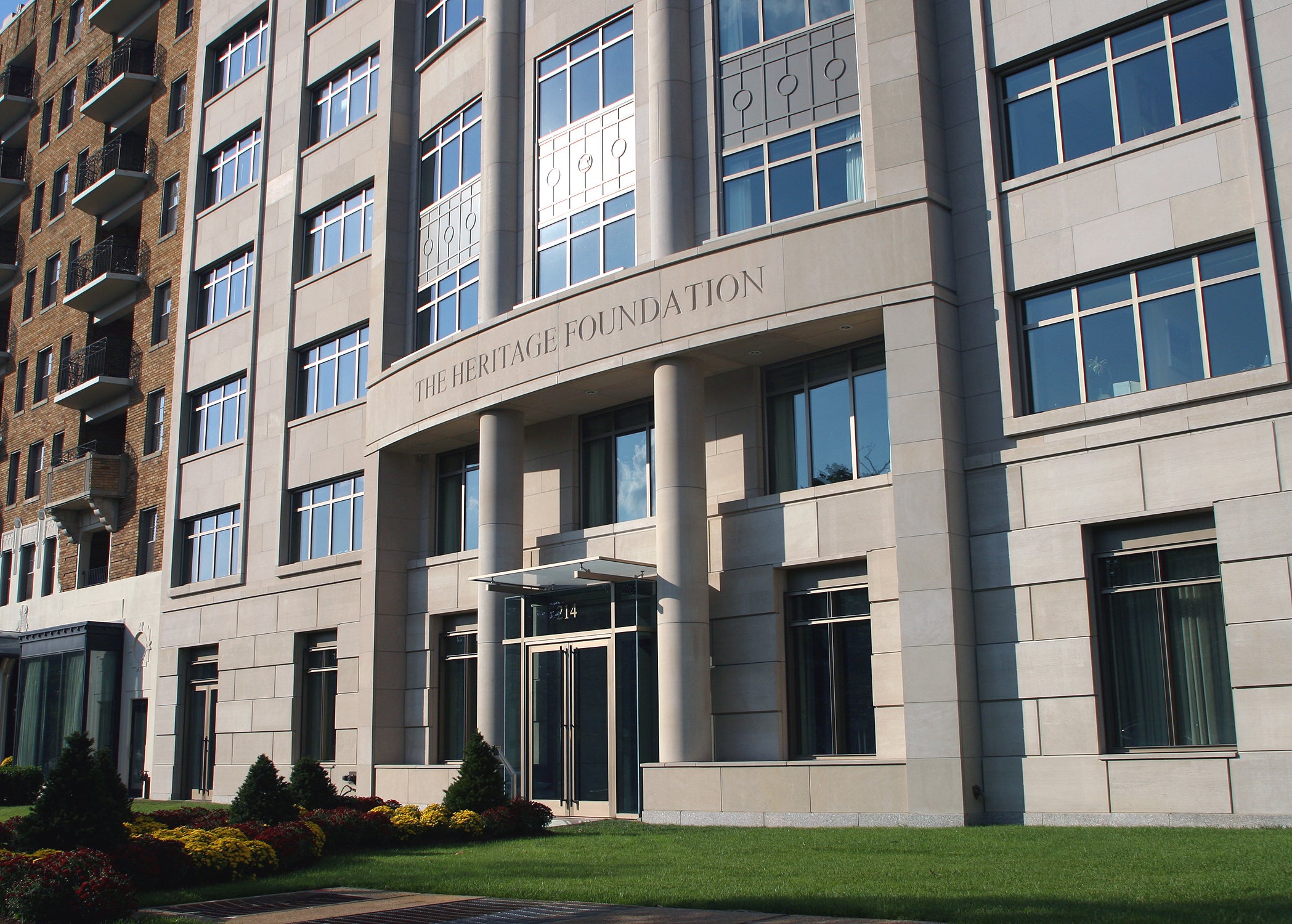
At its core, Project 2025 is the most comprehensive presidential transition plan ever assembled by a political movement. Led by the influential Heritage Foundation, it consists of two main pillars:
First, a detailed policy guide titled “Mandate for Leadership,” which provides a chapter-by-chapter plan to deconstruct and rebuild nearly every federal agency, from the Department of Justice to the Environmental Protection Agency.
Second, it includes a massive personnel database, designed to identify and vet tens of thousands of pre-approved conservatives ready to replace a large portion of the existing federal civil service.
The project’s stated goal is to “dismantle the administrative state” – the vast network of federal agencies and career employees that conservatives argue has become an unaccountable “fourth branch” of government.
A Supercharged Presidency
The entire project is built upon a specific and controversial interpretation of the Constitution known as the “unitary executive theory.”
This theory posits that Article II of the Constitution grants the President absolute and total control over the entire executive branch. Proponents of this view argue that the nearly 2 million career federal employees are not neutral civil servants, but subordinates who must be directly accountable to and carry out the political agenda of the elected President.
“At its heart, Project 2025 is an attempt to translate a controversial constitutional theory – the ‘unitary executive’ – into a governing reality.”
This is a direct challenge to the 140-year-old tradition of a professional, non-partisan civil service, which was established to ensure that the government operates on a basis of expertise and the rule of law, rather than pure political loyalty.
The Plan in Action: The First Six Months
Since taking office in January, the Trump administration has moved rapidly to implement key tenets of the Project 2025 playbook. Tracking by policy analysts shows that a significant percentage – some estimate as high as 60% – of the administration’s early executive orders align directly with the project’s recommendations.

This alignment is most visible in three key areas:
- Executive Empowerment: The administration has worked to centralize power within the White House, using executive orders to bypass Congress and direct agency actions.
- Deregulation: The Environmental Protection Agency has seen a wave of deregulation, with the administration moving to roll back climate policies and environmental protections, just as outlined in the “Mandate for Leadership.”
- Immigration: The hardline policies at the southern border, the focus on mass deportations, and the restrictions on benefits for immigrants are all core components of the Project 2025 immigration chapter.
Where Trump Goes Further
While the President is clearly using the project’s roadmap, he has also shown a willingness to go “off-road” in ways that push the boundaries of executive power even further than the blueprint recommends.
For example, the administration’s recent attempts to unilaterally freeze funds appropriated by Congress for specific programs represent a direct challenge to Congress’s exclusive “power of the purse” under Article I of the Constitution.
Similarly, the executive order seeking to end birthright citizenship is a direct confrontation with the long-standing interpretation of the Fourteenth Amendment.
“While the project provides the roadmap, the President sometimes chooses to go off-road, pushing the boundaries of executive power in ways that alarm even some conservative legal scholars.”
These moves suggest the President sees the project’s philosophy of executive empowerment not as a limit, but as a launchpad for even more aggressive assertions of presidential authority.
The Stakes for American Democracy
Supporters frame Project 2025 as a necessary and democratic crusade. They argue it is the only way to make the unelected, and in their view, unaccountable, federal bureaucracy responsive to the will of the people as expressed through their choice for President.
Critics, however, see a much darker picture. A broad coalition of constitutional scholars, civil liberties groups, and former government officials from both parties has warned that the project is a roadmap for dismantling the system of checks and balances.
They argue that purging the civil service of non-partisan expertise and concentrating immense power in the White House erodes the rule of law and paves the way for a more authoritarian style of governance.
The implementation of this project is not just another policy shift in a long line of them. It is a fundamental test of the resilience of American democratic institutions and the constitutional separation of powers.