
A Colorado jury has found dentist James Craig guilty of the first-degree murder of his wife, Angela. This verdict brings to a close a horrific local crime story that involved poison, betrayal, and a “mountain of evidence.” But beyond the chilling details, this case serves as a powerful and necessary reminder of the constitutional machinery of justice in action.
In an era so often defined by political chaos and high-level constitutional crises, the methodical and public process of this trial reaffirms a fundamental truth: the day-to-day work of our republic is to see that the law is applied soberly and that justice is served. This case is a testament to the enduring power of our constitutional system to hold an individual accountable, based not on public opinion, but on evidence tested in a court of law.
A Mountain of Evidence, A Constitutional Process
The prosecution’s case against James Craig was, as one assistant district attorney described it, “absolutely stunning.” Investigators amassed over 10,000 pages of documents and two terabytes of data, including Craig’s own incriminating search queries and text messages, to prove he had meticulously planned and carried out his wife’s murder by poisoning her protein shakes.
This “mountain of evidence” was not just for the media; it was a constitutional requirement. The principle of due process, guaranteed by the Fourteenth Amendment, demands that the state meet an immense burden of proof before it can take away a citizen’s liberty. The overwhelming nature of the evidence presented was a direct fulfillment of that constitutional duty, ensuring the verdict was grounded in fact, not speculation.
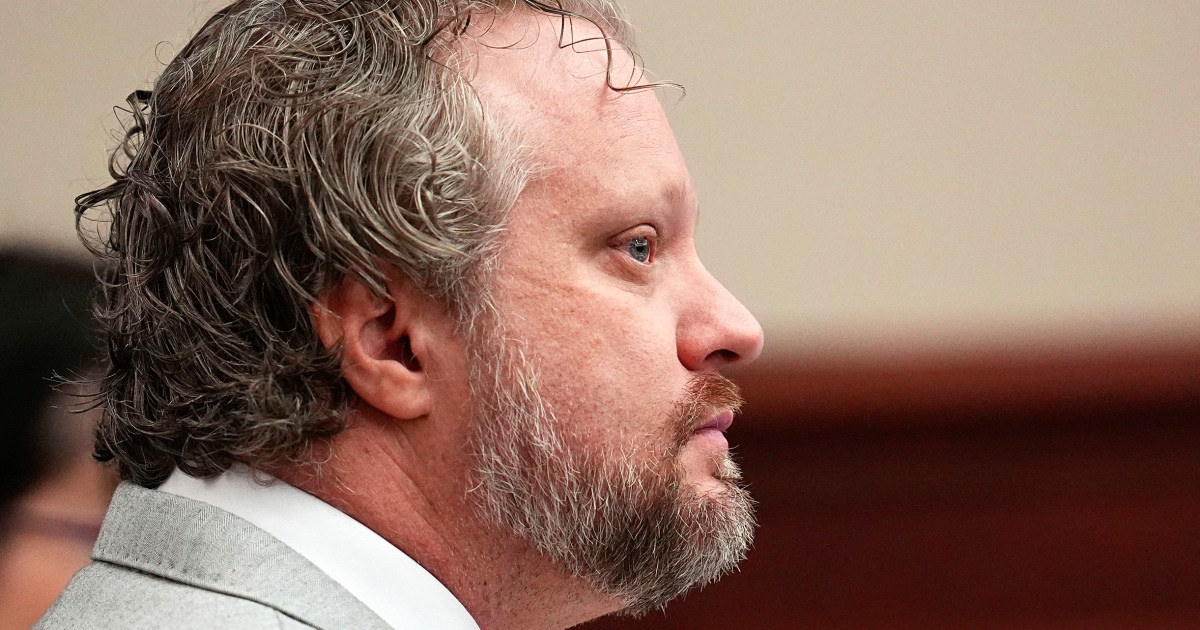
The Sixth Amendment in Action: The Anatomy of a Fair Trial
The entire trial was a textbook execution of the rights guaranteed to every American by the Sixth Amendment. This case provides a valuable civics lesson in what those rights mean in practice.
- A Public Trial by an Impartial Jury: A jury of Craig’s peers weighed the evidence publicly. In a sign of their profound civic engagement, at least eight of those jurors voluntarily returned to the courtroom to witness the sentencing—an “unusual step” that underscores the seriousness with which they viewed their constitutional role.
- The Right to Confront Witnesses: The prosecution called over 300 witnesses, and the defense had the right to confront and cross-examine them, testing the state’s narrative in open court.
- The Right to a Defense: Craig was represented by counsel and was able to present a defense. His attorneys even requested that the jury consider a lesser, alternative charge of aiding a suicide, a theory the jury was able to weigh and ultimately reject based on the evidence.
This meticulous process is the essence of our constitutional system. It ensures that a verdict is not reached by passion or prejudice, but through a structured and transparent legal contest.
The Verdict: Not Vengeance, But the Rule of Law
Following the guilty verdict, Angela Craig’s family expressed that they were “elated that James Craig will never be able to do this to another person.” The District Attorney declared that “Justice was served.”
Their relief is a natural and human response to a horrific tragedy. But it is crucial to understand that the verdict itself is a dispassionate application of the law. A guilty verdict followed by a sentence of life without parole is not an act of vengeance; it is the formal, reasoned judgment of the community, delivered through the constitutional process. It is the rule of law in its most fundamental form.
In a nation consumed by conflict in Washington D.C., the James Craig trial is a grounding reminder that the promises of the Bill of Rights are made real every day, not just at the Supreme Court, but in county courthouses across the country. It is in these places that the hard work of justice is done. This verdict is a testament to the enduring power of that constitutional process to methodically uncover the truth and hold the guilty to account.