
People talk about “going to federal court” like it is one place with one set of rules. It is not. It is a ladder, and where you start on that ladder determines almost everything: what evidence matters, which judges you face, what you can appeal, and how hard it will be to get the Supreme Court to even look at your case.
The federal judiciary is also not the whole American court system. Every state has its own courts, its own judges, and its own criminal code. Federal courts do not sit above state courts like a national referee for every dispute. They are a separate system with limited power, built for limited kinds of cases.
Join the Discussion
Article III and the three levels
The Constitution creates “one supreme Court” and allows Congress to create “inferior Courts.” That is Article III. Congress built the system we recognize today, which has three main levels:
- U.S. District Courts (trial courts)
- U.S. Courts of Appeals (circuit courts that review trials)
- The U.S. Supreme Court (the ultimate judicial arbiter of federal law)
In simple terms: district courts find facts, circuits review for legal error, and the Supreme Court chooses a small number of cases to settle major questions of federal law. Congress can also change federal statutes in response to Supreme Court interpretations, but the Court’s decisions control unless and until the law changes.
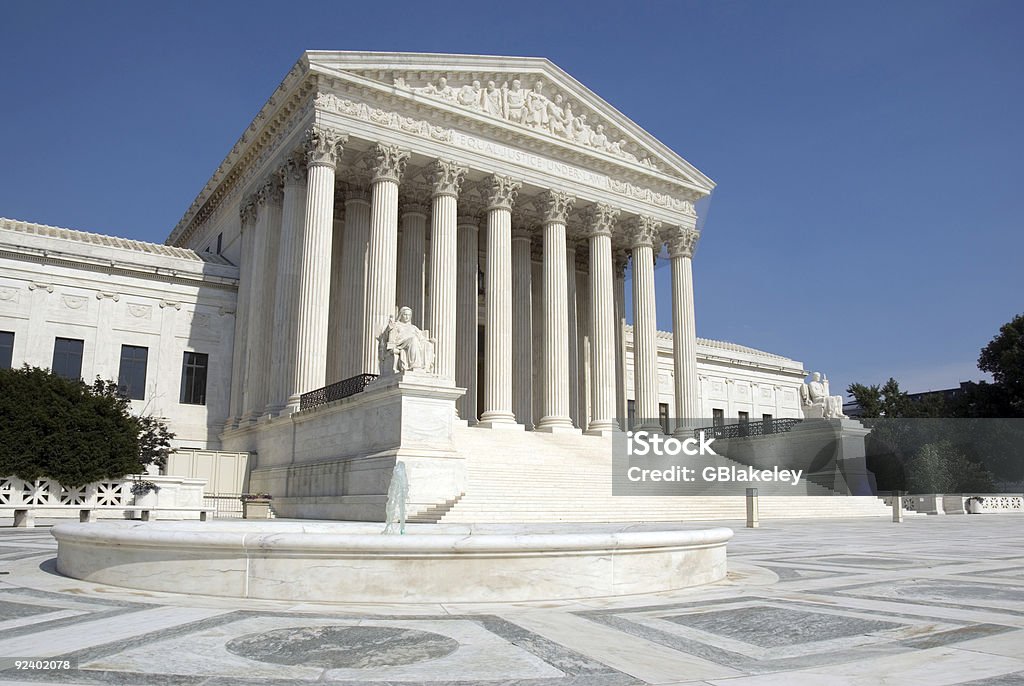
Start at the bottom: district courts
District courts are where federal cases begin. They are the trial courts of the federal system. That is where witnesses testify, documents are introduced, juries are selected (when there is a jury), and a judge manages the case from start to finish.
What a district court does
- Finds facts through evidence and testimony
- Applies law using statutes, the Constitution, and precedent
- Enters judgments that can be enforced, like damages, injunctions, or a criminal sentence
If you remember one thing, make it this: appeals are mostly about law, not a do-over of the trial. Which is why the district court record matters so much. If something was not raised properly in the trial court, it may be difficult or impossible to raise later.
How many districts are there?
There are 94 federal judicial districts spread across the states, the District of Columbia, and U.S. territories. Every state has at least one. Large states have multiple districts. (It is still worth a quick confirmation at publication time, since Congress can reorganize districts.)
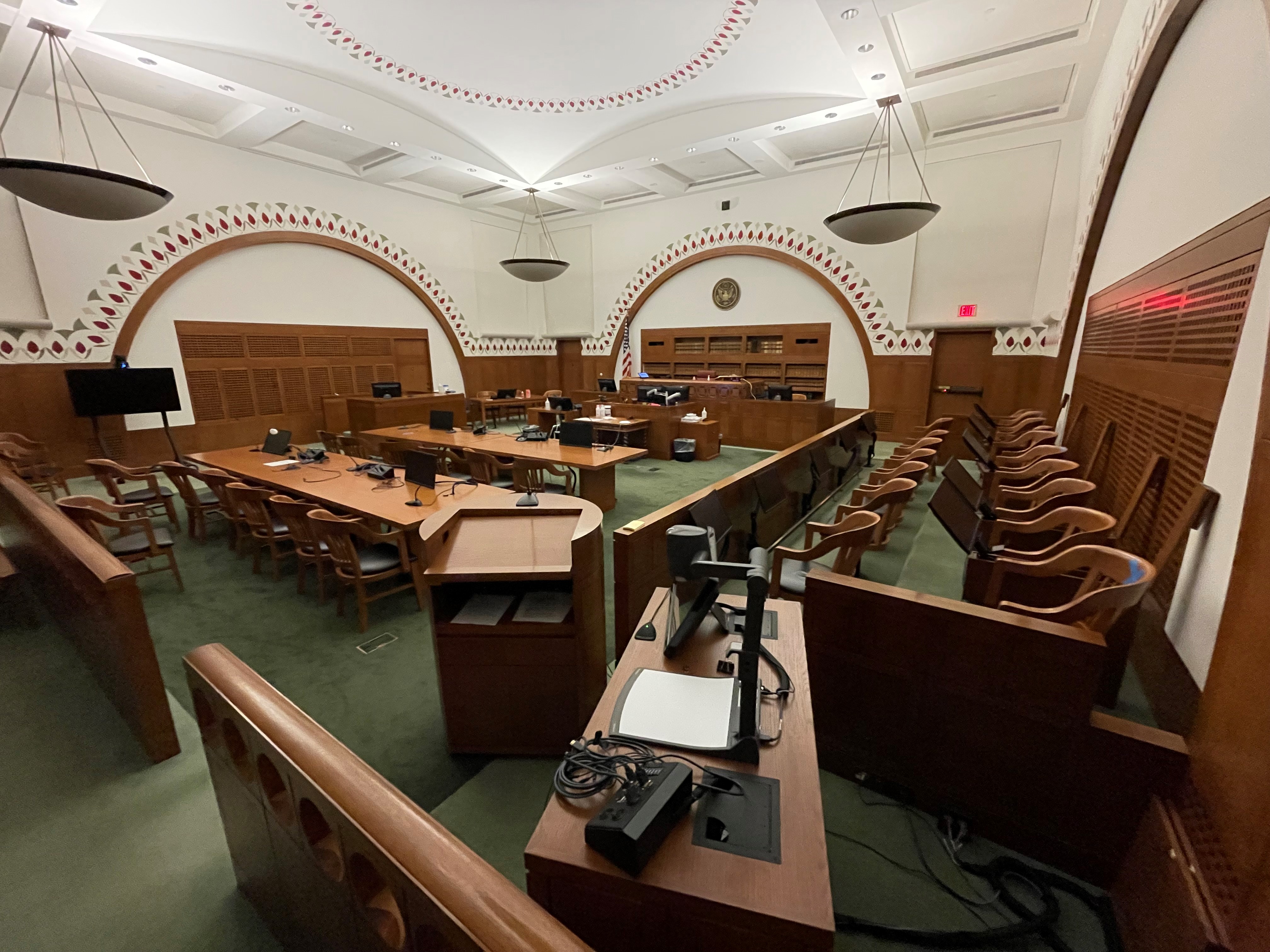
Jurisdiction: how a case gets in
Federal courts are courts of limited jurisdiction. They cannot hear everything. A case must fall within the categories permitted by Article III and actually granted to federal courts by Congress by statute.
Federal question
A case can be filed in federal court when it “arises under” the U.S. Constitution, federal statutes, or treaties. This is called federal question jurisdiction.
Examples include:
- Claims that a federal law was violated (like many civil rights and employment statutes)
- Challenges to government action under the Constitution (speech, due process, equal protection)
- Disputes involving federal agencies and regulations
Diversity
Some cases are in federal court not because they involve federal law, but because the parties are from different states. That is diversity jurisdiction.
To qualify, the case generally needs:
- Complete diversity, meaning the plaintiffs are citizens of different states than the defendants
- An amount in controversy exceeding $75,000, excluding interest and costs
The basic idea is pragmatic: when parties are from different states, federal court is offered as a neutral forum. The law applied might still be state law in many diversity cases. The forum is federal, but the substance often is not.
One useful one-liner to remember here is the Erie principle: in diversity cases, federal courts generally apply state substantive law and federal procedural law.
Other common categories
There are additional paths into federal court, such as:
- Cases involving the United States as a party
- Admiralty and maritime disputes
- Bankruptcy (handled through bankruptcy courts, which are not Article III courts, with appeals that typically go to the district court or a bankruptcy appellate panel in some circuits)
Jurisdiction is the threshold question because it is power. If the court lacks jurisdiction, it cannot decide the merits, even if someone is obviously right.
Removal: moving from state to federal
Sometimes a case starts in state court and ends up in federal court anyway. That is removal.
- Usually only defendants can remove a case from state court to federal court.
- Removal typically depends on federal question or diversity jurisdiction.
- There are timing rules, and there are limits, especially in diversity cases (including a common restriction when a properly joined defendant is a citizen of the state where the case was filed).
The practical point is simple: you do not always control the forum. The jurisdictional category and the parties’ citizenship can decide it for you.
One step up: the courts of appeals
If you lose in a district court, you often have a right to appeal to the next level: the U.S. Court of Appeals for your region. These are commonly called circuit courts because the country is divided into circuits. (There are important exceptions, like some appeal waivers and some limited-review contexts, but the basic flow holds for most final judgments.)
What circuits do
Circuits are not second trials. They review what happened below based on the record.
- They review legal questions, such as whether the judge applied the correct standard or interpreted a statute correctly.
- They do not take new evidence or hear new witnesses in the ordinary course.
- They defer to fact-finding in many situations. In a bench trial, a judge’s fact findings are usually reviewed for “clear error.” Jury findings receive especially high deference.
Most appeals are decided by a panel of three judges. In rare situations, a circuit can rehear a case en banc, meaning by a larger group of the court’s judges, usually reserved for exceptionally important issues or internal conflict.
Why circuits matter
For most Americans, the circuit court is effectively the last stop. The Supreme Court hears only a small fraction of petitions. So the law of your circuit often determines what the federal Constitution and federal statutes mean in your daily life.
That is also why “circuit splits” matter. When different circuits interpret the same federal law differently, the country effectively operates under different rules depending on geography. Those splits are one of the main reasons the Supreme Court steps in.
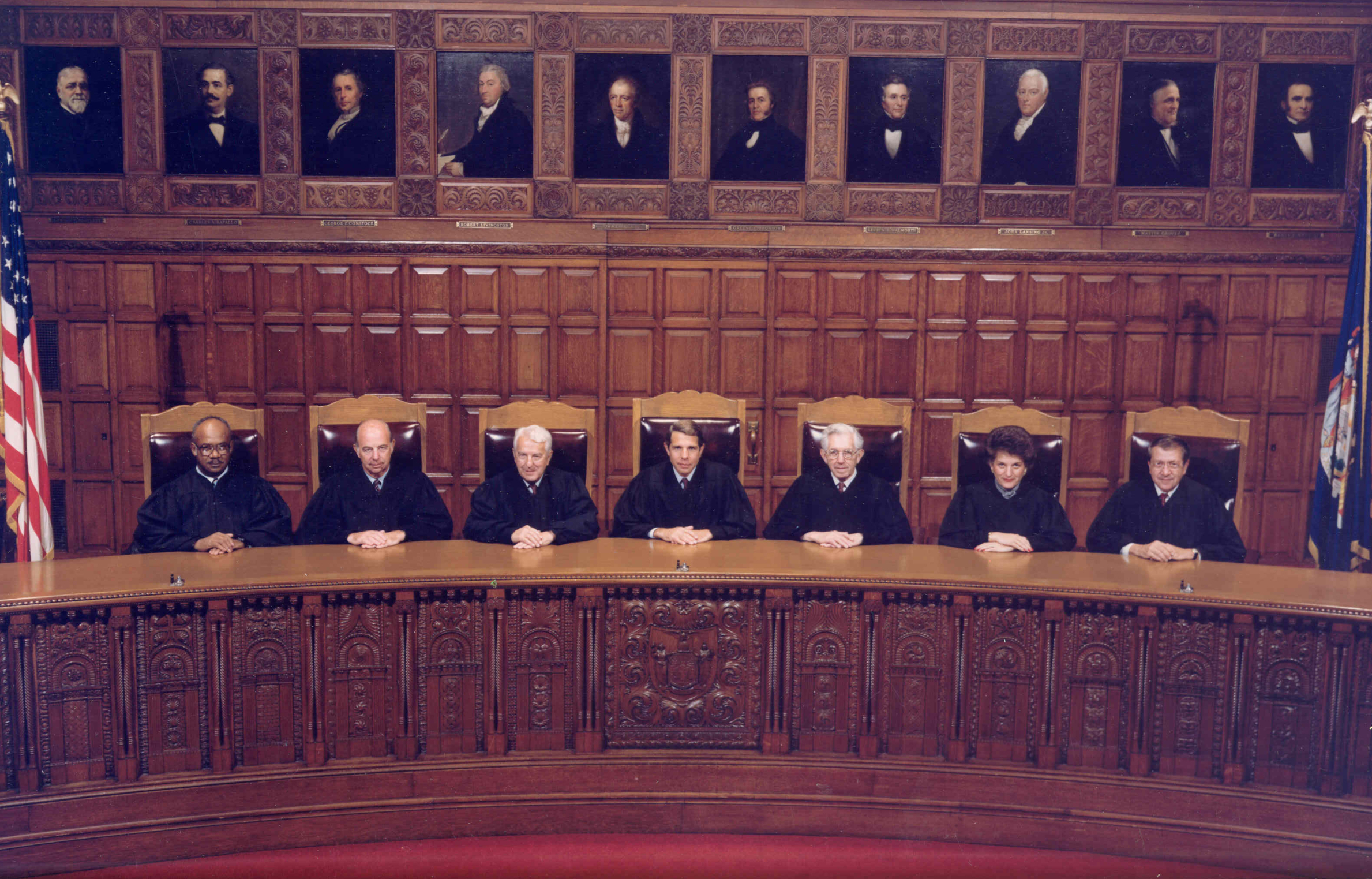
Appeals: the basic flow
At a schematic level, a typical federal case moves like this:
- File in district court (or start there after removal from state court when allowed)
- District court decision (trial verdict, dismissal, or summary judgment)
- Appeal to the circuit court (usually as of right after final judgment)
- Circuit decision (affirm, reverse, vacate, or remand)
- Petition for Supreme Court review (certiorari)
Two concepts make this flow make sense:
- Final judgment rule: you typically appeal after the district court has finished the case, not in the middle of it.
- Standards of review: appellate courts use different levels of deference depending on the issue. Legal questions get close review. Fact findings often get deference.
The result is a system designed for correction, not repetition. The appellate court is checking whether the law was followed, not re-running the entire story.
The Supreme Court: discretionary review
The Supreme Court is at the top, but it is not a general “error correction” court for every case that feels unfair. It is primarily a court that resolves major federal questions, harmonizes conflicting interpretations, and sets national precedent.
Certiorari
Most cases reach the Supreme Court only if the Court agrees to hear them through a process called certiorari. A party files a petition asking the Court to take the case. The justices vote on whether to grant it.
The key point: certiorari is discretionary. The Supreme Court says “no” far more often than it says “yes,” and a denial does not mean the Court agrees with the lower court. It usually means the Court chose not to intervene.
The Rule of Four
Traditionally, it takes four justices to grant certiorari. That is called the Rule of Four. It prevents a bare majority from controlling the docket by requiring some minority interest to take a case too.
What makes a case more likely
- A circuit split on an important federal question
- A major constitutional issue with broad consequences
- A lower court decision that conflicts with Supreme Court precedent
- High national significance, especially involving federal power or individual rights
One real-world factor: when the United States is involved, the Solicitor General often plays an outsized role. The Court pays close attention to the federal government’s views on whether review is warranted.
When the Supreme Court decides a case, it is not just resolving a dispute between two parties. It is writing a rule for the entire federal system.
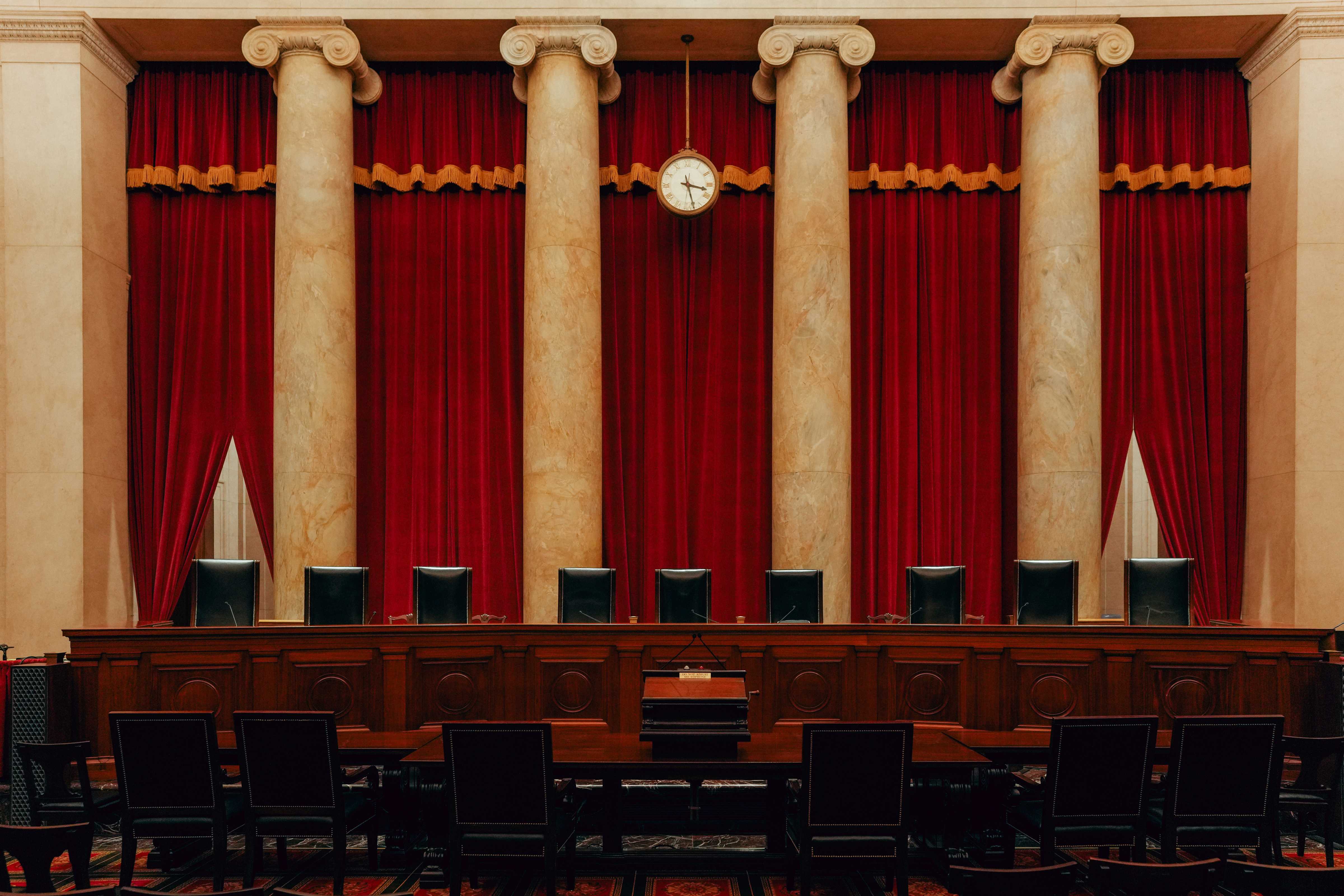
Federal vs. state courts
The United States runs two overlapping court systems: federal and state. They are separate sovereigns in a federal republic.
State courts are not “lower”
State courts handle the vast majority of criminal prosecutions and civil disputes. Contract fights, family law, most property disputes, most traffic crimes, most violent crime prosecutions, and most day-to-day litigation happens in state court. Federal prosecutors bring many important cases, but most criminal cases overall are state cases.
Federal courts do not supervise state courts the way a corporate headquarters supervises a branch office. Each system has its own hierarchy.
When the Supreme Court reviews a state case
The Supreme Court can review state court decisions when the case turns on federal law, such as a federal constitutional claim. If a state supreme court decides a First Amendment question, the U.S. Supreme Court can potentially review it.
The case usually must be a final decision from the highest state court available. And there is a major limit: if the state judgment rests on an adequate and independent state ground, the Supreme Court generally cannot review it, even if a federal issue is also in the mix.
But if the case turns only on state law, the U.S. Supreme Court generally has no role. State supreme courts are typically the final word on state law.
A simple mental model
If you want a simple way to keep the system straight, think in three verbs:
- District courts try cases and build the record.
- Circuit courts review what the district court did for legal error.
- The Supreme Court selects a small number of cases to decide questions that shape the nation.
And underneath every level is the same constitutional tension: federal courts must be powerful enough to enforce federal law, but limited enough to respect the states and the people. Article III sets the foundation. Congress builds the structure. The courts fill it with precedent. And every time you read about a “case headed to the Supreme Court,” you are watching that machinery operate in real time.
Frequently asked questions
Can you choose federal court?
Only if federal jurisdiction exists. You cannot get into federal court simply by calling your complaint “constitutional” or by preferring federal judges. And even when you file in state court, a defendant may be able to remove the case to federal court.
Are federal judges elected?
No. Article III judges are nominated by the President, confirmed by the Senate, and serve during “good Behaviour,” which functions as life tenure absent impeachment.
Is every Supreme Court case constitutional?
No. Many Supreme Court cases are about federal statutes, agency power, procedure, and the boundaries of federal courts themselves.