
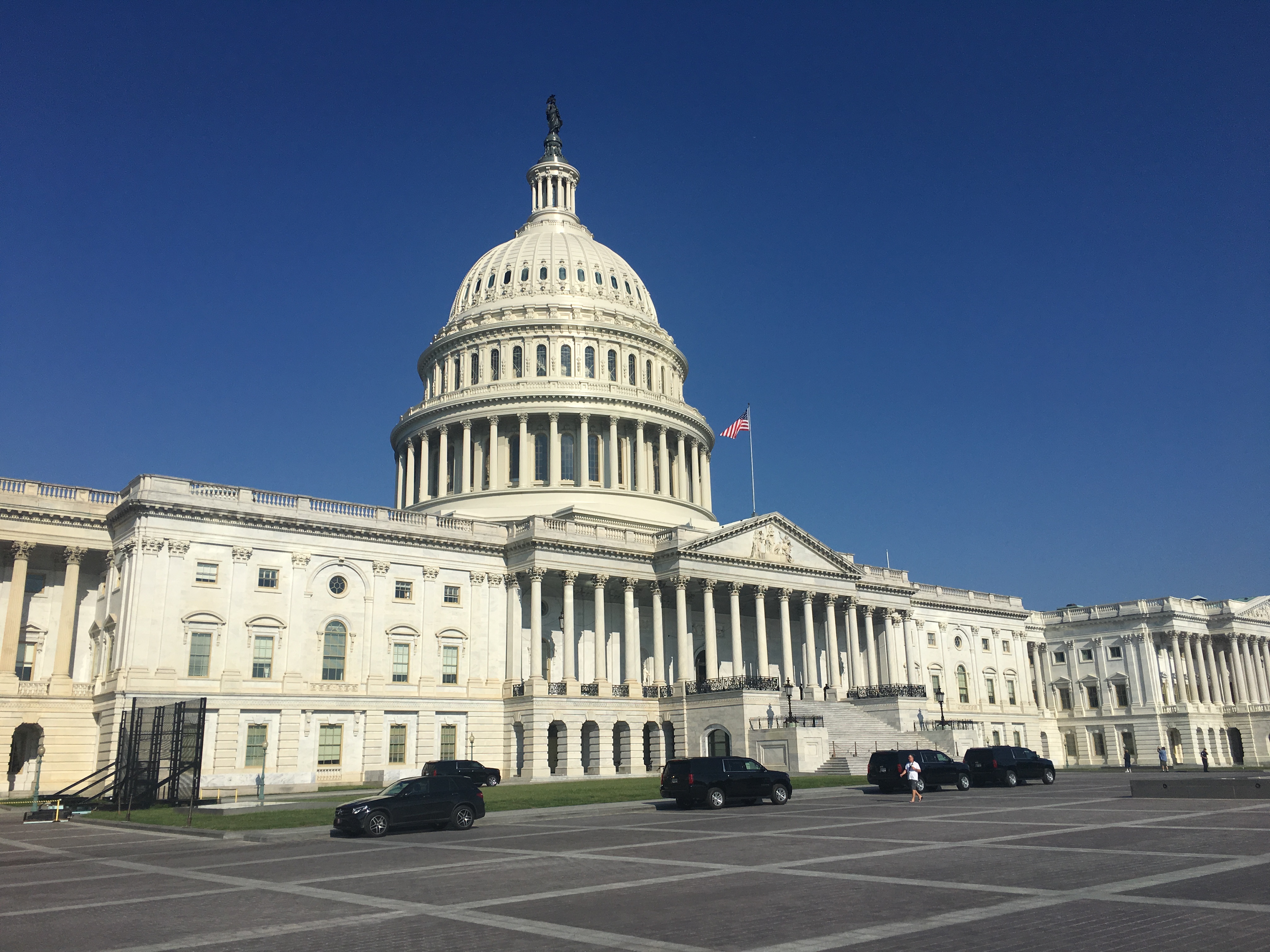
Congress looks like a marble monument on the outside. On the inside, it runs like a busy workplace with calendars, managers, deadlines, and constant negotiations. The Constitution sets the basic structure in Article I, but the day-to-day reality is built from rules, committees, party leadership, and one persistent fact: the House and Senate are separate institutions that must agree on the same text before anything becomes law.
This guide walks through what Congress does on an ordinary week, how a bill actually moves, who calls the shots, and why the process can feel slow on purpose.
Join the Discussion
Congress in one paragraph
Congress is the legislative branch of the federal government. It is bicameral, meaning it has two chambers: the House of Representatives and the Senate. A proposal becomes a law only if the House and Senate both pass the same version of the bill and the President signs it, or Congress overrides a presidential veto with a two-thirds vote in each chamber. Along the way, most of the real work happens in committees and subcommittees, where members hold hearings, negotiate text, and decide whether a bill is even allowed to reach the floor.
- The House: 435 voting members, based on population, elected every two years.
- The Senate: 100 members, two per state, elected for six-year terms.
- The Constitution’s big idea: passing laws should require broad agreement, not a single burst of political energy.
What Congress does all day
“Passing bills” is only one slice of congressional work. A typical week blends public sessions with behind-the-scenes drafting and negotiation.
Core daily work
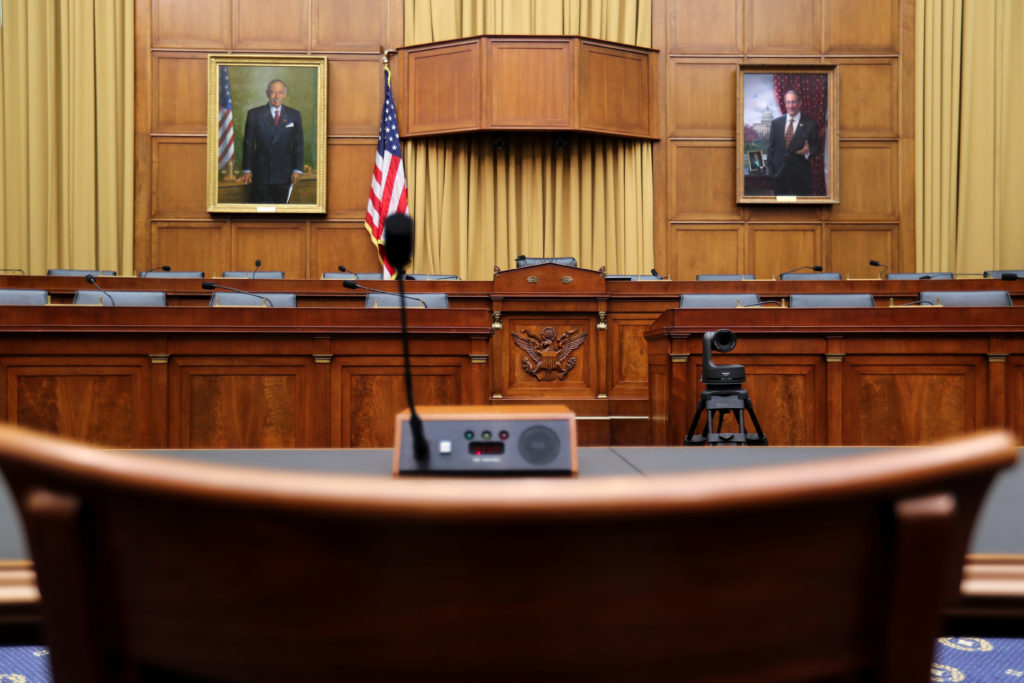
- Committee meetings: members debate, amend, and vote on bills before they can reach the full House or Senate.
- Hearings: committees question witnesses, including agency officials, experts, business leaders, and ordinary citizens.
- Negotiations: members and staff bargain over the exact words that might attract enough votes to pass.
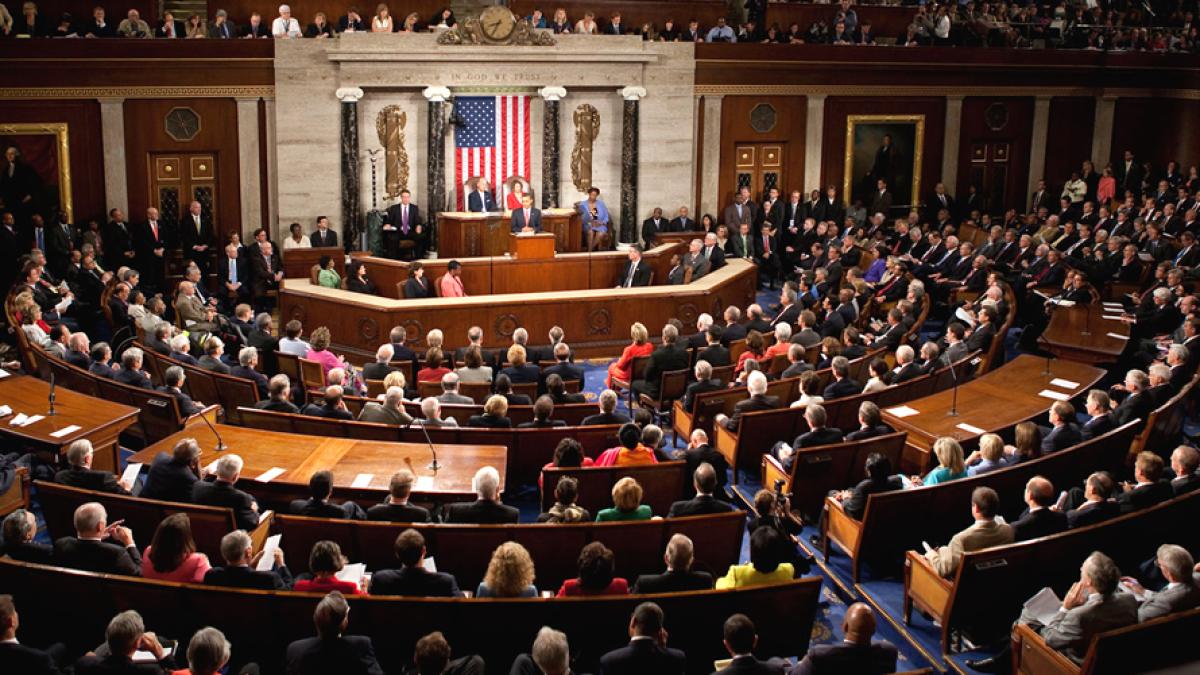
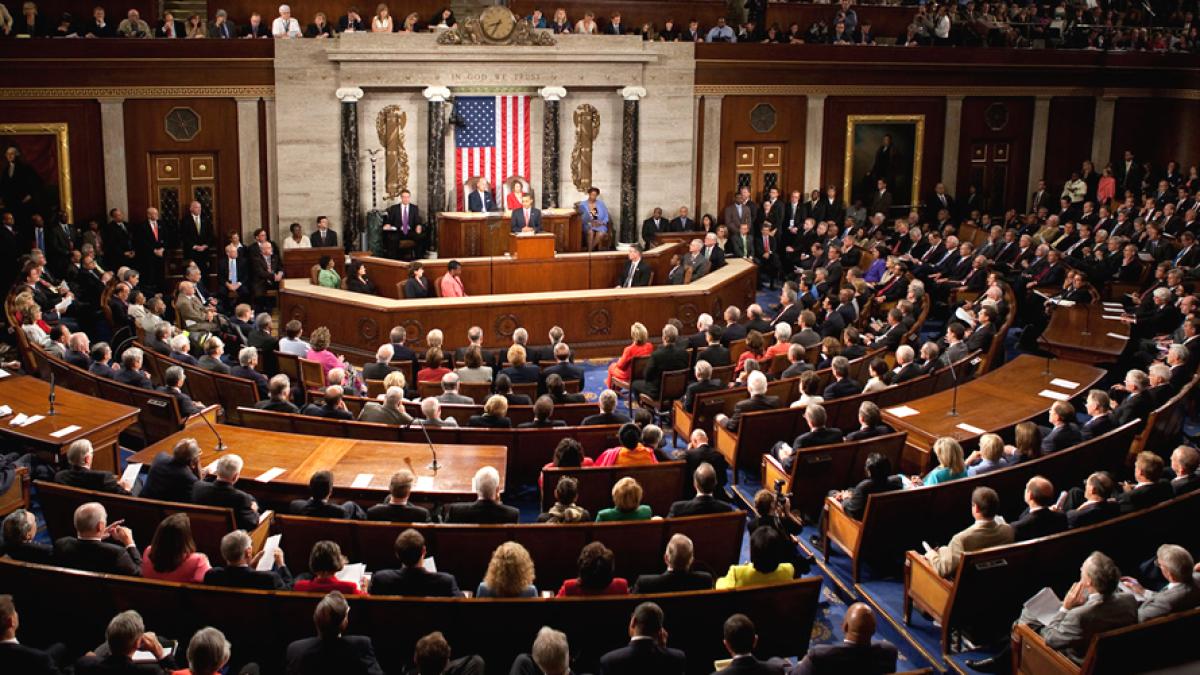
- Floor votes: the chamber meets to debate and vote on bills, amendments, and procedural steps.
- Oversight: Congress monitors the executive branch through hearings, can authorize committees to issue subpoenas, and uses budget pressure.
- Constituent service: helping residents with federal agencies, benefits, immigration paperwork, and emergencies.
It can feel chaotic because it is. Congress is a workplace where 535 elected officials, thousands of staff, and dozens of committees try to turn politics into text that can survive votes, courts, and implementation.
Leadership roles, in plain English
Each chamber has formal leaders and party leaders. Some are in the Constitution, most are created by chamber rules and tradition. The result is a management structure that looks different in the House than it does in the Senate.
House leadership
- Speaker of the House: the presiding officer and top House leader. The Speaker controls the flow of business, recognizes members to speak, and is central to party strategy. The Speaker is next after the Vice President in the presidential line of succession (third overall).
- Majority Leader: schedules legislation and helps assemble votes for the majority party.
- Minority Leader: leads the minority party’s strategy and messaging.
- Whips: vote-counters and enforcers. Whips ask members where they stand, persuade holdouts, and warn leadership when support is soft.
Senate leadership
- Vice President: the Constitution makes the Vice President the President of the Senate, but the VP rarely presides except for ceremonial moments. The VP cannot vote on legislation except to break a tie.
- President pro tempore: a largely ceremonial presiding officer, traditionally the longest-serving senator in the majority party.
- Majority Leader: the Senate’s central scheduler and strategist, with major influence over what comes to the floor.
- Minority Leader: the main strategist for the minority party.
- Whips: the Senate version of vote-counters and negotiators, often crucial in close votes.
The key difference: House leaders can often move business quickly using strict rules. Senate leaders have to manage a chamber designed to protect extended debate and minority leverage.
The life of a bill
Most bills do not become laws. Many never get a hearing. The process is built with multiple choke points where proposals can be revised or quietly buried. Sometimes a bill dies simply because the chair never schedules a markup, or because leadership never puts it on the floor calendar.
Step 1: Someone writes a bill
A member of Congress introduces a bill, often drafted with staff, committees, interest groups, agencies, or outside experts. In the House, revenue bills must originate in the House, but the Senate can still amend those bills extensively once they arrive.
Step 2: Referral to committee
After introduction, the bill is assigned to one or more committees with jurisdiction, like Judiciary, Ways and Means, Armed Services, or Energy and Commerce. Committees are where Congress specializes. No one can become an expert in everything, so the committee system does the heavy lifting.
Step 3: Subcommittee work, hearings, and markup
Often the bill goes first to a subcommittee. Committees may hold hearings to gather information and build a public record. Then comes markup, where members debate the text line by line and vote on amendments. Markup is where a bill can be transformed into something more politically survivable, or more politically fragile.
Step 4: Committee vote and a written report
If the committee approves the bill, it is “reported” to the full chamber. Committees typically issue a report explaining what the bill does and why it is needed. If the committee does not act, the bill usually stalls.
Step 5: House Rules Committee
In the House, the Rules Committee often sets the terms of floor debate: how long members can debate, whether amendments are allowed, and which amendments can be offered. This is one reason the House can run faster than the Senate. It has a traffic controller.
Step 6: Floor debate and amendments
In both chambers, the bill is debated on the floor. Members may offer amendments, depending on the rules in the House or the procedural situation in the Senate.
Step 7: Passage vote
The chamber votes. If the bill passes, it moves to the other chamber and runs a similar gauntlet: committee, possible hearings and markup, floor debate, vote.
Step 8: The House and Senate must match
This is the point many newcomers miss: the House and Senate must pass the same text. If each chamber passes a different version, Congress has to reconcile the difference.
Step 9: Conference committee
A common way to resolve differences is a conference committee, a temporary group of House and Senate members who negotiate a compromise. They produce a conference report, which both chambers must then approve. If either chamber rejects it, the deal can collapse and everyone goes back to bargaining.
Step 10: The President signs or vetoes
- Sign: the bill becomes law.
- Veto: the bill goes back to Congress. Congress can override with a two-thirds vote in the House and a two-thirds vote in the Senate.
- No action: if Congress is in session and the President takes no action for ten days (excluding Sundays), the bill becomes law without a signature. If Congress adjourns and the President does not sign, that is a pocket veto, and the bill does not become law.
Notice the design: to make a law, you usually need agreement across committees, across two chambers, and across branches. That is not inefficiency by accident. It is the system expressing skepticism about sudden power.
Committees matter
Committees are smaller groups that focus on specific policy areas. They hold hearings, demand documents, and write the first serious version of legislation. They also decide, often quietly, what does not move.
Why committees matter so much
- Expertise: members concentrate on topics and build long-term knowledge.
- Gatekeeping: a bill that never gets a hearing rarely becomes law.
- Oversight power: committees can summon officials and shape how agencies behave.
Committees are also where bipartisan cooperation sometimes survives, because members who share a policy focus may bargain more pragmatically than party leaders do on the floor.
Schedules and sessions
Congress does not meet every day of the year. Members split time between Washington, DC and their home states or districts. The rhythm can feel strange if you expect a standard Monday-to-Friday job.
Terms you will see
- Congress: a two-year period, numbered (for example, the 118th Congress). Every election for the full House starts a new Congress.
- Session: each Congress has two sessions, roughly corresponding to each year.
- Recess: time when members are not meeting in DC. They may be back home meeting constituents, visiting local businesses, or doing district work.
- Adjournment: ending a day’s meeting or ending a session.
A common modern pattern is that the House and Senate do committee work early in the week, take major votes midweek, and travel back home near the end of the week. That varies with crises, deadlines, and political strategy.
Filibuster and cloture
If you have ever wondered why the Senate seems slower, here is the core reason: the Senate is built around the idea of extended debate. The Constitution does not mention the filibuster, but Senate rules allow debate to continue unless the Senate votes to end it.
Filibuster, in plain English
A filibuster is an effort to delay or block a vote by extending debate or by signaling that debate will not end. Today it often operates as a practical threshold: many major bills need 60 votes to move forward because ending debate typically requires 60 votes, even though final passage only requires a simple majority in most cases.
Cloture
Cloture is the procedure to end debate and move toward a vote. For most legislation, invoking cloture requires three-fifths of the full Senate, which is 60 votes if there are no vacancies. If cloture is invoked, debate time becomes limited and the Senate can proceed to a final vote.
Key exceptions
- Budget reconciliation: a special process tied to the federal budget that allows certain tax and spending bills to pass the Senate with a simple majority and limited debate, meaning they cannot be blocked by a filibuster in the usual way.
- Different vote thresholds exist: treaties, constitutional amendments, and veto overrides have their own requirements.
The filibuster is controversial because it can force compromise, but it can also create gridlock. Either way, it is a reminder that the Senate is meant to be deliberative, sometimes painfully so.
How to follow a bill
If you want to track legislation as a normal person with a normal amount of free time, focus on the milestones that actually change the odds of passage.
- Has it been referred to committee? That tells you who controls its first gate.
- Has there been a hearing or markup? That is a sign the committee is taking it seriously.
- Has it been reported out of committee? Many bills never reach this stage.
- Is it scheduled for floor action? Scheduling is power.
- Did the other chamber pass the same text? If not, watch for conference negotiations or an exchange of amendments.
- Did the President sign, veto, or do nothing? That is the finish line.
Why it is complicated
The Constitution’s framers were not trying to build a fast lawmaking machine. They were trying to build a stable republic. Article I divides power between two chambers elected differently, then forces Congress to share lawmaking with the President. Layer onto that the committee system and Senate debate rules, and you get a structure where momentum is never enough by itself. A proposal has to survive scrutiny, bargaining, delay, and multiple elections worth of political pressure.
That can be frustrating when a problem feels urgent. But it also means a temporary majority has trouble turning a single election into permanent control. The same maze that slows progress can also slow mistakes.
Quick glossary
- Bill: a proposed law.
- Committee: a group of members focused on a policy area that reviews and shapes bills.
- Markup: a committee meeting where members debate and amend a bill.
- Reported: a bill approved by a committee and sent to the full chamber.
- Conference committee: House and Senate negotiators who reconcile different versions.
- Cloture: the Senate procedure to end debate and move toward a vote.
- Budget reconciliation: a budget-linked process that speeds consideration in the Senate and allows passage by simple majority for certain fiscal bills.
- Veto override: Congress can enact a vetoed bill with two-thirds votes in both chambers.
The one thing to remember
Congress is not a single body. It is two chambers with different rules, different incentives, and different pressure points. If a bill feels like it is bouncing from room to room, that is because it is. The Constitution’s legislative process is a test of durability. If an idea cannot survive committees, public debate, two separate votes, and a president’s decision, the system treats it as not ready to become binding law for more than 330 million people.