
The President can stop a bill with a veto. But the Constitution does not treat that veto like a royal command. It treats it like a speed bump, one that becomes a wall unless Congress can prove something important: that the bill has overwhelming support even after the President has objected.
That is why the standard is so high. Overriding a veto requires two-thirds of the members present in each chamber, not a simple majority, and not two-thirds of the entire membership.
Join the Discussion
The constitutional rule
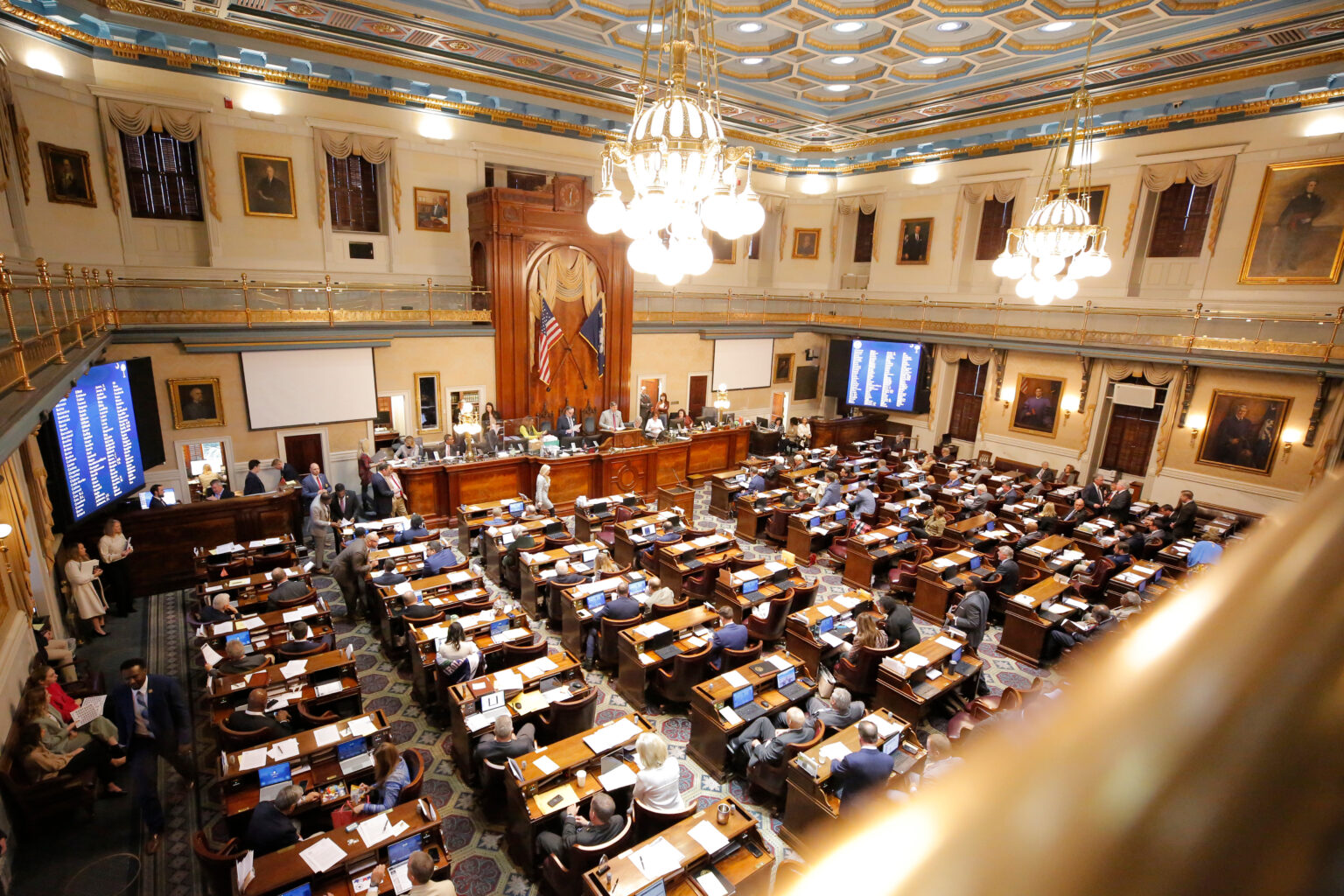
The veto override power comes from Article I, Section 7. The Constitution sets up a sequence: Congress passes a bill, the President responds, and if the President vetoes, Congress gets a second chance under a supermajority rule.
Here is the key language (paraphrased): if the President returns a bill with objections, the originating chamber must reconsider it, and if two-thirds agree to pass it again, it goes to the other chamber, which must also repass it by two-thirds. If both chambers hit that threshold, the bill becomes law anyway.
- Requirement: Two-thirds vote in the House and two-thirds vote in the Senate
- Two-thirds of what: Two-thirds of those present (assuming a quorum), not two-thirds of all members
- Public record: The vote must be by yeas and nays and entered in each chamber’s journal
- Effect: The bill becomes law over the President’s veto
Step by step
1) Congress passes a bill
A bill must pass the House and Senate in identical form. Then it is presented to the President.
2) The President responds
From there, the Constitution gives the President three basic pathways:
- Sign it: The bill becomes law.
- Return it with objections (a regular veto): The bill goes back to the chamber where it originated, triggering the override process described below.
- Take no action: If Congress remains in session, the bill becomes law after 10 days (excluding Sundays) without a signature. If Congress adjourns in a way that prevents return, the result can be a pocket veto (explained later).
3) A regular veto is returned with objections
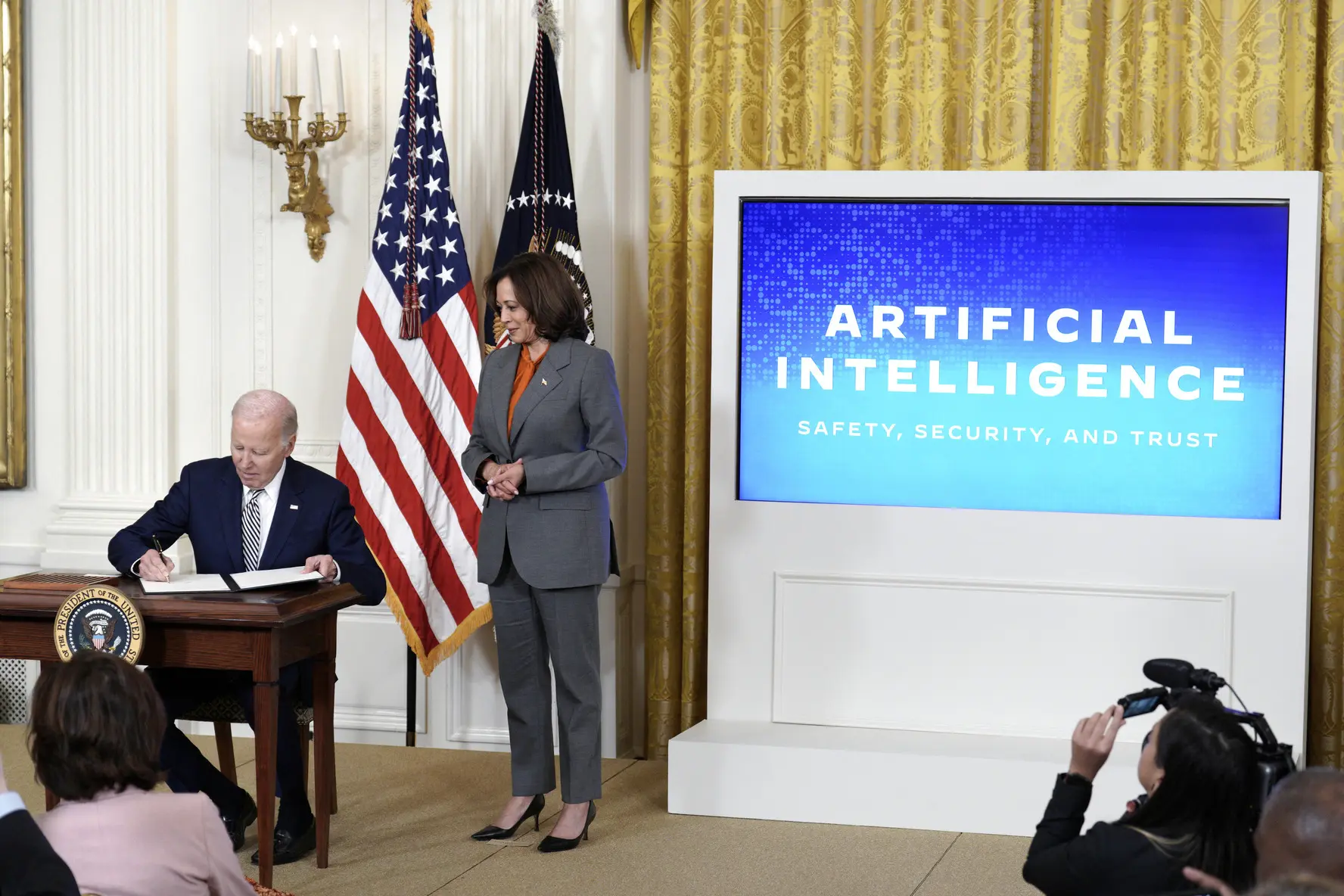
A veto is not just “no.” Constitutionally, it is the President returning the bill to Congress with objections. That return matters because it triggers the override process.
In practice, the veto message is delivered back to the chamber where the bill originated and entered into the official record.
4) The originating chamber reconsiders first
Article I, Section 7 sends the bill back to where it started. If the House originated the bill, the House votes first. If the Senate originated it, the Senate votes first.
This is not a fresh, open-ended rewrite. The override vote is about whether to pass the same bill again, despite the veto.
One important procedural point: a chamber can only act if a quorum is present. Without a quorum, there is no valid override vote to take.
5) Two-thirds is calculated from those present
The threshold is two-thirds of the members present, assuming a quorum is present. This detail is one of the most misunderstood parts of the process.
- If 435 House seats exist but 420 members are present, the two-thirds threshold is calculated from 420, not from 435.
- If 100 Senate seats exist but 96 senators are present, the two-thirds threshold is calculated from 96, not from 100.
Also note the practical nuance: “present” is about who is in the chamber, not just who votes yes or no. Members can be present and vote “present” or abstain, and since the denominator is those present, attendance itself can change the math.
6) Both chambers must reach the threshold
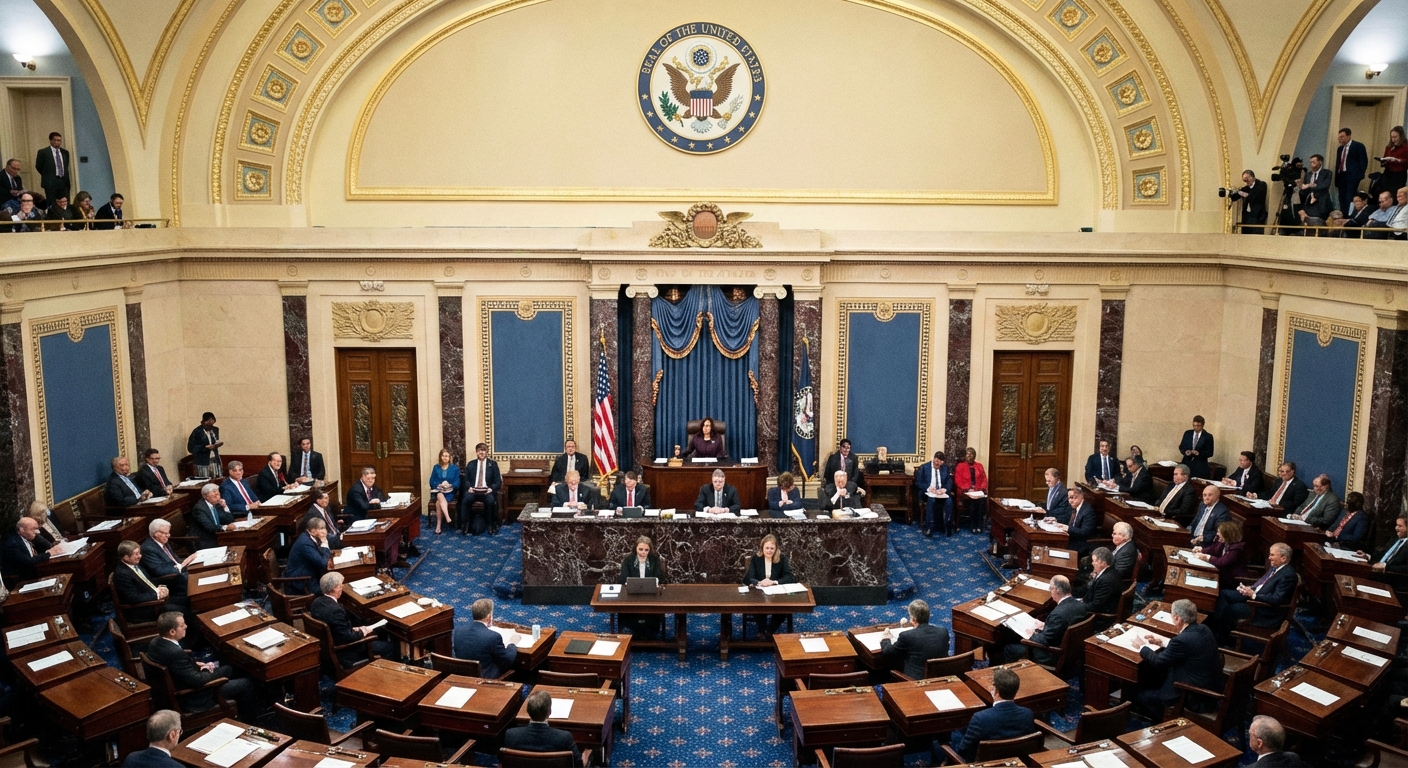
If the originating chamber reaches two-thirds, the bill moves to the other chamber for reconsideration. The second chamber must also reach two-thirds of those present. One chamber cannot override alone.
If both chambers succeed, the veto is overridden and the bill becomes law without the President’s signature.
Two-thirds: common mistakes
Misconception 1: “A simple majority can override a veto”
No. A veto is one of the Constitution’s built-in advantages for the executive branch, and the override rule is designed to be hard. A bill that squeaks through Congress with thin margins is usually dead once vetoed.
Misconception 2: “It takes two-thirds of the entire House and Senate”
Not exactly. The Constitution uses the standard of two-thirds of those present in each chamber, assuming a quorum is present. That means absences and “present” votes can change the denominator.
This is also why you will sometimes see intense pressure campaigns around attendance for major votes. Being absent is not neutral. It changes the math.
Misconception 3: “If Congress has two-thirds in one chamber, the veto is basically meaningless”
Also no. The override requires two separate supermajorities, often under different political incentives and different electoral pressures. In modern politics, assembling two-thirds in both chambers is rare, and presidents know that.
Misconception 4: “The President can veto parts of a bill”
At the federal level, the President generally must accept or reject a bill as a whole. The Constitution does not give the President a general line-item veto for ordinary legislation. If the President objects to specific provisions, the formal tool is still a veto of the entire bill, with objections sent back to Congress.
Pocket veto
The override process depends on the bill being returned to Congress with objections. A pocket veto happens when the President does not sign a bill and Congress adjourns in a way that prevents return.
In that situation, there is generally no veto message delivered back to Congress, which means there is no override vote to hold. The bill simply fails.
What counts as an adjournment that “prevents return” has been disputed in practice and in litigation, especially around certain intra-session adjournments and whether Congress has arranged for agents to receive messages.
Why it is hard
The veto override threshold is a constitutional design choice, not a procedural trick. It reflects the Framers’ preference for legislation that can survive cross-branch disagreement only when it has unusually broad support.
It also forces a second look. A veto means the President has articulated objections. An override means Congress has heard them and still insists, with a supermajority, that the bill should become law.
Does reconciliation change this?
No. Budget reconciliation is a Senate process that can limit debate and bypass the filibuster for certain budget-related bills. It can change how easily a bill passes the Senate in the first place.
But reconciliation does not rewrite Article I, Section 7. If a reconciliation bill is vetoed, an override still requires two-thirds in the House and two-thirds in the Senate (measured by members present, assuming a quorum). Overrides are not about debate time or Senate procedure. They are about the Constitution’s supermajority requirement after a veto.
Quick checklist
- Bill passes Congress
- President signs, vetoes, or takes no action
- If vetoed and returned with objections, originating chamber reconsiders first
- Quorum must be present to act
- Two-thirds of those present must vote yes, by yeas and nays
- Second chamber reconsiders
- Two-thirds of those present must vote yes, by yeas and nays
- Bill becomes law over the veto
The veto is a constitutional checkpoint. The override is Congress proving it can clear that checkpoint with overwhelming consensus.