
Bail is supposed to answer a deceptively simple question: while a criminal case is pending, does the government have to keep you in jail to make sure you show up to court and keep the community safe?
Most people think bail is the price of freedom. Legally, it is closer to a promise backed by money and conditions. You are released now, and in return you agree to appear later. If the system trusts you, you might pay nothing. If it does not, you might pay a lot. If the court thinks no amount of money or conditions will work, you might not be released at all.
That tension is baked into the Constitution. The Eighth Amendment bars “excessive bail,” but it does not guarantee bail in every case. And the practical reality is that bail decisions happen fast, often at the worst moment of someone’s life, with consequences that can reshape the rest of it.
Join the Discussion
From arrest to the first court appearance
1) Arrest and booking
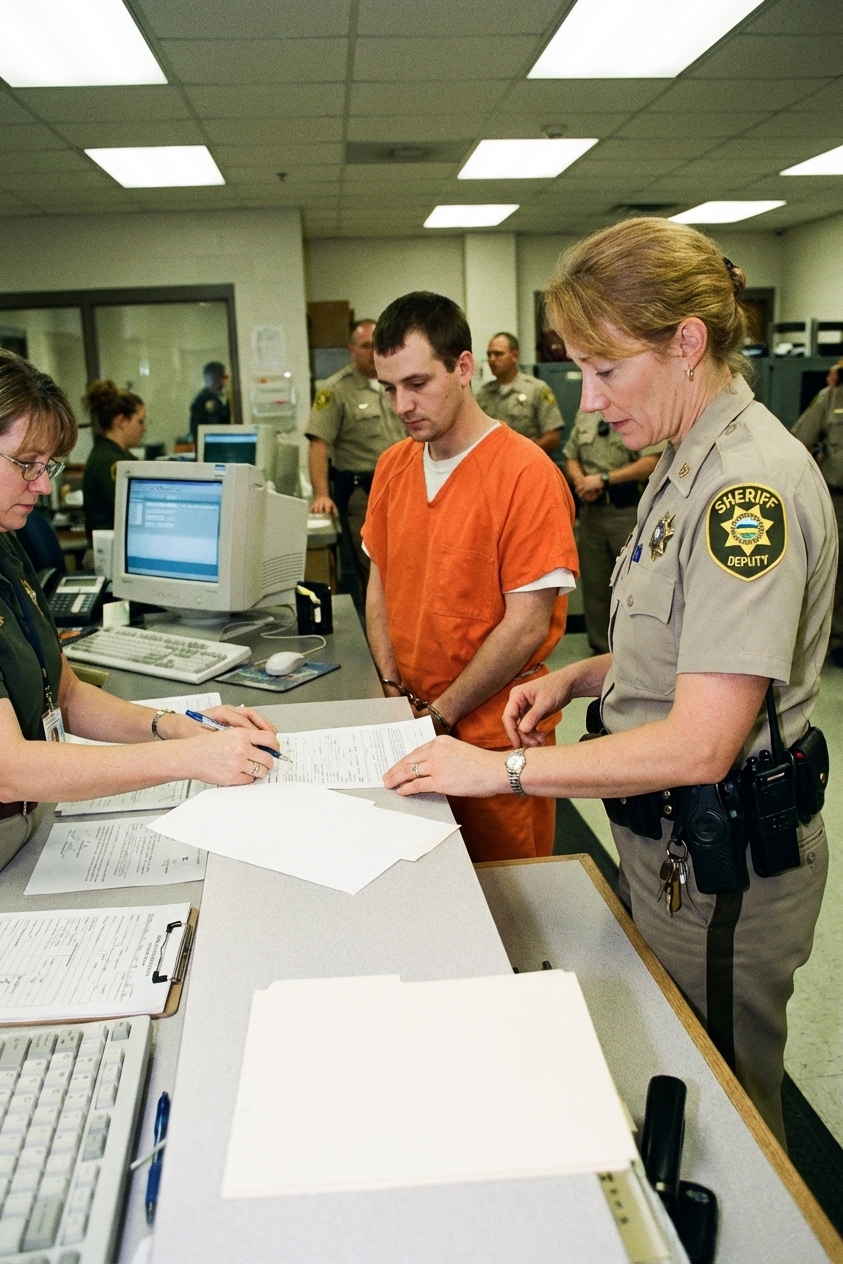
After an arrest, most people are taken to a local jail for booking. This is where police record identifying information, take fingerprints and photographs, run a background check, and inventory property. In some jurisdictions, low-level offenses may be handled through citation and release, meaning the person is given a court date and never booked into a jail cell.
Some misdemeanors and local ordinance cases can also result in release without a full bail hearing, especially where a person can be booked and released with a notice to appear. Practices vary widely.
2) The initial decision: release, hold, or set bail
The first bail decision can happen in different ways depending on the state, the court, and the charge:
- Automatic or scheduled bail: Some places use a bail schedule that suggests a dollar amount based on the charge, at least as a starting point.
- Judge review: Many jurisdictions require a judge or magistrate to review release conditions quickly, often within a day or two, depending on local rules and whether weekends or holidays intervene.
- Temporary hold: Some situations can trigger a hold until a court appearance or further review, such as certain warrant situations, probation or parole issues, or cases where a court must make additional findings before setting conditions. Whether bail is available and how quickly it can be set is highly jurisdiction-specific.
That first appearance may be called an initial appearance, arraignment, or first appearance hearing. The name varies, but the purpose is similar: confirm the charges, advise the defendant of their rights, and decide whether release is appropriate and under what terms.
What judges consider when setting bail
In theory, bail is not punishment. The case has not been proven. Bail is supposed to be a tool to manage risk. In practice, judges often weigh several factors at once, including:
- Flight risk: Is the person likely to miss court dates?
- Public safety: Is there a credible risk of harm to others if the person is released, where the law allows safety-based detention or conditions?
- Nature of the charge: Violent or weapons-related accusations typically lead to stricter conditions.
- Prior record: Past convictions or past failures to appear can increase bail.
- Community ties: Stable housing, employment, family responsibilities, and local roots can matter.
- Ability to pay: Some states require judges to consider whether a bail amount would function as detention for a poor defendant.
Many jurisdictions also use risk assessment tools that generate a score based on data that may include factors such as criminal history, prior court appearance patterns, and sometimes age or other demographic proxies, depending on the tool. Supporters say they reduce arbitrary decisions. Critics argue they can bake historical bias into a number that looks neutral.
The bail hearing: what happens in the room
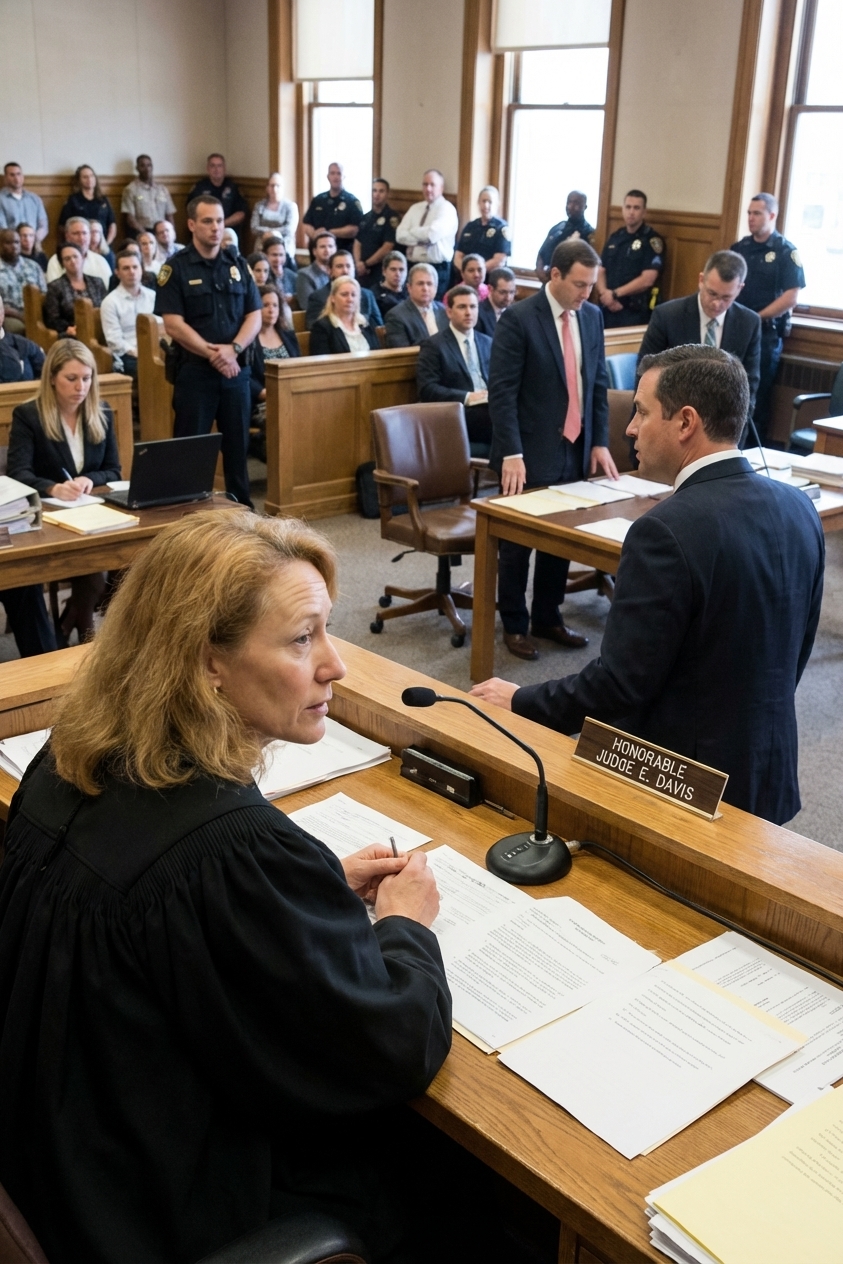
A bail hearing is usually short. Sometimes it is just minutes. The judge may have a list of cases to get through, and the defendant might have met their lawyer only briefly, if at all.
Typical pieces of information that come up include:
- Prosecutor’s request: The state may ask for a specific bail amount, stricter conditions, or detention.
- Defense request: The defense may ask for release on recognizance, a lower amount, or non-monetary conditions.
- Pretrial services input: In places with a pretrial services agency, the judge may receive a recommendation and verification of employment or residence.
- Victim safety concerns: Courts may consider protective orders and no-contact conditions.
The judge then chooses among a menu of options: release without money, release with conditions, release only if money is posted, or detention in cases where bail is denied or not authorized.
The main types of release
People often use the words bail and bond interchangeably, but they are not quite the same. Bail is the release decision and the conditions the court sets. A bond is one way to satisfy a bail requirement, usually through a written promise backed by money or a surety.
Release on own recognizance (ROR)
Own recognizance means you are released based on your promise to return to court. No bail money is required. Courts often use ROR for low-level offenses, defendants with strong community ties, and people with minimal criminal history.
Unsecured bond
An unsecured bond is a promise to pay a set amount only if you fail to appear or violate release conditions. You do not pay up front. It is less common than cash bail in some states, but it is an important alternative model.
Cash bail
Cash bail means you pay the full bail amount to the court to secure release. If you make your court appearances and comply with conditions, the money is often returned at the end of the case, but local rules can allow administrative fees or applying some or all of the funds to court costs, fines, fees, or restitution.
Cash bail is often misunderstood. It is not a fine. It is a deposit. But it becomes functionally punitive when the deposit is more than someone can possibly pay.
Surety bond (bail bond)
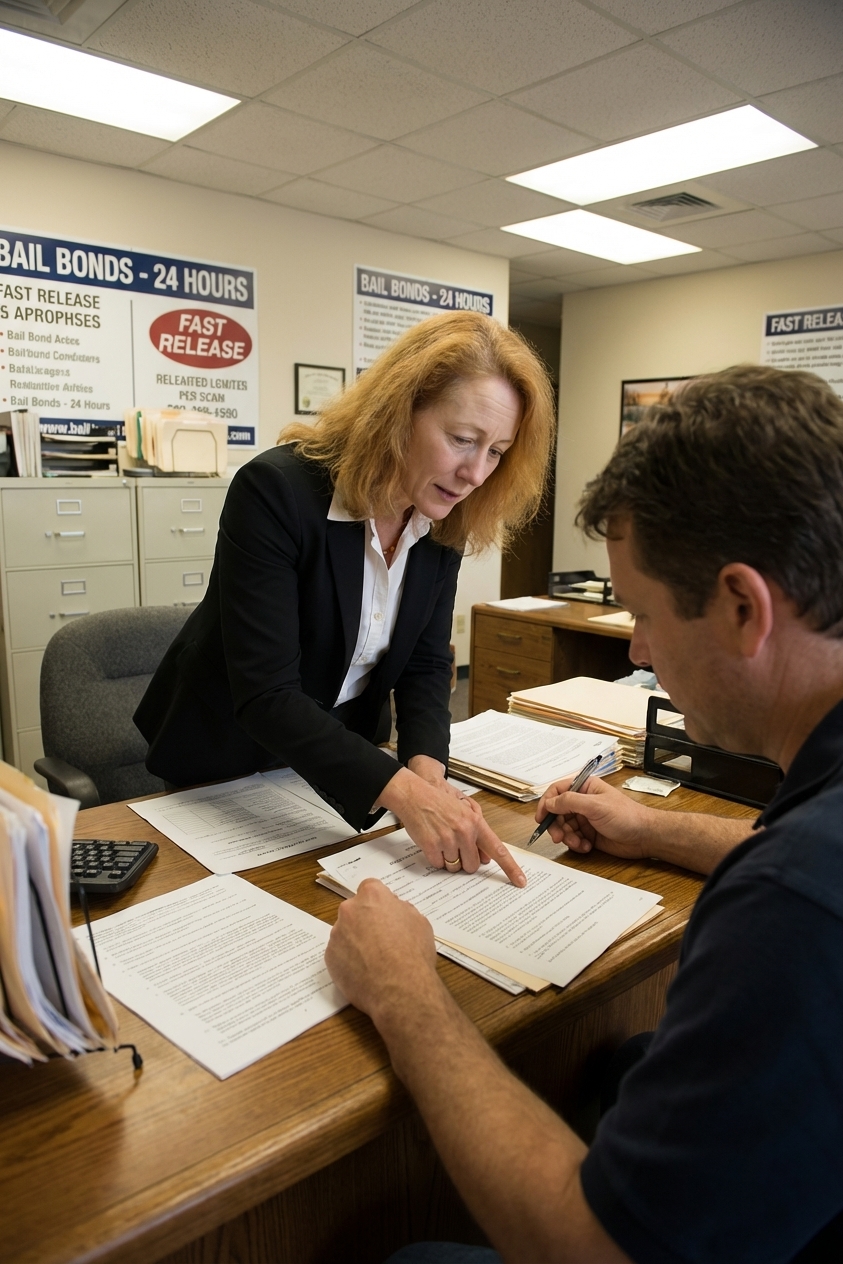
A surety bond, often called a bail bond, involves a private bail bond company. Instead of paying the court the full amount, the defendant (or the defendant’s family) pays the bondsman a nonrefundable fee, often 10 percent or another state-set percentage, depending on local law.
The bondsman then promises the court they will pay the full bail if the defendant fails to appear. In practice, bondsmen often require collateral such as a car title, jewelry, or a lien on a home.
The bail bond industry
The bail bond industry exists because cash bail creates a market: people need money immediately, and many do not have it. Bondsmen provide access to release, but at a price.
Key features of the system:
- The fee is usually nonrefundable, even if charges are dropped or the case ends quickly.
- Collateral shifts risk to families. A defendant might be the one arrested, but relatives may be the ones pledging property.
- Bail recovery exists in some states. If a defendant fails to appear, bondsmen may hire bail recovery agents (sometimes called bounty hunters) to locate and return them, subject to state law and uneven regulation.
Supporters argue that bondsmen help ensure defendants return to court and reduce taxpayer costs. Critics argue the industry profits from poverty and turns pretrial freedom into a fee-based product.
Conditions of release: bail is not just money
Even when bail is set, courts often impose conditions. These are rules that apply while the case is pending. Violating them can lead to arrest, a new charge, or revocation of release.
Common conditions include:
- No-contact orders with alleged victims or witnesses
- Stay-away zones (for example, a specific address, workplace, or school)
- Travel restrictions and passport surrender
- Drug and alcohol testing
- Firearm surrender in domestic violence or threats cases
- Check-ins with pretrial services
- Electronic monitoring such as an ankle bracelet
These conditions raise a constitutional and practical question of their own. If someone is legally presumed innocent, how restrictive can pretrial release become before it starts looking like punishment?
What happens if you cannot afford bail
This is where “bail” stops being a courtroom concept and becomes a life event.
1) You stay in jail until the case moves
If you cannot pay, you may remain detained until a later hearing, a plea deal, trial, or dismissal. Even a few days in jail can mean lost jobs, lost housing, missed childcare, and pressure to resolve a case quickly.
2) You can ask the judge to reconsider
Defendants can often request a bail review or bond reduction hearing. The defense may argue that:
- the amount is excessive in light of the alleged conduct,
- the defendant is not a flight risk,
- non-monetary conditions would be enough,
- ability to pay must be considered under state law.
3) Pretrial services or supervised release may be available
Some counties have programs that support release through reminders, supervision, and check-ins rather than money. Availability varies dramatically by state and even by county.
4) A bail bond may still be out of reach
People assume a bondsman solves affordability. But if you cannot pay a percentage fee, or you have no collateral, a bond may be effectively unavailable. And because the fee is typically nonrefundable, a bond can transfer financial harm from the court system to a private contract.
What happens if you miss court or violate conditions?
Failing to appear is one of the fastest ways a manageable case becomes a much bigger one.
- A warrant can be issued for your arrest.
- Bail can be revoked, increased, or replaced with stricter conditions.
- Bond forfeiture may occur, meaning the court keeps the posted money and can pursue the full amount under local procedures.
- New charges may be filed for failure to appear in some jurisdictions.
It is also important to know that “missing court” is not always a deliberate choice. People miss dates because they never received notice, cannot leave work, cannot find childcare, or cannot get transportation. Modern reform efforts often focus on simple solutions like text reminders because many failures to appear are logistical, not criminal.
The constitutional backdrop
The Constitution is frequently invoked in bail debates, but it sets a floor, not a full blueprint.
Eighth Amendment: no “excessive bail”
The Eighth Amendment prohibits excessive bail. That sounds like a guarantee of fairness, but it leaves the hard question unanswered: excessive compared to what?
Many courts evaluate excessiveness against the government’s legitimate pretrial goals. Traditionally, that meant ensuring the person returns to court. In many systems, and in federal law, public safety can also be a recognized pretrial goal where statutes authorize detention or safety-based conditions. Because risk is not a number you can measure precisely, “excessive” often depends on local practice and judicial discretion.
Fourteenth Amendment: due process and equal protection
Modern bail litigation often relies on due process and equal protection arguments: detaining a person solely because they are poor can create a two-tier system of freedom. Some courts have required individualized hearings and meaningful consideration of ability to pay. Exact rules vary by jurisdiction, and the law is evolving.
No universal right to bail
Even with the Eighth Amendment, bail is not guaranteed in every case. Many systems allow denial of bail for certain serious charges or when the court finds that no conditions can reasonably manage risk. One well-known example is the federal preventive detention framework under the Bail Reform Act, which allows detention in limited circumstances after a hearing and specific findings.

The bail reform debate
Bail reform is one of the most active criminal justice battlegrounds in the United States because it forces a country to choose what it values when those values conflict: liberty, safety, equality, and efficient courts.
Arguments for reform
- Wealth-based detention: Two people charged with the same crime can face totally different outcomes based only on cash on hand.
- Case pressure: Pretrial detention can pressure people to plead guilty just to go home, even when defenses exist.
- Public cost: Jails are expensive, and holding low-risk defendants can drain county budgets.
Arguments for keeping or tightening money bail
- Accountability: Some argue money provides a tangible incentive to return to court.
- Safety concerns: Critics of reform point to cases where released defendants commit new crimes.
- System capacity: Replacing money bail with supervision requires staffing, infrastructure, and reliable pretrial services.
Some states and localities have moved toward limiting cash bail for many nonviolent charges, expanding pretrial supervision, or requiring stronger findings before setting unaffordable amounts. Others have shifted back, increasing detention options or expanding when judges can hold defendants without bail. This policy tug-of-war is why bail looks so different from one state line to the next.
What happens to bail money at the end?
This part surprises people, and it is another area where local rules matter.
- If you complied: Cash bail is often exonerated and returned, but refunds can take time, and courts may deduct administrative costs or apply funds to fees, costs, fines, or restitution where allowed.
- If you did not comply: The court may declare the bond forfeited. Some jurisdictions allow a window to “set aside” forfeiture if the person appears later or there was a good reason for missing court. Others are stricter.
If a bail bond company was used, the bondsman’s fee is typically nonrefundable even when the case ends normally, because it is payment for the bond service, not a deposit held by the court.
What to do if you or a loved one is facing bail
- Get the exact charges and case number, then confirm the next court date and courtroom.
- Ask about a bond review if the amount is unaffordable. Timing matters, and procedures vary by jurisdiction.
- Gather stability proof: documents showing employment, housing, school enrollment, treatment enrollment, or caregiving responsibilities can support release.
- Understand every condition before leaving custody, especially no-contact and stay-away terms. Violations can be immediate and severe.
- Be cautious with bail bond contracts: ask about fees, collateral, co-signer liability, and what happens if court dates change.
This article is general information, not legal advice. If you are dealing with an active case, a local criminal defense attorney or public defender can explain the rules that actually apply in your county.
The bottom line
Bail is the hinge between arrest and the rest of the criminal process. It can be a brief administrative step, or it can become the defining punishment before any verdict exists.
That is why bail reform debates are so heated. They are not just about procedure. They are about whether pretrial freedom is something you earn through money, or something the government must justify taking away.