Records release contains wide array of files, including flight logs, court filings and surveillance footage
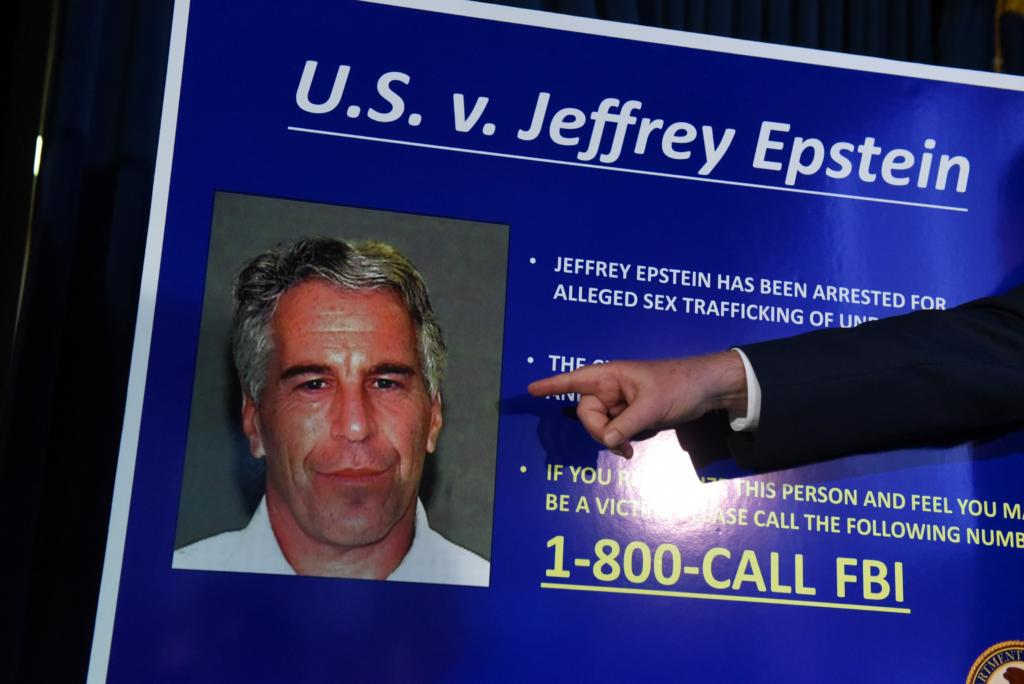
Tens of thousands of pages of long-awaited government files on the Jeffrey Epstein case have just been released to the public by the House Oversight Committee. It is a moment that promises explosive revelations and a new era of transparency. But according to members of the committee themselves, almost none of it is new.
This is not a story about a document release. It is a story about the weaponization of the process of congressional oversight. It is a cynical political game, a battle for control within Congress itself, and a profound test of whether our government is capable of genuine transparency or merely the illusion of it.
A Deluge of Documents, A Drought of Revelations
On Tuesday night, House Oversight Chairman James Comer announced the release of nearly 34,000 pages of documents received from the Department of Justice in response to a bipartisan committee subpoena. He hailed the release as proof that his investigation is “getting results.”
However, Democratic members of the committee immediately threw cold water on the announcement. They claim that an initial review shows that as much as 97% of the material is already in the public domain, consisting of old court filings and previously released information. This is the central conflict: a massive document dump that creates the appearance of transparency while providing little new substance.
The Constitutional Power of Oversight
To understand this drama, one must first understand the immense and vital power of congressional oversight. Rooted in Article I of the Constitution, the power of Congress to investigate the executive branch and compel the production of documents via subpoena is one of its most important checks on presidential power.

The subpoena that forced the DOJ to turn over these documents was a legitimate and powerful exercise of this authority, made possible by a rare bipartisan vote on the committee. It was a necessary step in holding the executive branch accountable for its handling of this politically explosive case.
A Battle for Control Within Congress
The real story, however, may be the internal power struggle within the House of Representatives. This “surprise file dump” from Chairman Comer comes at the exact moment that a separate, bipartisan group of lawmakers, led by Republican Thomas Massie and Democrat Ro Khanna, is gaining momentum on a discharge petition.
A discharge petition is a rare and powerful procedural tool that allows a majority of House members to force a floor vote on a bill against the wishes of the leadership. The Massie-Khanna bill calls for a much more comprehensive release of the Epstein files. Comer’s document dump is widely seen in Washington as a strategic move to “neutralize” the discharge petition, allowing him to claim victory on transparency and relieve the political pressure on his fellow Republicans before they are forced to take a difficult floor vote.

This is a powerful and cautionary tale about the modern state of congressional oversight. The constitutional power to investigate is one of Congress’s greatest weapons in the service of the American people. But when that power is used to create the illusion of transparency while providing little substance, all in the service of an internal political squabble, it erodes public trust and makes a mockery of the very principle of government accountability it is meant to serve.
“Don’t Let This Fool You”
Rep. Robert Garcia said in a statement:
“After careful review, Oversight Democrats have found that 97% of the documents received from the Department of Justice were already public. There is no mention of any client list or anything that improves transparency or justice for victims.”