
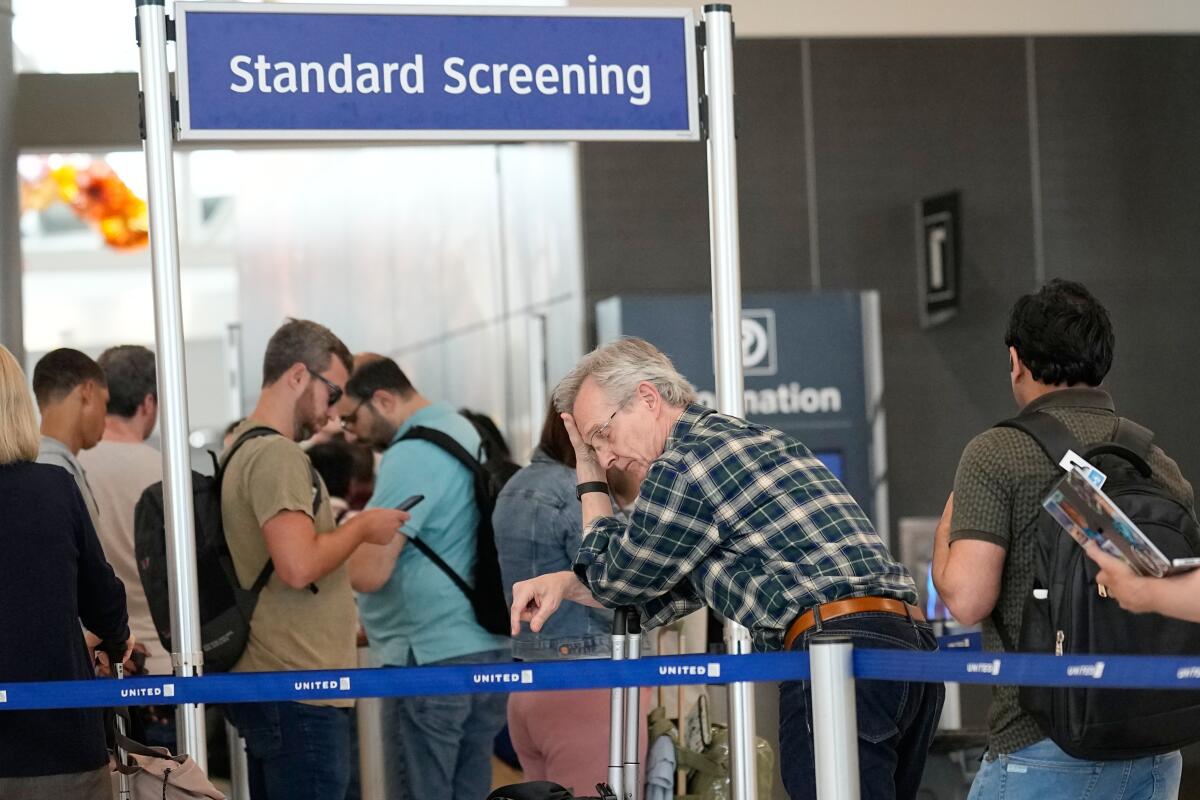
When most Americans think about a government shutdown, they picture locked museum doors and darkened office buildings. But this week’s standoff is playing out in a place you can’t avoid if you need to travel: the airport security line.
On Friday, House Republican leaders refused to take up a Senate-passed bill that would have resumed funding for key Department of Homeland Security agencies responsible for airport screening and emergency response. The immediate human consequence is straightforward: Transportation Security Administration employees have been working without pay since a partial shutdown began in mid-February, and the travel system is absorbing the stress in real time.
What the Senate passed
In the early hours of Friday morning, the Senate unanimously approved a stopgap funding measure that would finance most agencies under the Department of Homeland Security. The bill covered agencies that touch daily life and national readiness, including the TSA, the US Coast Guard, and the Federal Emergency Management Agency.
But it deliberately withheld funding from two branches related to President Donald Trump’s hardline crackdown on immigration: Border Patrol and Immigration and Customs Enforcement.
What the House refused
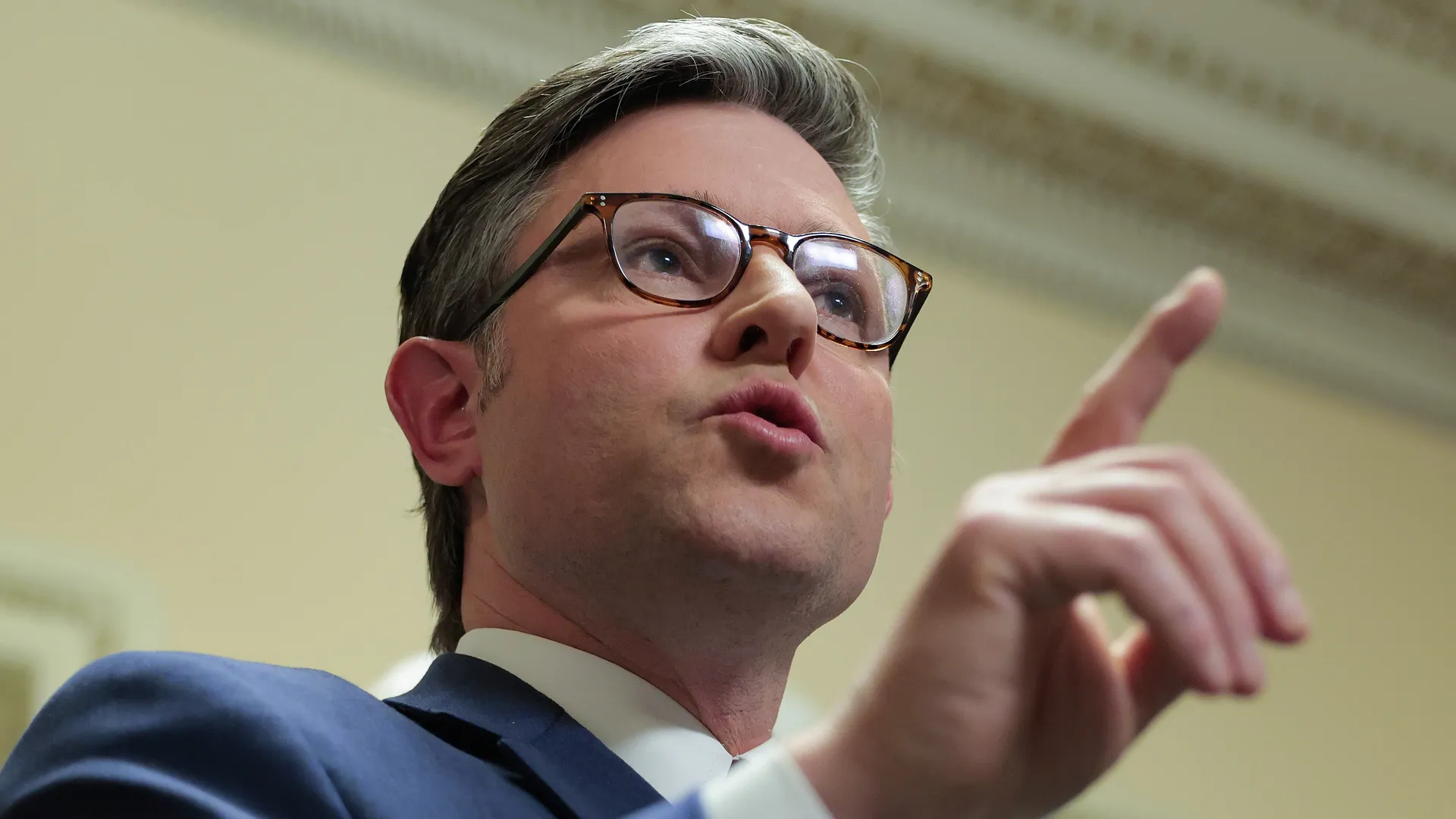
By Friday afternoon, House Speaker Mike Johnson confirmed he would not bring the Senate-passed bill to the floor for a vote and slammed the legislation as a “joke”.
“We’re going to do something different,” Johnson said, suggesting the House could advance its own bill fully funding all DHS agencies for two months.
What this means in practice
TSA security agents have gone without pay since the partial shutdown began in mid-February, leading many to quit or refuse to show up for work at airports across the country. The result has been chaos at airports as the system tries to function with essential staff under strain.
The White House says the consequences are escalating. In an executive memo, Trump described the situation as an emergency for the air travel system and estimated that nearly 500 TSA security agents have left their jobs since the shutdown began.
Trump wrote, “America’s air travel system has reached its breaking point. This is an unprecedented emergency situation,” and he blamed Democrats for the impasse.
The memo to pay TSA workers
Separately, Trump signed an executive memo directing DHS to work with the White House budget director to find a way to pay TSA employees during the lapse.
Analysis: Why funding is tangled
Here is the political knot the Senate bill tried to cut: it would keep most DHS functions funded while withholding money from ICE and Border Patrol. House leaders rejected that approach and are instead pointing toward a short-term bill that funds all of DHS.
Democrats say they are willing to fund “critical homeland security functions” while refusing what they describe as an unconditional expansion of immigration enforcement without reforms. Senate Minority Leader Chuck Schumer put it this way: “We’ve been clear from day one: Democrats will fund critical homeland security functions — but we will not give a blank check to Trump’s lawless and deadly immigration militia without reforms.”
The money already in play
Democrats have also pointed to the scale of recent immigration funding already on the books. A tax-and-spending law last July earmarked nearly $170bn for immigration and border operations, in addition to normal spending for ICE and Customs and Border Patrol.
Since January, Democrats have hinged further funding for immigration efforts on reforms, including an end to racial profiling and the clear identification of immigration agents while on duty.
Public anger and civil liberties
This shutdown dispute is unfolding amid widespread public anger over aggressive immigration raids. Rights groups have accused the Trump administration of employing violence and systematically violating civil liberties in its push for mass deportation.
Tensions peaked in January when two US citizens, Alex Pretti and Renee Nicole Good, were shot and killed by federal agents in separate incidents during immigration raids in Minneapolis, Minnesota. The administration drew further criticism after initially describing both as domestic terrorists, even when video footage of the incidents contradicted the government’s depiction of events.
What happens next
Johnson has suggested the House could advance its own two-month bill to fully fund all DHS agencies. Schumer said that approach would be “dead on arrival” in the Senate.
So the country is left in a familiar loop: two chambers, two strategies, and one indispensable workforce caught in the middle. And until the politics shift, the public will keep learning the same lesson at the airport: in a shutdown, the most “essential” jobs are often treated as the most expendable.