
The political and legal wars over the 2016 election are far from over. A new and constitutionally troubling front has just opened in this long battle. A government watchdog group has filed a formal ethics complaint with the Arkansas Bar, seeking to investigate and potentially disbar former Secretary of State Hillary Clinton for her role in the “Russiagate” scandal.
This is not a simple professional review.
The move threatens to drag a state-level, quasi-judicial body into one of the most ferocious national political conflicts of our time. It is a test of the line between professional ethics and political warfare, and it raises profound questions about the use of our legal institutions as weapons.
A New Complaint, An Old Fight
The complaint, filed by the group Democracy Restored, was prompted by the recent declassification of documents by the Director of National Intelligence.
It alleges that Clinton violated the Arkansas Rules of Professional Conduct regarding “Dishonesty” and “Prejudice to the Administration of Justice” by personally approving a plan to “smear” her political opponent, Donald Trump, with false information about Russian collusion.
This action seeks to re-litigate the origins of the entire Trump-Russia probe.
It is happening in the immediate aftermath of DNI Tulsi Gabbard stripping the security clearances of dozens of former intelligence officials, signaling a coordinated, administration-backed effort to hold the authors of the “Russiagate” narrative accountable.
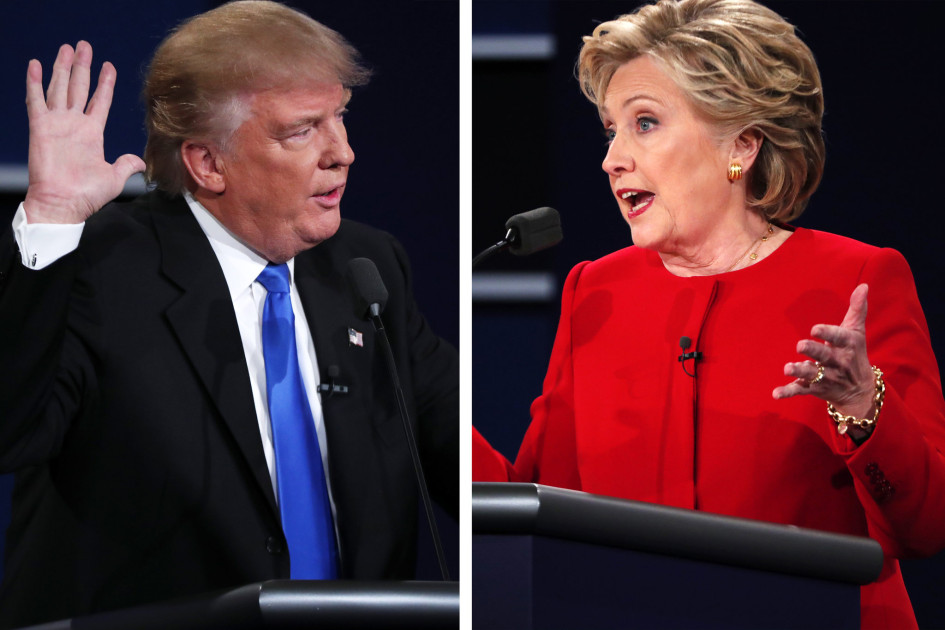
The Constitutional Tension: The First Amendment vs. Professional Ethics
This complaint forces a direct collision between two powerful legal principles. On one side is the First Amendment, which provides the highest level of protection for political speech, even if that speech is aggressive, negative, or part of a so-called “opposition research” campaign.
On the other side are the Rules of Professional Conduct that bind every licensed attorney. These rules demand a high standard of honesty and prohibit actions that are “prejudicial to the administration of justice.”
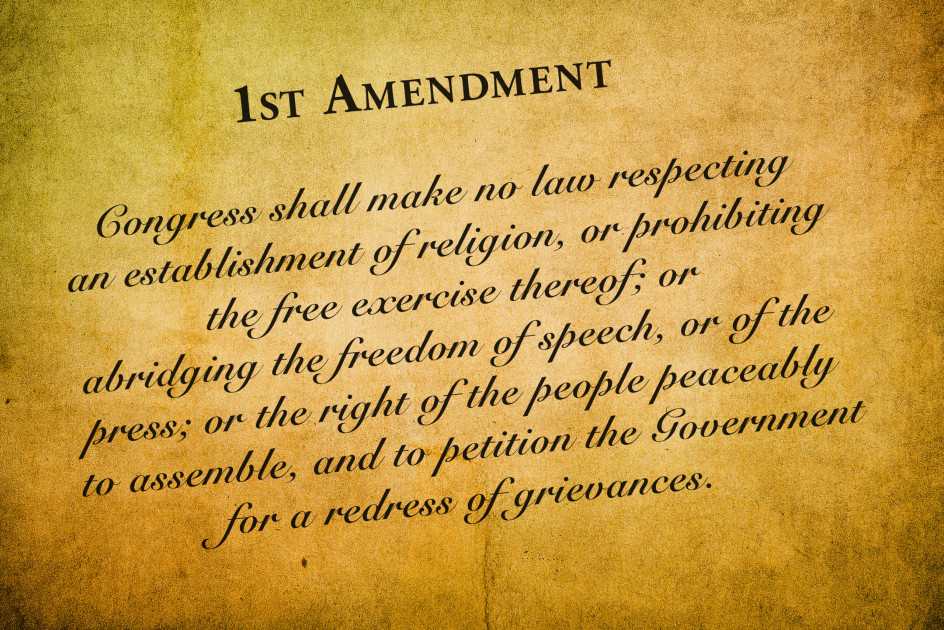
This creates a complex and largely untested constitutional question: When a lawyer is acting as a political candidate, do the broad protections for political speech override their stricter professional obligations as an officer of the court? It is a question that cuts to the heart of what we expect from our leaders, and the answer is far from clear.
A Question of Venue and the Rule of Law
Perhaps the most significant constitutional issue is one of venue. Is a state bar disciplinary committee – designed to handle issues like client fraud or professional misconduct – the proper body to determine the factual reality of a years-long, international intelligence scandal?
The federal Department of Justice, through the extensive, multi-year investigation by Special Counsel John Durham, already examined these very events. That probe, with the full weight of federal subpoena power, ended without bringing any charges against Secretary Clinton or other top officials for a “conspiracy.”
This new complaint, therefore, can be seen as an attempt to re-litigate a political dispute in a new, less rigorous venue. It is a tactic that raises its own serious questions about the rule of law and due process. It seeks to achieve a political outcome through a professional body that was never designed for such a purpose.
This ethics complaint is a significant and potentially dangerous escalation of our political conflicts. Our constitutional republic relies on a system where different institutions have their own proper roles. We have federal courts to handle federal crimes and the ballot box to handle political disputes. The attempt to use state-level professional licensing bodies as a weapon in a national political war is a troubling development that risks eroding the impartiality of these institutions and further blurring the already faint line between law and politics.