
A brief military spectacle outside a celebrity’s home turned into a small but revealing lesson in how the armed forces balance discipline, judgment, and public perception. Defense Secretary Pete Hegseth announced that the Army pilots who carried out a helicopter fly-by near musician Kid Rock’s Nashville-area residence would be returned to flight status, ending a short-lived suspension that had been put in place while the Army looked into what happened.
Join the Discussion
What happened
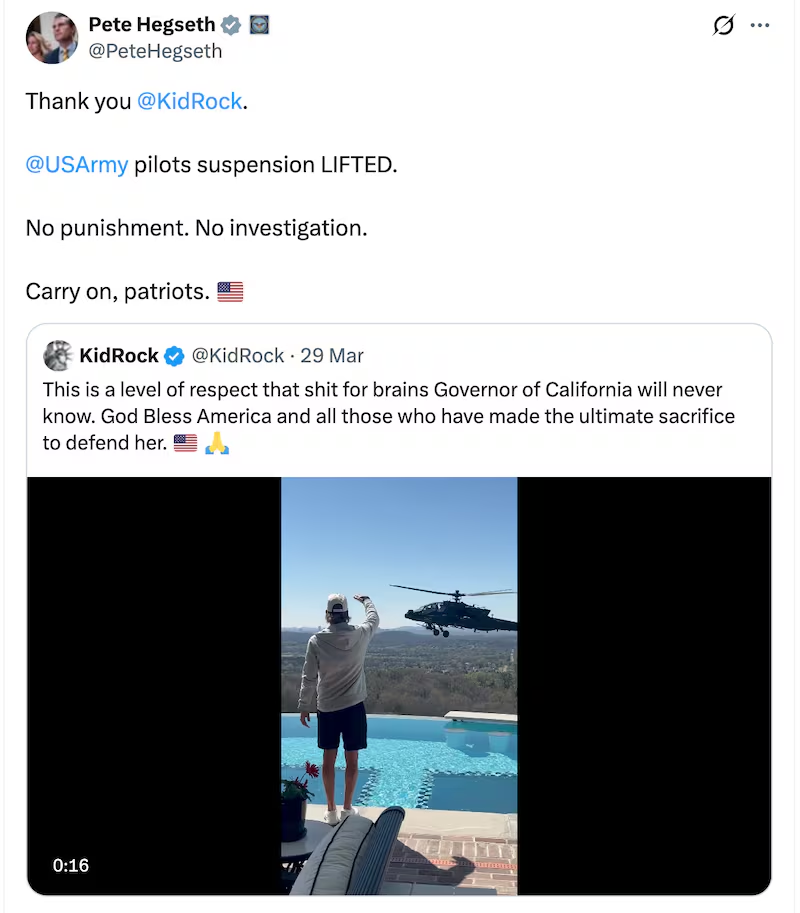
The incident involved a U.S. Army aircrew that conducted a helicopter flyover near Kid Rock’s home over the weekend. The crew was previously suspended from flight duties pending an investigation into Saturday’s helicopter stunt.
On Tuesday, Hegseth posted on X: Thank you Kid Rock. US Army pilots suspension lifted. No punishment. No investigation. Carry on, patriots.

Kelly weighs in
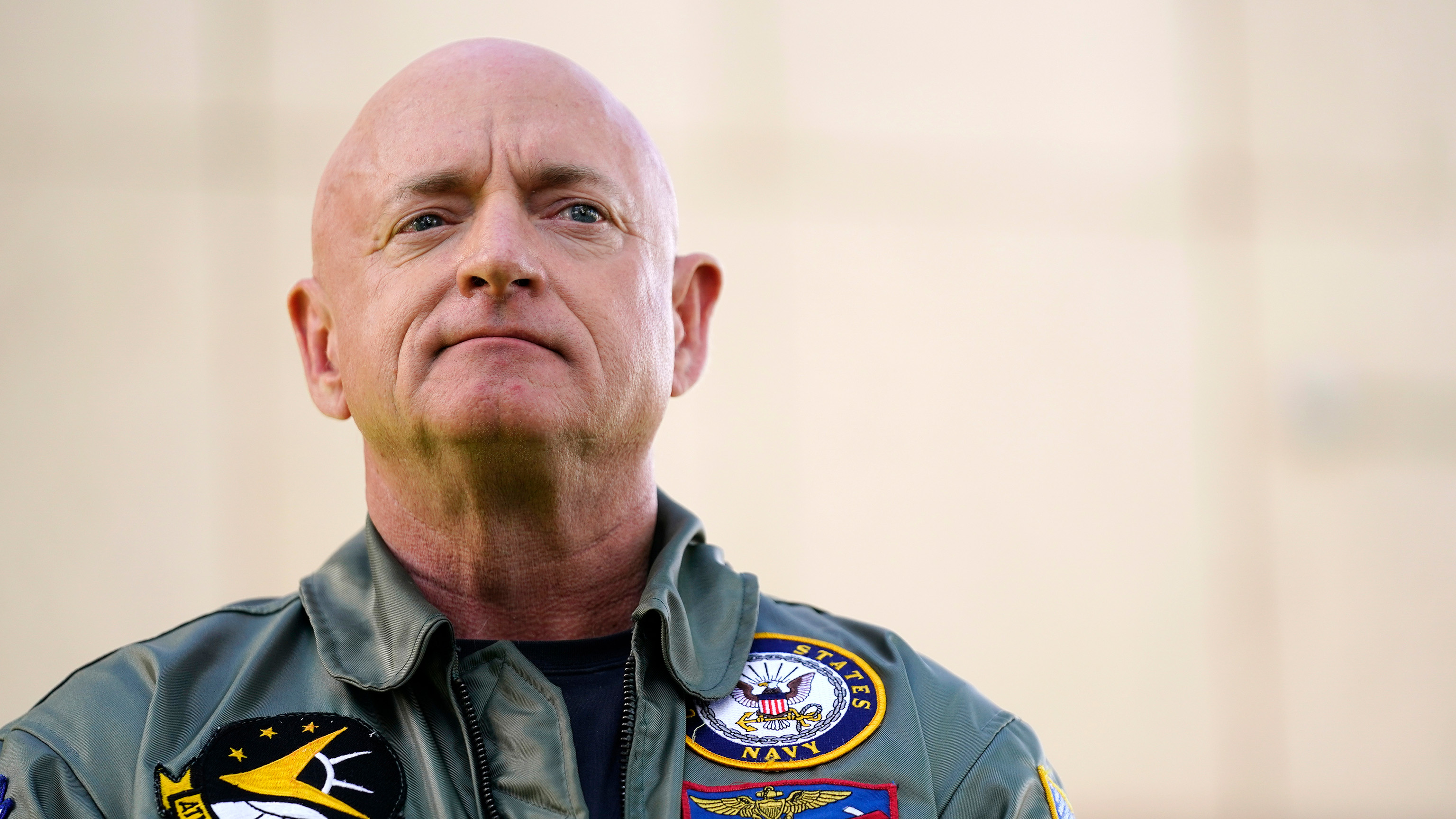
One of the more striking reactions came from Sen. Mark Kelly of Arizona, a Democrat and veteran Navy pilot, who said he did not support punishing the crew. In an interview on MSNBC’s Morning Joe, Kelly acknowledged he is not a fan of Kid Rock but still saw the pilots’ conduct as something that should not automatically end careers.
Kelly put it plainly: I’m not a Kid Rock fan. You know, I — at the same time, I mean, I don’t see why we would, you know, punish these guys.
He added that as a young aviator he had made choices that were not always the wisest, saying, there were times, you know, I did stuff in airplanes that probably wasn’t the smartest thing to do.
Discipline and discretion
From a civics perspective, the larger question is less about the celebrity backdrop and more about the chain of command. Military aviation runs on tight procedures because a decision that looks minor in the cockpit can carry real consequences on the ground. Flying close to homes can raise safety and noise concerns, and it can create the appearance that military assets are being used for entertainment or personal purposes.
Kelly captured this tension when he criticized the secretary’s involvement while still urging leniency. He said he disagreed with Hegseth’s approach, explaining: He should let the Army deal with this,
while also calling it just kind of a dumb thing to do
and emphasizing that pilots know they’re not supposed to do that.
Why the public call matters
When civilian leaders comment publicly on a personnel matter, they shape expectations about how rules will be enforced. Civilian control of the military is a constitutional cornerstone, but it typically operates through policy, budgets, and oversight rather than through social media verdicts on a specific crew’s conduct.
This episode is worth noticing even if you do not care about the personalities involved. The timeline itself is the point: the crew was suspended pending an investigation, then the secretary publicly declared there would be no investigation
as he lifted the suspension. That kind of fast, public reversal can be read in two different ways at once, as mercy toward service members who made a poor call, and as pressure on internal accountability systems that exist to keep training and safety standards consistent.
The political backdrop
The moment also lands in the middle of an ongoing feud between Kelly and Hegseth. The two have clashed in recent months after Kelly participated in a video message with other Democratic lawmakers urging service members to refuse “illegal” orders under the Trump administration. Kelly later filed a federal lawsuit in Washington, D.C., tied to efforts he says would demote him and reduce his retirement pay, naming Hegseth and multiple defense-related entities as defendants.
Against that background, Kelly’s willingness to agree with Hegseth on this narrow point is unusual. It suggests that, at least in the culture of military aviation, there is a shared intuition: correct the behavior, reinforce safety expectations, and be careful before turning a mistake into a life-altering punishment.
What to watch next
- How the Army communicates standards: Hegseth said there would be
no investigation
. Even so, commanders still have tools like retraining, counseling, or administrative action to reinforce expectations. - Future flyovers: Public-facing demonstrations can build morale, but they can also raise questions about who benefits and whether approvals were properly obtained.
- Consistency: The long-term concern is whether similar incidents are handled similarly, regardless of politics or publicity.