
Derek Lopez flipped a Turning Point USA table at Illinois State University, got fired from his teaching assistant position, and then allegedly posted threats against President Trump online. The FBI and Secret Service arrested him Tuesday following a month-long joint investigation. He faces federal charges for threatening a sitting president.
The sequence reveals how campus political conflict can escalate into federal criminal prosecution. Lopez’s viral table-flipping incident cost him his job. His alleged subsequent online threats triggered federal law enforcement response culminating in arrest. FBI Director Kash Patel characterized the threats as “heinous” and warned that the bureau “will find you and bring you to justice.”
The case raises questions about where legitimate protest ends and criminal conduct begins, how universities handle political disruption on campus, and whether the escalation from campus incident to federal arrest reflects appropriate law enforcement priorities or chilling of dissent.
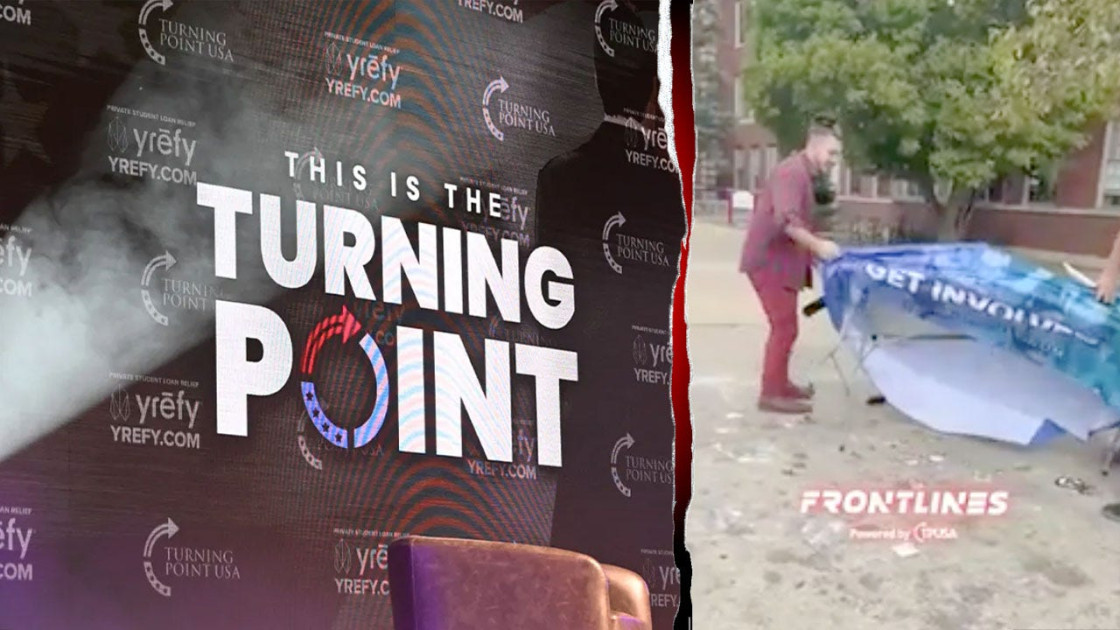
What Actually Happened on Campus
A viral video captured Lopez approaching a Turning Point USA table promoting an upcoming appearance by political comedian Alex Stein. Lopez spoke briefly with a man near the table, then flipped it over, scattering materials across the floor.
“Well, you know, Jesus did it, so you know I gotta do it, right?” Lopez said before overturning the table. He added “Thanks guys, have a great day” and walked away.
The incident occurred in a public area of Illinois State University campus where student organizations regularly set up tables to promote events and recruit members. Turning Point USA is a conservative student organization with chapters at hundreds of universities nationwide.
Lopez was a graduate student and teaching assistant at the time. The table-flipping violated university conduct policies regarding disruption of student activities and destruction of property.
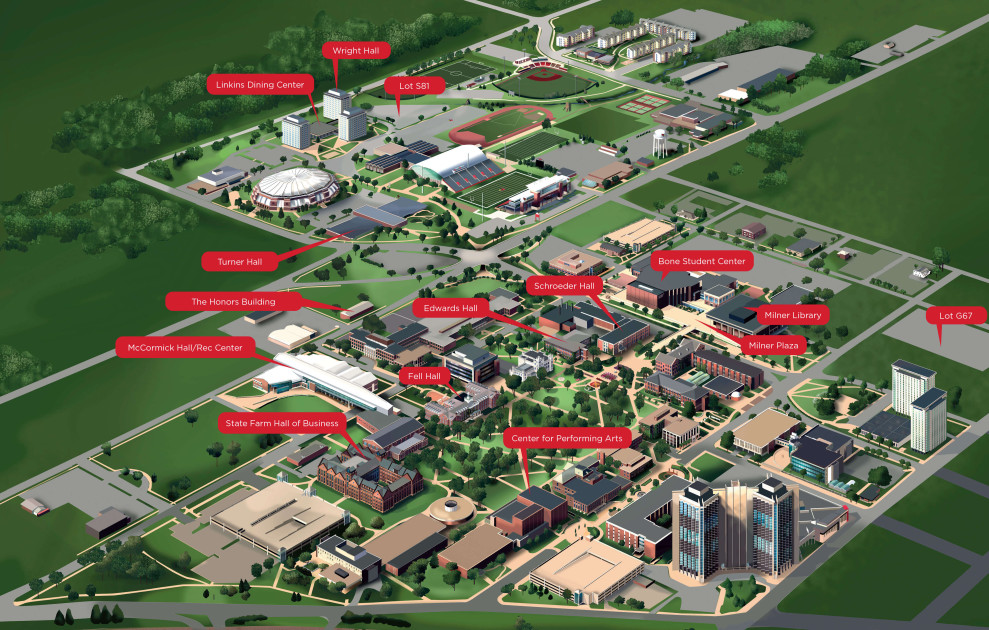
The University’s Response
Illinois State University fired Lopez from his teaching assistant position on October 20, stating he had been “relieved of his duties as a graduate teaching assistant pending further investigation.” The university declined to provide details, citing personnel matter confidentiality.
Lopez had already been arrested by local police for the table-flipping incident before his termination. He faced disorderly conduct and criminal damage to property charges – misdemeanors under Illinois law.
The university’s response was swift. The incident occurred, went viral on social media, and Lopez was fired within days. The speed suggests the university viewed the conduct as serious enough to warrant immediate termination without extended investigative process.
Universities face difficult balancing acts when student or staff political expression crosses into disruption or property damage. They must protect free expression while maintaining campus order and ensuring all political viewpoints can organize without interference.
The Alleged Threats That Triggered Federal Charges
After his firing, Lopez allegedly posted threats against President Trump online. The FBI memo obtained by Fox News states: “Lopez is alleged to have recently made threats against a sitting President, which prompted the current federal charges.”
The memo doesn’t specify what Lopez allegedly said or which platforms he used. Threatening the president violates 18 U.S.C. § 871, which prohibits knowingly and willfully making threats against the president, president-elect, vice president, or other designated officials.
The statute requires:
- A threat against a protected person
- Knowledge that the statement constitutes a threat
- Willful intent to make the threat
The investigation involved FBI, Secret Service, and Illinois State University Police Department over approximately one month. The coordination suggests investigators took the alleged threats seriously enough to dedicate substantial resources to surveillance, evidence gathering, and arrest planning.
The Constitutional Line Between Protected Speech and True Threat
The First Amendment protects offensive, provocative, and even deeply disturbing political speech. But it doesn’t protect “true threats” – statements where a reasonable person would perceive a serious expression of intent to harm.
The Supreme Court’s Virginia v. Black decision established that true threats are unprotected because they cause fear and disrupt lives regardless of whether the speaker intends to act. But distinguishing true threats from hyperbole, political rhetoric, or venting frustration presents difficult line-drawing problems.
Statements like “someone should assassinate the president” differ from “I am going to kill the president.” The former might be political opinion (however vile). The latter constitutes a threat. Context matters – who’s speaking, to whom, with what apparent capability to act.
Lopez’s alleged threats remain sealed in charging documents. Without knowing what he actually said, assessing whether prosecution is justified becomes impossible. But the federal government’s decision to prosecute suggests prosecutors believe the statements crossed from protected political speech into unprotected threats.
The Escalation Pattern That Concerns Civil Libertarians
Lopez engaged in campus disruption – flipping a table. He was arrested locally and fired from his position. Then he allegedly made online threats and was arrested federally.
Civil liberties advocates worry that this escalation pattern chills legitimate political dissent. A graduate student who flips a table in protest faces not just campus discipline but potential federal prosecution if he vents frustration online afterward.
That doesn’t excuse threatening violence. True threats deserve prosecution. But the pattern raises questions about whether federal law enforcement resources should focus on campus protesters who make angry online statements or whether such cases represent overreach targeting political opposition.
FBI Director Patel’s statement emphasized that threats “have no place in American society” and warned: “Let this be a message to all who consider threats of violence not just against public officials, but any American, that this FBI will find you and bring you to justice.”
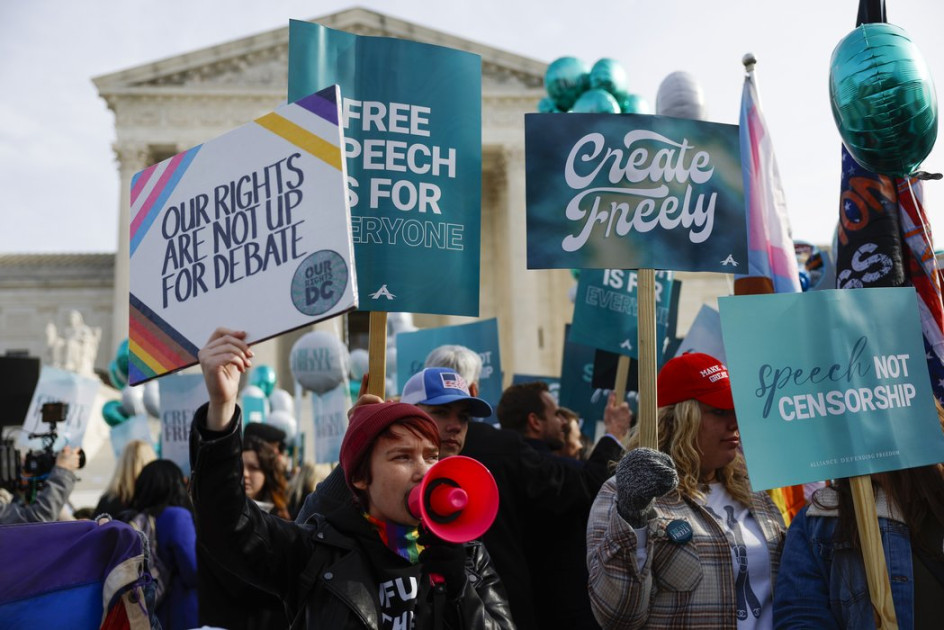
That message could deter genuine threats. It could also deter robust political criticism if people fear that angry online statements following campus incidents might trigger federal investigation and arrest.
The Turning Point USA Context
Turning Point USA has become flashpoint for campus political conflict. The conservative organization promotes free market economics, limited government, and traditional values on campuses often dominated by progressive faculty and administrators.
TPUSA events regularly generate protest. Progressive students and faculty view the organization as promoting harmful ideologies. Conservative students view opposition to their events as suppression of political diversity.
The table-flipping incident fits this pattern. Lopez apparently objected to TPUSA’s presence on campus strongly enough to physically disrupt their activities. His “Jesus did it” comment referenced Jesus overturning money changers’ tables in the Temple – suggesting Lopez viewed TPUSA as corrupting the university similarly.
That religious/political framing doesn’t justify property destruction or disruption. But it reveals Lopez’s mindset – he saw TPUSA as corrupting influence warranting dramatic opposition.
The Teaching Assistant Power Dynamic
Lopez wasn’t just a student – he was a teaching assistant with authority over undergraduate students. That position carries responsibilities beyond those of regular students. Teaching assistants grade papers, lead discussion sections, and exercise evaluative power over students’ academic success.
A teaching assistant who flips tables to protest conservative student organizations raises questions about whether he can fairly grade conservative students’ work or facilitate classroom discussions involving political topics.
Universities terminated Lopez partly because his conduct undermined confidence in his ability to perform teaching duties impartially. The viral video made continued employment untenable regardless of his political views.
That calculation differs from situations involving regular students without institutional authority. Teaching assistants occupy quasi-faculty positions requiring professional conduct standards exceeding those for students.

The Federal Prosecution Decision
Federal prosecutors must decide which cases warrant prosecution. Threatening the president is a federal crime, but not every angry online statement results in arrest and charges.
Prosecutorial discretion involves assessing:
- Seriousness of the threat
- Speaker’s apparent capability to act
- Context suggesting genuine intent versus venting
- Public safety risk
- Deterrent value of prosecution
The decision to prosecute Lopez suggests prosecutors concluded his alleged threats were serious enough to warrant federal resources and that prosecution serves public interest in deterring similar conduct.
But prosecutorial discretion can be exercised selectively. If Lopez’s threats were prosecuted because his prior table-flipping incident made him visible target, that raises concerns about whether enforcement targets political dissidents rather than genuine threats.