
The sound of gunfire shattered the pre-Thanksgiving calm in downtown Washington, D.C., on Wednesday, just blocks from the White House. In an instant, a political and constitutional debate over the militarization of our nation’s capital turned into a scene of bloodshed. Two National Guard members were shot and critically wounded, an event that transforms an abstract legal argument into a visceral national tragedy.
This shooting is not an isolated crime. It is a direct and violent collision with the controversial federal policy that has placed thousands of soldiers on the streets of an American city. It forces a reckoning with the costs and consequences of using the military for domestic policing.
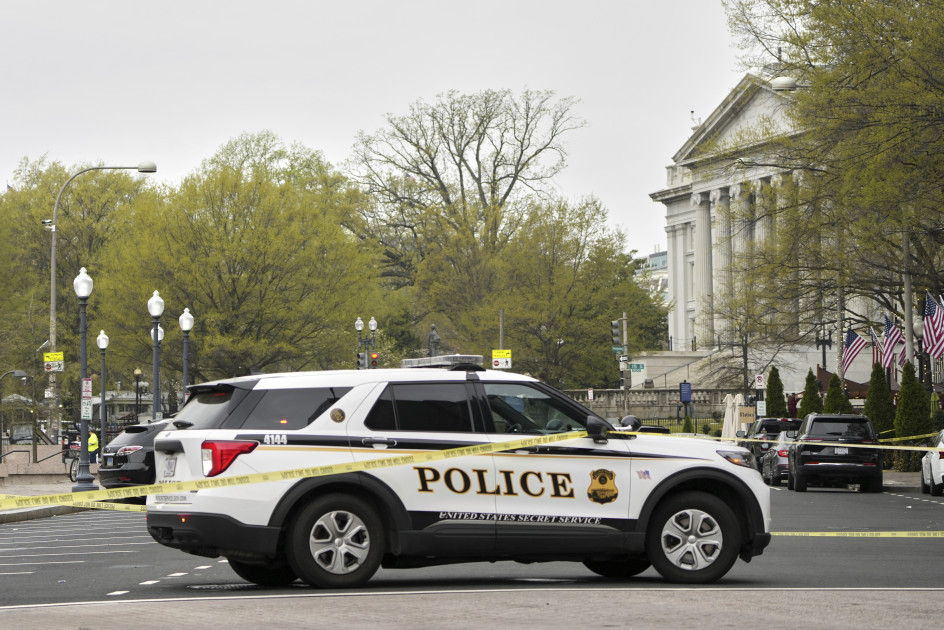
What We Know About the Attack
The shooting occurred near the Farragut West Metro station, a busy intersection less than a mile from the White House, which was immediately placed on lockdown.
According to authorities, a suspect is in custody and was also shot during the confrontation. The motive remains unclear, but the target was unmistakable: uniformed members of the National Guard who were deployed as part of the administration’s “law and order” initiative in the District. President Trump, monitoring the situation from Florida, condemned the “animal” responsible and warned they would pay a “very steep price.”
A Deployment on Legal Borrowed Time
The context of this shooting is critical. Just last week, a federal judge ruled that the very deployment these soldiers were part of is likely unlawful.
The judge found that the use of out-of-state National Guard troops for domestic law enforcement in D.C. likely violates the Posse Comitatus Act, which generally forbids the use of the military to police American citizens. However, the judge paused the order for three weeks to allow for an orderly transition, meaning these soldiers were patrolling on legal borrowed time. The order to remove them was set to take effect on December 11th.
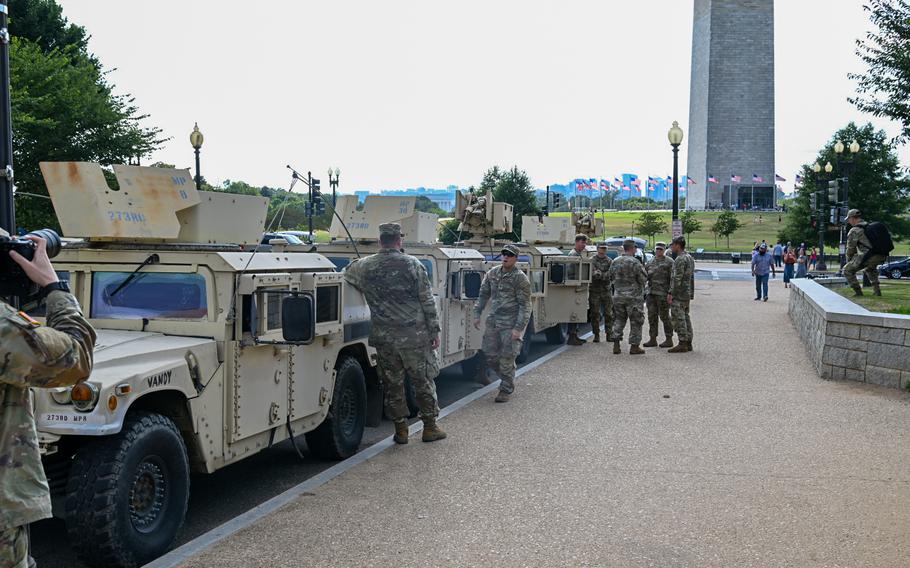
The Constitutional Cost of Militarized Streets
This tragedy brings the constitutional debate over the Insurrection Act and the federalization of the National Guard into sharp, painful focus.
When soldiers are deployed to perform police duties, they become targets in a way that civilian law enforcement often does not. They are visible symbols of federal power and, in this case, of a deeply polarizing political directive. The shooting raises the agonizing question of whether the presence of these troops, intended to project order, has instead become a flashpoint for violence.

The attack on these service members is a horrific crime that demands justice. But it is also a somber reminder of why the framers of the Constitution and the authors of the Posse Comitatus Act were so wary of using the military as a domestic police force. The blurring of the line between soldier and police officer carries a heavy price, one that is now being paid in blood on the streets of our capital.