
The federal government shut down at 12:01 a.m. on October 1, 2025, after Congress failed to pass a continuing resolution before the midnight deadline. Roughly 875,000 federal workers will be furloughed without pay. Another 1.4 million essential employees will work without paychecks until funding resumes.
Members of Congress will continue receiving their $174,000 annual salaries without interruption. Not one senator or representative will miss a paycheck while federal workers struggle to pay rent and buy groceries.
That disparity tells you everything about who bears the cost when politicians can’t reach agreement.
Who Gets Furloughed and What That Actually Means
Federal agencies designate employees as either “essential” or “non-essential” based on whether their work is critical to protecting life, property, or national security. Non-essential workers get furloughed – sent home without pay and prohibited from working, even voluntarily.
The furloughed population includes significant portions of NASA, the Environmental Protection Agency, the National Park Service, the Departments of Commerce, Housing and Urban Development, and Interior. These aren’t luxury positions – they’re scientists conducting climate research, rangers managing public lands, housing specialists processing applications for vulnerable families, and economic analysts tracking financial indicators.
Furloughed workers cannot access their offices, answer work emails, or complete any job-related tasks. They’re in employment limbo – still federal employees but prohibited from working and not receiving paychecks. Most will eventually receive back pay once the government reopens, but that’s legislative grace rather than legal guarantee. Previous shutdowns have included back pay provisions, but there’s no constitutional requirement that furloughed workers ever get compensated for shutdown periods.
For workers living paycheck to paycheck, the promise of eventual back pay doesn’t help with immediate expenses. Rent comes due. Childcare bills arrive. Groceries still cost money. Car payments don’t pause because Congress couldn’t pass a budget.
The essential workers who report for duty face even more immediate hardship because they know paychecks are delayed but have no idea for how long.
The Essential Workers Who Keep Working Without Pay
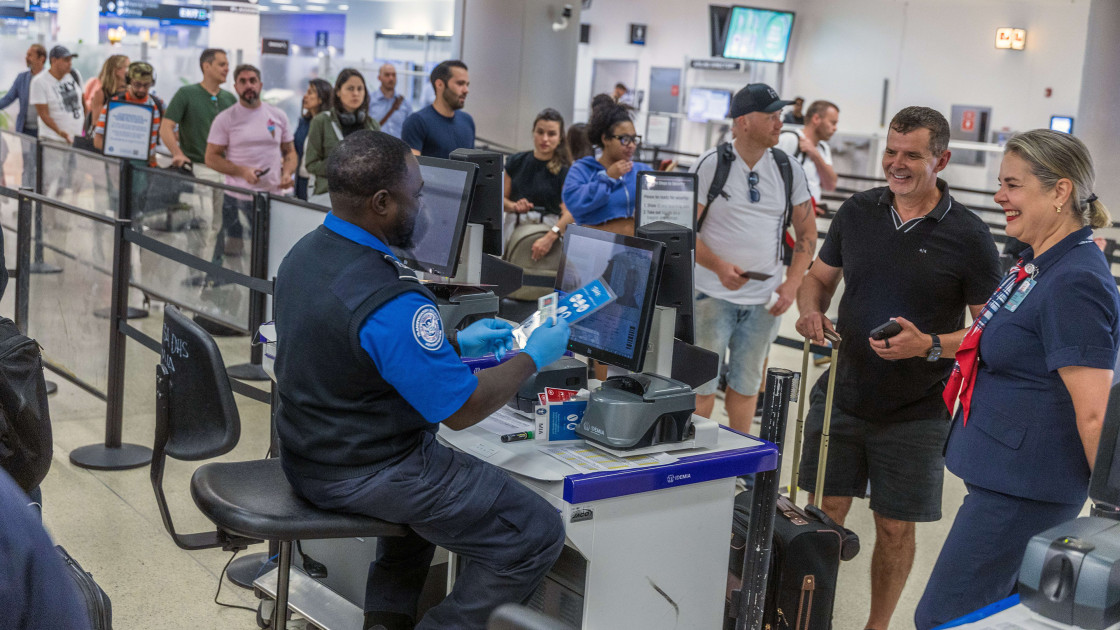
Approximately 1.4 million federal employees are designated essential and must report for duty during shutdowns. This includes active-duty military personnel, TSA agents, air traffic controllers, Border Patrol agents, federal prison guards, FBI agents, federal prosecutors, and Secret Service personnel.
These workers provide services the government has determined cannot be interrupted even temporarily. National security depends on them. Public safety requires their presence. Critical infrastructure needs their expertise.
They all work without paychecks until the shutdown ends.
Active-duty military members are particularly affected because many are young enlisted personnel with families, living on bases in areas with high cost of living, carrying no financial cushion for missed paychecks. A private first class earning roughly $25,000 annually can’t absorb even one missed paycheck without serious financial hardship.
TSA agents screening passengers at airports show up for shifts knowing they won’t be paid on schedule. Air traffic controllers managing flight safety work full days while wondering how they’ll cover childcare costs next week. Border Patrol agents conducting enforcement operations can’t pay their mortgages until Congress resolves its dispute.
The label “essential” acknowledges these workers are critical to government function. But it doesn’t prevent them from facing eviction, accumulating late fees, or watching their credit scores drop because shutdown politics delayed their pay.
Federal law guarantees essential workers will eventually receive back pay for shutdown periods. But “eventually” doesn’t help when the electric bill is due today and the paycheck that should cover it won’t arrive until Congress decides to end its standoff.
The Contractors Who Never Get Paid at All
Beyond federal employees, hundreds of thousands of contractors support government operations. They maintain federal buildings, provide IT support, staff cafeterias, handle administrative tasks, and perform countless other functions that agencies have outsourced.
When the government shuts down, contractors stop working and stop getting paid. Unlike federal employees, they never receive back pay for shutdown periods. The income is simply gone.

A janitor working for a contractor that services EPA buildings loses days or weeks of income that will never be recovered. An IT specialist supporting Interior Department systems misses paychecks that won’t be made up later. A food service worker in a federal cafeteria that closes during the shutdown has no income and no recourse.
These workers are typically lower-wage employees who can least afford income interruption. They lack the savings to weather extended unpaid periods. Many live paycheck to paycheck, and a shutdown lasting more than a few days creates genuine financial crisis.
The political fight over ACA subsidies and Medicaid matching rates doesn’t involve them. They have no influence over whether Democrats or Republicans compromise. They’re collateral damage from decisions made by people who continue receiving paychecks regardless of shutdown duration.
Why Congress Keeps Getting Paid While Everyone Else Doesn’t
The Twenty-Seventh Amendment to the Constitution states: “No law, varying the compensation for the services of the Senators and Representatives, shall take effect, until an election of representatives shall have intervened.”
This amendment was designed to prevent Congress from giving itself immediate pay raises. But it has the unintended effect of preventing Congress from cutting its own pay during shutdowns – because doing so would be a compensation variation taking effect before the next election.
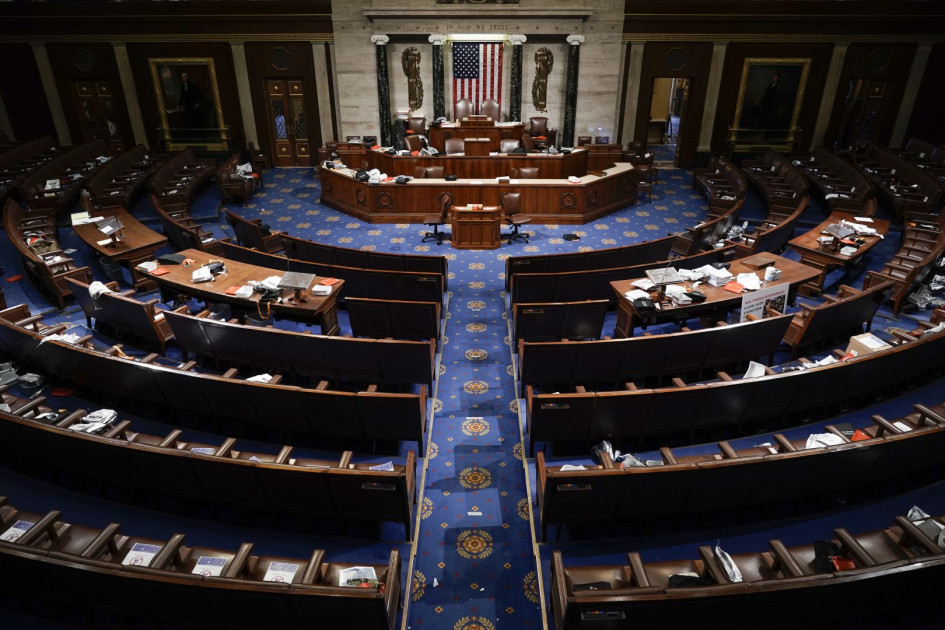
As a result, senators and representatives continue receiving their $174,000 salaries (or more for leadership positions) throughout shutdowns. Leadership positions earn more – the Speaker of the House receives $223,500, and the Senate Majority and Minority Leaders earn $193,400.
Some members voluntarily donate their shutdown pay to charity or decline payment until the shutdown ends. These gestures receive media attention but don’t change the fundamental inequity: members of Congress have the option to decline pay that federal workers never receive in the first place.
The optics are devastating. The people who created the shutdown by failing to reach agreement continue getting paid. The workers who had no role in budget negotiations and no influence over political strategy lose income through no fault of their own.
Senator Rick Scott proposed legislation that would suspend congressional pay during shutdowns, but such a law would require constitutional amendment to override the Twenty-Seventh Amendment’s compensation protection. That means it won’t happen – Congress would have to propose and pass an amendment, get it ratified by three-quarters of state legislatures, all to enable withholding their own pay during shutdowns they could simply avoid by passing funding bills.
The incentive structure is clear: members of Congress face no personal financial consequences from shutdowns they create, while federal workers bear all the cost.
What Services Stop and Which Continue
National parks close, with gates locked and ranger stations shuttered. Anyone planning fall vacation to Yellowstone, the Grand Canyon, or any of the other 63 national parks will find them inaccessible. Beyond tourism disappointment, this devastates local economies in gateway communities that depend on park visitor spending.
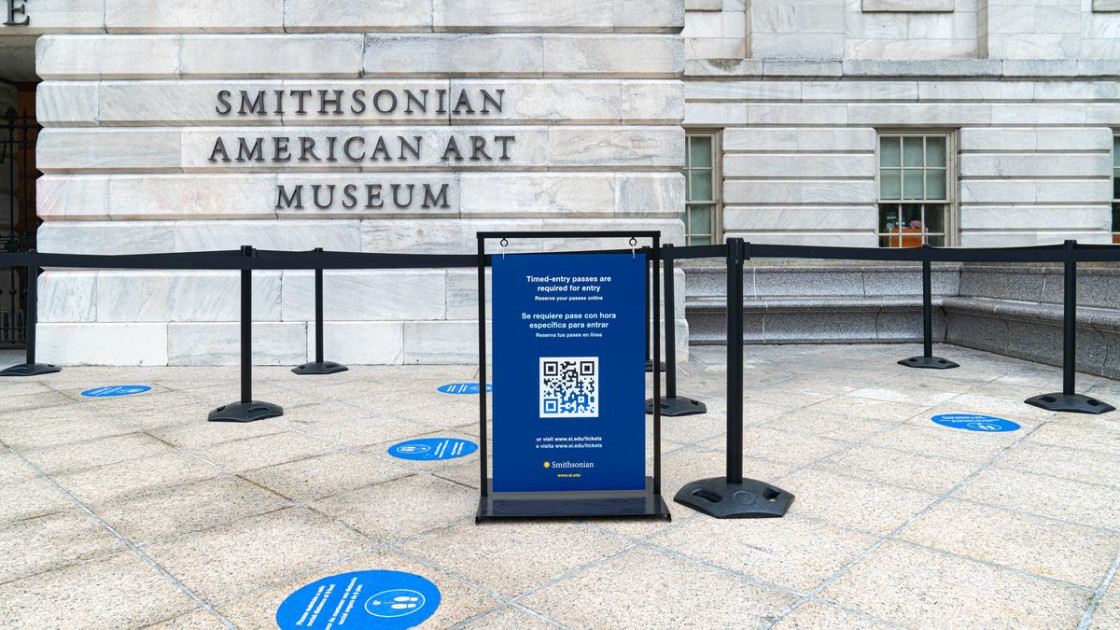
The Smithsonian museums in Washington close. Educational programs get canceled. Research projects get interrupted. The museums welcomed over 24 million visitors last year – many of whom planned trips around school breaks or family vacations that can’t be rescheduled.
Passport processing slows dramatically. Anyone needing expedited passport service for international travel faces delays that could force trip cancellations. Routine applications take longer to process as State Department reduces staffing.
The Internal Revenue Service furloughs significant portions of its workforce. Anyone dealing with tax issues, waiting for refund processing, or needing account assistance faces delays. Audit schedules get disrupted. Customer service becomes nearly impossible to access.
Social Security and Medicare benefits continue because they’re mandatory spending not subject to appropriations. Beneficiaries receive checks on schedule. But customer service for benefit questions or application processing slows significantly as Social Security Administration furloughs staff.
Veterans Affairs medical facilities remain open and veterans receive healthcare. But other VA services slow, including benefits processing, home loan guarantees, and education assistance. Veterans who’ve earned these benefits face delays because Congress couldn’t pass a budget.
Federal courts remain open for roughly two weeks using filing fees and other non-appropriated funds, but after that period, many court operations would face suspension except for essential proceedings. Civil litigation slows. Criminal proceedings involving incarcerated defendants continue, but other dockets face delays.
The Economic Damage That Nobody Counts During the Fight
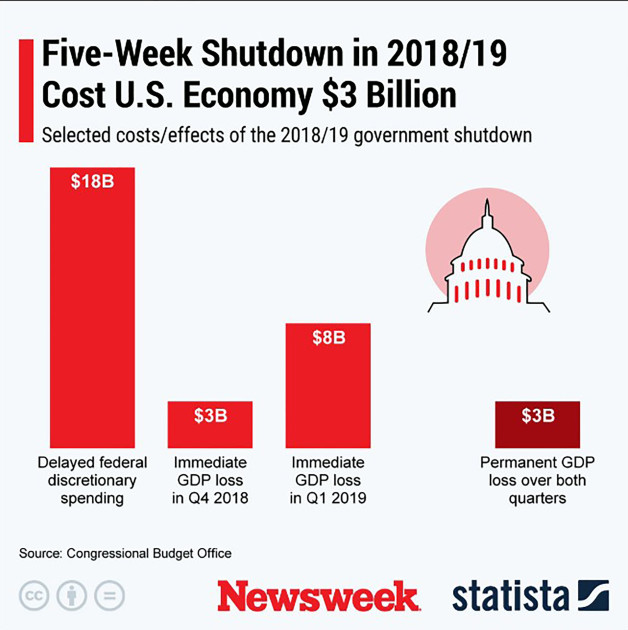
Government shutdowns cost money even though their stated purpose is preventing spending without appropriations. The Congressional Budget Office estimated that the 35-day shutdown in 2018-2019 reduced economic output by $11 billion, with $3 billion never recovered.
Those losses come from multiple sources. Federal contractors who stop work during shutdowns often can’t make up lost productivity later – the work simply doesn’t happen or happens with delays that reduce value. Businesses near closed national parks lose revenue during peak tourism seasons that can’t be recovered later. Federal workers who delay purchases or cut spending reduce economic activity throughout the economy.
Beyond measurable economic damage, shutdowns create uncertainty that affects business planning, investment decisions, and consumer confidence. Companies don’t know when government contracts will resume. Businesses dependent on federal spending can’t predict cash flow. International partners question American government reliability when shutdowns become routine.
The political point-scoring over who’s responsible for the shutdown ignores that everyone loses economically. Republicans blame Democrats. Democrats blame Republicans. But federal workers miss paychecks, small businesses near federal facilities lose customers, government contractors face financial uncertainty, and the broader economy absorbs damage that exceeds whatever spending Congress was fighting about in the first place.
What Previous Shutdowns Teach About Duration
The average shutdown since 1980 has lasted roughly 8 days. But averages obscure wide variation – some lasted only a few days, while the 2018-2019 shutdown extended 35 days, the longest in American history.
Duration depends entirely on political calculations about which party suffers more from public blame. As long as both parties believe they’re winning the messaging battle or that standing firm serves their political interests, the shutdown continues. Once one side determines the political cost exceeds any policy benefit from holding out, compromise suddenly becomes possible.

Federal workers and affected contractors have no influence over those calculations. They’re hostages to political strategy decisions made by leaders who continue receiving paychecks regardless of shutdown duration.
The 2018-2019 shutdown lasted 35 days partly because Trump believed he could force Democrats to fund border wall construction by prolonging federal worker pain. Democrats believed they could force Trump to back down by maintaining solidarity against wall funding. Federal workers missed two full pay periods before political pressure forced resolution.
This shutdown involves similar dynamics. Democrats believe they can force Republicans to include ACA subsidy extensions by maintaining shutdown pressure. Republicans believe they can force Democrats to back down by characterizing the dispute as Democrats prioritizing illegal immigrant healthcare over troop pay. Federal workers miss paychecks while both sides test political messaging effectiveness.
The Inequality That Makes Every Shutdown Worse Than It Needs to Be
Federal workers aren’t policy participants. They didn’t vote on budget proposals, don’t set appropriations levels, and have no input into continuing resolution negotiations. They’re civil servants who administer programs Congress created, implement policies Congress passed, and serve the public in roles Congress funded – until Congress stops funding them.
But they’re the ones who lose income when Congress fails to govern effectively. They’re the ones choosing between rent and groceries. They’re the ones calling creditors to explain why mortgage payments will be late. They’re the ones whose children ask why they can’t afford things they could afford last week.

Members of Congress face none of those consequences. They continue receiving salaries that place them comfortably in the top 10% of American earners. They maintain their health insurance, their retirement benefits, and their employment security. They suffer no financial hardship from the shutdown they created.
That fundamental inequity makes shutdowns easier for Congress to accept as political tools. If every senator and representative faced immediate paycheck suspension during shutdowns – if they experienced the same financial stress they impose on federal workers – budget negotiations would suddenly become more productive.
But they don’t face those consequences. The Constitution protects congressional pay. Political strategy determines shutdown duration. And federal workers pay the price for political dysfunction they didn’t create and can’t resolve.
When the Shutdown Ends and What Happens Next
Eventually, this shutdown will end the same way they all end. One party will blink, compromise will suddenly become possible, and Congress will pass a continuing resolution that keeps the government funded for weeks or months until the next deadline creates the next crisis.
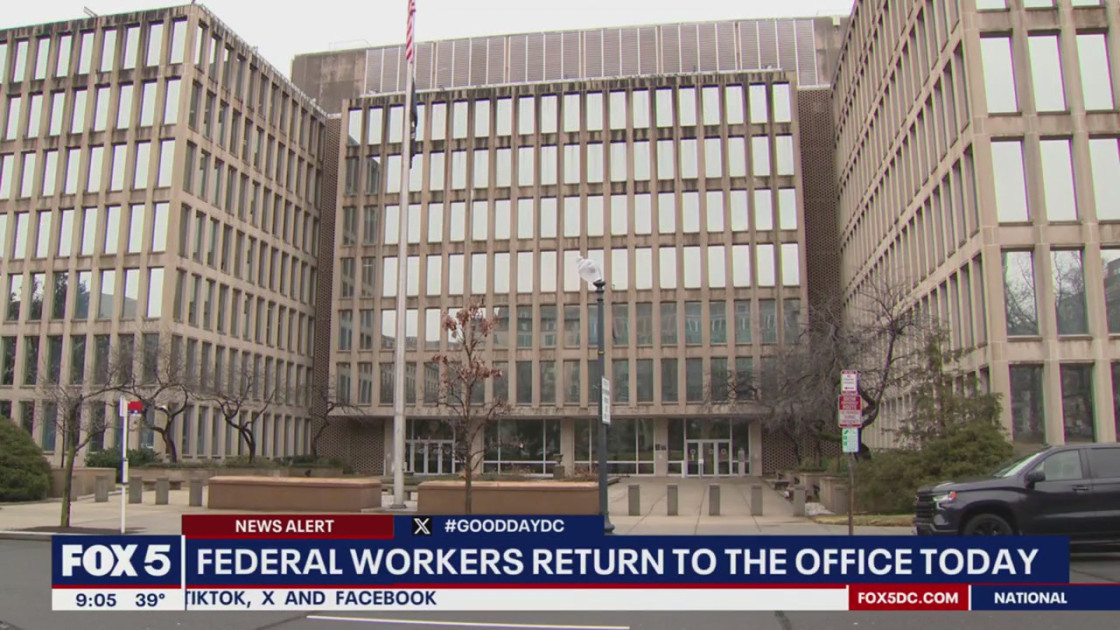
Federal workers will return to their jobs. Furloughed employees will receive back pay, though the timeline for processing those payments creates additional hardship. Essential workers who kept working without pay will finally receive the paychecks they earned. Contractors who lost income will never be compensated.
National parks will reopen. Museums will unlock their doors. Passport processing will resume. IRS customer service will start answering calls again. The immediate crisis will be resolved until the next funding deadline approaches and the cycle repeats.
But the damage persists. Federal workers will have endured unnecessary financial stress. Local businesses near closed federal facilities will have lost irreplaceable revenue. Contractors will have absorbed income losses they can’t recover. The economy will have absorbed damage exceeding whatever Congress was fighting about.
And members of Congress will have continued receiving every paycheck on schedule while imposing financial hardship on workers who had no role in creating the crisis.
That’s not a bug in the system. That’s how the system is designed – with political leaders insulated from consequences of their dysfunction while federal workers bear all the costs.
The shutdown will eventually end. Congress will take credit for resolving the crisis they created. Federal workers will try to rebuild finances damaged by missed paychecks. And absolutely nothing will change before the next shutdown deadline arrives and the cycle begins again.
Because the people with the power to prevent shutdowns are the only people who face no consequences from allowing them.