
A surprising bipartisan coalition is forming as a GOP lawmaker collaborates with Democrats to propose legislation aimed at curbing the presidential pardon power, particularly in light of former President Trump’s controversial actions.
The Unexpected Alliance
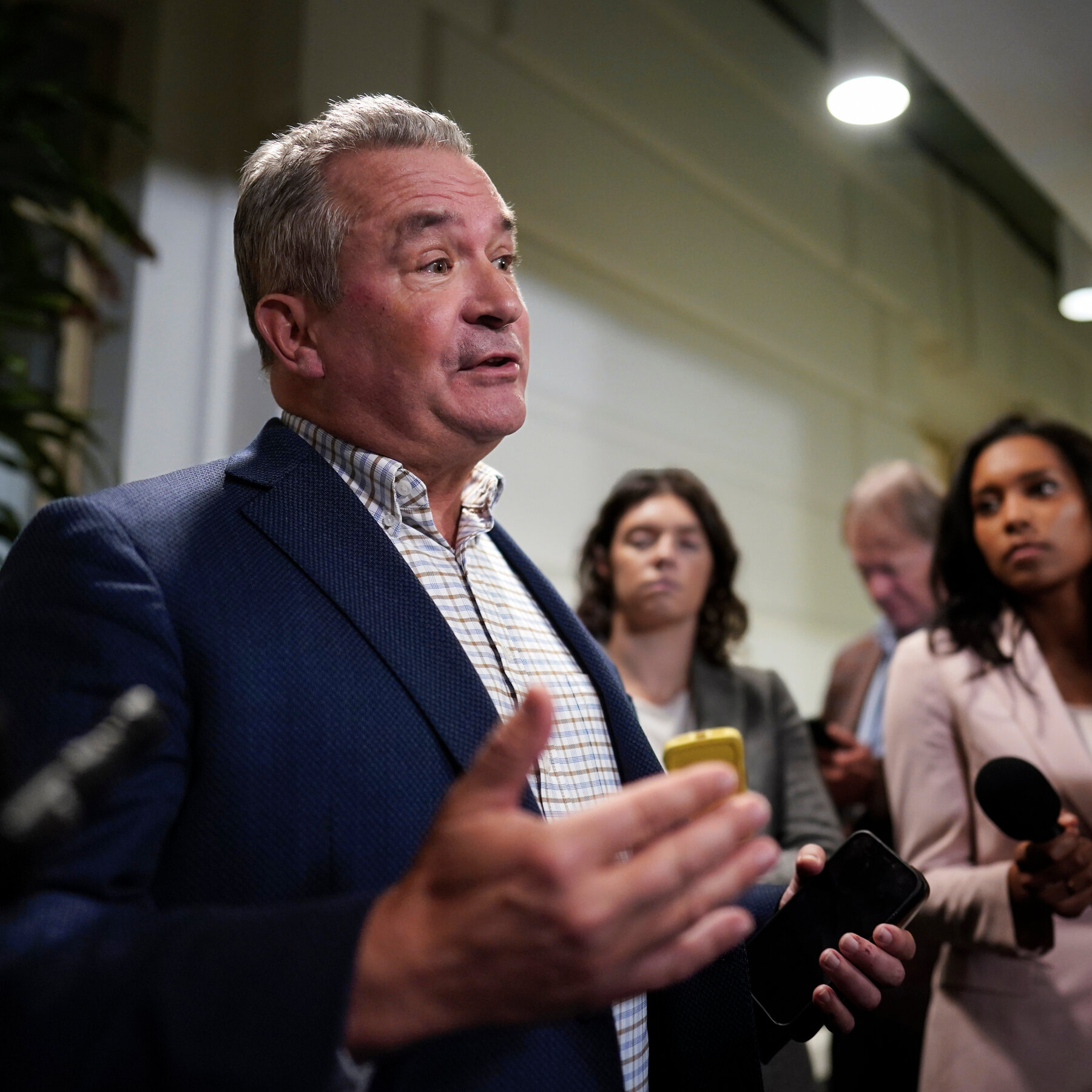
In a notable shift in political dynamics, a Republican lawmaker has joined forces with Democrats to introduce legislation that seeks to limit the presidential power to grant pardons. Rep Don Bacon signed onto a bill that would establish a congressional review process for pardons.
This initiative has emerged from increasing concerns over the potential misuse of this power by former President Donald Trump, particularly regarding his actions during his term in office.
The bipartisan effort reflects a growing sentiment among some lawmakers that the pardon power, while constitutionally sanctioned, requires clearer limitations to prevent abuse. This move signals a willingness among certain GOP members to distance themselves from Trump’s controversial legacy.
Context of the Legislation
The push to limit pardon powers comes amid various investigations into Trump’s actions, including his handling of the January 6th Capitol riots. The fear is that unchecked pardon power could lead to a scenario where individuals involved in serious offenses might evade consequences due to presidential forgiveness.
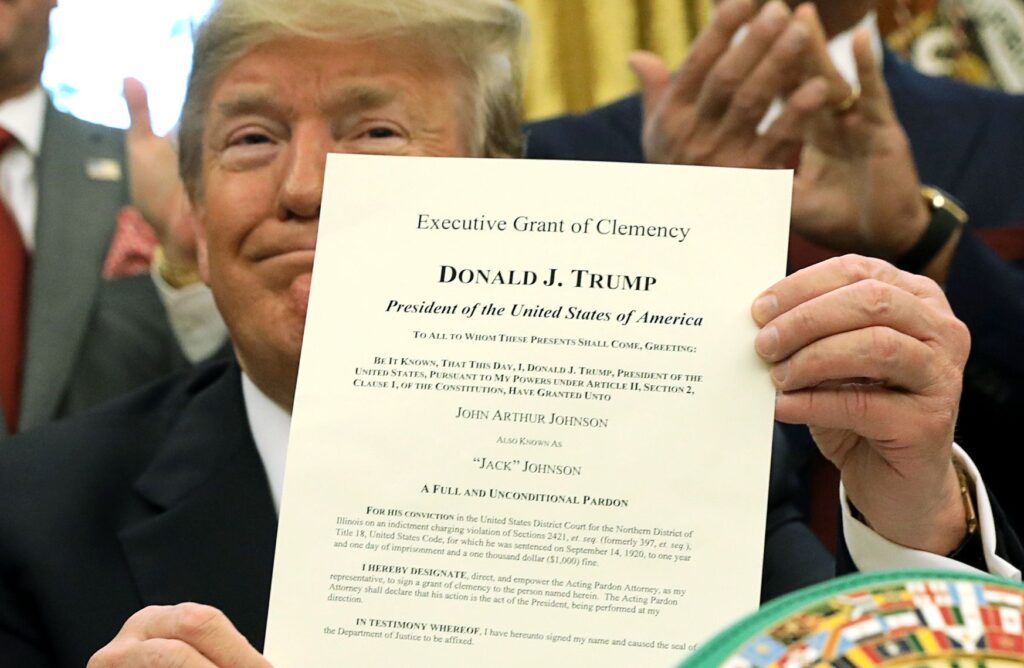
Historically, the pardon power has been viewed as a tool for mercy and justice. However, Trump’s presidency has raised questions about its potential for misuse, especially when pardons have been granted to individuals with personal connections to the president or those who have publicly supported him.
This context is critical for understanding the motivations behind the new legislation and the perceived need for reform.
Key Takeaways from the Proposal
The proposed legislation outlines specific measures aimed at curtailing the president’s pardon authority. Here are some key aspects:
1. Transparency Requirements: The bill mandates that any pardons issued must be accompanied by a public explanation detailing the rationale behind the decision.
2. Congressional Oversight: The legislation would require congressional approval for certain types of pardons, particularly those involving high-profile cases.
3. Limitations on Self-Pardons: The proposal explicitly addresses the controversial notion of self-pardoning, asserting that no president should have the authority to pardon themselves for criminal conduct.
4. Implementation of a Waiting Period: A waiting period would be established before a pardon can take effect, allowing for public scrutiny and evaluation.
These measures aim to restore faith in the integrity of the pardon process, ensuring it serves justice rather than personal interests.
Implications for Future Presidents
If passed, this legislation could set a significant precedent for how future presidents exercise their pardon powers. It raises questions about accountability and the balance of power within the federal government.
Supporters argue that these changes are necessary to prevent the kind of partisan maneuvering that has characterized recent presidential actions. They believe that reforming the pardon process is essential to uphold the rule of law and ensure that justice is fairly administered.
On the other hand, critics of the proposal caution that overly restrictive measures could undermine the president’s ability to act in the public interest, potentially denying mercy in cases where it is warranted.
FAQ
What is the main objective of the proposed legislation?
The main objective is to limit the president’s pardon power to prevent potential abuses, particularly in light of former President Trump’s actions.
What are some key features of the bill?
Key features include transparency requirements, congressional oversight, limitations on self-pardons, and the implementation of a waiting period for pardons.
How could this legislation impact future presidents?
If passed, it could establish stricter guidelines for the use of pardon powers, emphasizing accountability and the rule of law.