
The nation was shocked this week by the news of a shooting at Fort Stewart, a major Army base in Georgia, where a sergeant allegedly opened fire on five of his fellow soldiers. As the victims recover and the President vows that the perpetrator “will be prosecuted to the fullest extent of the law,” this tragedy pulls back the curtain on a distinct and parallel system of American justice.
This is not a crime that will be handled by a local district attorney or a civilian jury.
This event is a powerful and sobering reminder that when a citizen puts on the uniform of the United States military, they enter a different legal world, one governed by its own code, its own courts, and its own unique constitutional framework.
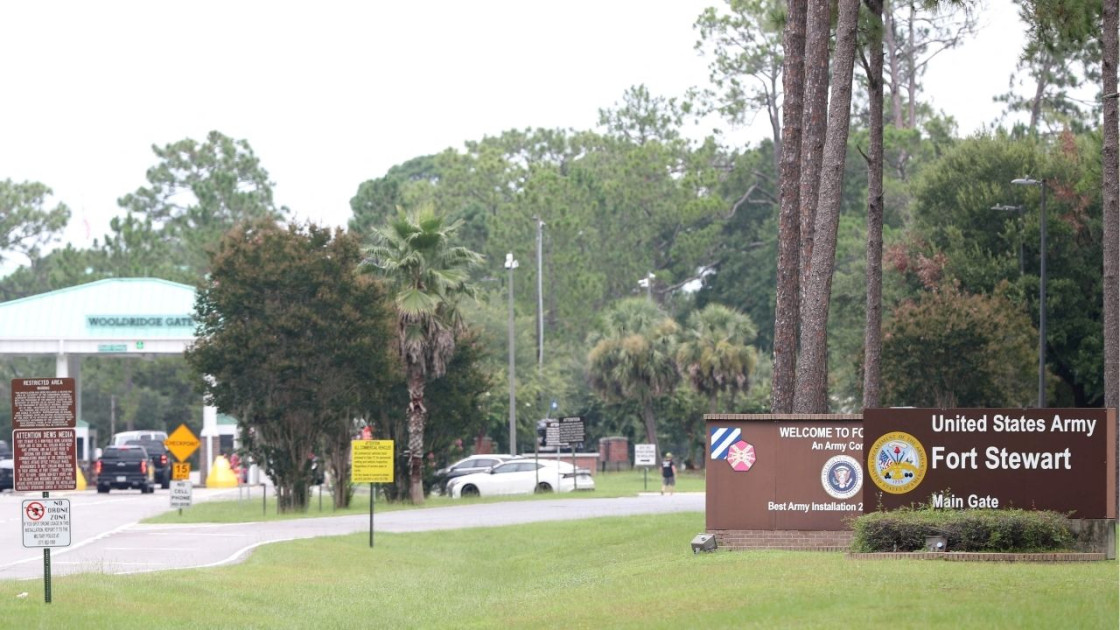
A System of Justice Apart: The UCMJ
The suspected shooter, an Army sergeant, will not be tried in a state or standard federal court. He will face a court-martial under the Uniform Code of Military Justice (UCMJ). This separate legal system was not created by judicial precedent or executive order; it was established by Congress under its explicit Article I power “To make Rules for the Government and Regulation of the land and naval Forces.”
This creates a different set of constitutional procedures.
For instance, the Fifth Amendment, which guarantees a grand jury indictment for serious crimes in the civilian world, contains a specific exception for “cases arising in the land or naval forces.” This is why the military uses its own processes, such as an Article 32 hearing, to bring charges. The framers understood that the needs of military discipline and order required a legal structure distinct from civilian life.
The Second Amendment on Federal Ground
The fact that the alleged gunman used his “personal handgun” on a military installation raises its own set of complex constitutional questions. While the Second Amendment protects an individual’s right to bear arms, the Supreme Court in District of Columbia v. Heller made it clear that this right is “not unlimited.”
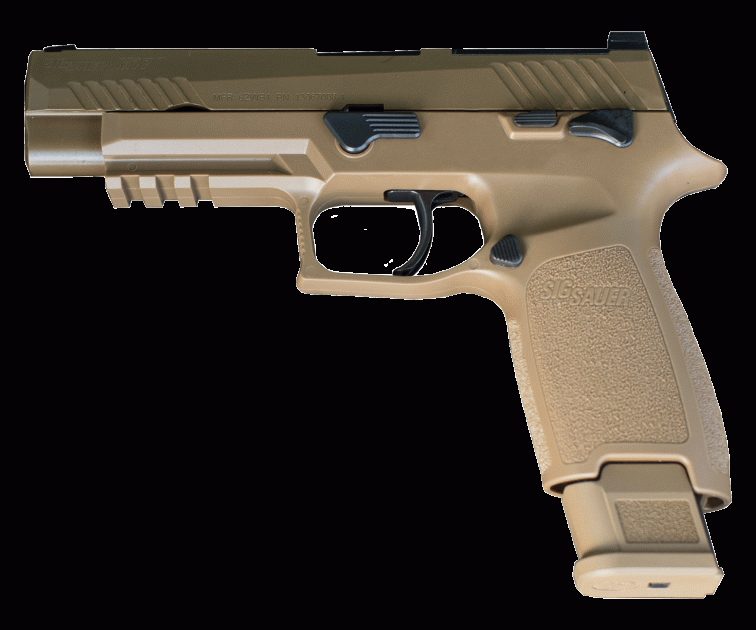
The Court specifically affirmed the long-standing tradition of prohibiting firearms in “sensitive places,” with government buildings and schools being prime examples. Military bases are the ultimate “sensitive place,” where the government has broad and necessary authority to strictly regulate and even ban the carrying of personal firearms to maintain good order and discipline. This tragic shooting will inevitably lead to a review of how those existing regulations are enforced on our nation’s military posts.
The Commander-in-Chief and Military Justice
President Trump’s strong statement that justice will be served is a direct exercise of his role as Commander-in-Chief. In our constitutional system, the military justice system flows directly from the President’s authority under Article II.
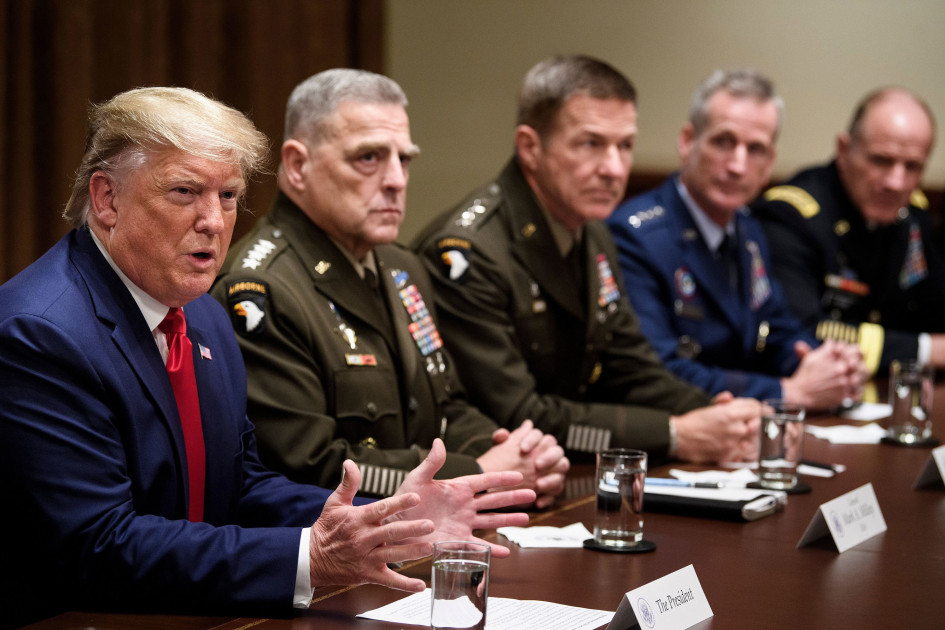
This is a key difference from the civilian world. While the UCMJ has its own courts, prosecutors, and defense lawyers to ensure a fair process, the ultimate authority rests within the executive branch’s chain of command. A military trial is an exercise of command authority, designed to enforce discipline within the ranks.
The tragedy at Fort Stewart is a sobering reminder of the unique legal and constitutional space that our armed forces occupy. The pursuit of justice for the five wounded soldiers will now proceed down a path unfamiliar to most Americans, but one that is deeply rooted in our constitutional history.
It is a system designed to meet the unique needs of a disciplined fighting force, and its application in this case will be a test of its ability to deliver justice for those who serve.