
As Washington remains locked in a bitter standoff, threatening to keep the federal government partially shut down, the political fight is about to hit home in the most visceral way possible – the grocery aisle.
Funding for the Supplemental Nutrition Assistance Program (SNAP), commonly known as food stamps, is set to dry up in a matter of days. This program, a cornerstone of the American social safety net, feeds over 40 million people.
Understanding what SNAP is, how it works, and why it’s become a political football is no longer an academic exercise. It’s essential knowledge for grasping the real-world consequences of Washington’s dysfunction and the constitutional powers at play.
At a Glance: Understanding SNAP
- What it is: The Supplemental Nutrition Assistance Program (SNAP), or food stamps, is the largest federal program dedicated to fighting domestic hunger.
- Who it Helps: Provides food purchasing assistance to over 40 million low-income Americans, including children, seniors, disabled individuals, and low-wage workers.
- How it’s Funded: Primarily funded by federal tax dollars through annual appropriations passed by Congress, with states sharing administrative costs. Current annual cost is roughly $80-100 billion.
- The Current Crisis: Funding is set to expire due to the ongoing government shutdown, potentially halting November benefits.
- The Constitutional Issue: Rooted in Congress’s Article I power to tax and spend for the “general Welfare.” The current crisis highlights the consequences when Congress fails to exercise this “power of the purse.”
What Is SNAP?
Think of SNAP as a modern evolution of the old paper food stamps. It’s a federal program, run by the U.S. Department of Agriculture (USDA), but administered day-to-day by individual states.
Its core mission is straightforward: to provide a basic nutritional safety net for individuals and families who cannot afford an adequate diet. It’s designed to supplement a household’s food budget, not replace it entirely.
A Safety Net Woven with Taxpayer Dollars
SNAP is funded almost entirely by you, the federal taxpayer. Each year, Congress must pass laws – known as appropriations bills – that allocate money from the U.S. Treasury to fund the program. This power comes directly from Article I, Section 8 of the Constitution, which gives Congress the authority to tax and spend to “provide for the… general Welfare of the United States.”
While estimates vary, the total cost runs into the tens of billions annually. This funding structure highlights a key aspect of federalism: the federal government sets the rules and provides the money, while state agencies handle the applications, eligibility checks, and distribution of benefits.
When spread across all 330 million U.S. residents, the cost drops to around $300 per person, and because many filers owe little or no net federal tax, the effective “burden” on the median American is likely far smaller. Recent declines in SNAP spending – down roughly 14% year-over-year in 2024 – also reinforce that the average taxpayer’s annual contribution to food stamps is trending downward, not up.
Who Relies on SNAP?
Eligibility for SNAP is based primarily on income and assets. Generally, households must have a gross income at or below 130% of the federal poverty line and limited savings to qualify. Citizenship or qualified non-citizen status is also required.
The program reaches a vast and diverse swath of the American population. While often associated with unemployment, a large percentage of SNAP recipients are in households with someone who works, particularly in low-wage jobs. Millions of children, seniors, and people with disabilities also rely on SNAP benefits to meet their basic nutritional needs.
How Does It Actually Work?
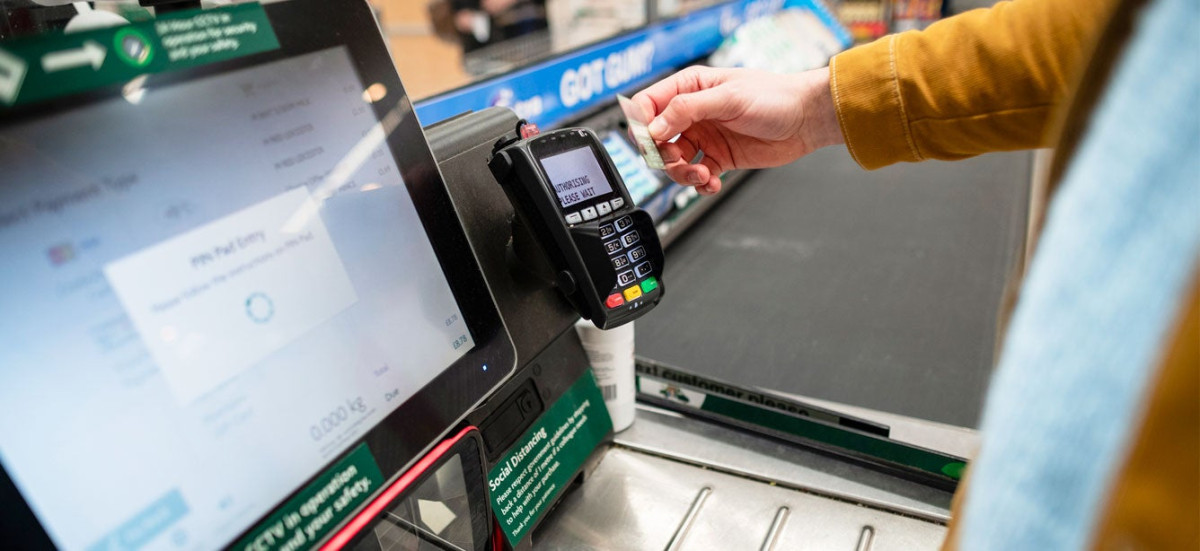
Benefits are distributed monthly via an Electronic Benefit Transfer (EBT) card, which works like a debit card at authorized grocery stores and farmers markets.
The amount a household receives depends on its size, income, and certain expenses like housing costs. These benefits can only be used to purchase eligible food items – generally, staple foods intended to be prepared at home. They cannot be used for alcohol, tobacco, vitamins, pet food, prepared hot foods, or household supplies.
Why is SNAP So Contentious?
Despite its broad reach, SNAP remains a deeply divisive program. The debate typically falls along familiar lines.
Supporters argue it is the nation’s most effective anti-hunger program, a vital safety net that reduces poverty, improves health outcomes for children, and acts as an economic stimulus during downturns (as benefit dollars are spent quickly in local communities).
Critics argue the program fosters dependency on the government, discourages work, and is susceptible to fraud and abuse. (Though official USDA data puts the rate of fraudulent trafficking at a relatively low 1.3%). These arguments often lead to calls for stricter work requirements or eligibility limits.

The Shutdown’s Shadow: A Human Cost
The current government shutdown has brought the precariousness of SNAP funding into sharp focus. Because Congress failed to pass a new funding law by October 1st, the USDA’s authority to spend money is expiring.
This isn’t a political choice by the agency; it’s a constitutional mandate. The Appropriations Clause (Article I, Section 9) forbids spending money without a law passed by Congress, and the Antideficiency Act imposes penalties on officials who try.
When Congress fails to do its most basic job – funding the government – the consequences are not abstract. For millions of families, it means the very real possibility of an empty pantry.
The human cost of using SNAP funding as a bargaining chip in a political fight is immense. Food banks are bracing for impact, and families across the country face terrifying uncertainty.
A Question of Welfare
The battle over SNAP funding is more than just a line item in the federal budget. It is a fundamental debate about the meaning of the Constitution’s promise to “promote the general Welfare.”
Does that mean providing a basic nutritional safety net for the nation’s most vulnerable? Or does it mean ensuring fiscal responsibility above all else?
As the shutdown continues, the answer Congress gives will have immediate and profound consequences for millions of Americans simply trying to put food on the table.