
What began as a review triggered by President Trump’s pardons quickly turned into a deeper examination of how far executive clemency can reach – and what, if anything, the courts must do in response.
As the judge dug back into the record, a far more complicated question emerged: when a presidential pardon intersects with a criminal sentence, what exactly happens to the financial penalties that were already paid? The answer, it turns out, carries implications far beyond the two defendants at the center of this dispute.
The ruling couldn’t be more significant for those pardoned by President Trump. But more importantly, it is a complex lesson in the interaction between executive clemency and judicial procedure.
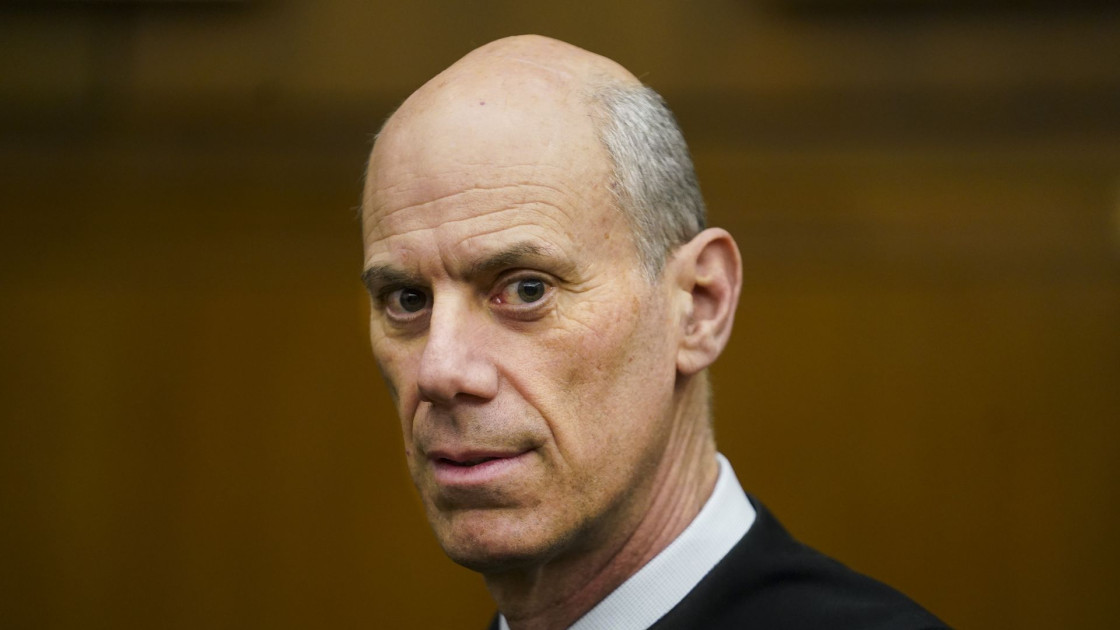
Why Did the Judge Change His Mind?
U.S. District Judge James Boasberg had previously rejected the request for refunds from Cynthia Ballenger and Christopher Price. His reversal this week hinges on a specific and crucial legal distinction.
The judge reaffirmed that a presidential pardon, by itself, does not entitle a defendant to get their money back. However, in this specific case, the pardons were issued while the defendants’ appeals were still pending in a higher court. This timing is critical. Because the appeals were mooted by the pardons, the D.C. Circuit Court of Appeals vacated the convictions entirely.
“In plain English, vacatur — unlike a pardon — ‘wholly nullifie[s]’ the vacated order and ‘wipes the slate clean,’” Boasberg wrote.
This decision is not just about a few hundred dollars. It sets a potential precedent that could see taxpayers refunding thousands of dollars to individuals who were convicted of storming the Capitol, raising profound questions about the finality of justice and the power of a presidential pardon to rewrite history.
Does a Pardon Erase the Crime?
This ruling illuminates a nuanced constitutional debate. Historically, as the Supreme Court noted in Burdick v. United States (1915), a pardon “carries an imputation of guilt; acceptance a confession of it.” It forgives the punishment but does not necessarily erase the historical fact of the crime.
However, Judge Boasberg’s ruling suggests that when a pardon leads to a vacated conviction—a legal erasing of the judgment itself—the government loses its legal claim to any fines or restitution collected under that judgment. This creates a scenario where the executive branch’s act of clemency triggers a judicial process that effectively unstitches the entire prosecution, treating the conviction as if it never happened.
Who Pays for the Damage?
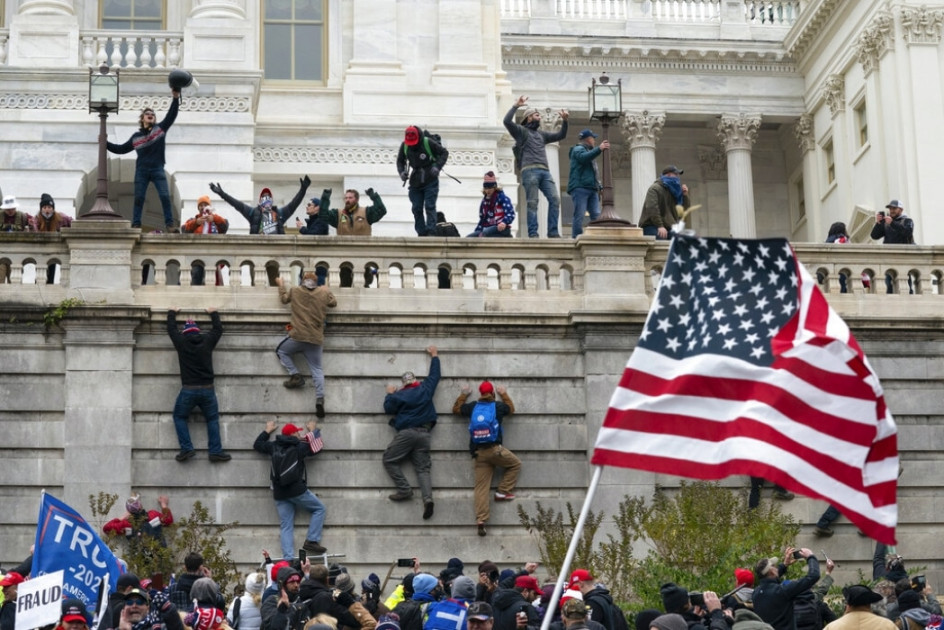
The political and moral implications of this legal logic are explosive. Democrats, like the late Rep. Gerald Connolly, have argued that such moves let rioters “off the hook” for the estimated $2.7 billion in damages caused to the Capitol and the costs of the response.
If the government must refund restitution payments—money specifically intended to repair the damage caused by the crime—it effectively shifts the financial burden of January 6th from the convicted participants back onto the American taxpayer.
Judge Boasberg’s decision is a strict application of legal procedure regarding vacated sentences. But its real-world impact is to complete the cycle of absolution initiated by the President. By combining the pardon power with the procedural rules of the courts, the administration has not just forgiven the prison time of its supporters; it has now begun to erase the financial consequences of their actions as well.