
A single federal judge has thrown up a nationwide roadblock in front of one of the Trump administration’s most sought-after policy goals.
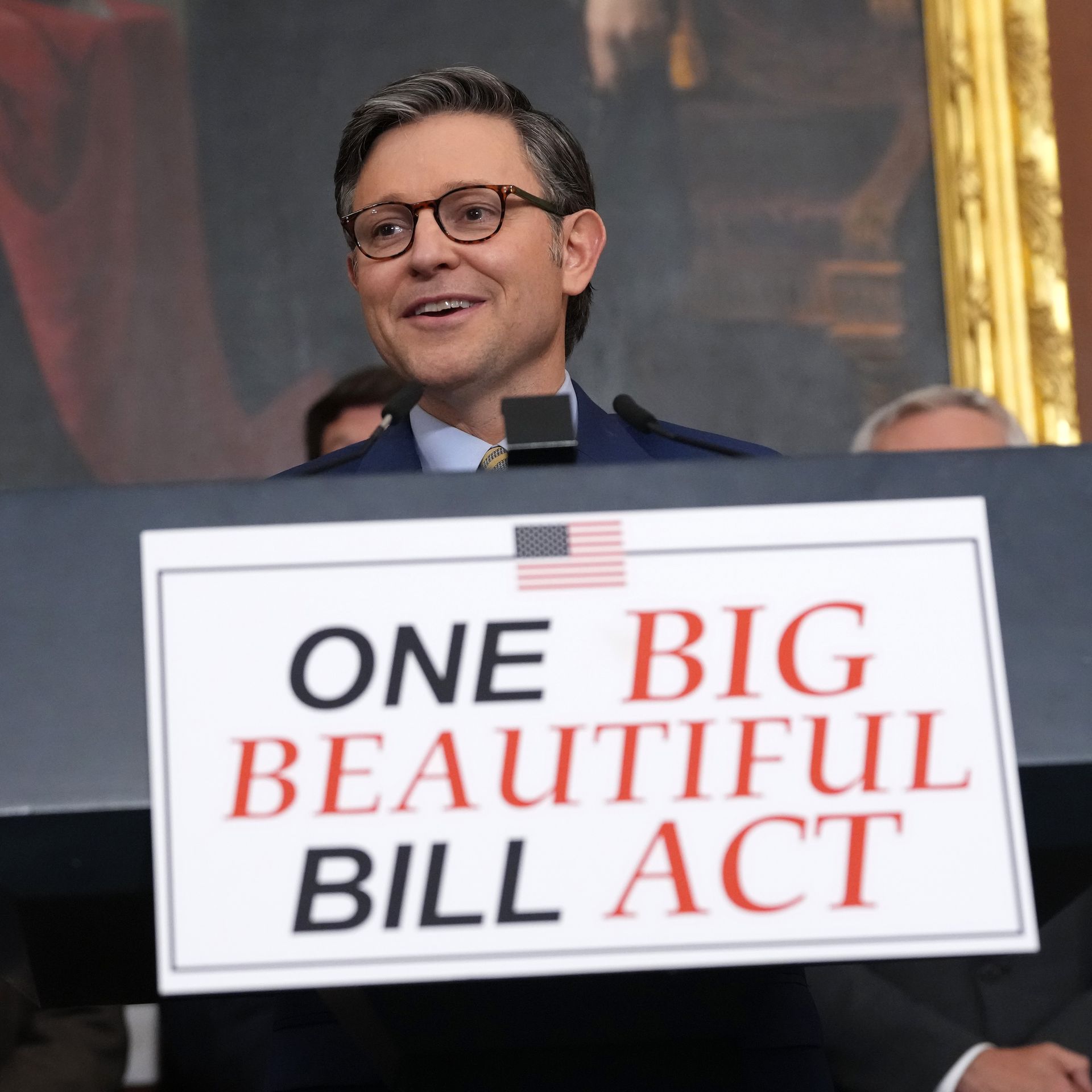
A new law, passed just weeks ago as part of the “one big beautiful bill,” aimed to cut off all federal Medicaid funding to Planned Parenthood clinics across the country. But a judge in Boston has declared that effort is “likely unconstitutional,” setting the stage for an epic legal battle.
This is more than just another fight over abortion. It’s a profound constitutional clash over free speech, government power, and the healthcare rights of millions of low-income Americans.
Join the Discussion
A Nationwide Injunction
On Monday, U.S. District Judge Indira Talwani granted Planned Parenthood’s request for a nationwide preliminary injunction. This order temporarily freezes the administration’s policy, keeping the flow of Medicaid funds to the clinics in place while the full lawsuit proceeds through the courts.
In her ruling, Judge Talwani found that cutting off the funding would cause “irreparable harm” to patients. She cited the high probability of “adverse health consequences,” including an “increase in unintended pregnancies” and an “increase in undiagnosed and untreated STIs” if the clinics were forced to close or reduce services.

The Constitutional ‘Catch-22’
At the heart of the judge’s decision is a powerful but often misunderstood legal principle known as the “unconstitutional conditions doctrine.”
In simple terms, this doctrine says that the government cannot force a person or organization to give up a constitutional right in exchange for receiving a government benefit.
Planned Parenthood’s lawyers argued – and the judge appears to agree – that this law is designed to punish them for their separate, constitutionally protected activities.
Because Planned Parenthood provides abortions (with non-federal funds) and advocates for abortion rights, the new law seeks to deny them participation in the Medicaid program, which reimburses them for routine, non-abortion healthcare like cancer screenings, contraception, and STI testing.
At its heart, this is a First Amendment case. The court is signaling that the government likely cannot use its funding power to punish an organization for its separate, constitutionally protected speech and activities.
This creates a constitutional “catch-22”: to receive government funding for providing legal healthcare services, the organization would have to stop engaging in other legal, constitutionally protected activities. The court has signaled this is likely a violation of the First Amendment.
The Power of the Purse Meets Its Limit
The provision to defund Planned Parenthood was a key part of the massive domestic policy bill signed into law by President Trump on July 4th. It represents an exercise of Congress’s immense “power of the purse” – its authority under Article I of the Constitution to decide how taxpayer money is spent.
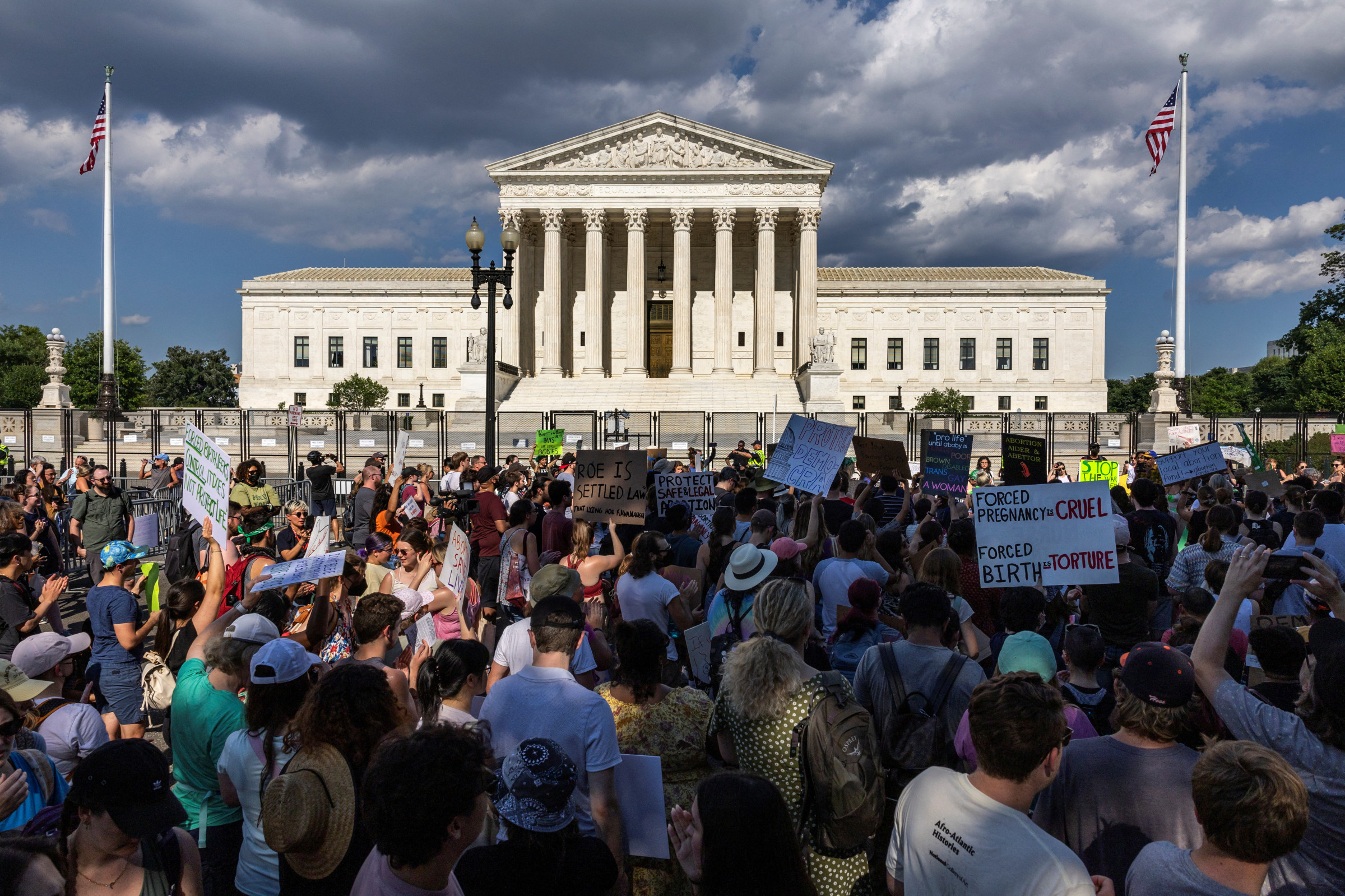
But that power is not absolute. This ruling is a classic example of judicial review, where the judicial branch steps in to declare that the political branches (Congress and the President) cannot use their spending power in a way that violates other parts of the Constitution, such as the First Amendment’s guarantees of free speech and association.
The Shadow Docket Looms
This injunction is a major, immediate victory for Planned Parenthood, but it is only the first step in what is sure to be a long and bitter legal fight.
The Trump administration will certainly appeal the decision. More significantly, they may seek an emergency stay from the Supreme Court. The administration has recently found great success in using the high court’s emergency application process, often called the “shadow docket,” to get lower court injunctions lifted quickly, bypassing the normal, lengthy appeals process.
“While this is a major victory for Planned Parenthood, the final battlefield is likely to be the Supreme Court, where the administration has found recent success in getting emergency orders to override lower court judges.”
A Battle Over More Than Just Funding
This case is not just about the flow of Medicaid dollars to a specific organization. It is a fundamental battle over whether the government can use its immense financial power to penalize organizations it disagrees with politically.
The judge’s ruling is a strong defense of the principle that participation in government programs cannot require the surrender of constitutional rights. The coming appeals will determine whether that firewall holds, or if the “power of the purse” can be successfully wielded as a political weapon.