
In the tense quiet of a federal courtroom, the trial of a would-be presidential assassin pivoted to a single, crucial piece of evidence: the rifle found in the woods. An FBI firearms expert took the witness stand, and his clinical, technical testimony would provide the most chilling and constitutionally significant moment of the trial yet.
The agent’s testimony goes to the very heart of our methodical, evidence-based process of justice and the immense constitutional burden the government must meet to prove its case.

A Weapon “Prepared to Fire”
The testimony from the FBI expert is the cornerstone of the prosecution’s case against Ryan Routh, the man representing himself against charges of attempting to assassinate the president. The agent’s clinical conclusion that the weapon was loaded, a round was in the chamber, and it was “prepared to fire” goes directly to the legal element of intent.
To secure a conviction for an “attempt” crime, prosecutors must prove more than just a bad thought; they must prove the defendant took a “substantial step” toward committing the crime with a specific, criminal intent. The expert testimony is a powerful piece of evidence designed to convince the jury that the suspect’s intent was clear and deadly.
The Constitutional Burden of Proof
This is where the story becomes a crucial civics lesson. The expert’s testimony is a direct demonstration of the presumption of innocence and the government’s high burden to prove guilt beyond a reasonable doubt.
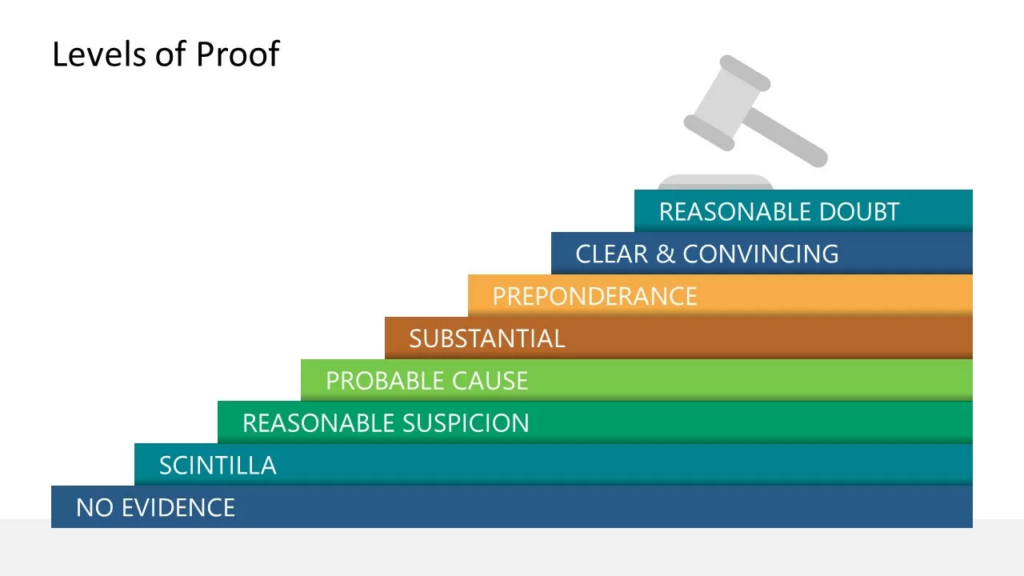
In our constitutional system, the government cannot simply declare a person guilty. It must build a case, brick by brick, with verifiable facts and expert analysis. This testimony is the prosecution’s attempt to replace speculation about the defendant’s motive with a hard, physical fact about his actions.
The Right to Confrontation
The trial also provided a surreal, but constitutionally vital, demonstration of the defendant’s rights. Acting as his own lawyer, Ryan Routh had the opportunity to cross-examine the very FBI agent who was presenting this damning evidence against him.
This is the Sixth Amendment’s Confrontation Clause in action. Every accused person, no matter how heinous the crime or how bizarre their own courtroom conduct, has the absolute right to confront and question the witnesses against them. It is a foundational, non-negotiable component of a fair trial.

The testimony about the rifle marks a critical and sobering moment in these proceedings. It is what the rule of law looks like in practice – not the passionate chaos of the crime, but the cold, methodical, and disciplined presentation of evidence. This is a process that honors the rights of the accused while relentlessly pursuing the truth, the ultimate foundation of our constitutional republic.