
The cold January air in Minneapolis has been punctuated by the sound of whistles, sirens, and, most recently, gunfire. What started as a massive federal initiative to enforce immigration law has rapidly devolved into a jurisdictional war that threatens the very fabric of American federalism.
On Wednesday, the death of a 37-year-old woman at the hands of a federal agent didn’t just ignite a local protest – it ignited a constitutional firestorm. As the Mayor and the Governor openly accuse federal agencies of spreading “garbage” and “propaganda,” the nation is witnessing a rare and dangerous sight: local executives directly defying the federal administrative state.
At a Glance
- The Operation: Part of a massive 2026 surge involving 2,000 federal agents deployed to the Minneapolis area.
- The Escalation: A fatal shooting of an unarmed woman by an ICE agent during a residential neighborhood operation.
- The Video Evidence: Bystander footage appears to show the vehicle moving as agents surround it, leading to a dispute over the “self-defense” narrative.
- State vs. Federal: Governor Tim Walz and Mayor Jacob Frey have signaled a refusal to accept federal versions of the event, asserting state investigative authority.
- Constitutional Stakes: The case tests the anti-commandeering doctrine and the Fourth Amendment’s protections against excessive force.
The Context: A City Under Surge
To understand the chaos of January 7, one must look at the preceding weeks. Following a shift in federal priorities in early 2025, the Department of Homeland Security (DHS) initiated the “largest immigration operation ever” in the Twin Cities. The deployment of 2,000 agents — a number that rivals the size of the entire Minneapolis Police Department — was intended to signal a new era of “zero tolerance.”
However, under the 10th Amendment, states and cities are not required to act as an arm of the federal government. Minneapolis, long a “sanctuary” jurisdiction, had already instructed its local police to withhold cooperation.
This created a fractured enforcement environment where federal agents operated in a vacuum, without the local knowledge or “community policing” rapport that often prevents escalations.
Chronology of a Fatal Encounter
The events of Wednesday morning unfolded in a residential neighborhood where ICE agents were conducting “targeted operations.” By 1:00 p.m., a crowd of residents and activists had begun to gather, using whistles to alert the neighborhood to the agents’ presence.
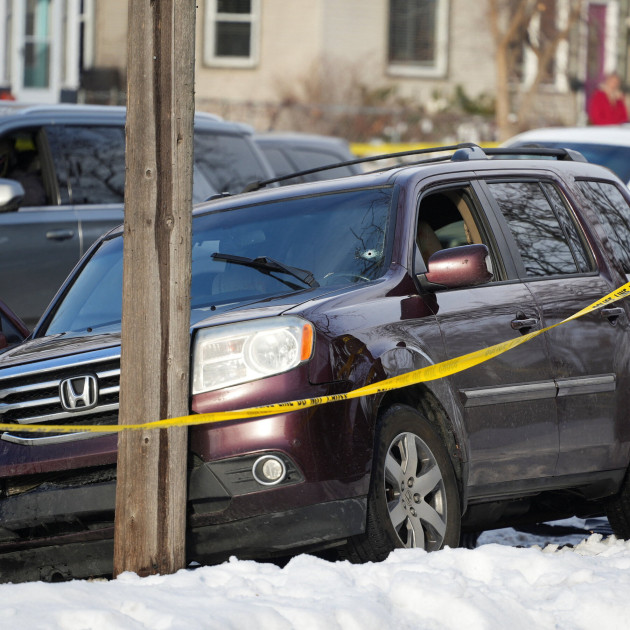
A 37-year-old woman, who Police Chief Brian O’Hara later confirmed was not the target of the federal warrant, was sitting in her car, which was partially blocking a two-lane street.
Bystander video shows agents approaching the car, with one agent attempting to open the driver’s door while shouting orders.
The car began to move — first in reverse, then forward. Three shots were fired through the windshield. The driver was struck in the head and died shortly after. DHS quickly released a statement characterizing the vehicle as a “weaponized” tool of “domestic terrorism,” claiming the officer fired to save his life.
The Battle over the Narrative
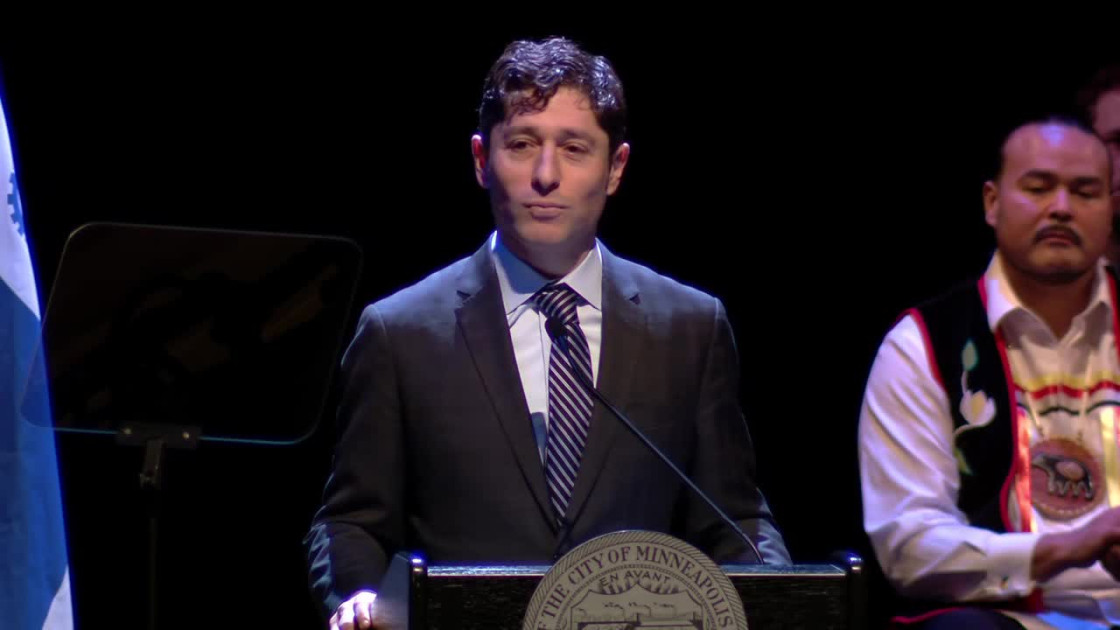
The immediate fallout was defined by a total breakdown in trust between levels of government. Mayor Jacob Frey’s afternoon press conference was a remarkable departure from typical inter-governmental decorum. By using profanity to demand the federal government’s exit, Frey was doing more than expressing anger; he was asserting territorial sovereignty.
“Having seen the video myself, I want to tell everybody directly that is bullshit. This was an agent recklessly using power that resulted in somebody dying.” — Minneapolis Mayor Jacob Frey
Chief O’Hara’s warning to his own officers — to stop “unlawful force” by ICE or lose their jobs — points to a burgeoning crisis in the Police Power of the state. Under the Constitution, the state retains the primary responsibility for the health, safety, and welfare of its citizens.
When a federal agency is perceived as the primary threat to that safety, the state’s duty to protect its residents can clash directly with the federal government’s Supremacy Clause authority to enforce national law.
The Constitutional Question of Immunity
The legal battle ahead will likely center on qualified immunity and the Federal Tort Claims Act. Typically, federal agents are shielded from state prosecution for actions taken in the course of their duties.
However, if Governor Tim Walz follows through on his promise of a “full, fair, and expeditious investigation,” we may see an attempt to bypass federal immunity.
If a state prosecutor attempts to charge a federal agent with murder or manslaughter, it would force the courts to decide if the agent’s actions were “plainly incompetent” or a “willful violation of the law.” The Fourth Amendment prohibits “unreasonable seizures,” and the Supreme Court has held that shooting an unarmed suspect in a moving vehicle is only “reasonable” if the officer has probable cause to believe the suspect poses a significant threat of death or serious physical injury to others.

A Divided Reaction Across the Republic
The response to the Minneapolis shooting has been divided along predictable but deepening ideological lines, reflecting the strain on our national compact.
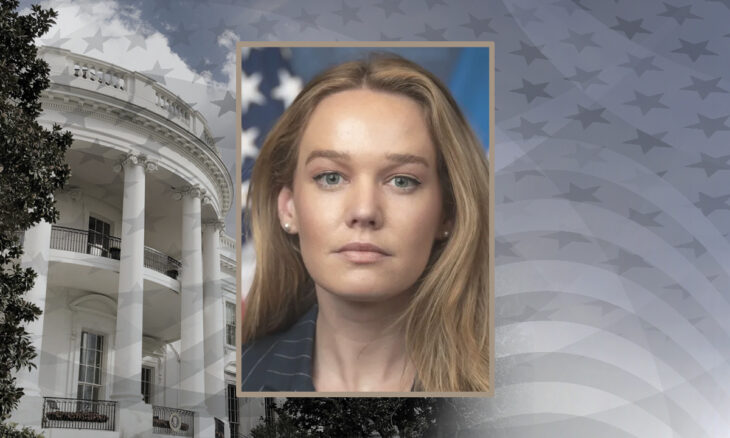
The Federal Perspective: DHS Assistant Secretary Tricia McLaughlin framed the incident as a direct result of “sanctuary politicians” who “fuel and encourage rampant assaults” on federal officers. From this viewpoint, the local government’s refusal to cooperate has created a lawless environment that endangers agents.
The Congressional Response: Senate Minority Leader Chuck Schumer “saluted” the protesters, a move that critics argue encourages civil unrest, while supporters see it as a defense of the First Amendment right to petition the government for a redress of grievances. Representative Eric Swalwell’s call to “strip them of their immunity” signals a potential legislative push to redefine federal law enforcement powers.
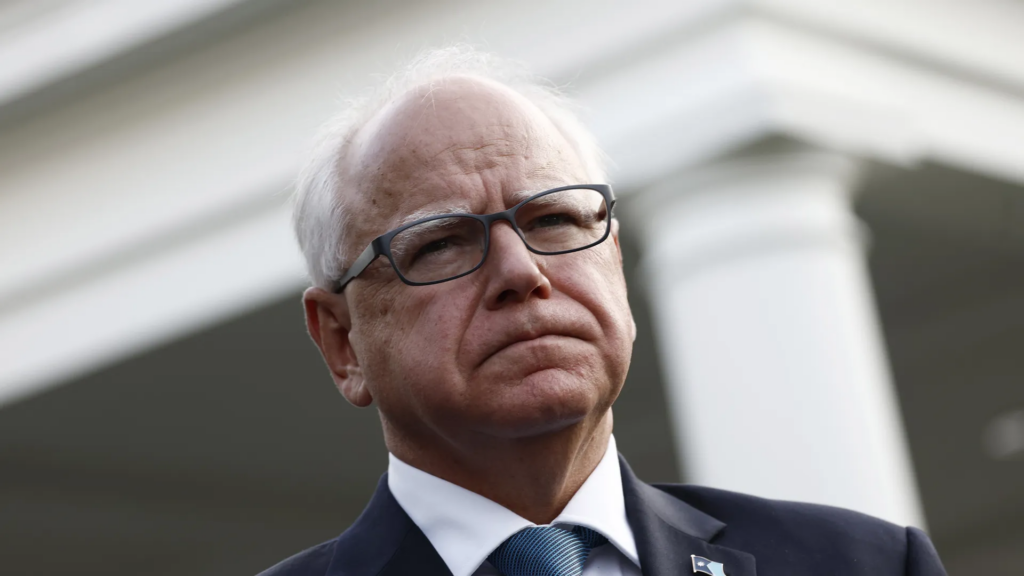
The State Response: Governor Walz’s labeling of the federal narrative as a “propaganda machine” suggests that Minnesota may no longer recognize federal “findings” as legitimate. This is a significant step toward modern nullification, where a state ignores federal authority it deems unconstitutional or fraudulent.
The Laboratory of Democracy in Flames
The Founders designed federalism to be a system of “friction” to prevent any one branch of government from becoming too powerful. However, the friction in Minneapolis is no longer a check or a balance; it is a breakdown.
The 10th Amendment was intended to allow states to serve as “laboratories of democracy,” but when those laboratories are occupied by thousands of federal agents against the will of local leaders, the experiment changes.
The Constitution provides the federal government with supreme power in specific areas, like immigration, but it does not grant a blank check for how that power is exercised within the states. As we move toward a likely legal showdown, the question is not just whether the shooting was justified, but whether the sovereignty of the state still holds meaning when the federal government decides to surge.
A Precarious Path Forward
The situation in Minneapolis is a vivid illustration of what happens when the “consent of the governed” is withdrawn at the local level while being asserted at the national level. As long as federal agents and local leaders remain in an open state of hostility, the residents of Minneapolis are caught in a constitutional “no-man’s-land.” The resolution of this crisis will determine the boundaries of federal power for decades to come.