
President Trump announced Wednesday that Israel and Hamas agreed to his peace plan ending two years of Gaza war. The announcement caps a year where Trump positioned himself as Middle East peacemaker through multiple diplomatic initiatives – some successful, some stalled, and some still unfolding. He’s publicly discussed his Nobel Peace Prize prospects more than once along the way.
The Gaza agreement represents Trump’s most significant breakthrough after months of negotiations involving hostage releases, territorial withdrawals, and governance arrangements nobody’s fully explained yet. But it’s just one piece of broader Middle East strategy Trump’s pursued since returning to office in January 2025.
Understanding what Trump actually accomplished requires examining each initiative separately, measuring results against rhetoric, and assessing whether 2025’s diplomatic activity produces lasting change or temporary agreements that collapse during implementation.
Tracking the Gaza Negotiations From January Through October
Trump inherited a stalemated Gaza conflict when taking office. Israel and Hamas had been fighting since October 7, 2023, with multiple ceasefire attempts failing over hostage releases, prisoner exchanges, and withdrawal terms both sides rejected.
Early 2025 saw Trump publicly criticizing Netanyahu’s military campaign while also pressuring Hamas through regional intermediaries. The approach differed from Biden administration’s more cautious engagement – Trump wanted quick resolution rather than prolonged negotiations building consensus.
By March, Trump’s team had developed preliminary frameworks for hostage-prisoner exchanges that both sides initially dismissed as unworkable. Israel wanted all hostages released before agreeing to Palestinian prisoner releases or military withdrawals. Hamas wanted simultaneous exchanges and immediate Israeli withdrawal from all Gaza territory.
Trump’s negotiators worked with Qatar, Egypt, and Turkey to bridge gaps through phased approaches where neither side got everything immediately but both achieved core objectives over time. That became the foundation for the 20-point plan Trump unveiled in early October.
The plan included controversial provisions like amnesty for Hamas members who disarm, which generated immediate criticism from Israeli families of October 7 victims. But Trump argued that ending the war required compromises both sides found uncomfortable.
His Friday deadline threat – that many more Hamas fighters would die if they didn’t accept terms by Sunday – created urgency that previous negotiations lacked. Combined with pressure on Netanyahu to halt strikes, the dual approach finally produced Wednesday’s announced agreement.
Whether the agreement holds during implementation remains uncertain. Getting both sides to announce acceptance is different from actually releasing hostages, withdrawing troops, and establishing governance arrangements that prevent war’s resumption.
Reviving Saudi-Israel Normalization Talks That Biden Started
Trump campaigned partly on completing Saudi Arabia-Israel normalization that Biden administration had been negotiating. The talks stalled over Palestinian statehood issues, Saudi demands for U.S. security guarantees, and Israeli settlement expansion in West Bank.
Trump’s approach involved separating normalization from Palestinian statehood questions that deadlocked Biden’s efforts. Rather than requiring Israel to commit to Palestinian state before Saudi normalization, Trump argued that regional stability and economic cooperation should proceed independently.
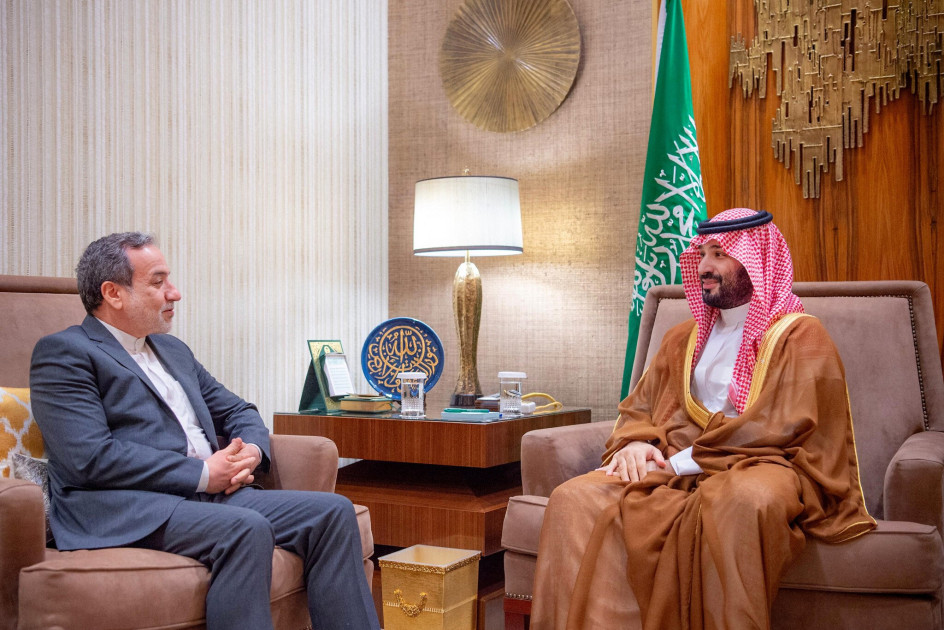
Saudi Crown Prince Mohammed bin Salman signaled openness to this approach in February conversations with Trump’s Middle East envoy Steve Witkoff. The Saudis wanted normalization for economic and strategic reasons – access to Israeli technology, joint security cooperation against Iran, and enhanced regional influence.
But domestic political considerations in Saudi Arabia required the kingdom to maintain support for Palestinian rights even while normalizing with Israel. MBS needed arrangements allowing him to claim he hadn’t abandoned Palestinians while pursuing Israeli relations.
Trump’s solution involved linking Saudi normalization to the Gaza peace process. If Israel accepted frameworks that could eventually lead toward Palestinian autonomy or statehood – without committing to specific timelines or borders – Saudi Arabia could justify normalization as supporting Palestinian interests through enhanced influence over Israel.
By summer, those talks had produced preliminary understandings about security cooperation, technology transfers, and economic partnerships. But actual normalization agreements remained unsigned pending Gaza resolution that both sides viewed as necessary political cover.
Wednesday’s Gaza announcement potentially unlocks Saudi-Israel normalization by demonstrating Israeli willingness to accept Palestinian governance arrangements in Gaza. Whether that’s sufficient for Saudi domestic politics remains to be seen, but it creates conditions for normalization to proceed.
Expanding Abraham Accords Beyond Original Four Countries
Trump frequently referenced the Abraham Accords from his first term – agreements normalizing Israeli relations with United Arab Emirates, Bahrain, Sudan, and Morocco. He criticized Biden for not expanding those agreements and promised to bring additional countries into the framework.
His 2025 efforts focused on Indonesia, Malaysia, and several African nations as potential additions. The pitch emphasized economic benefits from Israeli technology partnerships, intelligence sharing on counterterrorism, and enhanced regional cooperation against Iranian influence.
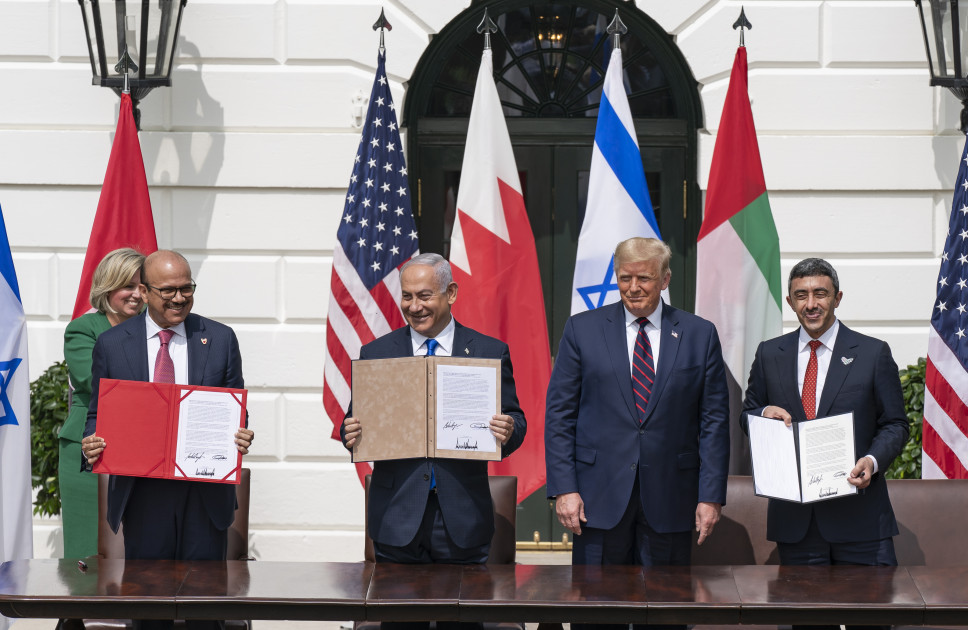
Indonesia presented particular challenges given its large Muslim population and historical support for Palestinian causes. But Trump’s team argued that Israeli desalination technology could help Indonesia address water scarcity, agricultural partnerships could boost food production, and cybersecurity cooperation could protect Indonesian infrastructure.
Malaysian Prime Minister Anwar Ibrahim met with Trump in April to discuss potential normalization framework. Anwar faced domestic opposition from Islamic parties but saw economic opportunities from Israeli partnerships that could benefit Malaysian development.
By September, preliminary agreements with both countries were circulating but remained unsigned. Neither wanted to be first to normalize given political risks, creating a coordination problem where both would move together but neither would go alone.
Trump’s strategy involved announcing multiple normalizations simultaneously to distribute political risk. If Indonesia and Malaysia both normalize on the same day, each can point to the other as justification rather than being isolated as abandoning Muslim solidarity with Palestinians.
Those simultaneous announcements haven’t happened yet, suggesting Trump’s expansion efforts have achieved less progress than his rhetoric implies. But the Gaza agreement potentially creates momentum by demonstrating Israeli engagement with Palestinian governance that normalizing countries can cite as justification.
Negotiating the Qatar-Hamas Relationship That Complicates Everything
Qatar has hosted Hamas political leadership for years, providing financial support and diplomatic protection that Israel and some Gulf states view as enabling terrorism. Trump’s peace efforts required navigating Qatar’s role as both Hamas patron and essential mediator.
Rather than demanding Qatar expel Hamas – which would eliminate mediator credibility – Trump worked to shift Qatar’s approach from protecting Hamas to pressuring the organization toward political settlements. That meant convincing Qataris that continued Hamas military operations threatened regional stability that Qatar depends on.

The shift became apparent after Israel’s September strike targeting Hamas representatives in Qatar. The attack infuriated Qatari officials who viewed it as violation of their sovereignty. But it also motivated Qatar to pressure Hamas toward accepting peace terms they’d previously rejected.
Trump’s team framed the choice for Qatar: continue hosting Hamas while the organization rejects peace and generates regional instability, or use hosting relationship to push Hamas toward agreements that end the Gaza war and position Qatar as essential regional peacemaker.
Qatar chose the latter, applying pressure on Hamas leadership that contributed to Wednesday’s announced agreement. In exchange, Qatar maintains its mediator role and gains credit for facilitating peace rather than just enabling conflict.
That negotiation demonstrates Trump’s transactional diplomacy approach – identifying what each party wants and structuring arrangements where achieving their goals requires supporting his broader objectives. Qatar wanted to maintain regional influence and avoid isolation, so Trump made Hamas peace essential to achieving those goals.
The Iran Situation That Overshadows All Middle East Diplomacy
Every Middle East peace initiative occurs in shadow of Iranian influence and regional competition between Iran and Gulf Arab states backed by Israel and United States. Trump’s maximum pressure campaign against Iran – including military strikes on Iranian nuclear facilities he claims degraded their weapons program – shapes incentives for all regional actors.
Saudi Arabia views Iranian regional influence as existential threat. Normalizing with Israel creates de facto anti-Iran alliance that both countries pursue for security reasons beyond just economic cooperation or Palestinian issues.

Hamas receives support from Iran that enables continued resistance against Israel. Qatar’s relationship with Iran creates tensions with Gulf neighbors who view Iranian influence as threatening their security. Every country navigates relationships with Iran that affect willingness to support Trump’s peace initiatives.
Trump’s approach involves simultaneously pressuring Iran through sanctions and military action while offering regional partners enhanced security cooperation if they align against Iranian interests. That creates incentives for Saudi-Israel normalization, for Qatar to pressure Hamas, and for Arab states to accept arrangements they might otherwise reject.
But it also means that peace agreements rest partly on sustained American pressure against Iran. If that pressure decreases – whether through Trump losing interest, military complications, or domestic political constraints – the incentive structures maintaining agreements weaken.
That’s why questions about durability of Trump’s Middle East diplomacy depend partly on factors beyond specific agreement terms. They depend on whether American commitment to regional engagement and Iranian pressure remains consistent regardless of political changes or competing priorities.