
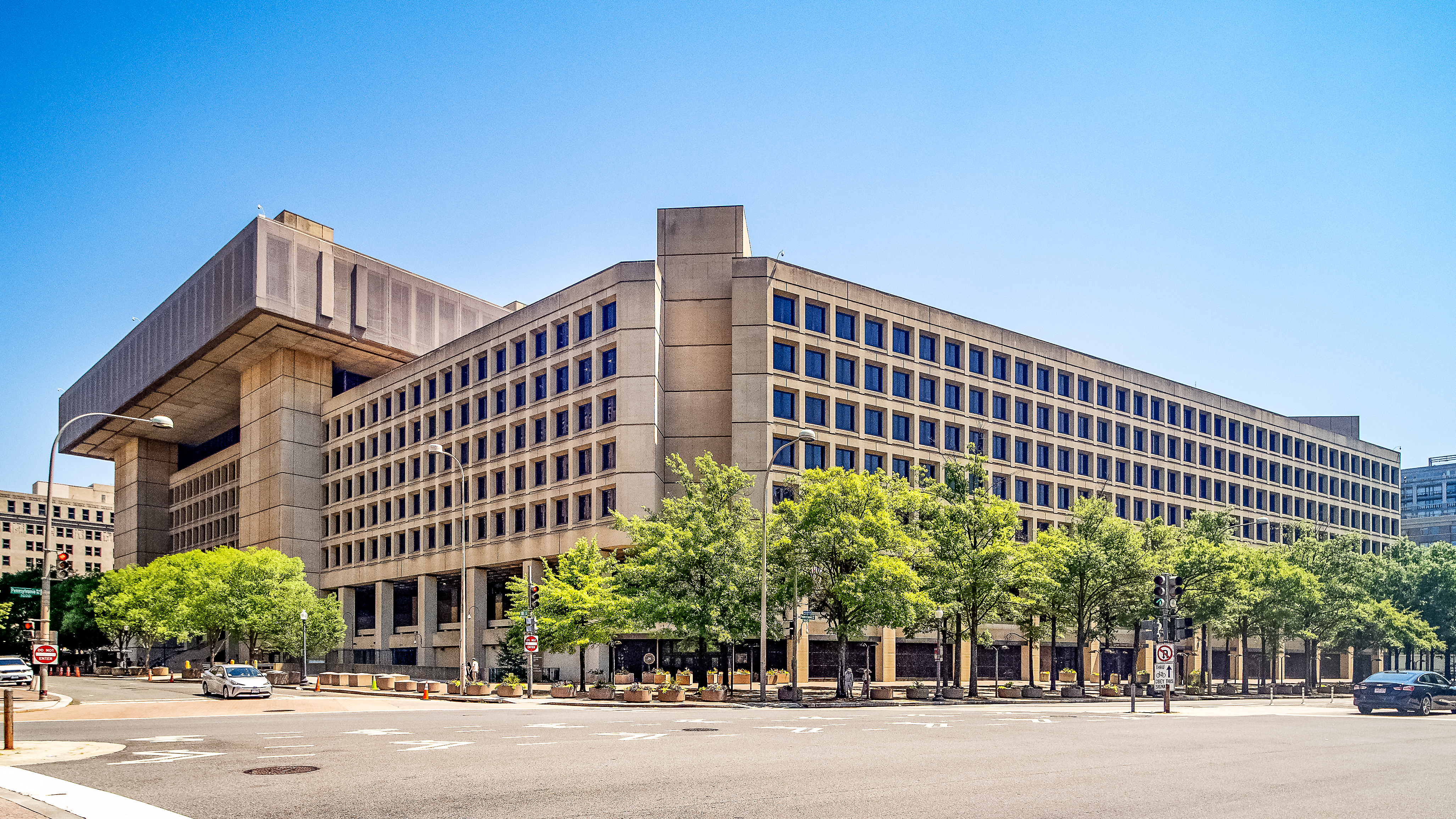
Two former FBI special agents have filed a federal lawsuit in Washington, D.C., saying they were abruptly fired because of their connection to an internal investigation tied to efforts to overturn the 2020 presidential election. The case matters beyond any two careers because it sits at the intersection of workplace protections, due process expectations, and the Constitution’s limits on political retaliation inside federal law enforcement.
Join the Discussion
What the lawsuit alleges
The agents, identified in court papers as John Doe 1 and John Doe 2, say their removals were politically motivated and tied to their participation in a bureau matter known internally as “Arctic Frost.” According to the complaint, their roles in that work were brief and largely administrative, not leadership roles directing investigative strategy.
The lawsuit names FBI Director Kash Patel and Attorney General Pam Bondi and frames the firings as retaliation for having been assigned to a politically sensitive set of cases. The agents are asking for reinstatement and a court declaration that the terminations were unlawful.
The complaint also states that in Arctic Frost, as in their other assignments, the plaintiffs say they “fully adhered to DOJ policies and procedures, including applicable statutory and regulatory requirements, and executed their law enforcement duties without bias or political motives.”
Policy and process in dispute
A key factual claim is procedural: the agents say they were terminated over a short window, within a five-day period, and that the bureau did not provide an internal process that would typically accompany serious discipline.
In their telling, they were dismissed “without internal investigation, notice, or hearing” preceding the decision. The lawsuit says Patel “summarily” fired both agents in late October and early November.
They also point to FBI policy language described in the complaint: that non-probationary special agents may be removed only for cause, such as misconduct, national security concerns, or inability to perform essential duties.
They further say their records did not suggest those kinds of deficiencies, describing performance histories they characterize as strong, including “exemplary” reviews and outside recognition.
First and Fifth Amendment claims
The lawsuit argues that the firings violated the agents’ rights under the First and Fifth Amendments, alongside alleged violations of FBI policy.
First Amendment
The agents argue that, in practice, the government punished them not for misconduct but for perceived politics or for work assignments connected to an unpopular investigation. One line from the filing puts it plainly: “Political support for President Trump is not a legal or appropriate requirement for the effective performance of plaintiffs’ respective roles within the F.B.I.”
Fifth Amendment
The agents’ due process theory is that as non-probationary agents, they could not be fired without cause and without a meaningful process, and they allege they were denied that process.
Why Arctic Frost is central
The lawsuit ties the terminations to the politically charged environment around investigations connected to January 6 and efforts to reverse the 2020 election outcome. The plaintiffs say that, in that atmosphere, being linked to the Arctic Frost matter became a liability in itself.
They also allege that soon after their firings, unredacted internal documents connected to Arctic Frost were shared with members of Congress. The complaint presents that timing as part of a broader pattern of political retaliation tied to the investigation.
What leadership has said
Neither the FBI nor the Department of Justice responded to a request for comment about the removals or the new lawsuit, according to the report of the filing.
During House testimony, Patel addressed broader criticism about terminations at the bureau, saying: “There’s 36,000 people employed at this FBI.” He also told lawmakers, “And I reject the notion wholeheartedly that the termination of those that were weaponizing law enforcement are the only ones that can do the mission.”
The lawsuit also points to Patel’s earlier remarks during his Senate confirmation hearing. Lawyers for the agents argued the removals break with his vow that agents would not be fired based on case assignments and his statement that personnel decisions “should be based on performance and adherence to the law.”
Agents group response
The FBI Agents’ Association (FBIAA), a voluntary agents’ group representing more than 14,000 active and former special agents, sharply criticized the firings. In a statement released at the time, the group said Patel “has disregarded the law and launched a campaign of erratic and arbitrary retribution.”
“An Agent simply being assigned to an investigation and conducting it appropriately within the law should never be grounds for termination,” the group said. “FBI Agents deal in facts, and we urge Director Patel to do the same.”
Why the case matters
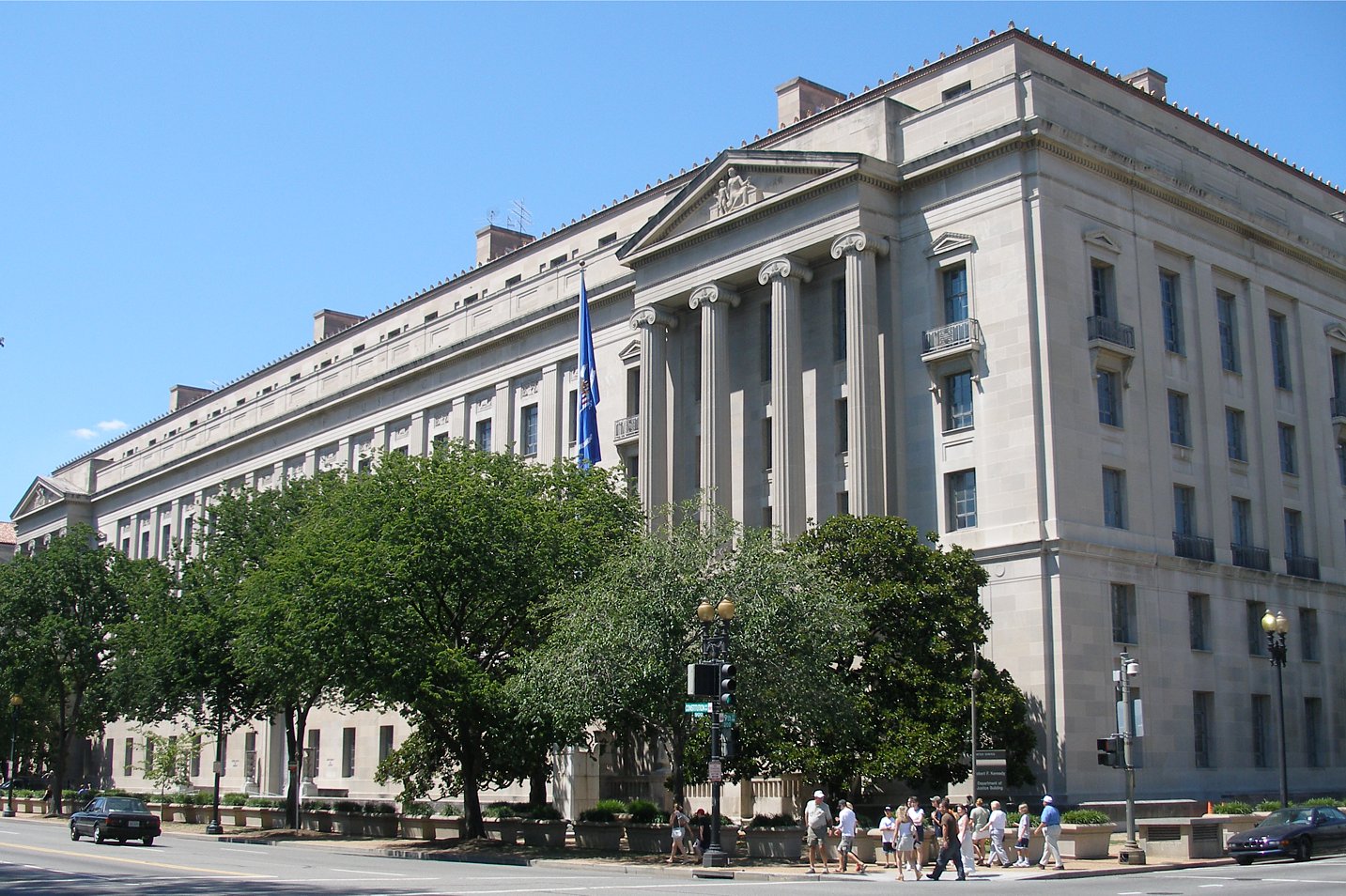
The lawsuit adds to a growing list of unlawful termination cases filed by ex-FBI agents in recent months, including claims by former agents who say they were removed solely for perceived political views or for involvement in politically sensitive investigations.
Former Department of Justice officials have cited concerns that the probe, or retaliatory measures carried out as a result, could have a chilling effect on the work of the FBI, including its more than 52 separate field offices.
At the center of the dispute is a practical question with constitutional weight: whether agents can be removed for having been assigned to and performing lawful investigative work, or whether leadership can demonstrate lawful cause and an appropriate process for the terminations.
What to watch next
- Reinstatement requests, including whether the court orders any interim relief as the case proceeds.
- The government’s stated basis for “cause” and what evidence, if any, is offered to justify the removals.
- Process questions, including what notice and hearing opportunities were available under FBI procedures for non-probationary agents.
- Broader precedent, since the filing is described as part of a growing wave of similar claims by former agents tied to politically sensitive assignments.
For readers tracking the dispute, the case is likely to turn on the stated reason for the terminations, the supporting record, and what procedures were followed before the decisions were made.