
The Discharge Petition, The Delayed Swearing-In, And The Epstein Files Trump Doesn’t Want Released
Adelita Grijalva won her congressional election on September 23. House Speaker Mike Johnson finally swore her in Wednesday afternoon – 50 days after her election was certified. Not because of vote counting delays or certification problems. Because Johnson refused to administer the oath of office until the government shutdown ended.
Hours after taking office, Grijalva signed a discharge petition to force a vote on releasing all Jeffrey Epstein investigative files. Her signature was the 218th – exactly the number needed to bypass leadership and compel a floor vote that the White House has fought for months.
The same morning, House Democrats released emails from Epstein’s estate claiming Trump “knew about the girls” and spent “hours” at Epstein’s house with victims. The timing wasn’t accidental.
The convergence creates the biggest pressure point yet on an administration that’s called releasing Epstein files a “hoax” orchestrated by Democrats. One problem: Some of the loudest voices demanding transparency come from Trump’s own base.
The Emails That Landed Wednesday Morning
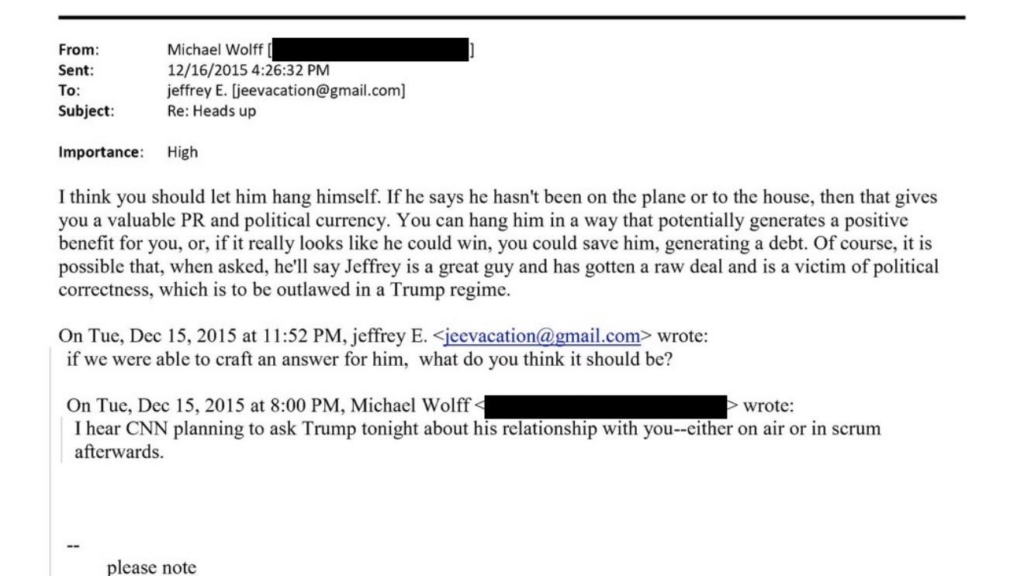
House Democrats on the Oversight Committee released emails from Epstein’s estate showing communications between Epstein, Ghislaine Maxwell, Steve Bannon, and author Michael Wolff from 2011 to 2019.
One email shows Epstein writing to Maxwell about Trump: “of course” he “knew about the girls” because Trump asked Maxwell “to stop.” Another describes Trump as “the dog that hasn’t barked” – Epstein’s assessment that Trump hadn’t publicly spoken about his knowledge of Epstein’s activities.
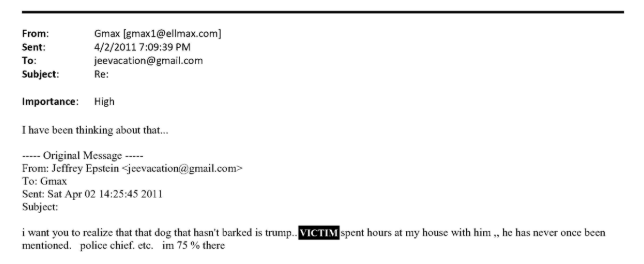
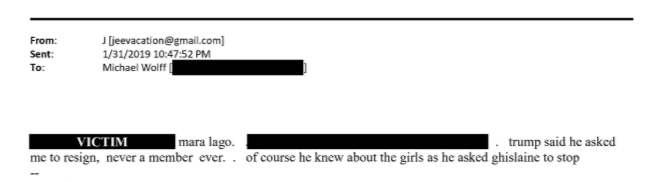
An email chain between Epstein and Bannon discusses Trump and Prince Andrew, with Epstein noting “prince andrews accuser came out of mara lago.”
Bannon responds: “Can’t believe nobody is making u the connective tissue.”
The White House called the releases a “hoax” designed to distract from the shutdown. Press Secretary Karoline Leavitt argued the emails “prove absolutely nothing other than the fact that President Trump did nothing wrong.”
Leavitt pointed to statements by Virginia Giuffre, one of Epstein’s victims, who said publicly she never witnessed Trump engage in inappropriate behavior. Republicans accused Democrats of selectively redacting Giuffre’s name to “create a fake narrative to slander President Trump.”
The emails don’t prove criminal conduct. They reveal that Epstein believed Trump had knowledge of his activities with underage girls. Whether that belief was accurate is exactly what the full federal investigative files might answer.
The Discharge Petition Nobody Could Stop
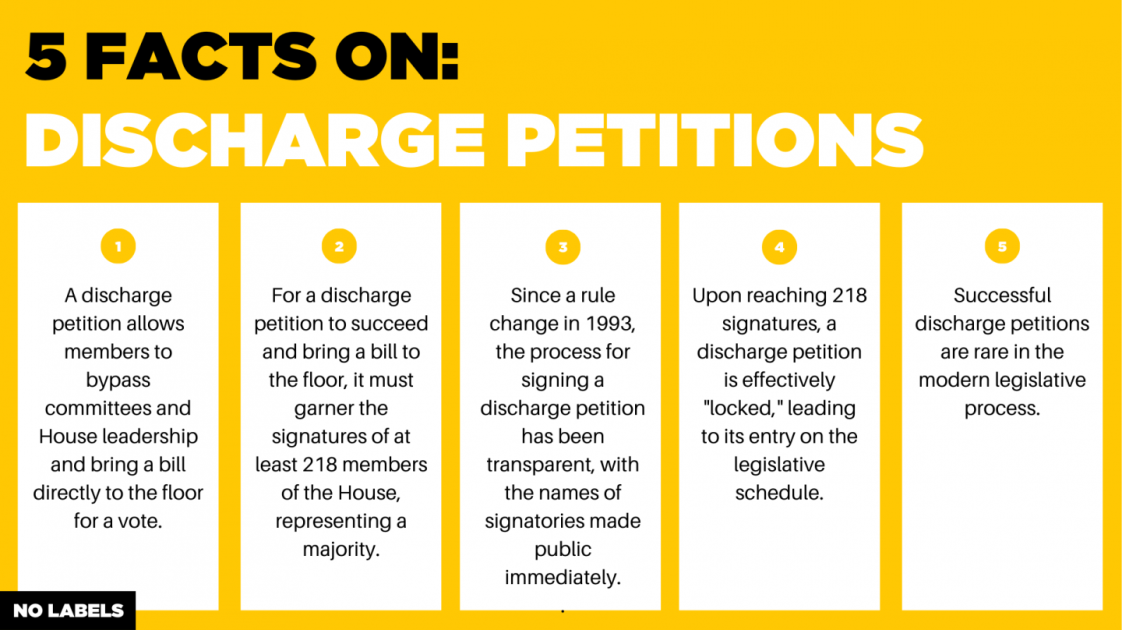
Representative Thomas Massie, a Kentucky Republican, started gathering signatures in July for a discharge petition forcing release of all Justice Department and FBI files on the Epstein investigation. Democrat Ro Khanna of California joined as co-sponsor, creating rare bipartisan momentum.
Under House rules, if 218 members – an absolute majority – sign a petition, leadership must allow a floor vote even if they oppose it. It’s constitutional hardball that lets rank-and-file members bypass the speaker entirely.
By mid-September, the petition had 217 signatures. One away from triggering a vote. Then Grijalva won her special election. She’d campaigned on signing the petition.
But Grijalva couldn’t sign until she was sworn in. And Johnson controlled when that happened.
Fifty Days Of Waiting For An Oath
Johnson’s explanation was simple: The House wasn’t in session because of the government shutdown. He couldn’t swear her in when the House wasn’t meeting.
Democrats called it obstruction. Multiple members elected in 2025 special elections had been sworn in promptly. Grijalva was the only one delayed. The distinction, Democrats argued, was that she’d be the 218th signature on the Epstein petition.
“Why is Speaker Johnson taking the unprecedented step of refusing to swear me in?” Grijalva wrote in USA Today. “The only notable difference between me and others elected during special elections in 2025 is that I would be the decisive 218th signature on a discharge petition to force a vote on releasing all files related to Jeffrey Epstein.”
Arizona Senator Ruben Gallego accused Johnson of “protecting pedophiles.” Johnson called the allegation “totally absurd” and said the delay was solely about the shutdown.
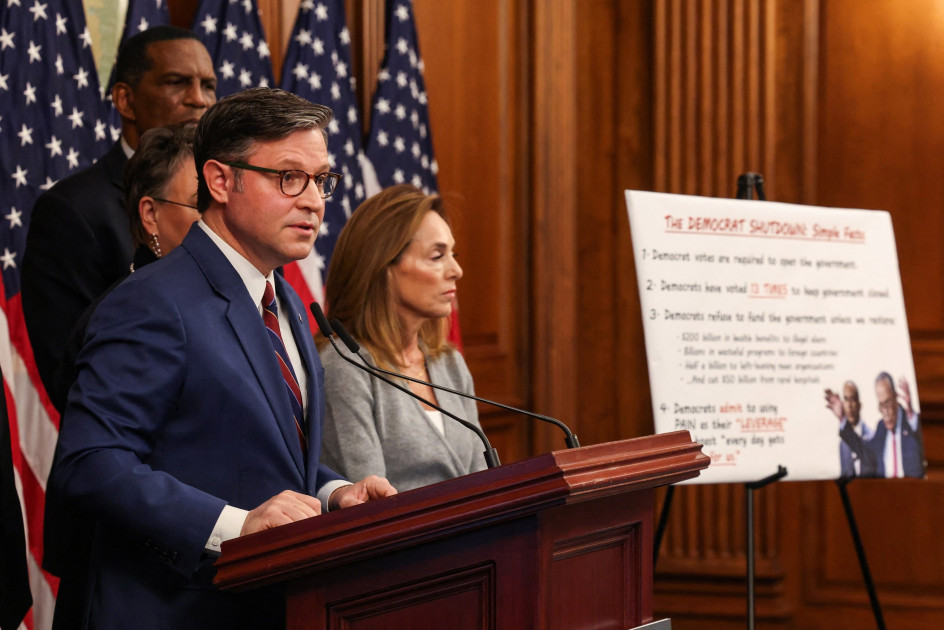
That argument had problems. The House has mechanisms for emergency business during shutdowns. Johnson could have called a pro forma session for five minutes. He chose not to.
The shutdown ended Monday night. Wednesday afternoon, Johnson administered the oath. Fifty days after Grijalva won her election. Hours later, she signed the petition.
The Timeline That Makes A Vote Inevitable
Now that the petition has 218 signatures, a specific timeline begins. The petition gets frozen and printed into the Congressional Record. Then comes a seven legislative day “ripening period” before any signatory can move to bring it to the floor.
That means the earliest a vote could occur is early December.
Johnson has procedural options to delay it – motions to table, committee referrals, scheduling tricks. But he told reporters last month: “If they get their signatures, it goes to a vote.” He also called the effort “moot,” arguing the Oversight Committee is already releasing documents.
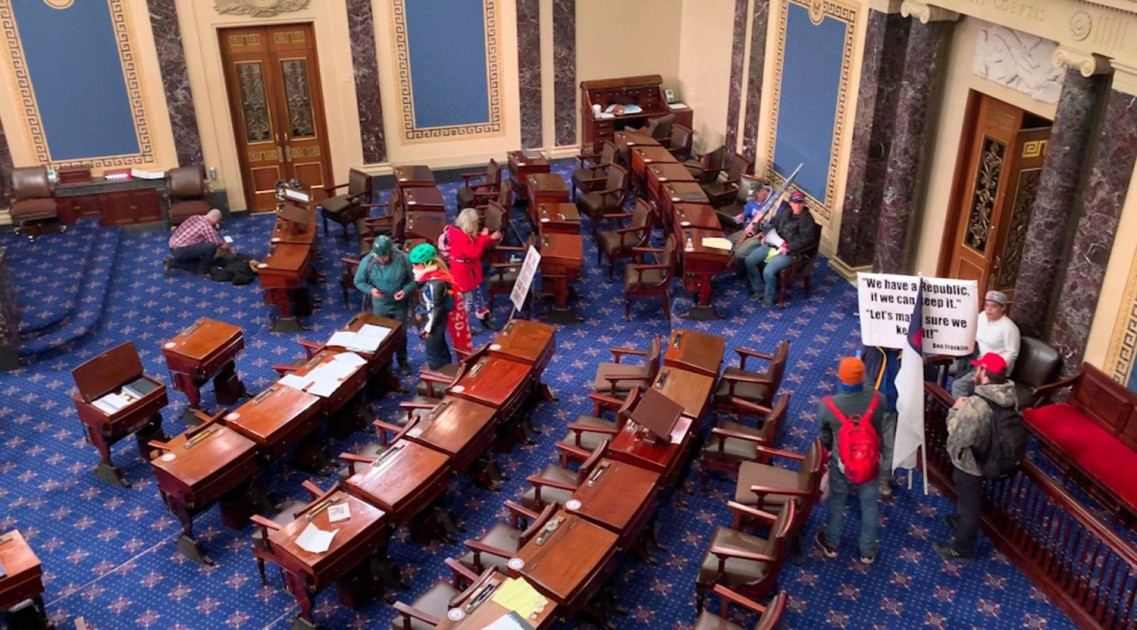
That’s not accurate. The Oversight Committee has released 23,000 pages from Epstein’s personal estate. The discharge petition would force release of Justice Department and FBI investigative files – potentially far more sensitive material about what federal law enforcement knew, when they knew it, and who else was implicated.
If Democrats and the handful of Republican signers hold together, the measure passes the House. Then it faces the Senate, where it needs 60 votes. Even if it passed the Senate, Trump would have to sign it.
The Pressure Campaign To Flip Republicans
Trump personally called Representative Lauren Boebert of Colorado Wednesday morning about her petition signature, according to the New York Times. Senior officials including Attorney General Pam Bondi, Deputy AG Todd Blanche, and FBI Director Kash Patel met with Boebert to discuss her position.
The message was clear: Remove your signature, and the petition drops below 218.
Boebert is one of four Republicans who signed alongside 214 Democrats. If she or any other Republican withdraws, the petition loses its majority and the vote can’t proceed.
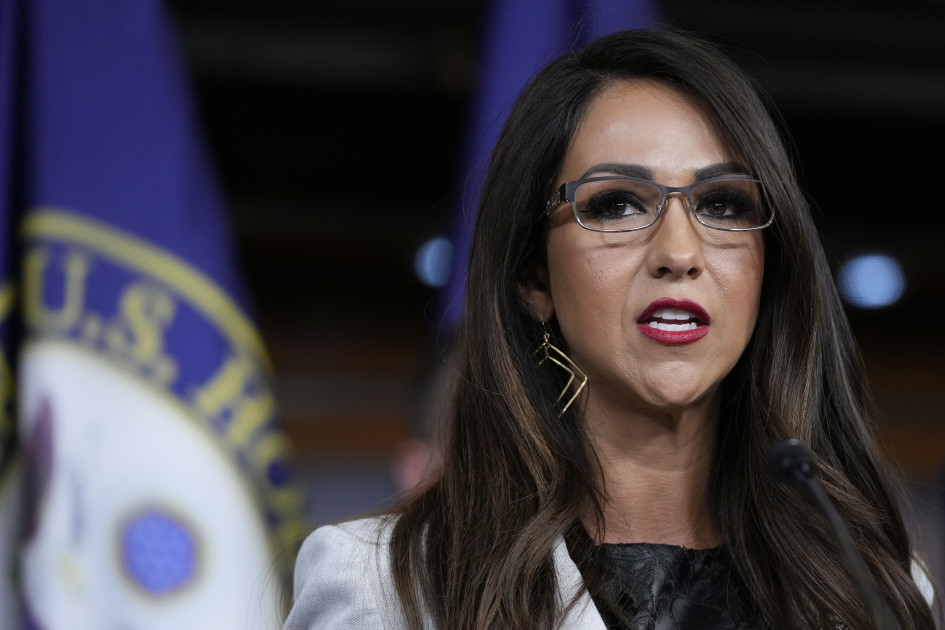
Representative Nancy Mace, another Republican signatory, also received calls from Trump. So far, neither Boebert nor Mace has withdrawn their signatures.
The pressure reveals how seriously the administration takes this threat. If the petition succeeds, House Republicans go on record either voting to release the files or voting to keep them secret. There’s no politically safe position when Trump’s MAGA base has been demanding transparency for months.
When Trump’s Base Wants What Trump Won’t Give
The Epstein files have created unusual dynamics. Both Trump’s core supporters and Democrats want full release. The split is over who gets blamed for withholding them.
Trump campaigned on promises to declassify everything and expose the “Epstein client list.” When the Justice Department released a brief memo in July stating there was no prosecutable “client list,” the MAGA backlash was fierce.
Trump called criticism a “Democrat hoax” and claimed Democrats were using Epstein to deflect from their failures. His Wednesday Truth Social posts accused Democrats of “trying to bring up the Jeffrey Epstein Hoax again” to distract from the shutdown.
But it’s not just Democrats pushing for release. Massie, the petition’s Republican sponsor, is a conservative with strong MAGA credentials. Boebert and Mace, also signers, are Trump allies on most issues.
The split reflects competing theories. Some believe full transparency will exonerate Trump. Others worry the files contain politically damaging information even if they don’t prove criminal conduct. The administration’s fierce opposition suggests which theory they find more plausible.
Documents Democrats Have Already Released
The Oversight Committee has been releasing materials from Epstein’s estate in batches. Wednesday’s releases focused on Trump, but previous releases showed contacts with numerous powerful figures.
Meeting schedules suggest appointments with Steve Bannon and Peter Thiel during Trump’s first term. Previous releases indicated possible contact with Elon Musk. The committee received 23,000 documents total and is redacting victim names before public release.
Representative Ro Khanna said the “ONLY reason these emails are out is [MSNBC’s Lawrence O’Donnell] had the survivor’s lawyers on who gave me the tip to subpoena the estate.” He questioned why Justice or FBI didn’t obtain and release these communications themselves.
That question cuts to the heart of what the discharge petition aims to uncover. Federal law enforcement investigated Epstein for years before his 2008 plea deal, then again before his 2019 arrest and death. They presumably have far more material than Epstein’s personal files.
What did federal investigators know about Epstein’s network? Who else was identified? Why was Epstein given such a lenient 2008 plea deal? Who made those decisions? The FBI and DOJ files would answer these questions.
The Ghislaine Maxwell Complication
Ghislaine Maxwell is serving 20 years in federal prison for her role in Epstein’s sex trafficking. She was recently transferred to minimum-security.
Representative Robert Garcia raised concerns about reports Maxwell may be seeking commutation from Trump. He said Maxwell should testify before Congress and condemned any special treatment.
Maxwell knows more about Epstein’s network than anyone still living. She was intimately involved in his operations for years. If she testified, she could identify everyone who had contact with victims.
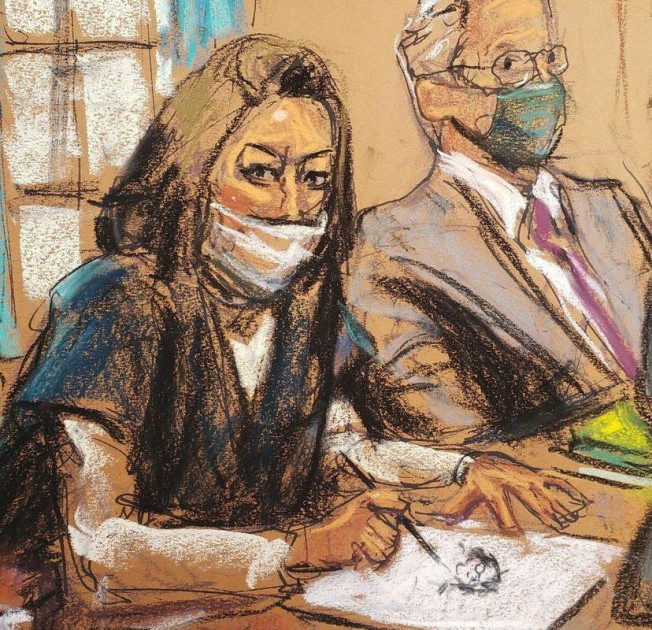
Presidential commutation would eliminate any leverage to secure her cooperation. It would also raise obvious questions about why Trump would show clemency to someone convicted of facilitating child sex trafficking.
The possibility creates additional urgency for the discharge petition. If files get released before any commutation, the public sees what Maxwell knows. If commutation happens first, she might never cooperate fully.
Trump’s Shifting Explanations
Trump’s statements about Epstein have evolved. He’s described their falling out variously as resulting from a real estate dispute, staff poaching, and “being a creep.”
Monday in Scotland, Trump said he kicked Epstein out of Mar-a-Lago because “He stole people that worked for me.” The White House previously said it was because Epstein was “a creep.” Trump didn’t explain why staff theft would merit “persona non grata” status or why the explanation keeps changing.
These shifting explanations create credibility problems when Trump calls the entire controversy a “Democrat hoax.” If the connection was innocent and the falling-out was clean, why do the details keep changing? Why fight so hard against releasing files that would presumably exonerate him?
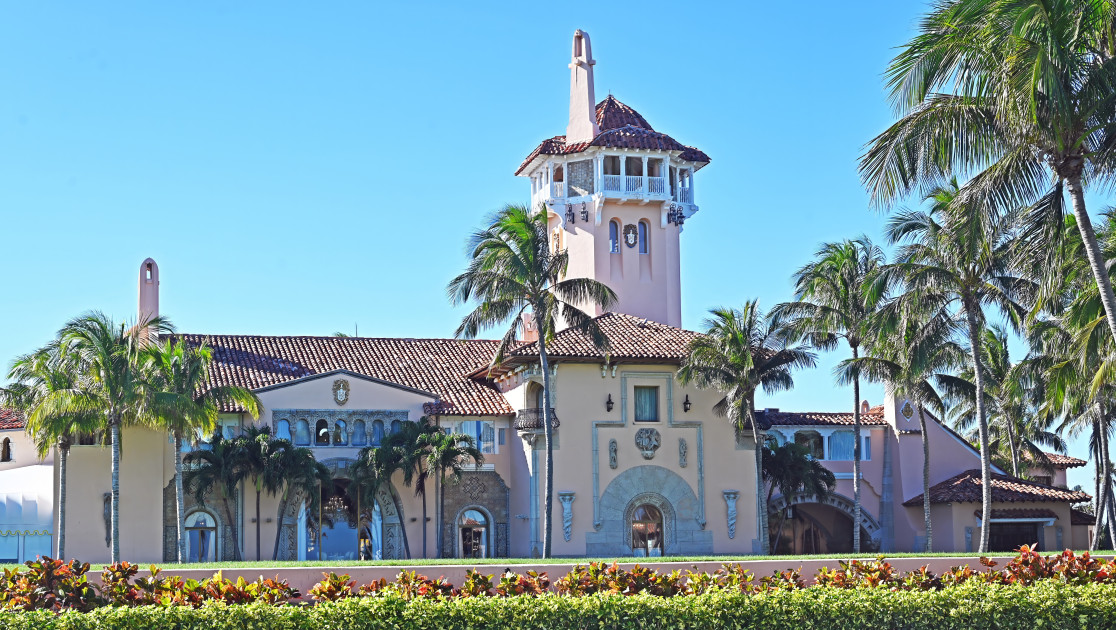
The most generous interpretation: Trump socialized with Epstein in the 1990s and early 2000s like many wealthy Palm Beach residents, realized Epstein was “a creep,” and distanced himself. Epstein’s later opinions about Trump’s knowledge don’t prove those opinions were accurate.
The less generous interpretation: Trump knew more than he’s acknowledged, and the files would make that knowledge public even if they don’t prove criminal conduct.
The Senate Roadblock Waiting Ahead
Even if the House passes the measure, it faces long odds in the Senate. The legislation needs 60 votes to overcome a filibuster. Republicans control 53 seats, meaning at least seven would need to join all 47 Democrats.
Majority Leader John Thune has expressed skepticism. When Minority Leader Chuck Schumer tried forcing a vote, Senate Republicans blocked it.
The political calculation differs in the Senate. House members face reelection every two years. Senators serve six-year terms and can better weather political storms.
For the petition to succeed, it would need such overwhelming public pressure that Senate Republicans fear blocking it exceeds the cost of allowing Trump-damaging information to become public. That’s a difficult threshold.
The more likely outcome: The House passes the measure, forcing an awkward vote, then it dies quietly in the Senate. Republicans could claim they allowed the process while ensuring nothing gets released.
The Bigger Question About Secrecy
Setting aside specific allegations against Trump, the Epstein case raises fundamental questions about government transparency.
Epstein was convicted in 2008 of soliciting prostitution from a minor and received an extraordinarily lenient sentence – 13 months in county jail with work release. The plea deal was arranged by then-U.S. Attorney Alex Acosta, who later became Trump’s Labor Secretary before resigning over Epstein controversy.
Federal investigators had evidence of far more serious crimes involving dozens of victims. The plea deal sealed that evidence and granted immunity to potential co-conspirators. Victims weren’t consulted, violating the Crime Victims’ Rights Act.

When Epstein was arrested again in 2019 on federal sex trafficking charges, he died by suicide in his Manhattan jail cell under suspicious circumstances. Broken cameras, sleeping guards, removal from suicide watch – none of this inspires confidence that federal handling prioritized justice over protecting powerful people.
The question isn’t whether Americans have a right to know what their government knew. Clearly they do. The question is whether that right will be honored.
Fifty Days, 218 Signatures, And Unanswered Questions
Adelita Grijalva spent 50 days as a congresswoman-elect without being allowed to take office. Wednesday afternoon she was sworn in and signed the discharge petition. The 218th signature forces a vote the White House has fought to prevent.
The emails released Wednesday raise questions without providing definitive answers. Epstein believed Trump knew about his crimes. Epstein wrote that Trump spent time with victims. Epstein characterized Trump as “the dog that hasn’t barked” – someone with knowledge who hasn’t spoken publicly.
None of this proves criminal conduct. All of it explains why Trump doesn’t want federal files released. Even if they contain no evidence of criminal involvement, they likely contain information that’s politically embarrassing or contradicts his public statements.
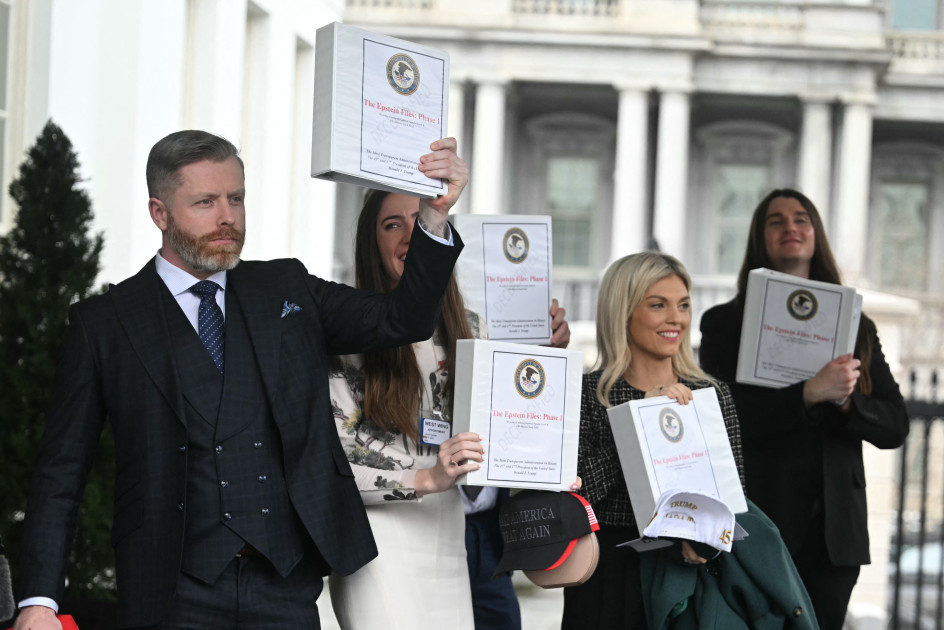
The discharge petition provides a rare mechanism to force release over executive opposition. Whether it succeeds depends on Republican senators finding courage to defy their party’s president. History suggests that courage is in short supply.
But the effort reveals something important: When both a president’s base and his opposition demand transparency on the same issue, and the president fights to maintain secrecy, the most logical explanation is that transparency would be politically damaging.
Grijalva waited 50 days to take office. The Epstein files have been withheld for years. The discharge petition will force a vote by December. And Trump will have to explain why the transparency he promised during the campaign became secrecy once he had power to deliver.
The emails released Wednesday are just the beginning. Twenty-three thousand documents from Epstein’s estate are being reviewed. Federal investigative files remain sealed. Ghislaine Maxwell sits in prison with knowledge she hasn’t shared. And 218 members of Congress just forced a vote on whether Americans deserve to know what their government knows.
The answer will tell us whether accountability applies to powerful people, or whether some connections are too important to expose.