
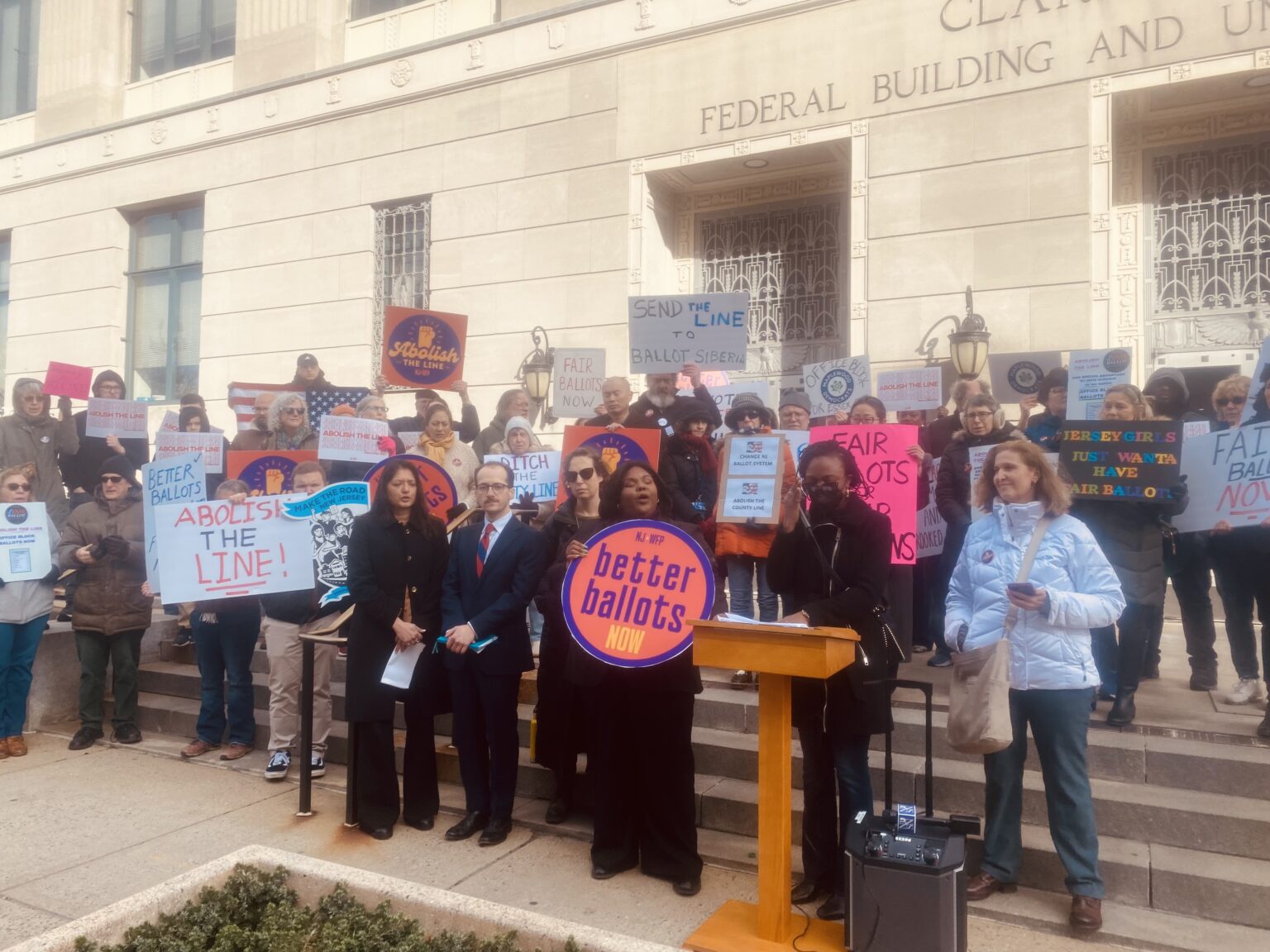
Every midterm election is a civic stress test. In 2026, some of the most consequential arguments may unfold away from rallies and debates, in courtrooms, where voting rules are often contested.
Because the details differ by state and by lawsuit, what follows is not a recap of any single docket. It is a practical guide to four broad categories courts are frequently asked to sort out heading into high-stakes elections, and why they matter when margins are thin.
Under the Constitution, states run elections. Congress can set certain baselines for federal contests. Courts step in when someone argues a state or federal rule violates the Constitution, a federal statute like the Voting Rights Act, or both. The result is a familiar modern pattern: election administration by injunction, meaning judges’ emergency orders can temporarily change how a rule is applied while a case moves forward.
Join the Discussion
1) Ballot access
Ballot access sounds procedural until you remember what it is. It is the difference between a voter seeing a name and never seeing it at all.
Most states condition ballot placement on requirements like filing fees, residency rules, party affiliation rules, and signature thresholds. Those requirements are often justified as anti-fraud measures or as a way to keep ballots readable. But in practice, they can also function as political choke points, especially for independent candidates, minor parties, and primary challengers running against established operations.
Constitutionally, ballot access cases tend to collide with the First and Fourteenth Amendments. The Supreme Court has long treated voting and political association as fundamental interests, while also allowing states a role in regulating elections to ensure order. That tension is the lawsuit: how heavy is the state’s burden on political participation, and is it justified by a sufficiently strong interest?
Common flashpoints include:
- Signature rules (how many, from where, and under what verification standards).
- Timing rules (filing deadlines that critics argue arrive too early for late-forming campaigns or new parties).
- Disqualification standards (technical errors, witness requirements, and challenges to circulators).
These disputes can be intensely practical. A fight over whether signatures must come from a certain number of counties, or whether a deadline leaves enough time to collect them, can determine whether a campaign exists on paper or on the ballot.
2) Citizenship and eligibility
A second category centers on eligibility documentation, including proof-of-citizenship requirements tied to voter registration. Supporters frame these laws as a common-sense response to concerns about noncitizen voting. Opponents argue that these rules risk blocking eligible citizens who do not have documents readily available or whose records do not neatly match, including students, voters who have changed names, rural voters, and low-income voters.
These lawsuits often raise layered legal questions such as:
- Federal preemption: whether federal law governing registration for federal elections limits a state’s ability to impose extra documentation steps.
- Equal protection: whether the burdens fall unevenly on certain groups without adequate justification.
- Materiality: whether rejecting a registration or ballot over paperwork errors violates federal protections against disenfranchisement for immaterial mistakes.
Even when a court agrees that states have legitimate interests in accurate voter rolls, it still has to weigh the real-world cost of the method chosen. If a rule predictably filters out eligible voters along with ineligible ones, judges tend to ask whether the state could have achieved its goal in a narrower way.
3) Mail ballots and deadlines
Mail voting is one of the most frequently litigated parts of election law because it is where administrative rules meet human reality: postal delays, signature mismatches, missing dates, and the basic fact that not everyone experiences bureaucracy the same way.
Common fights include:
- Receipt deadlines versus postmark rules.
- Signature verification standards and whether voters are given a meaningful chance to cure a flagged ballot.
- Witness or notarization requirements for absentee ballots.
These cases can turn on equal protection (are similarly situated voters treated differently across counties?), due process (are voters given notice and a fair opportunity to fix problems?), and statutory rules that regulate federal elections. Courts are often asked not only what the law means, but also when rules can be changed without confusing voters and election workers. A common example is a late-breaking court order that changes which ballots count if they arrive after Election Day but were mailed on time.
4) Who has authority
One of the most important election law battles is not about a specific ballot at all. It is about which institution has the authority to set or interpret election rules when statutes are vague or when emergencies arise.
State legislatures pass election codes. Secretaries of state and local election boards implement them. State courts interpret them. Federal courts review constitutional and federal statutory claims. In contested elections, those roles collide.
Disputes often focus on whether election administrators exceeded their authority by issuing guidance on:
- ballot curing procedures,
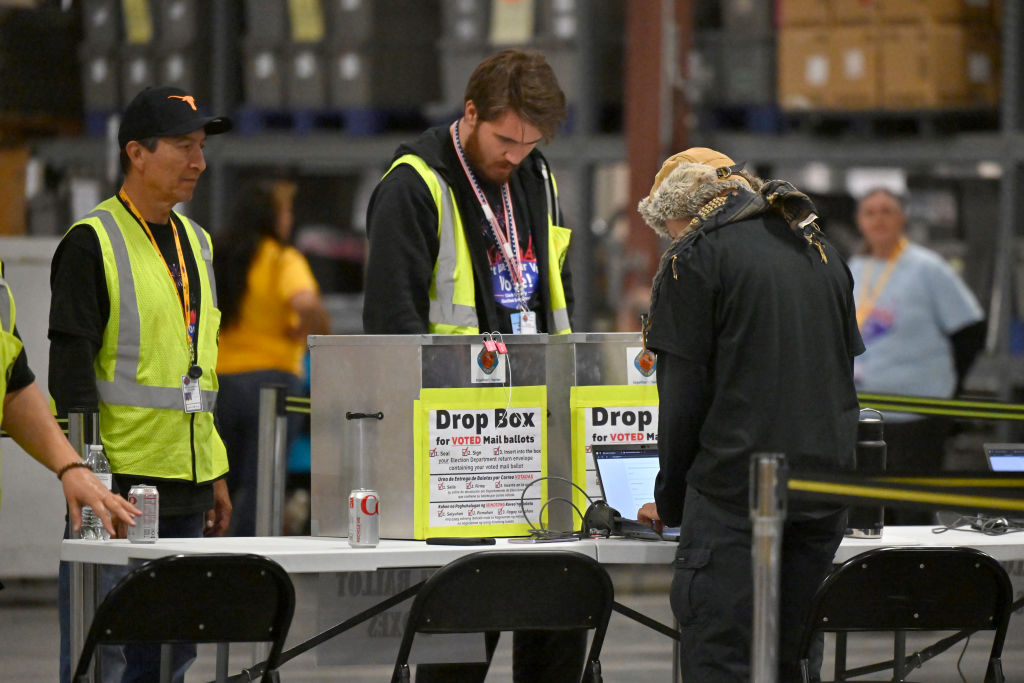
- drop box placement and security practices,
- counting standards for mismarked or damaged ballots.
These cases frequently invoke Article I, Section 4 (the Elections Clause) for congressional elections and Article II for presidential elections, along with state constitutional constraints on executive agencies. The deeper issue is separation of powers applied to election mechanics. When statutes leave gaps, someone fills them. The courtroom question becomes whether that gap-filling is faithful execution or unauthorized lawmaking.
Why courts matter in 2026
Election lawsuits are often described like technical disputes between experts. They are not. They decide whether a voter’s mistake is fixable or fatal, whether a new party is viable or invisible, and whether the rules apply evenly across a state or depend on the county line you live behind.
Courts also shape incentives. When litigation becomes a standard part of election policymaking, every side starts drafting rules with an eye toward the challenge that may follow, and every challenge can become a stand-in for broader arguments about legitimacy.
If you want a constitutional lens for 2026, keep it simple: the right to vote is protected through a web of amendments and doctrines, but the administration of voting is still largely state-built. That means the fight is rarely over whether elections will happen. It is over the conditions under which participation is realistic, equal, and trusted.
What to watch
You do not need a law degree to follow these disputes. You need a few practical questions that cut through the rhetoric:
- Who is burdened? Is the rule likely to affect a narrow set of bad actors, or a broad set of ordinary voters?
- What problem is being solved? Is there evidence of the specific harm the rule targets?
- Is there a less restrictive option? Could the same interest be served with fewer people losing access?
- How late is the change? Even a well-intended rule can cause chaos if imposed close to voting.
One more practical tip: track the cases in your own state as Election Day approaches. Even a narrow ruling about deadlines, documentation, or administrative authority can change the on-the-ground rules that voters and poll workers actually experience.
The Constitution does not promise that election administration will be easy. It promises that power will be constrained, divided, and accountable. In 2026, much of that accountability will come from judges asking a deceptively basic question: does this rule protect the integrity of elections without quietly shrinking the electorate?