
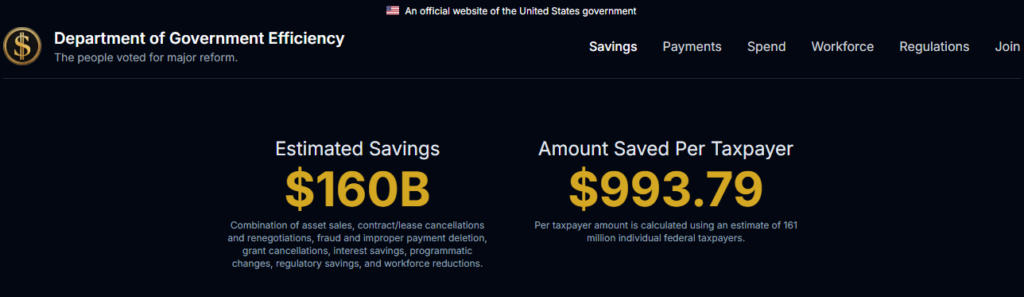
In the first 100 days of President Donald Trump’s second term, ending April 29, 2025, the Department of Government Efficiency (DOGE), led by Elon Musk, has claimed to save $160 billion through sweeping spending cuts and layoffs.
From slashing federal leases to terminating diversity contracts and foreign aid programs, DOGE’s high-profile actions have ignited praise for tackling waste and lawsuits alleging executive overreach.
Are these cuts a masterful blow to bureaucracy, or do they trample constitutional boundaries?
Join the Discussion
DOGE Unleashed: A Radical Efficiency Drive
DOGE, established by executive order on January 20, 2025, aims to streamline federal agencies and cut spending by July 2026. Musk, serving as a special government employee, posts savings on doge.gov, boasting $160 billion in reductions. Independent analyses, however, estimate actual savings at $5 billion, with disruptions costing up to $135 billion.
Critics argue DOGE’s cuts target progressive priorities, sparing Trump-friendly programs like Social Security. The constitutional question looms: do these actions respect Congress’s Article I authority over budgets, or do they stretch executive power too far?
A Flawed Ledger
DOGE’s website lists thousands of canceled contracts, grants, and leases, but inaccuracies abound. A $8 billion Homeland Security contract was misreported as $8 million, and over a third of listed cuts yield no savings. These errors raise Fifth Amendment due process concerns, as affected parties may lack fair recourse. Below are DOGE’s top five claimed spending cuts, ranked with the highest at the bottom.

5. EPA Grant Cancellations: $1 Billion Claimed
The EPA, under DOGE’s influence, terminated $1 billion in environmental justice and DEI grants, including $1.7 billion across nine programs. A $20 billion Biden-era waste fund was also slashed, with EPA Administrator Lee Zeldin likening it to “gold bars tossed off the Titanic.” These moves align with Trump’s April 16, 2025, halt of the Empire Wind project.
Article I empowers Congress to set environmental funding, and the Supreme Court’s West Virginia v. EPA (2022) limits agency actions beyond statutory bounds. Environmental groups argue the cuts violate the Clean Air Act’s public welfare mandates, while due process claims arise from abrupt terminations.
Climate Risks Mount
The EPA cuts jeopardize climate goals, stalling offshore wind and slashing air quality research. Increased fossil fuel reliance could cost $100 billion annually in health impacts. X posts decry DOGE’s “anti-science” approach, reflecting public concern over long-term consequences.

4. Lease and Contract Terminations: $1.2 Billion Claimed
DOGE canceled 440 underutilized federal leases, saving $171 million annually, and 2,334 contracts worth $1.2 billion, including a $8.2 million USDA consulting deal and a $5.2 million OPM training contract. The deactivation of 24,000 government credit cards, part of 4.6 million accounts handling $40 billion in 2024, aims to curb unchecked spending. These cuts fall under Article II’s executive management authority.
Congress’s Article I budget power limits unilateral terminations, and a federal judge blocked DOGE’s access to Treasury data, citing Fourth Amendment privacy violations. Canceled leases have disrupted agencies, with the EPA relocating staff from a $18 million Washington building.
Service Disruptions
Purchasing bottlenecks from credit card deactivations have delayed essential services, increasing costs. VA offices report long wait times, with X users blaming DOGE’s “sloppy” execution. The cuts save millions but risk billions in operational chaos.

3. DEI Contract Cancellations: $1.7 Billion Claimed
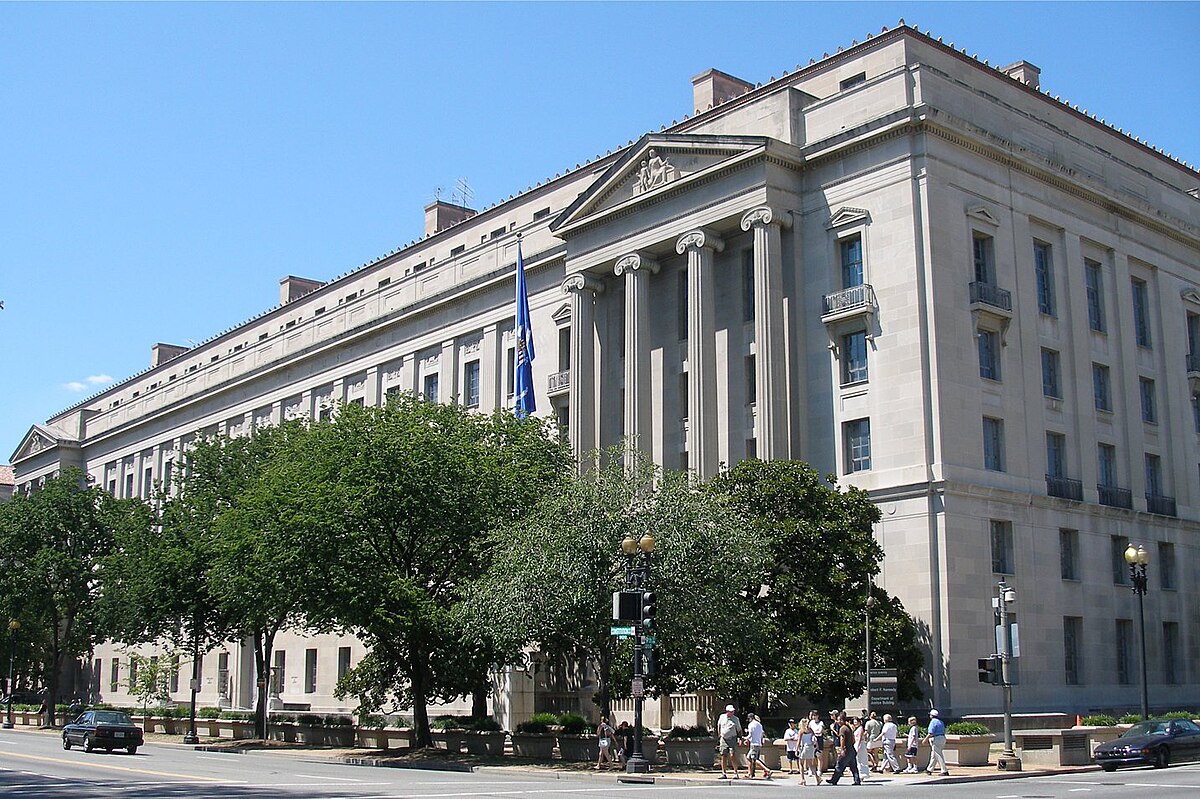
DOGE terminated 400 diversity, equity, and inclusion (DEI) contracts and grants across agencies like the EPA, Justice Department, and NIH, claiming $1.7 billion in savings. High-profile cuts include $1 billion in Treasury and HHS contracts, a $620,000 NIH grant for transgender teen programs, and $233 million in NSF “antiracist teacher” grants. Trump’s January 20, 2025, executive order banning DEI initiatives spurred these cancellations.
The cuts may infringe on First Amendment speech protections, as the Supreme Court’s Reed v. Town of Gilbert (2015) warns against content-based restrictions. Grantees argue DOGE’s actions lack neutral justification, while Article I limits defunding of congressionally approved programs.
Ideological Divide
The DEI cuts resonate with 62% of Republicans, per a CBS poll, but critics argue they favor “cronyism over competence.” Pending lawsuits claim violations of Fourteenth Amendment equal protection. X posts highlight workplace equity concerns, amplifying the debate.
2. Federal Workforce Layoffs: $20 Billion Claimed
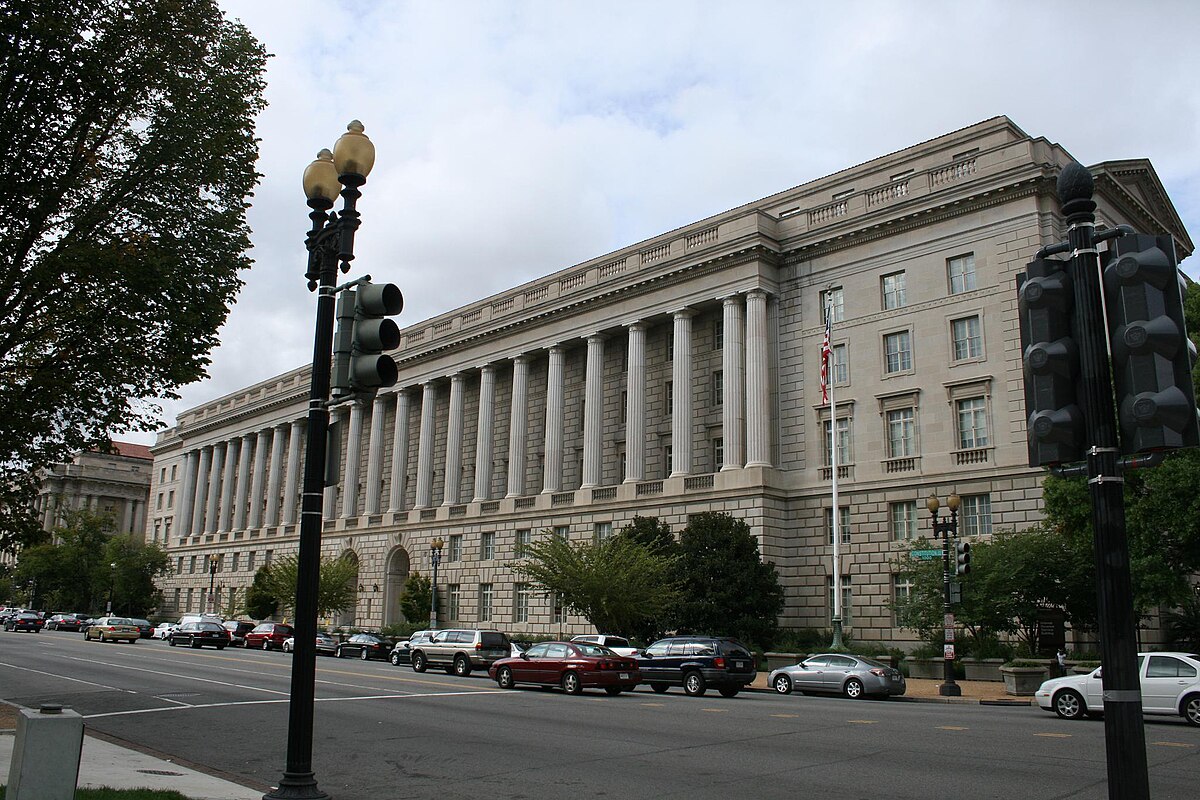
DOGE facilitated the firing or resignation of 260,000 federal workers, including 22,000 IRS employees and 20,000 probationary hires, claiming $20 billion in savings. Over 75,000 accepted buyouts, while others faced sudden terminations. Rehiring after court rulings has cost $8.5 billion in lost IRS revenue.
Article I grants Congress authority to fund agencies, and courts have blocked some layoffs for violating 5 U.S.C. § 3502’s 60-day notice requirement. Fifth Amendment due process claims arise from arbitrary dismissals, with workers arguing they lacked fair hearings.
Economic Blowback
The Partnership for Public Service estimates DOGE’s layoffs will cost $135 billion this fiscal year due to lost productivity and litigation. Social Security offices face record call volumes with reduced staff, risking delays. X users call the cuts “amateur hour,” reflecting public frustration.
1. USAID Program Terminations: $25 Billion Claimed
DOGE’s largest cut targets the U.S. Agency for International Development (USAID), canceling 83% of its programs, including a $1.75 billion GAVI vaccine grant, claiming $25 billion in savings from 5,200 contracts. A $20 million “Sesame Street” program in Iraq was among the high-profile terminations. The cuts align with Trump’s “America First” agenda, arguing these funds harmed U.S. interests.
Article I vests Congress with foreign aid appropriation power, and USAID’s inspector general found no evidence for DOGE’s $1.75 billion GAVI claim. A D.C. Circuit lawsuit argues the cuts violate separation of powers, while Fifth Amendment due process concerns arise from lack of notice to grantees.
Global and Domestic Costs
The USAID cuts threaten global health, with GAVI reporting no termination notice. Economists warn reduced aid could destabilize allies, raising U.S. security costs. X posts criticize DOGE for “abandoning the world,” highlighting diplomatic risks.

Constitutional Flashpoint: Checks Under Strain
DOGE’s cuts test constitutional boundaries. Article I’s appropriations authority clashes with Article II’s executive discretion, as DOGE often bypasses Congress. Federal judges have blocked data access and reinstated workers, citing Fourth and Fifth Amendment violations. The Supreme Court’s NLRB v. Noel Canning (2014) warns against executive overreach, a precedent looming over DOGE’s fate.
Efficiency or Ideology?
Critics argue DOGE targets progressive policies—DEI, climate, foreign aid—rather than waste, with verified savings at $5 billion, not $160 billion. Errors, like a $57,000 Sri Lanka grant listed as a saving, undermine credibility. Supporters praise DOGE’s transparency, but 45% of website data has been removed for “legal reasons.”
Public and Legal Resistance
Public sentiment splits: 54% back DOGE’s mission, but 58% fear service disruptions, per a CBS poll. Twenty-four states sued DOGE on April 29, 2025, over AmeriCorps cuts, and unions claim worker rights violations. Courts will decide if DOGE’s actions align with law or constitute an unconstitutional power grab.
A Republic at Risk?
DOGE’s cuts—USAID, workforce, DEI, leases, and EPA grants—reflect Trump’s vision but strain constitutional checks. The republic’s strength lies in balancing executive action with congressional and judicial oversight. As lawsuits and economic fallout mount, DOGE’s legacy will depend on whether it delivers savings or sows division. The nation watches, weighing efficiency against stability.