
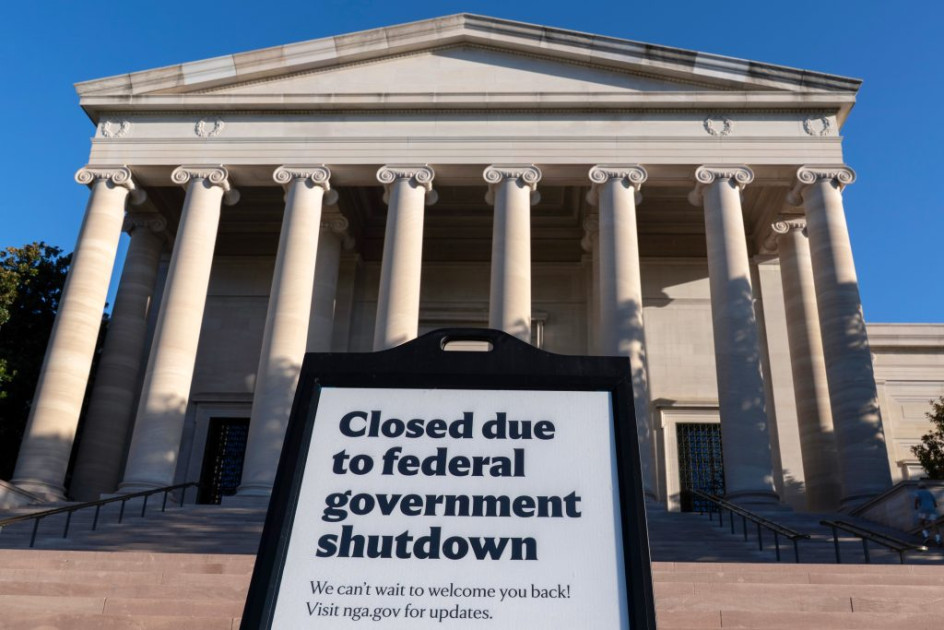
Every year on December 25th, the federal government closes. Post offices shut down. Federal employees get paid time off. Courts don’t convene. All to observe Christmas – a holiday celebrating the birth of Jesus Christ.
How does that not violate the First Amendment’s prohibition on establishing religion?
The short answer: because the Supreme Court decided it doesn’t. The longer answer reveals how constitutional law transforms explicitly religious observances into “secular” holidays through judicial reasoning that’s either brilliantly pragmatic or completely dishonest, depending on your perspective.
In 1870, President Ulysses S. Grant signed legislation creating the first federal holidays. The bill specifically designated “the twenty-fifth day of December, commonly called Christmas Day” as a holiday for federal workers in Washington, D.C. Notice the careful phrasing – the statute used the date rather than leading with “Christmas,” adding the religious name almost as an afterthought.
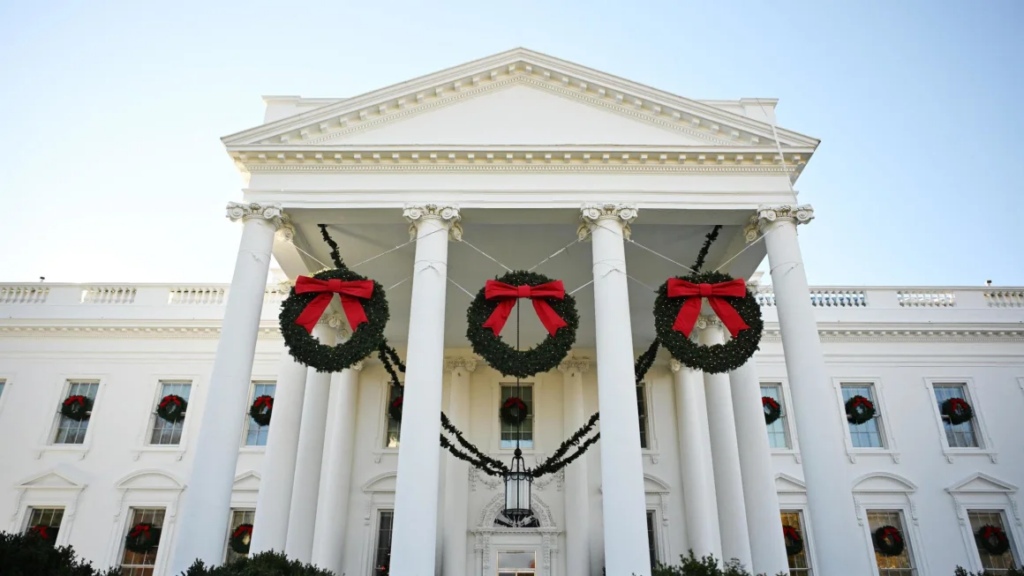
That linguistic sleight of hand has allowed Christmas to survive constitutional challenges for over 150 years. Courts treat it as a secular cultural celebration that happens to fall on a Christian holy day, rather than as government endorsement of Christianity.
Whether that interpretation reflects constitutional principles or just avoids the political nightmare of eliminating Christmas as a federal holiday is the question nobody wants to answer honestly.
What the Establishment Clause Actually Says
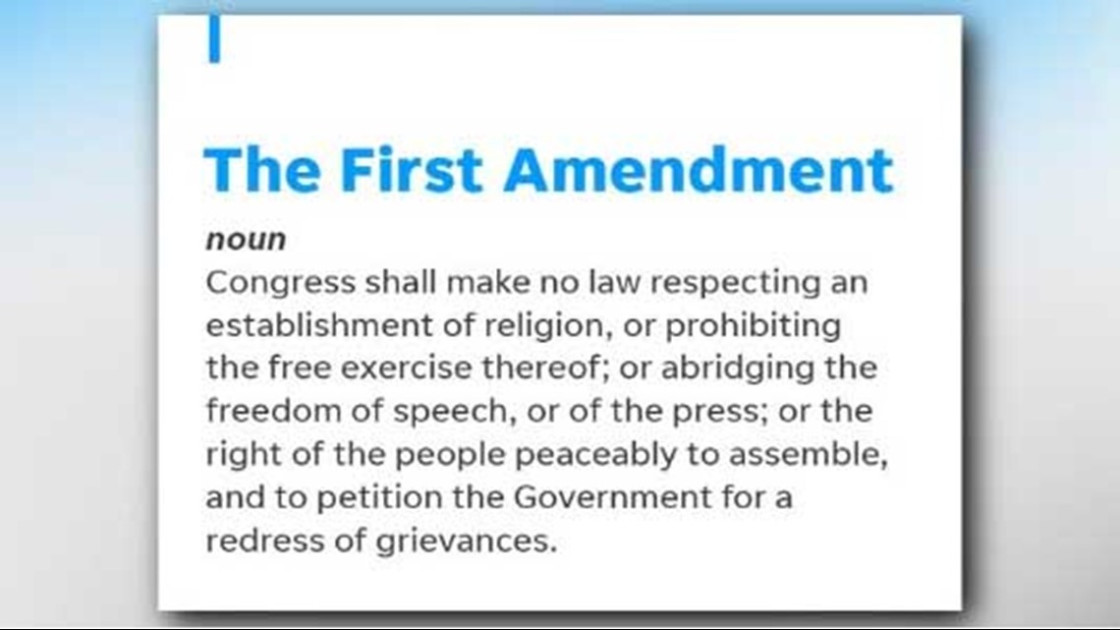
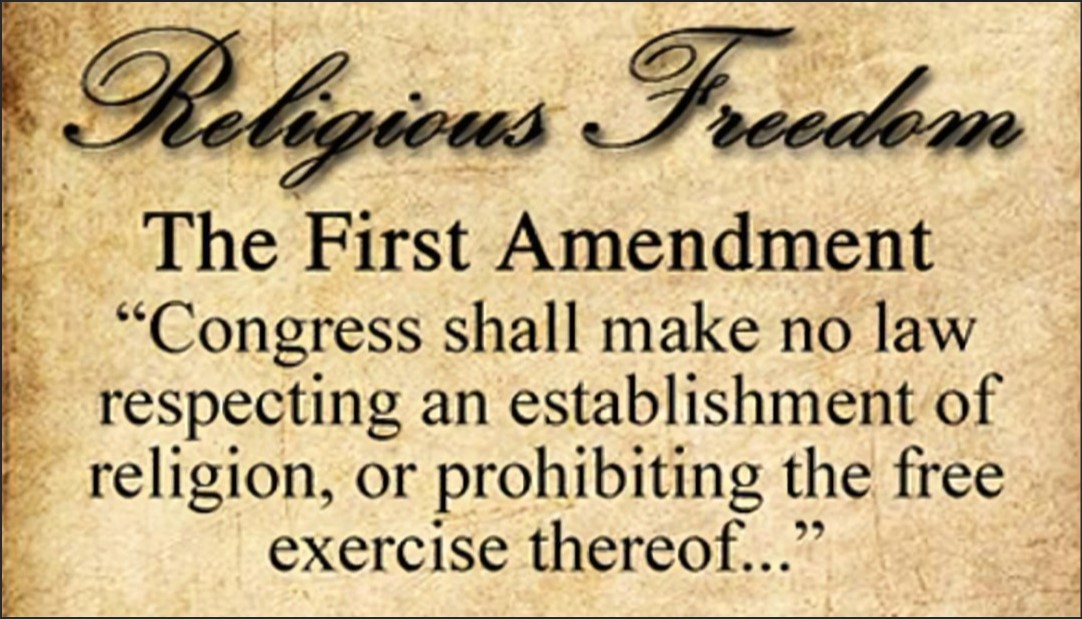
The First Amendment begins: “Congress shall make no law respecting an establishment of religion, or prohibiting the free exercise thereof.”
That’s two separate protections bundled together. The Establishment Clause prevents government from creating an official religion or favoring one faith over others. The Free Exercise Clause prevents government from restricting religious practice.
The tension between them creates impossible situations. If government refuses to recognize any religious holidays to avoid establishment, does that infringe on free exercise by forcing religious people to choose between observing their faith and meeting government obligations? If government does recognize religious holidays, does that constitute establishment by privileging certain faiths?
Justice Hugo Black’s opinion in Everson v. Board of Education (1947) described the Establishment Clause as erecting “a wall of separation between church and State” that “must be kept high and impregnable.” But that wall has more doors and windows than Black’s metaphor suggests, and Christmas walks right through one of them every December 25th.
The Secular Purpose Doctrine That Makes Everything Constitutional
Courts have developed a framework for evaluating whether government recognition of religious holidays violates the Establishment Clause. The analysis focuses on whether there’s a “legitimate secular purpose” for the recognition.
In Bridenbaugh v. O’Bannon (7th Cir. 1999), the Seventh Circuit ruled that Indiana could give state employees Good Friday off as a paid holiday – but only if the state could provide a secular justification for choosing that specific day.
The fact that Good Friday is one of Christianity’s most sacred observances doesn’t automatically make it unconstitutional for government to recognize it, as long as there’s a non-religious reason.
This is where constitutional law gets creative. What’s the secular purpose for giving workers December 25th off? The courts have accepted various explanations: it’s a cultural tradition, it promotes family gatherings, it acknowledges the holiday’s commercial significance, it prevents disruption when most businesses close anyway.
All of those explanations are technically true. They’re also obviously secondary to the fact that Christmas is the celebration of Jesus’s birth and the most important holiday in Christianity. The secular purpose doctrine allows courts to focus on plausible non-religious justifications while ignoring the elephant in the room – that the day is religious at its core.
When Richard Ganulin Challenged Christmas as Unconstitutional
In 1998, Jewish lawyer Richard Ganulin sued the federal government arguing that making Christmas a legal public holiday violated the Establishment Clause. His logic was straightforward: Christmas is explicitly Christian, celebrating Christ’s birth makes Christianity special in a way other religions aren’t, therefore government recognition establishes Christianity over other faiths.
The district court dismissed the case. The Sixth Circuit affirmed. The Supreme Court denied certiorari. Christmas survived without any serious constitutional analysis of whether a federal holiday explicitly celebrating a Christian religious event actually violates the prohibition on establishing religion.
The courts’ reasoning appears to be: Christmas has been a federal holiday since 1870, millions of Americans celebrate it, eliminating it would create massive political and practical problems, therefore we’re going to find it constitutional by focusing on secular aspects and ignoring the religious core.
That’s pragmatic judicial decision-making, but it’s not principled constitutional interpretation. If a predominantly Muslim Congress tried to make Eid al-Fitr a federal holiday today, the constitutional challenges would be immediate and sustained. The difference isn’t constitutional principle – it’s that Christmas was grandfathered in before modern Establishment Clause doctrine developed.
The Nativity Scene Cases That Drew Arbitrary Lines
The Supreme Court has repeatedly addressed whether religious holiday displays on public property violate the Establishment Clause. The resulting framework is incoherent.
In Lynch v. Donnelly (1984), the Court ruled 5-4 that Pawtucket, Rhode Island could display a nativity scene on public property because it was surrounded by secular Christmas symbols like Santa Claus, reindeer, and a Christmas tree. The Court found this mixed display merely depicted the “historical origins of the holiday” and served “legitimate secular purposes.”
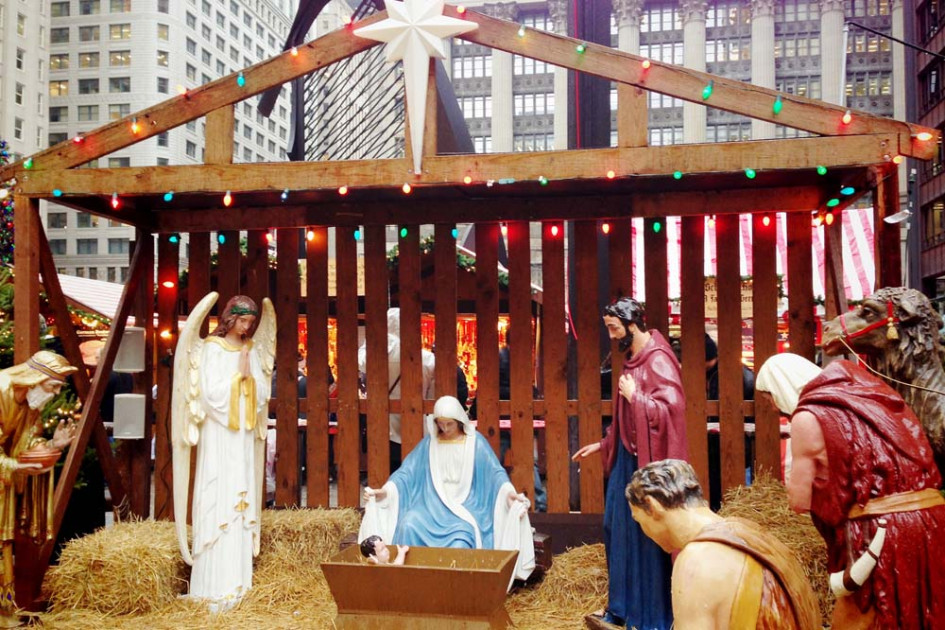
Five years later in County of Allegheny v. ACLU (1989), the Court held that a nativity scene inside a county courthouse did violate the Establishment Clause because it was displayed alone with a banner reading “Glory to God for the birth of Jesus Christ.” That sent a message of government endorsement of Christianity.
But the Court also held in the same case that a menorah displayed outside a government building alongside a Christmas tree was constitutional because it “emphasized the diversity of the season.”
The principle appears to be: religious displays are constitutional if diluted with enough secular decorations or symbols from other faiths. A nativity scene alone is too religious. A nativity scene with Santa is secular enough. A menorah next to a Christmas tree celebrates diversity rather than endorsing religion.
This framework doesn’t resolve the constitutional question – it just provides a roadmap for how to include religious symbols on public property without triggering Establishment Clause violations. The distinction between permissible and impermissible displays has nothing to do with whether government is endorsing religion and everything to do with whether the endorsement is sufficiently camouflaged.
The Free Exercise Problem Nobody Discusses
The Establishment Clause analysis focuses on whether government recognition of Christmas favors Christianity. But there’s another constitutional dimension: if government didn’t recognize Christmas, would that violate the Free Exercise rights of Christian federal employees who need the day off to observe their faith?
The Free Exercise Clause prevents government from “prohibiting the free exercise” of religion. That doesn’t mean government must accommodate every religious practice – it means government can’t specifically target religious exercise for restriction.
If the federal government remained open on December 25th and required Christian employees to work, those employees could request leave through normal vacation procedures. But if millions of Christians needed to use vacation days for their most important religious observance while the government simply closed for Thanksgiving (a secular harvest celebration that became a national holiday), that disparity might create Free Exercise concerns.
The constitutional problem is that recognizing Christmas appears to violate the Establishment Clause by favoring Christianity, but not recognizing it might violate the Free Exercise Clause by disadvantaging Christians compared to how government accommodates secular cultural holidays.
The courts have avoided this dilemma by declaring Christmas sufficiently secular that recognizing it doesn’t establish religion. That solution works legally, but it requires pretending that a holiday explicitly celebrating Christ’s birth isn’t actually about Christ.
How Israel Handles Religious Holidays as a Constitutional Matter
Israel faces the mirror image of America’s Christmas problem. As a Jewish state with significant religious diversity, how does it recognize Jewish holidays without violating religious equality principles?
Israel’s approach is remarkably different from America’s secular purpose doctrine. Israeli law explicitly recognizes that Shabbat and major Jewish holidays are national days of rest – not because they have secular purposes, but because Israel is a Jewish state.
But Israeli law also guarantees that non-Jewish citizens can observe their own religious holidays and take their weekends on their faith’s day of rest. Christians can take Sunday off and observe Christian holidays. Muslims can take Friday off and observe Islamic holidays. These accommodations aren’t vacation days – they’re equivalent national holidays recognized under law.
This system is more honest than America’s secular purpose fiction. Israel acknowledges that recognizing Jewish holidays privileges Judaism, but addresses that concern by equally recognizing other faiths’ holidays rather than pretending the Jewish holidays aren’t religious.
The practical result is complicated – imagine Human Resources managing employees who have different weekends and different holiday schedules based on their religious identity. But it’s constitutionally coherent in a way America’s Christmas framework isn’t.
The New York Parking Rules That Recognize Every Faith
New York City provides an accidental model for how America could handle religious holidays more honestly. The city suspends alternate-side parking rules on religious holidays to accommodate observant residents who can’t move their cars on days when driving violates their faith.
The list of suspended holidays includes: Yom Kippur, Shavuot, Purim, Good Friday, Holy Thursday, Ash Wednesday, Immaculate Conception, Eid al-Fitr, Eid al-Adha, Diwali, and Lunar New Year.

This isn’t a violation of the Establishment Clause because the accommodation is available to all faiths. The city isn’t endorsing any particular religion – it’s recognizing that religious diversity requires accommodating multiple sacred observances.
Applying this model federally would mean recognizing major holidays from all significant faith traditions as federal holidays, or allowing federal employees to choose which religious holidays to observe as part of their paid leave. That would be administratively complex but constitutionally defensible.
Instead, we have a system where Christianity’s major holiday is a federal day off for everyone while adherents of other faiths use vacation days to observe their most sacred occasions. That disparity is only constitutionally permissible because courts have declared Christmas secular.
What “Secular” Actually Means
Words have meanings. “Secular” means non-religious, divorced from faith-based significance, unconnected to sacred observance. Christmas is literally none of those things.
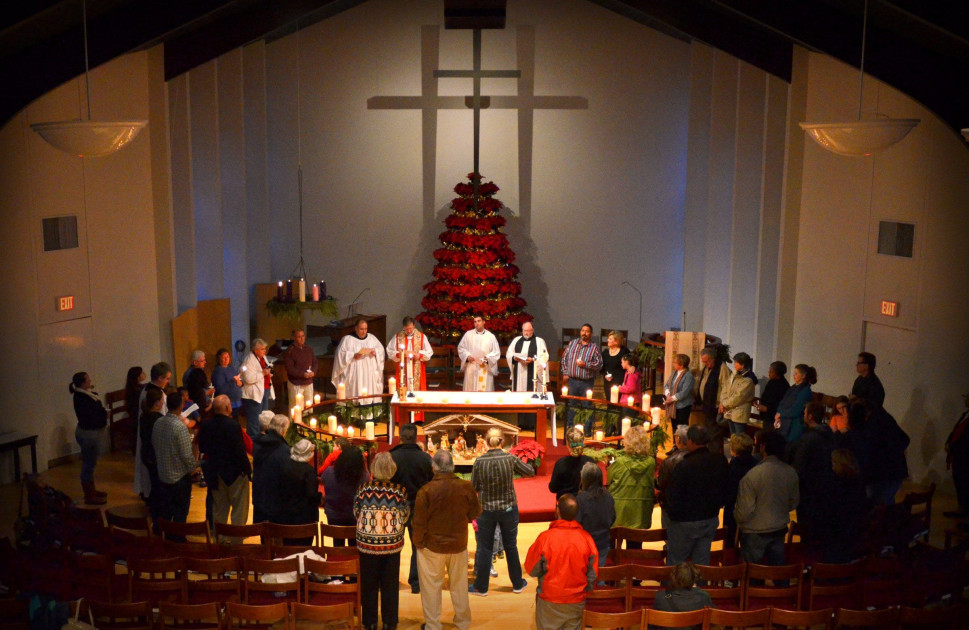
The name “Christmas” means “Christ’s Mass” – a Christian worship service celebrating Jesus’s birth. The date commemorates a central event in Christian theology. The holiday’s core meaning is religious, even though American culture has added commercial and social dimensions.
Calling Christmas secular doesn’t make it secular. It just allows courts to avoid the politically impossible task of declaring that a 150-year-old federal holiday violates the Constitution.
The secular purpose doctrine creates constitutional cover for what’s actually happening: government recognizes a Christian holiday because Christianity is the majority religion and eliminating the recognition would be politically catastrophic. Courts acknowledge that’s true by finding secular purposes that justify the recognition without requiring them to say that Christianity’s importance justifies special treatment.
The Constitutional Honesty We’re Missing
The intellectually honest constitutional analysis would admit: Christmas is a Christian holiday, making it a federal observance favors Christianity over other faiths, that favoritism technically violates the Establishment Clause’s prohibition on government establishing or preferring particular religions.
But then the analysis would continue: eliminating Christmas as a federal holiday isn’t practically or politically viable, the recognition has existed for over 150 years, the tradition is deeply embedded in American culture, and the accommodation can be justified by recognizing similar holidays for other major faiths.
That approach would require changing federal law to recognize Yom Kippur, Eid al-Fitr, Diwali, and other significant religious observances as federal holidays. It would be administratively complex and politically controversial. But it would be constitutionally honest – acknowledging that religious accommodations are permissible if extended equitably across faiths, rather than pretending that a Christian holiday celebrating Christ’s birth is actually secular.
Instead, we have constitutional doctrine that calls Christmas secular so courts don’t have to address the real Establishment Clause problem. That doctrine works as long as nobody looks too closely at what “secular” means when applied to a holiday literally named after Christ.
Why the Fiction Persists
Courts maintain the fiction that Christmas is secular because the alternative is worse. Declaring Christmas unconstitutional as a federal holiday would create a political firestorm and undermine the judiciary’s legitimacy over what most Americans see as a harmless cultural tradition.
The pragmatic solution is calling Christmas secular, which allows the holiday to survive constitutional scrutiny while avoiding the harder question of whether government should recognize religious holidays at all and, if so, whether equal treatment requires recognizing all major faiths’ sacred days.
This is judicial pragmatism trumping constitutional principle. It works legally because the Supreme Court has the final word on constitutional interpretation. If five justices say Christmas is sufficiently secular to survive Establishment Clause analysis, then it is – regardless of whether that conclusion makes sense outside the artificial world of constitutional doctrine.
The Framers wrote that Congress shall make no law respecting an establishment of religion. Congress made Christmas a federal holiday in 1870. Courts have spent 150 years explaining why that’s not actually an establishment of religion by focusing on secular purposes and cultural traditions while studiously ignoring the holiday’s explicitly Christian identity.
It’s constitutional law at its most results-oriented – where the conclusion (Christmas is constitutional) drives the reasoning rather than the other way around. But it’s also constitutional law at its most realistic – recognizing that some battles aren’t worth fighting and some traditions are too entrenched to eliminate no matter what the text says.
Christmas is a federal holiday. The Constitution says government can’t establish religion. Courts have declared there’s no conflict by calling one of Christianity’s holiest days secular.
Whether that’s brilliant judicial pragmatism or intellectually dishonest constitutional interpretation depends on whether you think the Constitution requires honesty or just requires outcomes that society can live with.
Either way, the federal government will be closed on December 25th. And the Supreme Court isn’t going to change that, no matter what the Establishment Clause actually says.