
You can learn a lot about the Constitution by watching where people expect it to do something, and then noticing what it actually does instead.
That is why this “test article for debugging” is not as silly as it sounds: it is a controlled run at a familiar problem. Debugging is what we do when a system behaves differently than we assumed. And constitutional arguments, especially the ones that go viral, are usually arguments built on assumptions.
This piece is a deliberately practical walk-through of how to “debug” constitutional claims: how to check the text, identify the moving parts, and avoid the most common errors people make when they treat the Constitution like a customer service hotline.
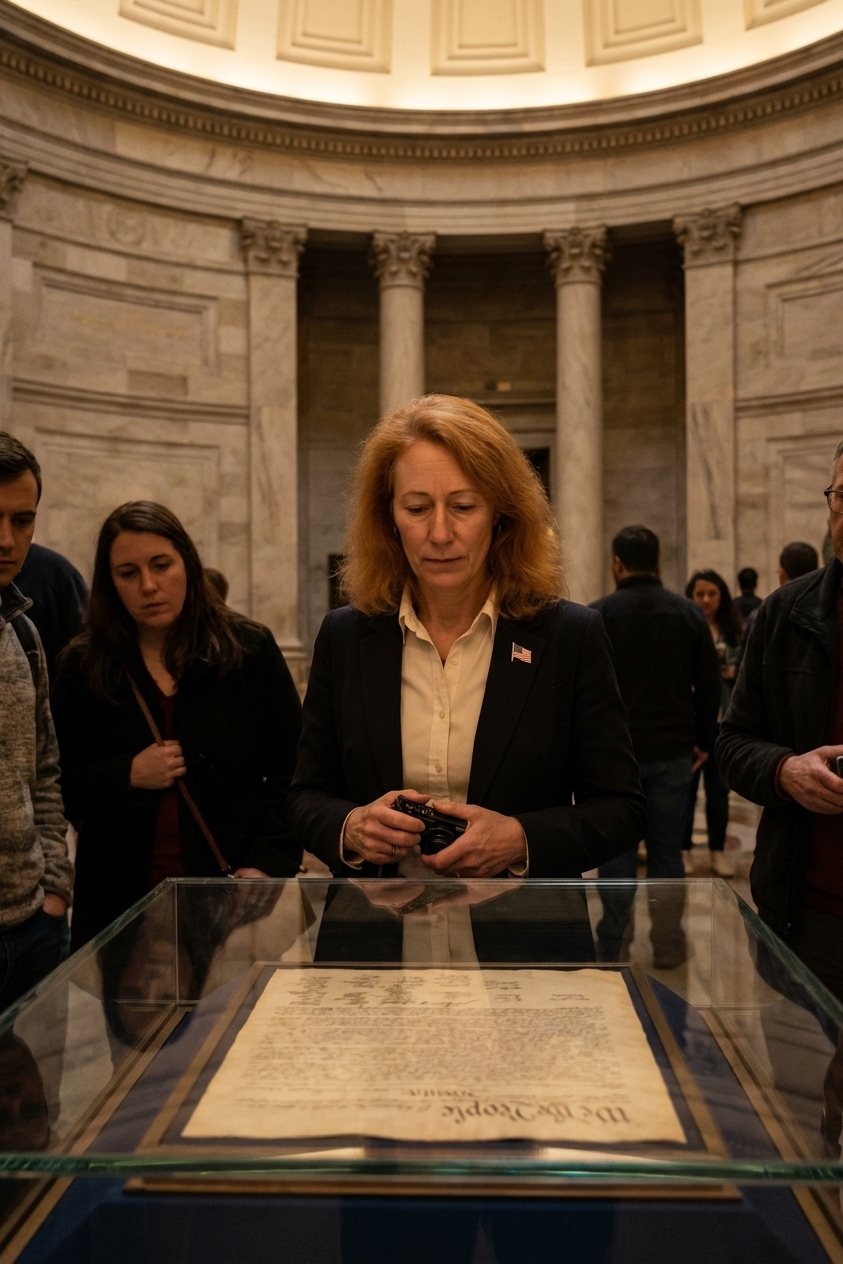
Step 1: Name the clause
Most constitutional disputes start with a familiar phrase. “Free speech.” “Due process.” “States’ rights.” “Equal protection.” The debugging move is to translate that phrase into the smallest, most specific constitutional hook available.
Ask three questions:
- Is this a federal power question (What can Congress or the President do?)
- Is this a rights restriction question (What can government not do to people?)
- Is this a structural question (Who decides, and under what procedure?)
Those categories point you to different places. Federal power questions live in Article I, Section 8, plus a few other scattered grants. Rights restrictions begin with the Bill of Rights and then expand dramatically through the Reconstruction Amendments, especially the Fourteenth. Structural disputes often hide in procedural clauses, appointments, jurisdiction, and the “boring” parts people skip until they matter.
Step 2: Read text and doctrine
The Constitution is short. That is its magic and its hazard. Many of its most consequential phrases are open-textured on purpose: “liberty,” “due process,” “unreasonable,” “equal protection.”
So debugging requires two passes.
Pass one: the literal text
Read the clause you are relying on. If you cannot quote it or summarize it accurately, you are not debugging. You are guessing.
Pass two: the working legal meaning
Then ask what courts, especially the Supreme Court, have said the clause means in practice. This is where people get frustrated, because the answer is often: it depends on the test.
One small vocabulary note: lawyers use doctrine to mean the body of court-made rules that translate broad constitutional language into something a judge can apply on Tuesday morning.
For example, “free speech” debates turn on what kind of speech it is (political, commercial, obscene, threatening), what kind of forum it happens in (public sidewalk, classroom, private platform), and who is restricting it (government or private actor). The words “Congress shall make no law” do not do all of that work by themselves. Doctrine does.
Step 3: Check for government action
This is the bug that breaks the most arguments online: the Constitution mostly restrains government, not private individuals and not private companies.
The First Amendment is the clearest example. It begins with “Congress shall make no law,” and most First Amendment protections apply to state and local government through the Fourteenth Amendment. But it is still a constraint on government power, not a general cultural rule against criticism, cancellation, or moderation.
That does not mean private power is harmless. It means constitutional claims have a target, and if you aim at the wrong one, the analysis will never run.
One more debugging note: “private actor” is not always the end of the story. In limited situations, courts treat a private entity like the government, for example when it performs a traditional public function or is heavily entangled with the state. Those are exceptions, not the default.
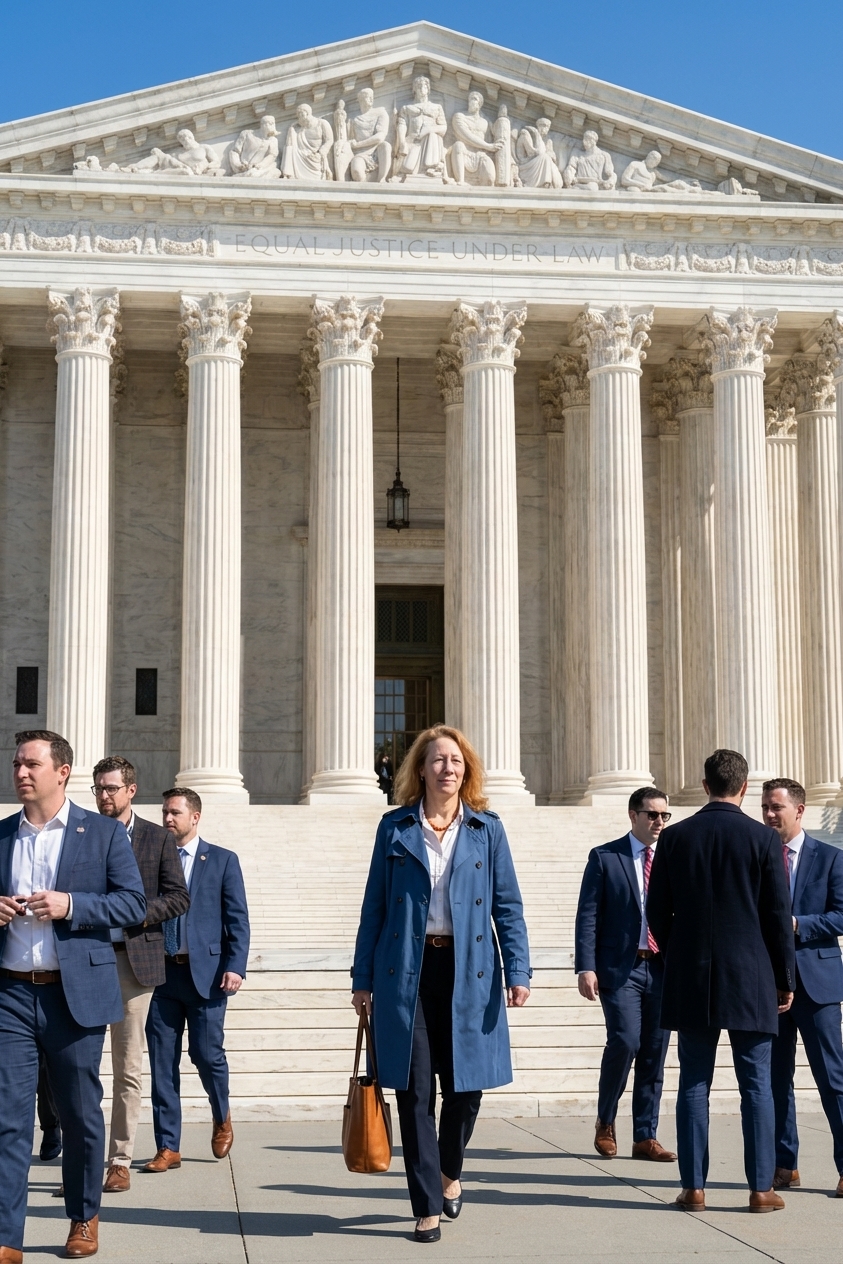
Step 4: Find the standard of review
In constitutional law, the outcome often turns less on what people believe the Constitution “stands for” and more on the intensity of judicial scrutiny a court applies.
A quick debugging cheat sheet:
- Rational basis: the government often wins
- Intermediate scrutiny: the government must show an important interest and a tighter fit
- Strict scrutiny: the government often loses
Those are patterns, not guarantees. Rational basis can still bite, and strict scrutiny is not always fatal in fact. Context matters, and so does how a court frames the government’s interest and the available alternatives.
If you are arguing a law violates equal protection, the next question is often whether the classification triggers strict scrutiny (race), intermediate scrutiny (sex), or rational basis (most everything else). If you are arguing a restriction burdens speech, you need to know whether it is content-based, viewpoint-based, or content-neutral. Each label changes the test. Each test changes the odds.
Debugging means you do not stop at “this violates the Constitution.” You ask: Under what test, and why that test?
Step 5: Rights, protections, benefits
One of the Constitution’s most misunderstood features is that absence does not automatically mean illegitimacy.
The text says nothing about political parties, congressional committees, primary elections, executive agencies, or much of modern administration. The system still operates with those features because constitutional law includes statutes, history, precedent, and institutional practice.
But the reverse is also true: many things people assume are guaranteed are not guaranteed in the way they imagine. If you want to debug a claim, distinguish between:
- Textual rights (speech, religion, jury trial)
- Doctrinal rights inferred from broad language (many privacy and autonomy protections)
- Policy benefits created by statute (which can be expanded, narrowed, or repealed)
This difference is not pedantic. It tells you what it takes to change the rule. Textual rights are hard to erase. Doctrinal rights can be narrowed by new interpretations. Statutory rights can change with elections.
Also, even when the Constitution does not “create” something, it may still constrain it. Policing is a good example: most day-to-day authority comes from state police powers and statutes, but the Fourth, Fifth, Sixth, Eighth, and Fourteenth Amendments still set hard boundaries on how the government can investigate, seize, interrogate, prosecute, and punish.
Step 6: Federal vs state level
Another common bug is assuming the Constitution makes the federal government responsible for every civic failure and every civic hope.
Our system is split. States retain broad “police powers” over health, safety, welfare, and morals. The federal government operates through enumerated powers. Many of the fights people frame as national constitutional questions are, in practice, disputes about state law, state constitutions, and local policy.
That does not make them small. It makes them targeted. Debugging helps you figure out which lever actually moves the outcome.

Step 7: Can you sue and win
Even if you are right about the Constitution, you still have to get into the right courtroom, at the right time, with the right kind of claim.
This is the unglamorous debugging layer people skip until it wrecks the whole build:
- Standing: are you the right person to bring the claim, with a real injury the court can address?
- Mootness and timing: is the dispute still live, or did events change?
- Jurisdiction and procedure: is this in the right court, under the right vehicle?
- Remedy: what are you actually asking a court to do, and is it something a court can do?
Real-world outcomes often turn on these thresholds. They are not a dodge. They are part of how the system allocates power.
Step 8: Use cases like tools
People cite cases the way they cite scripture: as if the citation alone settles it. Debugging requires you to check what the case actually held, what question it answered, and what later cases did to it.
Three quick checks:
- Holding vs. dicta: What was necessary to decide the case?
- Scope: Was the ruling broad, or narrow to a specific setting?
- Stability: Has the Court limited, distinguished, or overruled it?
This matters because precedent is not a museum. It is an ecosystem. A case can remain formally “good law” while being quietly boxed in by later decisions. Conversely, a case can look dead politically and still shape doctrine because its logic lives on elsewhere.
Step 9: Run a quick example
Two common “internet bugs,” debugged in three sentences:
- A private platform removes your post. Start at Step 3: no government action, so the First Amendment claim usually does not run. The real questions are contractual, statutory, or about platform policy, unless you can plausibly show a rare state-action exception.
- A city bans a protest in a public park because officials dislike the message. Step 1 points you to the First Amendment; Step 4 points you to content and viewpoint discrimination, which typically triggers the toughest review. Step 2 forces you into forum doctrine, because streets and parks are treated differently than classrooms or jails.
A checklist you can reuse
If you want a simple routine for future constitutional claims, use this list:
- What exact clause or amendment is being invoked?
- Is there government action, or is this a private dispute?
- Is the issue about federal power, individual rights, or structure and procedure?
- What standard of review applies, and why?
- Is the claimed right textual, inferred, or statutory?
- Is this primarily a federal question or a state and local question?
- Can you bring the claim, and what remedy is available?
- What is the best case for the claim, and what is the best case against it?
Run that checklist and you will feel the argument snap into focus. Not because the Constitution becomes simple, but because the confusion becomes identifiable. Debuggable.
Why a test matters
The Constitution survives partly because it is argued over. But good arguments require clean inputs: accurate text, honest doctrine, and a realistic sense of what courts do.
People will disagree about interpretive method, too, whether you lean textualist, originalist, or living-constitutionalist. Debugging does not resolve that fight. It helps you make sure you are at least fighting about the same clause, the same test, and the same kind of defendant.
Debugging is civic education in miniature. It is the habit of refusing to let slogans do the work of analysis. And in a republic that depends on self-government, that habit is not optional. It is maintenance.