
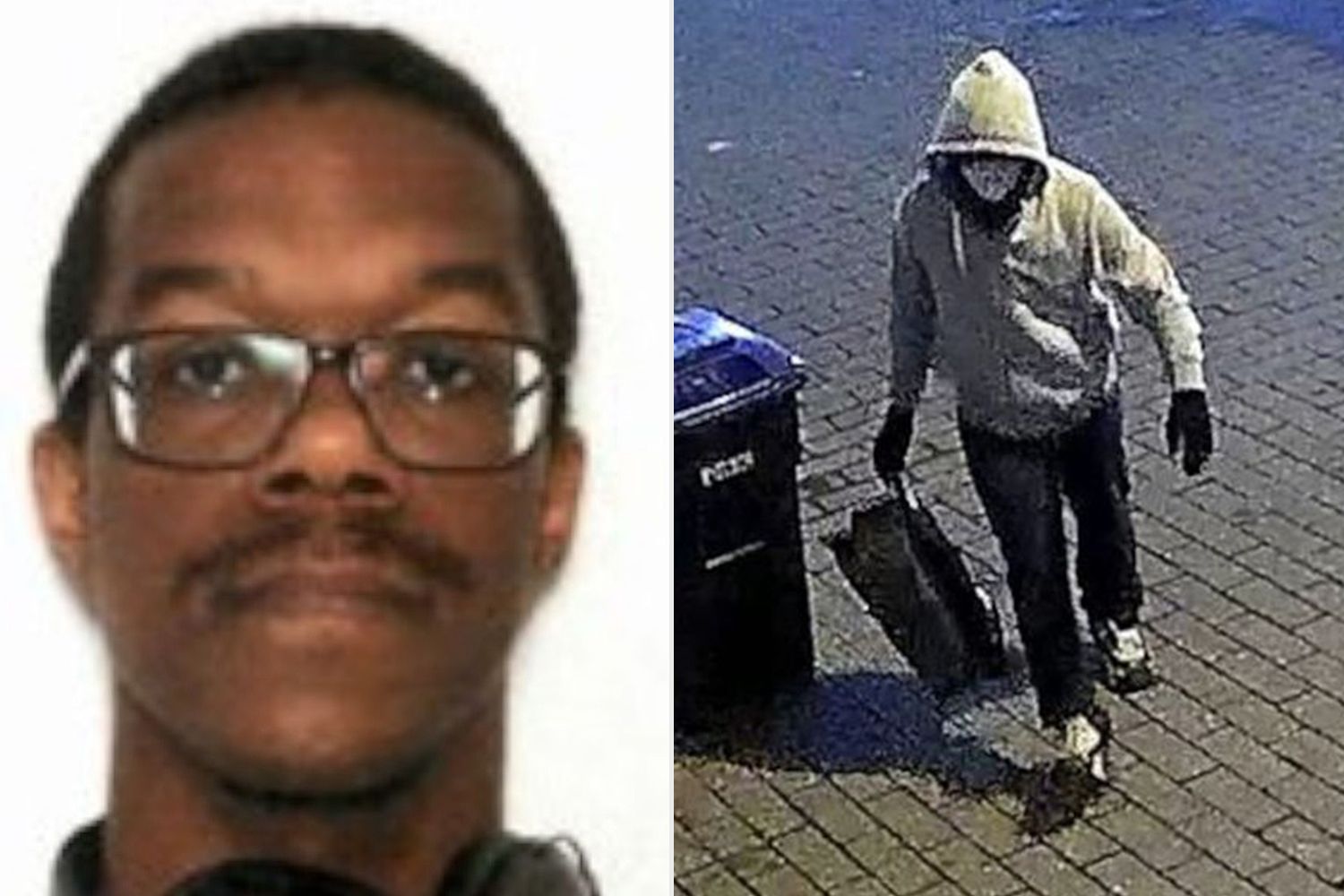
A federal case tied to one of the most alarming episodes surrounding January 6 is taking a new turn. Brian J. Cole Jr., who is accused of placing pipe bombs near the Democratic and Republican national party headquarters in Washington, D.C., is asking a judge to throw out the charges by claiming he is covered by President Donald Trump’s sweeping January 20, 2025 pardon of January 6 defendants.
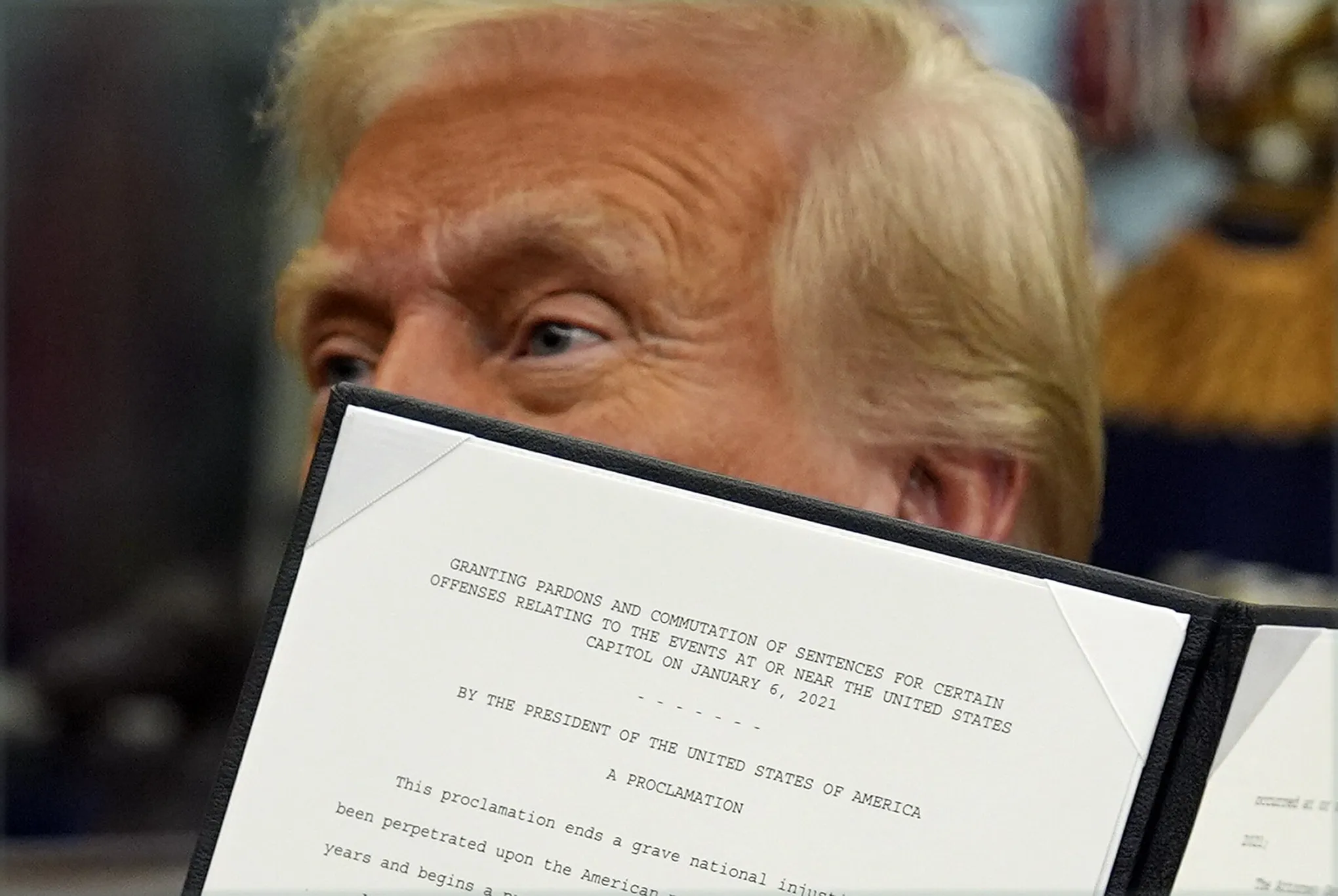
The legal question is not whether the alleged conduct was serious. It is whether it falls inside the pardon’s wording, which Cole’s lawyers argue covers offenses “related to events that occurred at or near the United States Capitol on January 6, 2021.”
Join the Discussion
Prosecutors allege that on the eve of the Capitol riot, explosive devices were placed near the headquarters of the Democratic National Committee and the Republican National Committee. The devices did not detonate, and no one was physically injured. Still, the allegations place the case at the intersection of public safety, election-related unrest, and the broader January 6 investigations.
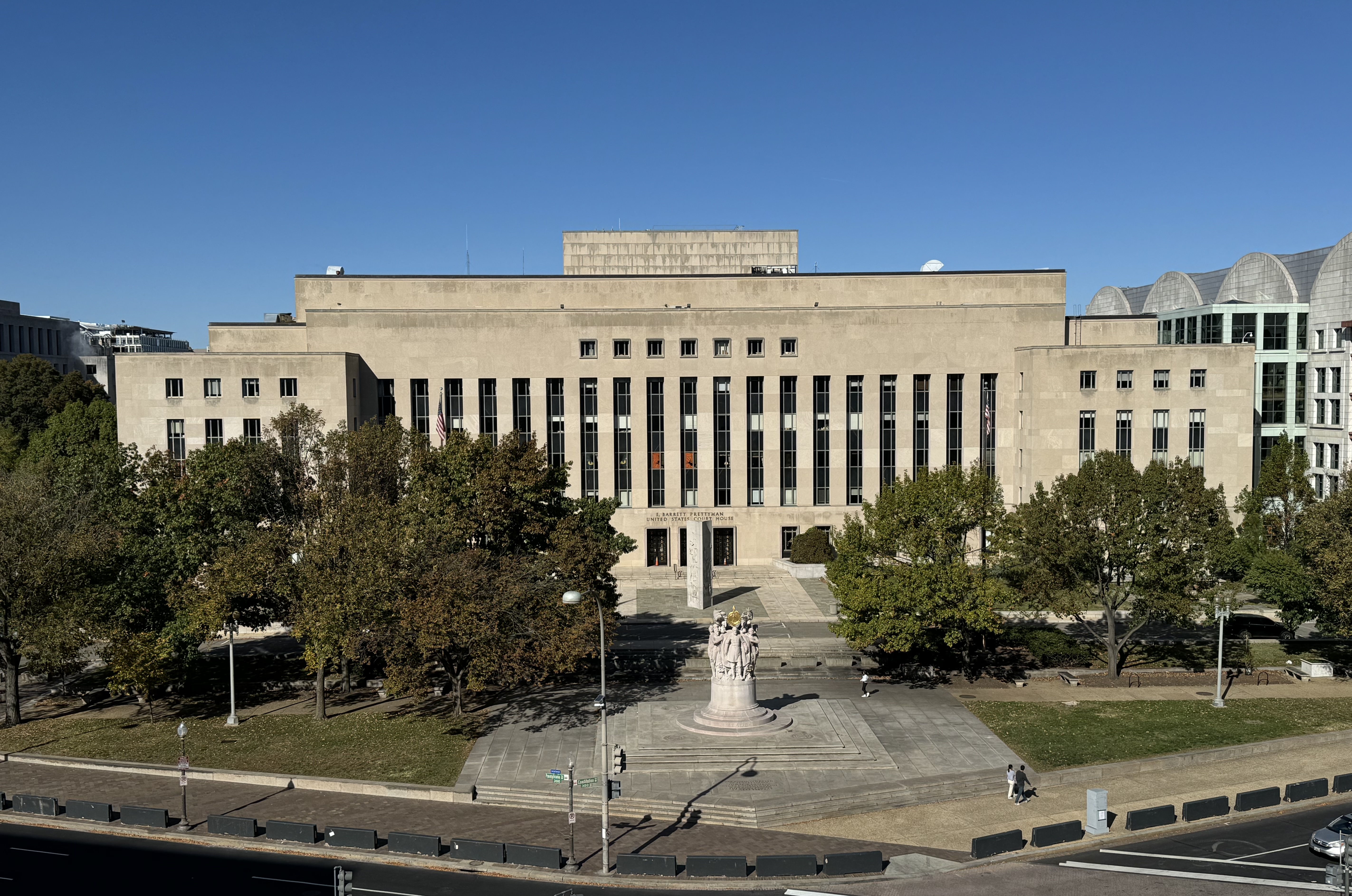
Cole has been charged federally, and his attorneys have now filed a 23-page motion in U.S. District Court asking for dismissal “in their entirety,” based on the President’s 2025 pardon.
The defense strategy
The core of Cole’s filing is straightforward: if the government has consistently treated the pipe bombs as connected to the January 6 sequence of events, then the government cannot now insist the case is outside a pardon that covers offenses related to those events.
In the motion, defense attorneys Mario Williams and John Shoreman argue the government’s own narrative in the case “inextricably” tethers Cole to the events of Jan. 6, 2021.
“By the government’s own telling, this is exactly the kind of case that President Trump's January 20, 2025 Presidential Pardon was invoked to reach,” they wrote.
They cite Justice Department connections between the bombs and Jan. 6, including the “timing and location,” and the allegation that Cole Jr. drove to D.C. “to attend a protest concerning the outcome of the 2020 election.”
They conclude: “The Pardon — like it or not — applies to Mr. Cole, based on the ordinary and plain meaning of the Pardon’s language as applied to the relevant facts in this case.”
Why the pardon wording matters
Presidential pardons are at their strongest when the covered conduct is described with clarity. Here, the fight is over a familiar interpretive problem: what counts as “related to” January 6, and how far that relationship can stretch.
Even without getting deep into legal jargon, you can see the competing instincts:
- A broader view: Conduct prosecutors themselves have framed as connected to Jan. 6 through timing, location, and alleged motivation could be considered “related.”
- A narrower view: Planting explosives at party headquarters on the eve of Jan. 6, and not at the Capitol itself, could be treated as distinct conduct that is close in time but outside the pardon’s intended scope.
This is the kind of dispute that often turns on details courts care about: the exact pardon text, how the charged offenses are defined, how the indictment describes the conduct, and how closely the alleged actions connect to “events that occurred at or near the United States Capitol on January 6, 2021.”
The example the defense cites
To support a broad reading of the pardon, Cole’s team highlights that the January 20, 2025 action was not limited to minor offenses. They point to the case of David Dempsey, who was sentenced to 20 years for what prosecutors described as “vicious and protracted” assaults on police officers. Despite being labeled a “domestic terrorist” by some officials, Dempsey received a full pardon.
The argument is less about Dempsey’s facts and more about the pardon’s reach: if the President extended clemency even to people the government portrayed as especially dangerous, the defense says it would be inconsistent to exclude conduct the government itself has tied to Jan. 6.
The defense also argues it would be a “grave injustice” to prosecute Cole, emphasizing that the devices never exploded and caused no physical injury.
What happens next
The government is expected to challenge the motion, and the judge will have to decide whether the pardon language actually covers the charged offenses. That decision will likely focus on how directly the alleged pipe bomb placement connects to “events that occurred at or near the United States Capitol on January 6, 2021,” and whether “related to” can reasonably include conduct that occurred the day before and at locations outside the Capitol complex.
For readers watching these cases unfold, this is a useful reminder that the Constitution’s pardon power is broad, but its application can still raise sharp questions. A pardon can end a prosecution, but only if the conduct falls within what the President actually pardoned.