
The nation’s capital, already patrolled by National Guard troops, is now the center of a high-stakes constitutional showdown. The District of Columbia’s Attorney General has filed a lawsuit against the President of the United States, seeking an emergency court order to block his federal takeover of the city’s police force.
This is not a political squabble; it is a desperate legal battle to defend the principle of local self-governance from what the city’s own leaders are calling a “brazenly unlawful” power grab.
The lawsuit is a profound test of the D.C. Home Rule Act, and it forces the judiciary to decide the limits of a president’s power over the nearly 700,000 American citizens who call the capital home.

A “Brazen Usurpation” of Power
The lawsuit, filed by D.C. Attorney General Brian Schwalb, challenges two key actions by the administration. The first is President Trump’s executive order that federalized the Metropolitan Police Department (MPD). The second is a subsequent directive from Attorney General Pam Bondi that sought to install the head of the federal Drug Enforcement Administration (DEA) as the “emergency” commissioner of the MPD, sidelining the city’s own police chief.
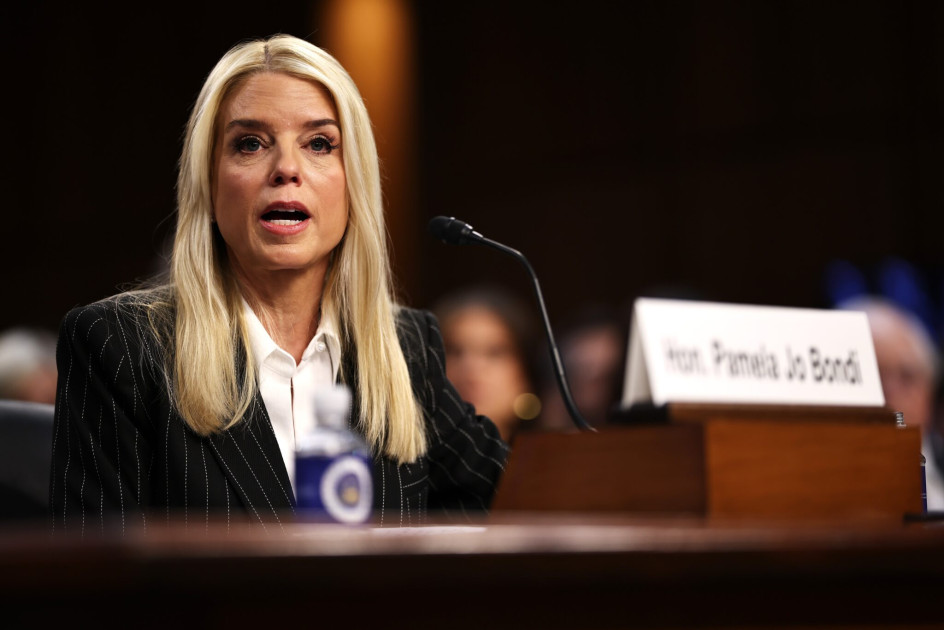
The city argues that these moves will “wreak operational havoc” on the police force. In a sworn court filing, current MPD Chief Pamela Smith stated that the President’s order is “endangering the safety of the public and law enforcement officers.”
They are asking a federal judge to issue a temporary restraining order to immediately halt what Schwalb has called “the gravest threat to Home Rule that the District has ever faced.”
The Home Rule Act
At the heart of this conflict is the D.C. Home Rule Act of 1973. This is the law passed by Congress that delegated the power of self-governance to a locally elected mayor and council. However, the Act contains a critical provision – Section 740 – that allows the President to assume control of the city’s police force if he “determines that special conditions of an emergency nature exist.”
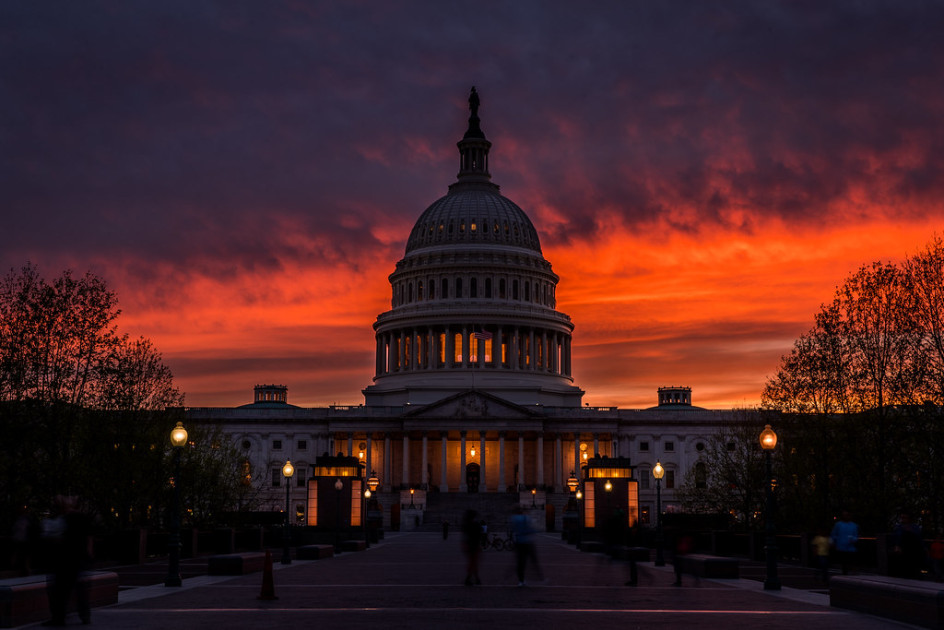
This is the constitutional fault line. The administration claims its actions are justified by a public safety “emergency” in the city. But as critics like former White House ethics czar Norm Eisen have argued, this is a “fake emergency.” Recent official data shows that violent crime in D.C. is actually at a 30-year low. This suggests the administration is using a questionable pretext to trigger a powerful and rarely used provision of federal law.
The Judiciary as the Last Line of Defense
This lawsuit is a classic separation of powers moment. With its unique constitutional status, D.C. cannot fight back with the power of state sovereignty that a governor in Texas or California could claim. Its only recourse is to appeal to the third branch of government – the judiciary – to enforce the limits of the law that was passed by the first branch, Congress.
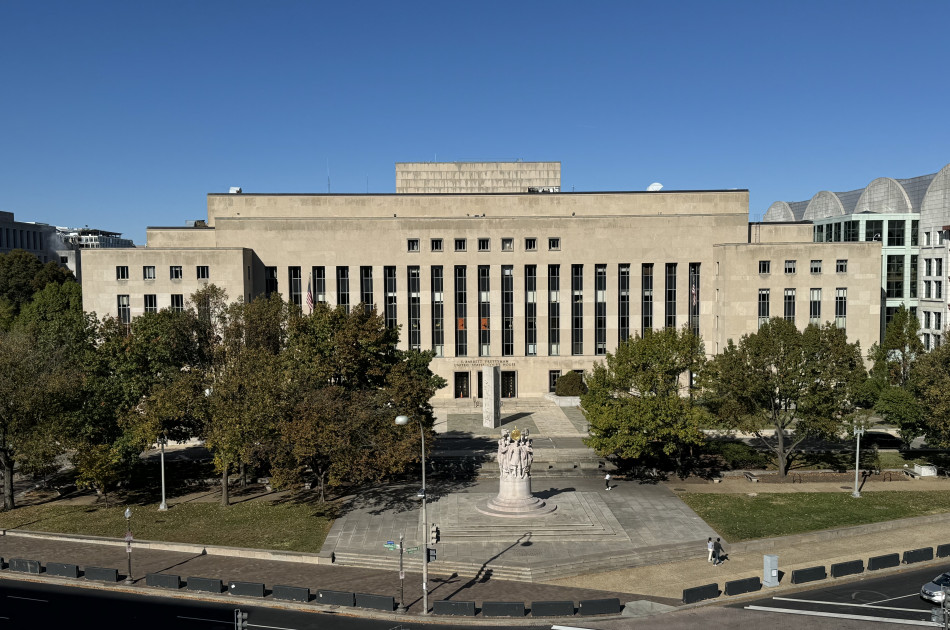
The case, now before U.S. District Judge Ana Reyes, is a test of whether the courts will simply defer to the President’s declaration of an “emergency,” or whether they will independently examine the facts to determine if the President has exceeded his statutory authority under the Home Rule Act.
The outcome of this legal battle will have implications far beyond the capital. It will set a powerful precedent for how much authority a president has to declare a domestic emergency and deploy federal power against a local jurisdiction. The fight for self-governance on the streets of Washington, D.C. is now a constitutional battle for every American who believes in the principle of local control.