
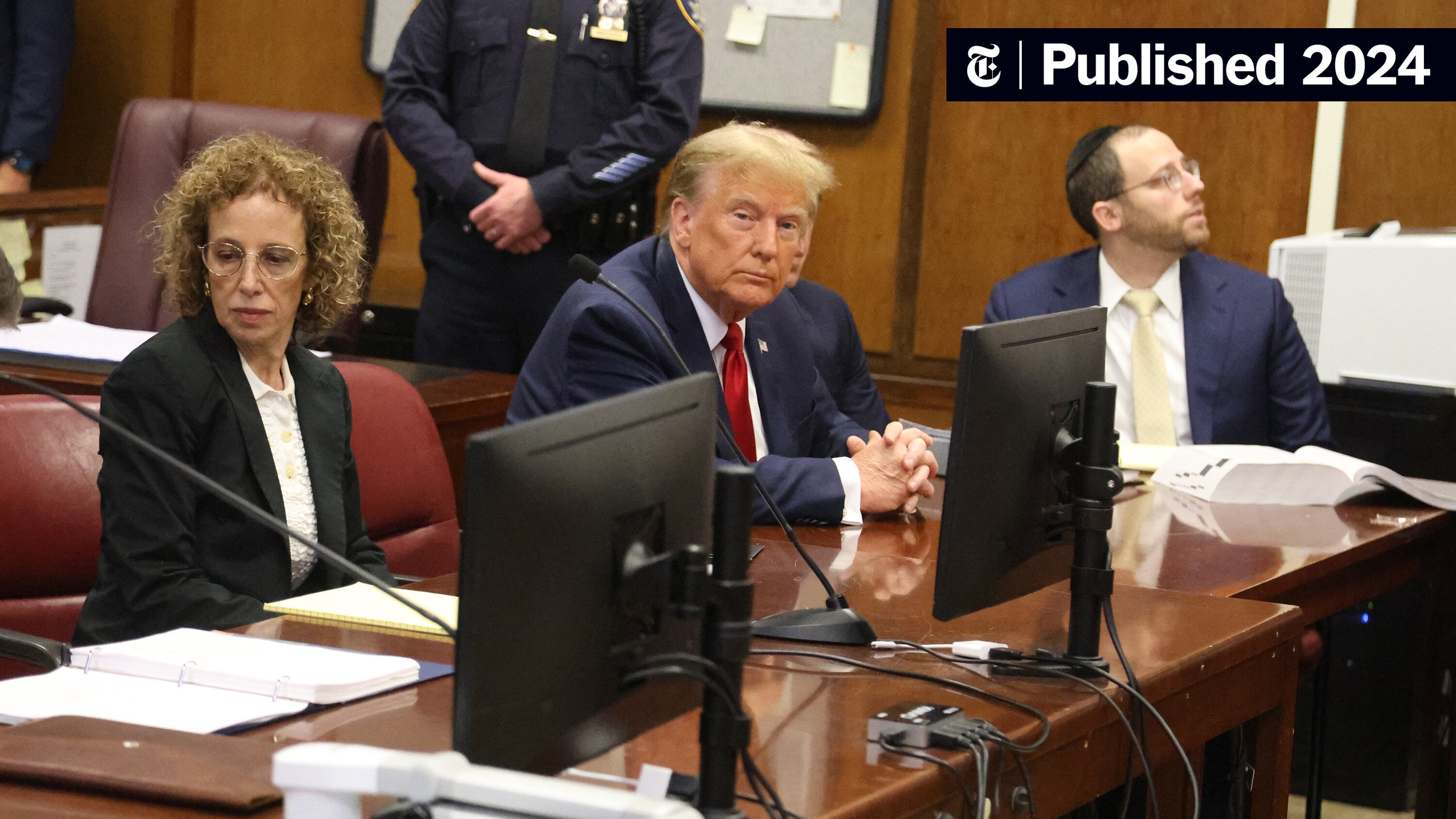
A gag order is one of the stranger things an American court can do in public: tell people involved in a case to stop talking about it.
It sounds like censorship, and sometimes it functions that way. But it is also a courtroom management tool, aimed at protecting a defendant’s right to a fair trial, keeping witnesses safe, and preserving the integrity of evidence.
The constitutional tension is built in. The First Amendment protects speech. The Sixth Amendment promises criminal defendants an impartial jury. And trial judges are expected to run proceedings that are both fair and orderly. When a case becomes a news event, those values can collide fast.
Join the Discussion
What a gag order is and is not
In everyday conversation, “gag order” can mean any court order that limits what people can say about a case. In actual practice, courts issue several different kinds of speech-related orders, and the differences matter.
- A classic gag order restricts what participants in the case may say publicly. Think parties, lawyers, witnesses, and sometimes court staff.
- A sealing order restricts access to documents or filings. It does not necessarily stop anyone from talking, but it can keep evidence and motions out of public view.
- A protective order usually controls discovery, meaning what information exchanged between the sides can be shared beyond the litigation.
- An order closing a courtroom limits public and press access to proceedings. That triggers a separate body of First and Sixth Amendment law about public trials and public access.
News headlines often collapse these into “gag order.” The legal question changes depending on which tool is being used and who is being restricted.
Who gag orders apply to
Trial judges generally have more authority to limit speech by people who are actively participating in the case than they do to restrict the public at large. That is why many orders are aimed inward, not outward.
Parties
Parties can be ordered not to make statements that threaten the fairness of trial or intimidate witnesses. In criminal cases, restrictions on a defendant’s public speech raise especially sensitive issues because the government is prosecuting that person. Depending on the jurisdiction and circumstances, defendant-directed gag orders can face demanding constitutional scrutiny and are often more vulnerable than lawyer-directed limits.
In high-profile civil cases, parties can be ordered to stop litigating through the press, particularly when public statements risk poisoning the jury pool or affecting testimony.
Lawyers
Courts often have their clearest, most established authority when restricting attorneys, because lawyers are officers of the court and are already bound by professional ethics rules that limit what they may say outside court. Many states follow a rule similar to ABA Model Rule 3.6, which restricts extrajudicial statements that create a “substantial likelihood of materially prejudicing” a proceeding.
That ethical baseline matters because a gag order aimed at lawyers often looks less like banning ordinary political speech and more like enforcing courtroom integrity. The Supreme Court has generally accepted that attorney trial-related speech can be regulated more than ordinary public commentary, including in Gentile v. State Bar of Nevada (1991).
Witnesses
Witness-related restrictions are often framed as anti-intimidation measures. Courts may prohibit public commentary about a witness’s expected testimony or the witness’s identity, especially in cases involving threats, gang violence, sexual assault, or intense online harassment.
Jurors
Jurors are routinely instructed not to discuss the case, not to research it, and not to post about it. That is not usually called a gag order in the news, but it is a speech restriction, justified by the need for an impartial verdict based only on evidence in court.
Court staff and law enforcement
Judges may also restrict court personnel, investigators, and sometimes police spokespeople from making statements that disclose sensitive evidence or compromise the proceeding.
The press and the public
This is where courts run into the hardest First Amendment limits. Prior restraints on publication are strongly disfavored. A judge almost never can order “no one may report on this case” simply because it is messy or loud, absent extraordinary circumstances and a very strong legal showing. When restrictions touch the press, courts demand exceptionally strong justification, and they often look for less restrictive alternatives first, a theme associated with Nebraska Press Assn. v. Stuart (1976).
Partial vs. full orders
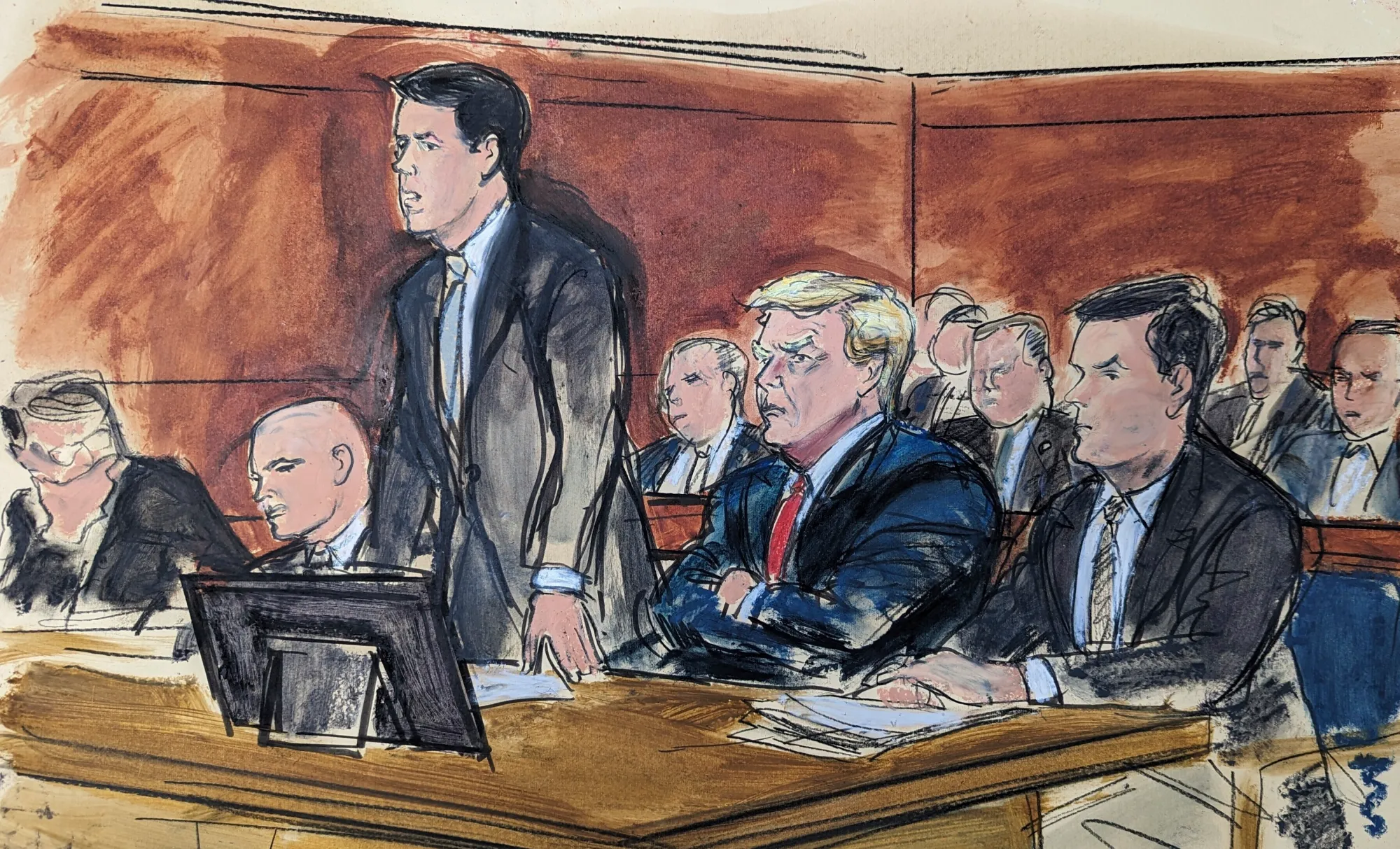
Not all gag orders are created equal. Courts often try to narrow them to the least restrictive version that still solves the problem.
Partial gag orders
A partial gag order limits certain categories of speech rather than banning public commentary entirely. Common limits include:
- Statements about the credibility or character of witnesses
- Discussion of confessions, forensic results, or excluded evidence
- Comments about what a party “will prove” at trial
- Attacks on jurors or attempts to identify them
- Public claims likely to interfere with testimony or inflame the jury pool
These orders often still allow basic speech: scheduling information, public filings, and general statements like “my client denies the allegations.” Courts tend to prefer this approach because it targets prejudicial speech, not all speech.
Full gag orders
A full gag order is the broad version: participants are barred from making public statements about the case at all, sometimes with narrow exceptions for court filings or statements needed to protect a client from substantial unfair publicity.
Full bans are more vulnerable on appeal because they are harder to justify as “no broader than necessary.” In constitutional terms, breadth can be the fatal flaw.
The constitutional tradeoff
The phrase “First Amendment” makes this feel simple. Speech is protected. End of story.
But the legal system has long treated trial-related speech differently from ordinary civic speech because trials are not just debates. They are adjudications with real consequences, and they rely on evidence rules, juror neutrality, and witness participation.
Fair trial and an impartial jury
In criminal cases, the Sixth Amendment right to an impartial jury is not symbolic. If publicity makes jurors decide the case before they hear evidence, the trial becomes theater. Judges therefore have a constitutional duty to protect the process, not just a managerial preference to quiet the noise. The Supreme Court’s warning about publicity overwhelming a trial court’s control shows up most famously in Sheppard v. Maxwell (1966).
Open courts and public confidence
At the same time, the public has a strong interest in observing how courts operate, especially when the defendant is powerful, the victim is vulnerable, or the case has political implications. Excessive secrecy can erode trust just as surely as excessive media frenzy can distort the jury pool.
Why “ignore the news” is not a fix
Courts do instruct jurors to avoid media and social media. In a low-profile case, that can be enough. In a national news cycle, it can be unrealistic. Modern gag orders are often responses to a specific fear: that a case will be tried by trending posts rather than sworn testimony.
Legal standards judges use
There is no single, one-size test that applies to every gag order in every court. Standards vary by jurisdiction, by who is being restrained, and by whether the case is criminal or civil. You will see formulations like “reasonable likelihood” of prejudice in some courts, and more demanding language in others.
Participant speech vs. press speech
Courts generally treat restrictions on trial participants as more permissible than restrictions on the press. The First Amendment still applies, but a judge’s supervisory authority is stronger when regulating attorneys and parties in a pending case than when attempting to restrain publication.
Lawyers and material prejudice
Many gag orders aimed at attorneys track the professional-responsibility concept that lawyers may be restricted when their statements pose a substantial likelihood of materially prejudicing the proceeding. This is the lane associated with ethics rules and with cases like Gentile.
Narrow tailoring and alternatives
Even when a judge has a legitimate concern, the order is usually expected to be narrow. Courts commonly ask questions like:
- Is there a real risk to jury impartiality, not just embarrassment or inconvenience?
- Would voir dire, jury instructions, continuances, or change of venue address the problem?
- Is the order limited in duration and scope, or does it ban speech broadly?
- Does it target specific harmful statements, or does it suppress general discussion?
Closures and access
When a court limits access to a courtroom or seals proceedings, the analysis shifts to the public’s and press’s right of access. The Supreme Court has described this in terms of history and function, often summarized as an “experience and logic” approach, in cases like Press-Enterprise Co. v. Superior Court (1984, 1986).
High-profile civil cases
Civil cases do not carry the same Sixth Amendment structure as criminal prosecutions, but they can still involve juries, witness intimidation, and viral misinformation. Judges may rely more heavily on inherent authority to manage litigation and protect the integrity of proceedings, often through protective orders and limits on extrajudicial statements by counsel.
What orders often allow
Many gag orders are not written as “say nothing.” They are written as “do not say these things.” Typical carve-outs include:
- Quoting or referencing public court records
- Stating the claims or charges in neutral terms
- Responding to publicity to mitigate substantial unfair prejudice to a client
- Communicating with law enforcement or regulators as needed
- Speaking privately with family, investigators, or experts when necessary to prepare the case
Practical drafting details matter here. Orders often include time limits (for example, through trial), define what counts as a covered public statement (including social media), and sometimes extend to agents or surrogates acting on a party’s behalf. When those guardrails are missing, the order is more likely to be challenged as overly broad.
What happens if one is violated
A gag order is not a suggestion. It is a court order, and courts have tools to enforce it.
Contempt of court
The most common remedy is contempt. Contempt can be civil (designed to coerce compliance) or criminal (designed to punish). Penalties can include fines, limits on courtroom participation, and in rare cases jail time.
Sanctions against attorneys
For lawyers, courts can impose sanctions, refer counsel to a disciplinary authority, restrict future statements, or even disqualify counsel in extreme situations where conduct threatens the fairness of proceedings.
Trial protections
Sometimes the response is not punishment but protection of the trial itself: expanded voir dire, jury sequestration, delaying trial, or moving the trial to a different venue. These are costly remedies, which is why judges sometimes reach for targeted speech limits when publicity is accelerating. In cases where the press is implicated, courts are especially expected to consider these alternatives first.
Why you see them in big cases
Gag orders are most visible in two kinds of cases because those are the cases where speech can do the most damage the fastest.
- Criminal prosecutions with heavy media attention, where juror neutrality and witness security are fragile.
- High-profile civil disputes involving celebrities, major companies, or politically charged issues, where public narratives can pressure witnesses and distort settlement leverage.
The judge is often trying to prevent a trial from turning into a campaign, a harassment engine, or a public relations war fought with evidence that has never been tested in court.
The question under the headlines
It is tempting to ask whether gag orders are “constitutional” or “unconstitutional,” like there is a single answer.
The better question is: whose speech is being restricted, and why?
A narrowly drawn order limiting lawyers from commenting on witness credibility can look like an extension of courtroom ethics and fair trial duties. A broad order aimed at the public or press can look like a prior restraint, the kind of restriction the First Amendment treats as presumptively dangerous, as in Nebraska Press.
And that is the tradeoff, in plain terms. Trials require rules to be fair. Democracies require speech to be free. A gag order is what happens when a judge tries to hold both ideas in the same hand without dropping either.