
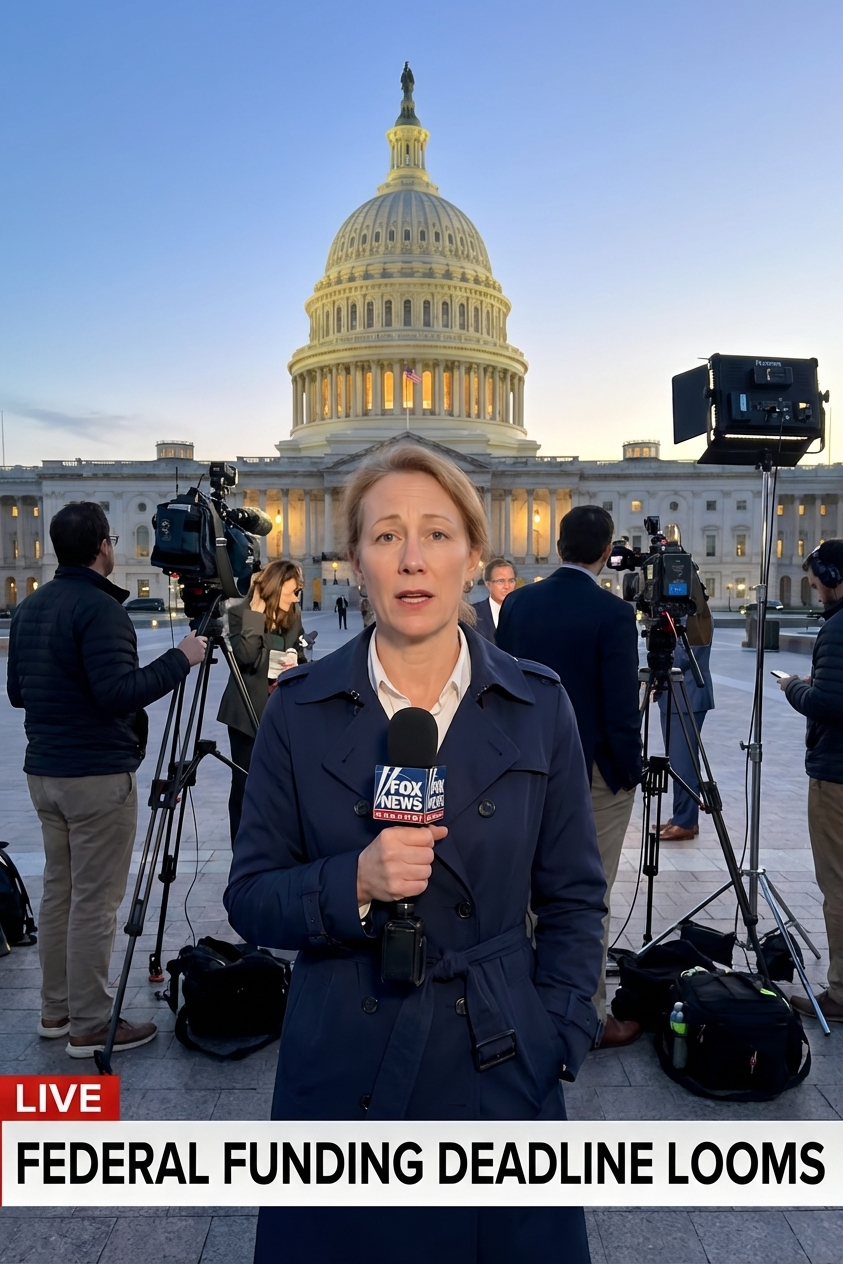
Every fall, Washington runs into the same cliff. The federal fiscal year starts on October 1. Agencies need legal authority to obligate and expend funds on October 1. And in many years in recent decades, Congress does not finish the regular appropriations bills in time.
So Congress reaches for a stopgap: the continuing resolution. A continuing resolution, or CR, is not a “budget” in the way most people mean that word. It is a temporary appropriations law that keeps the government funded long enough for Congress to keep negotiating.
One quick frame helps: authorizations create or continue programs, but appropriations provide the money to run them. A CR is temporary appropriations.
Join the Discussion
What a CR is
A continuing resolution is a law that provides temporary funding for federal agencies and programs when Congress has not enacted all of the regular annual appropriations bills by the start of the fiscal year.
Most CRs do three basic things:
- They extend funding for a limited time, often weeks or a few months, sometimes for most of the year.
- They generally fund the government at current levels, using the prior year’s appropriations as the baseline, often with limited adjustments.
- They set conditions, such as restrictions on starting new programs or increasing spending beyond specified rates, though Congress can write exceptions.
Think of a CR as Congress telling the executive branch: you may keep operating, but only on a temporary allowance, and often without permission to begin much that is truly new unless the law makes an exception.
CR vs. regular appropriations
In an ideal year, Congress passes regular appropriations bills. Those bills do the detailed work of government funding: how much money for the Department of Defense, how much for national parks, how much for scientific research, how much for air traffic control, and so on.
Regular appropriations
- Detailed and program-specific: they spell out spending levels and priorities.
- Built for a full fiscal year: typically October 1 through September 30.
- Allow planned changes: increases, decreases, new initiatives, and policy directions.
Continuing resolutions
- Broad and temporary: they keep the lights on without rewriting the whole spending map.
- Often based on last year’s levels: continuity is the point, though CRs can include targeted adjustments called anomalies.
- Can create operational friction: agencies operate cautiously because future funding is uncertain and “new starts” may be barred unless exceptions are included.
This difference matters because appropriations are not just about keeping agencies open. They are also one of Congress’s biggest policy tools. CRs delay that tool.
Why Congress uses CRs
CRs are a symptom of a broader fact: appropriations are hard, slow, and politically risky.
Forces that push Congress toward CRs
- Deadlines collide with politics: October 1 arrives whether Congress is unified or divided, functional or frozen.
- Appropriations bills are leverage: funding fights become stand-ins for disputes over immigration, health policy, defense levels, climate spending, and cultural flashpoints.
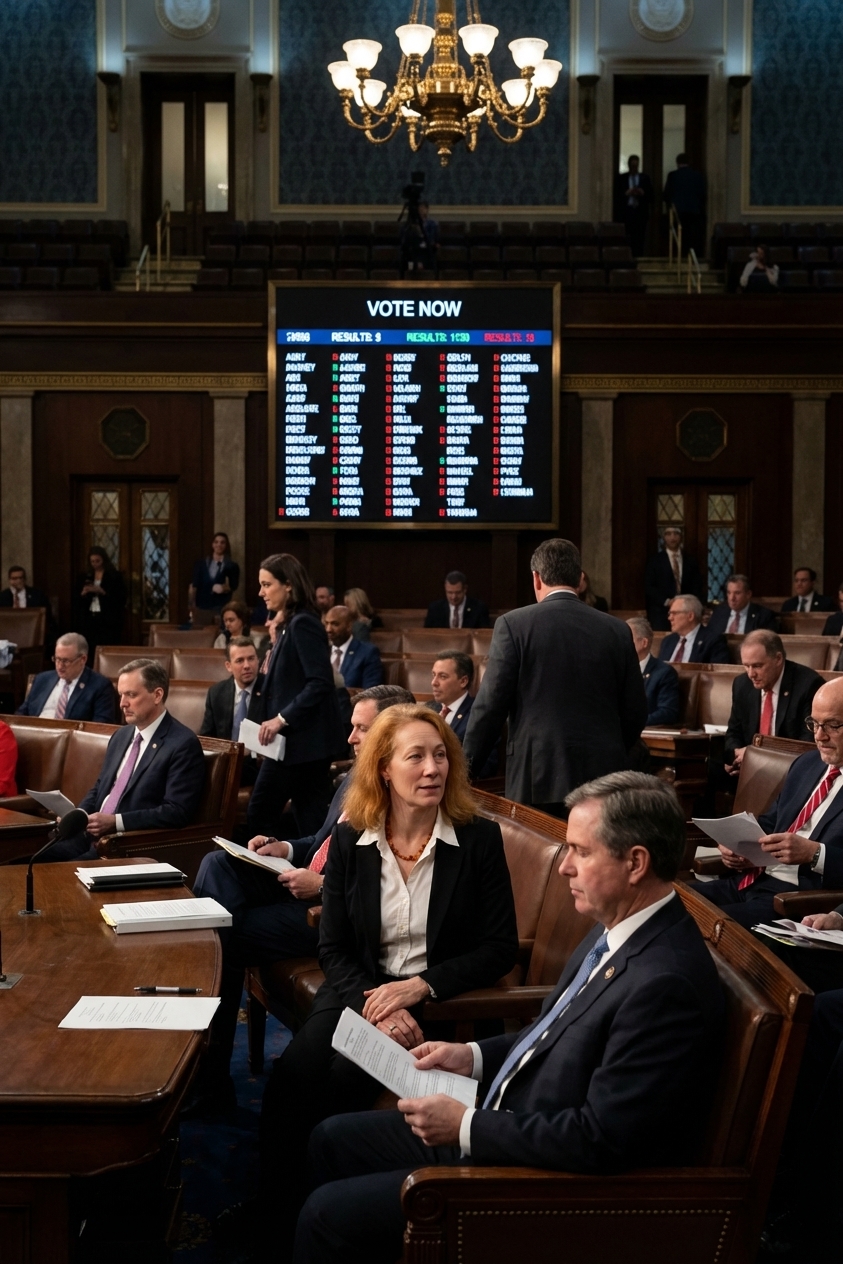
- Polarization shrinks the bargaining zone: the middle narrows, and leadership often cannot count votes until the last moment.
- Time is finite: the House and Senate have different rules, different calendars, and different internal coalitions. Negotiations drag.
- CRs shift the pain: a stopgap postpones the consequences of disagreement, which can be attractive if a shutdown would be blamed on you.
CRs are not popular inside agencies, but they are politically useful on Capitol Hill. They let Congress avoid making final choices until the last possible minute. Sometimes they also let Congress avoid making them at all.
The constitutional basis
Continuing resolutions are not mentioned in the Constitution. They do not need to be. They are statutes, passed like any other law, that exercise powers the Constitution does spell out.
Congress holds the spending power
The core constitutional anchor is the Appropriations Clause in Article I, Section 9:
“No Money shall be drawn from the Treasury, but in Consequence of Appropriations made by Law.”
That sentence is doing more than setting a bookkeeping rule. It is a separation-of-powers wall. The executive branch cannot legally spend federal money unless Congress has enacted an appropriation. A CR is one way Congress supplies that legal permission when full-year appropriations are not ready.
How the rest of Article I fits
- Article I, Section 7 sets the lawmaking process: both chambers must pass a bill, and the President must sign it or Congress must override a veto.
- Article I, Section 8 includes the Taxing and Spending Clause, which underpins Congress’s authority to raise revenue and spend for the general welfare.
CRs are therefore constitutional in the most straightforward sense: they are appropriations made by law.
CRs, omnibus bills, and anomalies
A CR is often a bridge to a larger deal. Many years end with a consolidated package, sometimes called an omnibus (many bills rolled into one) or a minibus (a smaller bundle). Those packages can carry the final, detailed funding decisions that a CR postpones.
CRs also often include anomalies, which are targeted exceptions to the “same as last year” approach. Agencies push for anomalies when the baseline does not fit reality, for example when a program is ramping up or down, a contract schedule changes, or a time-sensitive need cannot wait.
Historical examples
CRs have been a recurring tool for decades, but the modern era has made them feel like a default setting.
1995 to 1996
The mid-1990s featured high-profile budget conflict between Congress and President Bill Clinton. CRs were part of the chessboard, but when temporary funding ran out and agreement failed, the result was a pair of shutdowns. The lesson Congress re-learns repeatedly is that CRs are not a solution. They are time.
2013
In 2013, disputes tied to the Affordable Care Act helped derail funding. When a CR was not enacted in time, much of the government shut down. The shutdown ended only when a funding law reopened agencies and provided temporary funding while longer-term negotiations continued.
2018 to 2019
The funding lapse that began in late 2018 became the longest shutdown in U.S. history. It ended with a short-term continuing resolution that reopened the government and bought negotiators time, followed later by full-year appropriations for the affected agencies. That is the CR’s central role in modern practice: it can be both a bridge and an escape hatch.
2020 and 2021
The pandemic era saw Congress use CRs as schedules and negotiations buckled under extraordinary pressures. Even when there is broad agreement that funding must continue, agreement on the details still takes time.
These episodes share a pattern: CRs can prevent shutdowns, but they can also set up the next cliff if Congress treats the extension as a substitute for finishing the work.
When a CR expires
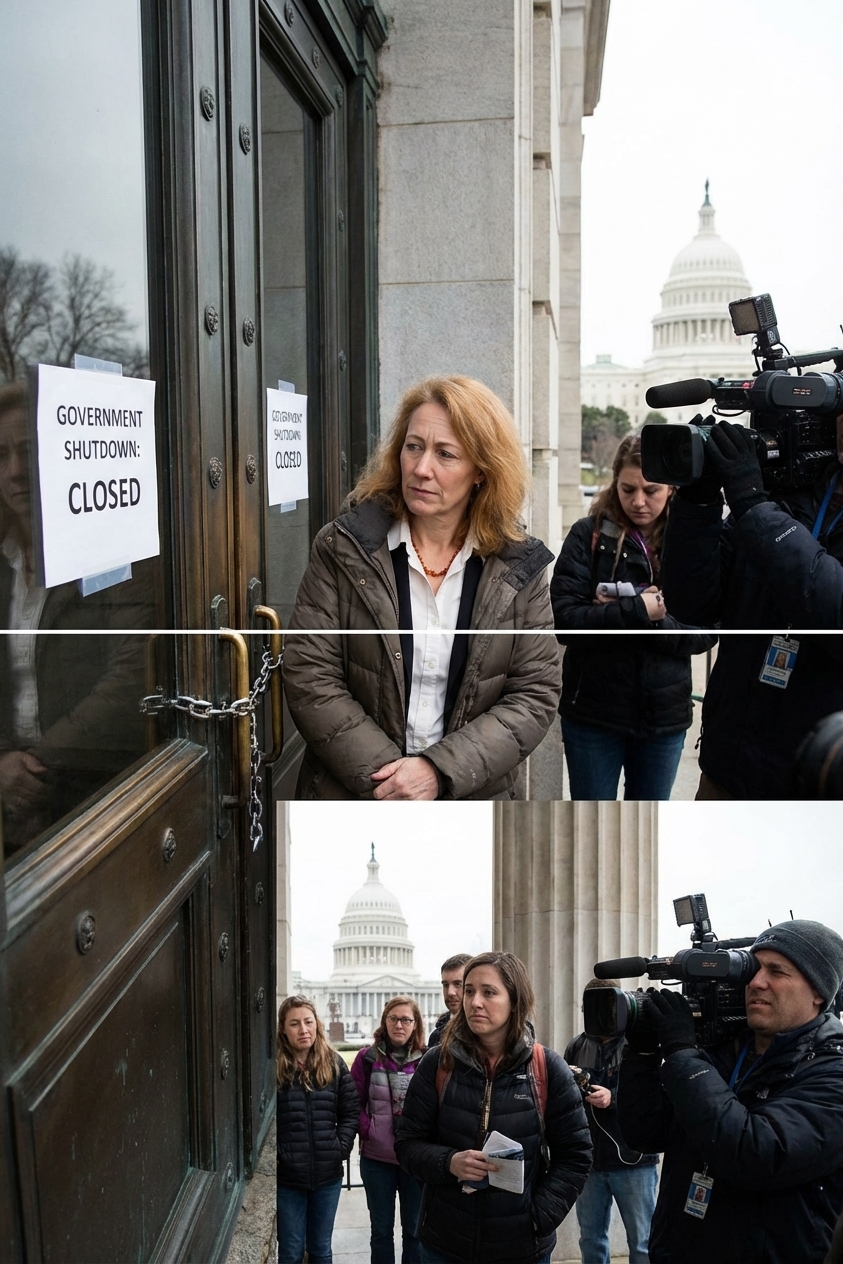
This is the moment people usually mean when they say “government shutdown.” The law authorizing spending has ended, and there is no new appropriation in place.
Why a lapse triggers a shutdown
When funding authority expires, agencies cannot keep obligating or spending as if nothing happened. The modern shutdown framework is shaped by the Antideficiency Act, which generally bars federal agencies from obligating or expending funds in excess of, or in advance of, appropriations, subject to limited exceptions.
In practice, a lapse forces agencies to cease non-excepted activities and carry out only what is allowed during a shutdown.
Excepted vs. non-excepted work
Even during a shutdown, not everything stops. Agencies continue excepted activities, a category that typically includes work authorized by law, work necessary for the safety of human life or the protection of property, and certain tasks needed for an orderly shutdown.
Also, many “mandatory” programs continue because they are funded by permanent law rather than annual appropriations. Social Security is the common example, though administrative operations around benefits can still be affected if those operations rely on annual funding.
What pauses and what creates chaos
- Non-excepted employees are furloughed, meaning they are told not to work until funding resumes.
- Services can be delayed: processing backlogs build, and public-facing services can shut or operate with skeletal staffing.
- Contractors can be hit hard: contract work may be paused, creating ripple effects outside government payrolls.
- Some employees work without immediate pay: many excepted employees must keep working even if pay is delayed until Congress acts. Federal law now guarantees back pay for furloughed federal employees after a shutdown, but timing and contractor impacts can still be painful.
A CR expiring is not just an abstract legislative failure. It is a legal switch that changes what the executive branch is allowed to do on the ground.
The cost of uncertainty
CRs are often described as responsible because they prevent a shutdown. That is true, but incomplete.
Running on temporary funding creates its own problems:
- Agencies cannot plan: hiring, contracts, grants, and long-term projects become harder to schedule.
- New initiatives stall: CRs often prohibit “new starts” unless the law includes exceptions.
- Waste can increase: short-term extensions can force inefficient spending patterns and delay procurement choices that save money over time.
- Congress loses visibility: the more funding happens through temporary extensions and last-minute packages, the less transparent and deliberative the process becomes.
CRs keep government open, but they also normalize governing on pause.
Quick facts
- What CR stands for: continuing resolution.
- What it does: temporarily funds federal agencies when regular appropriations are not enacted.
- Typical duration: days to months, sometimes through the rest of the fiscal year.
- What happens if it expires: a funding lapse can trigger a partial or full government shutdown.
- Constitutional anchor: Article I, Section 9, the Appropriations Clause.
How often CRs happen
Because CRs can be short, stacked, and sometimes embedded in larger laws, different tallies vary depending on how you count. But the trend is unmistakable: Congress has relied on CRs routinely since the late 1970s, and in many years it takes more than one stopgap to get from October 1 to a final funding deal.
The simplest way to understand the pattern is this: in a lot of years, Congress passes not one CR, but several, stitching together temporary funding until a final package arrives. The CR is not just an emergency tool anymore. It is a recurring feature of the appropriations system.
Why this matters
A continuing resolution looks like a technical patch, but it sits on a core constitutional idea: the people’s representatives control the purse. Congress can open the Treasury, but it can also close it, even accidentally, by failing to pass a law on time.
That design forces accountability. It also creates a recurring stress test. Every CR is a reminder that constitutional power is not just about lofty rights. It is also about whether the government has legal permission to pay air traffic controllers, keep labs running, process benefits, and show up for work on Monday.
If you want to understand why shutdown threats keep returning, you have to understand the CR. It is the bridge Congress keeps building because it never quite finishes the road.