
Constitutional Topics
Browse articles in Constitutional Topics on U.S. Constitution
Do Probationary Employees Have A Constitutional Right To Due Process?
Due process, as outlined in the U.S. Constitution, protects against arbitrary governmental actions. For probationary employees, this principle has specific implications. The Fifth and Fourteenth Amendments establish procedural and substantive due process: Procedural due process ensures fair...
Read more →What The Constitution Says About A Presidential Third Term
The 22nd Amendment of the U.S. Constitution, ratified in 1951, limits a president to two terms in office. This rule was established following Franklin D. Roosevelt’s four-term presidency. Before this amendment, the two-term tradition was an unwritten rule, set by George Washington when he stepped...
Read more →Is the Legal Challenge to Birthright Citizenship Stronger Than Expected?
Birthright citizenship , a cornerstone of American identity, originates from the 14th Amendment of the U.S. Constitution . This principle grants citizenship to anyone born on U.S. soil, regardless of their parents' legal status. Its roots lie in the post-Civil War era when the nation was redefining...
Read more →How Judicial Review was Established in 1803
In the early 1800s, America witnessed a power shift from the Federalists to the Jeffersonian Republicans. John Adams, the outgoing Federalist president, made last-minute judicial appointments, including William Marbury as justice of the peace in the District of Columbia. When Thomas Jefferson took...
Read more →Humphrey v. U.S.: Who Controls Independent Agencies?
Who really controls Washington’s powerful independent agencies – the President or Congress? For nearly a century, the battle over independent agencies has shaped American governance. With the Supreme Court now shifting power back to the executive, are we witnessing the end of agency independence as...
Read more →Can Judges Control the Executive’s Legitimate Power?
Article II of the U.S. Constitution defines executive power, outlining the President’s duties and responsibilities. While granting significant authority, it includes checks and balances to prevent absolute power. The document assigns the President roles in: Law enforcement Military leadership...
Read more →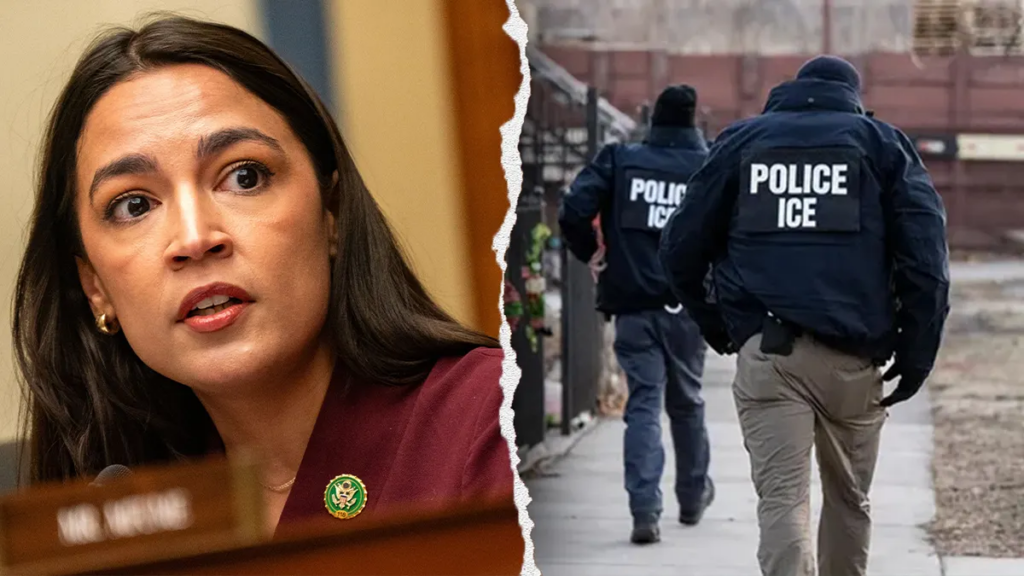
Defending the Constitution or Defying Federal Law? The Controversy Over Migrant Guidance
Migrants in the United States, regardless of immigration status, are protected by the Fourth Amendment against unreasonable searches and seizures. This applies to everyone on American soil, not just citizens. Law enforcement, including Immigration and Customs Enforcement (ICE), must show a judicial...
Read more →The Constitutional Stakes of Trump’s Workforce Overhaul
The mass layoffs at the General Services Administration, part of a broader effort to reshape the federal workforce, bring constitutional concerns to the forefront. With policies like Schedule F poised to expand executive power over civil servants, the debate over government efficiency versus...
Read more →USAID Shutdown
The United States Constitution outlines the powers of government branches, ensuring all operate within prescribed boundaries. For agencies like the U.S. Agency for International Development (USAID), creation or abolition is governed by legislation. The founders crafted a system requiring...
Read more →What Happens When Presidents Reverse Executive Orders?
Article II of the U.S. Constitution provides the foundation for executive orders, vesting the president with the authority to ensure laws are faithfully executed. This power, while significant, is bound by existing federal laws and constitutional rights. Presidents throughout history have used...
Read more →Who Controls U.S. Tariffs? The Constitution vs. Presidential Power
Article I, Section 8 of the U.S. Constitution vests the power to lay and collect tariffs with Congress . The Founding Fathers intended for legislative oversight on taxation, tariffs, and related financial matters, viewing tariffs as strategic levers to be used with caution and prudence....
Read more →14th Amendment Crisis: Constitutional Challenges to Revoking Birthright Citizenship
The 14th Amendment , ratified in 1868, addressed the challenge of defining citizenship after the Civil War. It aimed to overturn the 1857 Dred Scott decision, which had denied citizenship to people of African descent. The amendment’s language extended citizenship to “all persons born or naturalized...
Read more →Trump Spending Freeze Authority
The Constitution assigns Congress the power of the purse, as outlined in Article I . This means Congress, not the President, decides where federal dollars go—a critical point ensuring that one branch can't dominate the cash flow. Past presidents have occasionally tried to exert control over federal...
Read more →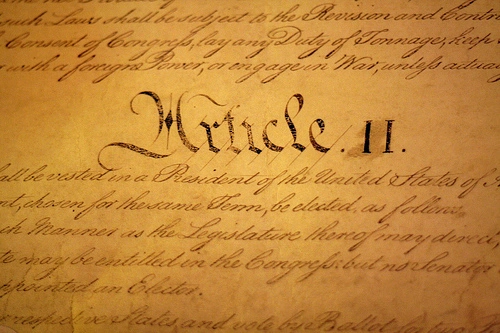
Does The Constitution Even Mention Executive Orders?
Few tools in the president’s arsenal generate as much debate as the executive order. With the stroke of a pen, presidents can shape national policy, bypass legislative gridlock, and set the course for government action. But where does this power come from—and more importantly, where does it end?...
Read more →Constitutional Concerns: Trump’s Buyout
President Trump's proposed federal employee buyout plan raises significant constitutional and legal questions: Potential conflict with the Anti-Deficiency Act , which prohibits federal spending beyond congressional appropriations Questions about compliance with Administrative Procedure Act...
Read more →
The Constitutional Fight Over Trump’s Spending Freeze
The recent clash between the judiciary and the executive branch over federal spending reveals a fundamental issue with constitutional implications. U.S. District Judge John J. McConnell Jr. found himself at the center of this controversy when he declared that the Trump administration was defying...
Read more →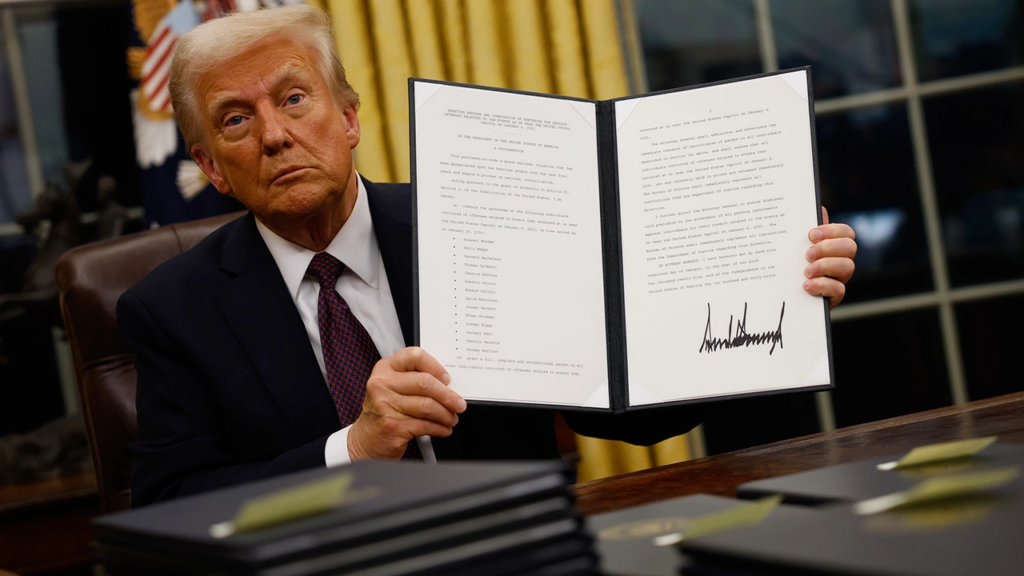
Trump’s Executive Orders: Legal Analysis
As the Trump administration issues sweeping directives—from freezing federal funds to redefining citizenship—the debate over executive power has never been more urgent. For some, these orders are a necessary response to political gridlock, allowing the president to enforce policies that Congress...
Read more →NGOs and Constitutional Boundaries
Non-governmental organizations (NGOs) are independent entities operating outside government influence. They address societal needs like: Human rights Environmental conservation Health care Education NGOs aim to fill gaps where government action may be insufficient or alternative perspectives are...
Read more →Are We Witnessing a Constitutional Crisis?
A presidency reshaping the boundaries of power. A Congress struggling to assert its authority. A judiciary caught in the middle. Are we witnessing a necessary course correction in government efficiency—or the early signs of a constitutional unraveling? The U.S. Constitution, guided by Article I,...
Read more →Is DOGE Constitutional?
The United States Constitution grants Congress authority over federal spending, often called the “power of the purse.” Article I, Section 9 states, “No Money shall be drawn from the Treasury, but in Consequence of Appropriations made by Law.” Congress must enact laws to allocate any money spent by...
Read more →