
Constitutional Topics
Browse articles in Constitutional Topics on U.S. Constitution
Dark Money and 501(c)(4) Spending in Elections
“Dark money” is one of those phrases that sounds like it should have a definition carved into federal law. It does not. More precisely, there is no single statutory definition used across federal campaign-finance law . Instead, it is a common shorthand used by journalists, watchdog groups, and...
Read more →
Mail-In Voting and Absentee Ballots
Mail voting feels simple until you cross a state line. In some states, you have to ask for a ballot and provide a reason. In others, eligible voters on the active registration list are sent a ballot automatically (and “active” vs “inactive” status can matter). Some states count a ballot if it is...
Read more →
Campaign Contribution Limits and Disclosure
Most Americans have a gut-level sense that campaign money is regulated. There are “limits,” there are “PACs,” and somewhere in the background the Federal Election Commission is supposed to be watching the books. All of that is true. It is also incomplete. Federal campaign finance law is less like...
Read more →
How Midterm Elections Work
Midterm elections often function as the country’s constitutional pressure valve. They happen in the middle of a president’s four-year term, and they can quietly rewrite what the federal government is capable of doing for the next two years. People often describe midterms as a “referendum” on the...
Read more →
Senate Leadership: Majority Leader, Minority Leader, and Whips
The U.S. Senate is often described as a chamber of individual lawmakers, each with one vote and the same formal standing as a senator. That is true in the basic sense. In practice, the Senate runs on leadership. Not because leaders can order senators around, but because someone has to decide what...
Read more →
The RICO Act Explained
You have probably heard RICO described as the law for mob bosses. It is often framed that way. But RICO is not just a “mob law.” It is a charging tool, built to connect the dots between people, crimes, money, and the structure that makes the crimes repeatable. RICO stands for the Racketeer...
Read more →
The Contract Clause Explained
The Constitution has plenty to say about what Congress cannot do. But Article I, Section 10 is where the Founders turned around and aimed a few hard limits at the states. One of those limits is blunt: “No State shall… pass any… Law impairing the Obligation of Contracts.” At first glance, that...
Read more →
Substantive vs. Procedural Due Process
“Due process of law” sounds like courtroom vocabulary: judges, evidence, paperwork, and the ritual of fairness. That is part of it. But “due process” also does something else. Courts have used it to identify certain freedoms government cannot take away even if it follows perfect procedures. Same...
Read more →
The Suspension Clause Explained
Habeas corpus is one of those constitutional ideas that sounds like legal Latin until you realize what it does in plain English: it gives a detained person a way to ask a judge whether the government has lawful authority to hold them. Now here is the part most people miss. The Constitution does not...
Read more →
The Guarantee Clause Explained
You have probably heard a politician say something like, “We are a republic, not a democracy.” It sounds like a slogan. But tucked into the Constitution is a sentence that actually uses the word “republican” as a legal promise. Article IV, Section 4 declares: the United States “shall guarantee to...
Read more →
Ex Post Facto Laws and Bills of Attainder
Some constitutional limits are famous because they get quoted in speeches. Others do their work quietly, like load-bearing beams you only notice when they crack. The bans on ex post facto laws and bills of attainder are in that second category. Both are aimed at the same temptation: when a...
Read more →
Civil Rights Act of 1964: Titles, Rights, and Constitutional Backing
The Civil Rights Act of 1964 is often remembered as a moral turning point, and it was. But it is also a piece of legal engineering: a statute built to do something the Constitution, standing alone, did not clearly require private businesses to do in 1964. The Fourteenth Amendment limits what states...
Read more →
How Class Action Lawsuits Work in Federal Court
When people talk about a class action, they usually mean one thing: a lot of people, one lawsuit, one big check at the end. Federal court treats it as something more specific and more constrained. A class action is a procedural device, a way to bundle many similar claims into a single case so that...
Read more →
Administrative Procedure Act (APA) Explained
The federal government writes rules that touch everyday life: what counts as “overtime,” what a “clean” tailpipe means, which medicines can be marketed, and how student loans can be collected. Most of those rules are not written by Congress line-by-line. They are written by agencies. The...
Read more →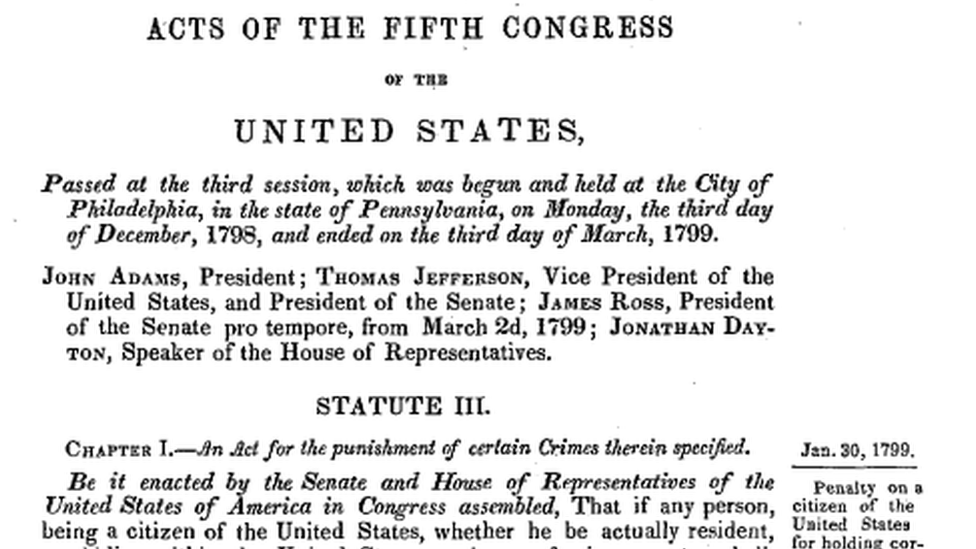
The Logan Act Explained
The Logan Act is one of those laws that feels like it should be in bold type across the front of a civics textbook. It criminalizes a private citizen attempting to conduct unauthorized diplomacy with a foreign government in a way meant to affect a dispute with the United States. Yet most Americans...
Read more →
Federal Court Jurisdiction 101
Most people think “federal court” means “big case” or “important case.” In reality, federal courts are courts of limited jurisdiction . They cannot hear everything, even if the dispute feels national, emotional, or high-stakes. The threshold issue is subject-matter jurisdiction , which is...
Read more →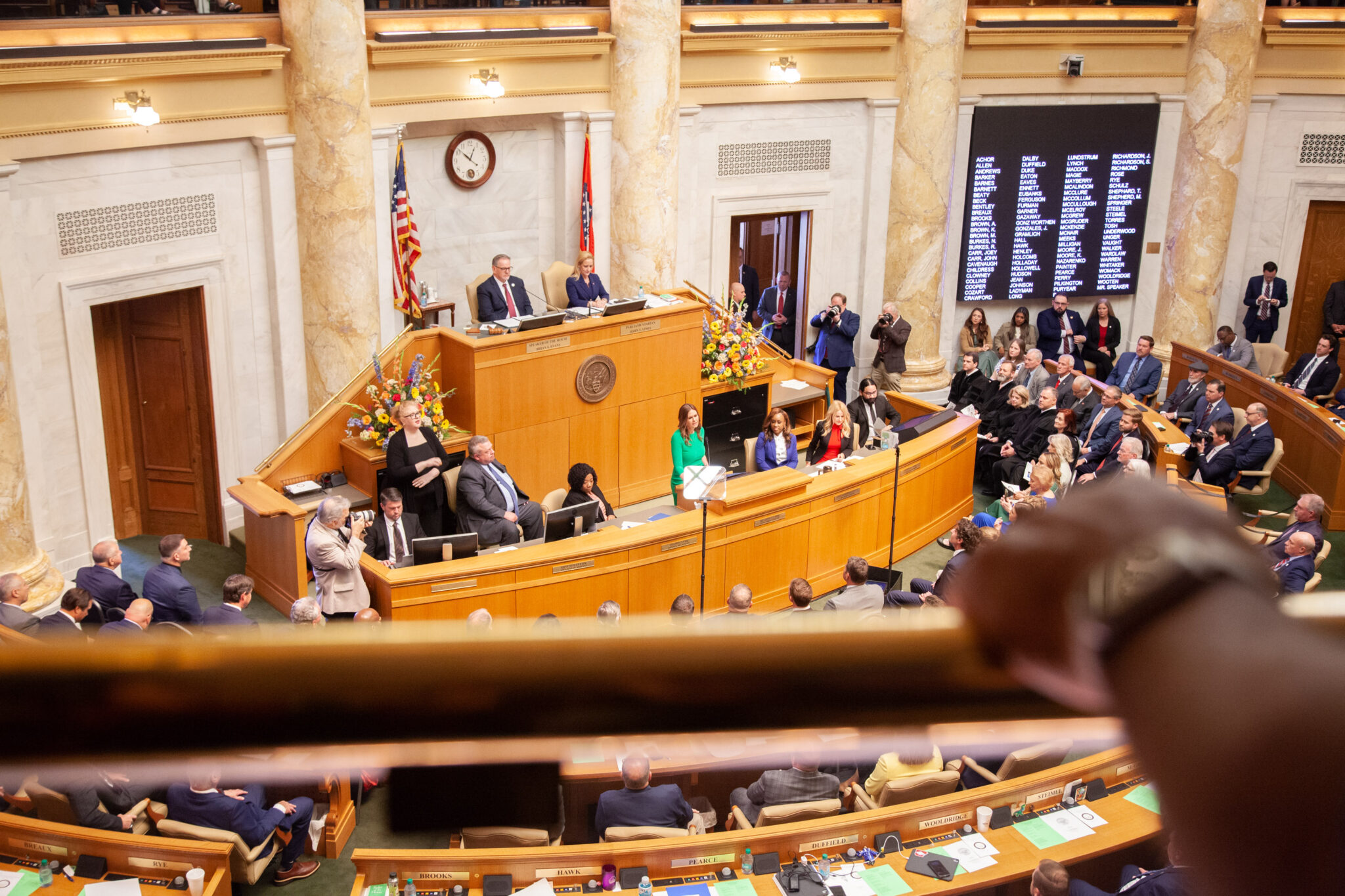
The Nondelegation Doctrine Explained
The federal government runs on delegation. Congress passes statutes that set goals, create agencies, authorize programs, and then require someone to fill in the operational details. Those details become regulations that shape everything from workplace safety to environmental standards to...
Read more →
Supreme Court Original Jurisdiction
Most Supreme Court stories begin the same way: a case climbs a ladder. Trial court, appeal, another appeal, and finally a petition asking nine justices to take a look. But a tiny slice of cases do not climb at all. They begin at the top. That is what original jurisdiction means, and it is one of...
Read more →
Trump’s Yemen Strikes and the War Powers Question
A naval blockade sounds like a Cold War era phrase, but constitutionally it raises a very modern question: how far can a president go, on their own, before the United States is effectively at war? This question lands differently when the news is not hypothetical. President Donald Trump has ordered...
Read more →Nevada Case Renews Focus On Mandatory Detention
When the government locks someone up, our constitutional tradition expects more than a label. Recent detention litigation in multiple jurisdictions has drawn fresh attention to a recurring issue in immigration law: when, if ever, the government can require detention automatically under certain...
Read more →