
Constitutional Topics
Browse articles in Constitutional Topics on U.S. Constitution

Recess Appointments Explained
Presidents nominate. The Senate confirms. That is the civics class version of appointments in the federal government. Then real life happens. Senators go home. Agencies keep running. Courts still hear cases. And the Constitution quietly hands the president a temporary workaround: the recess...
Read more →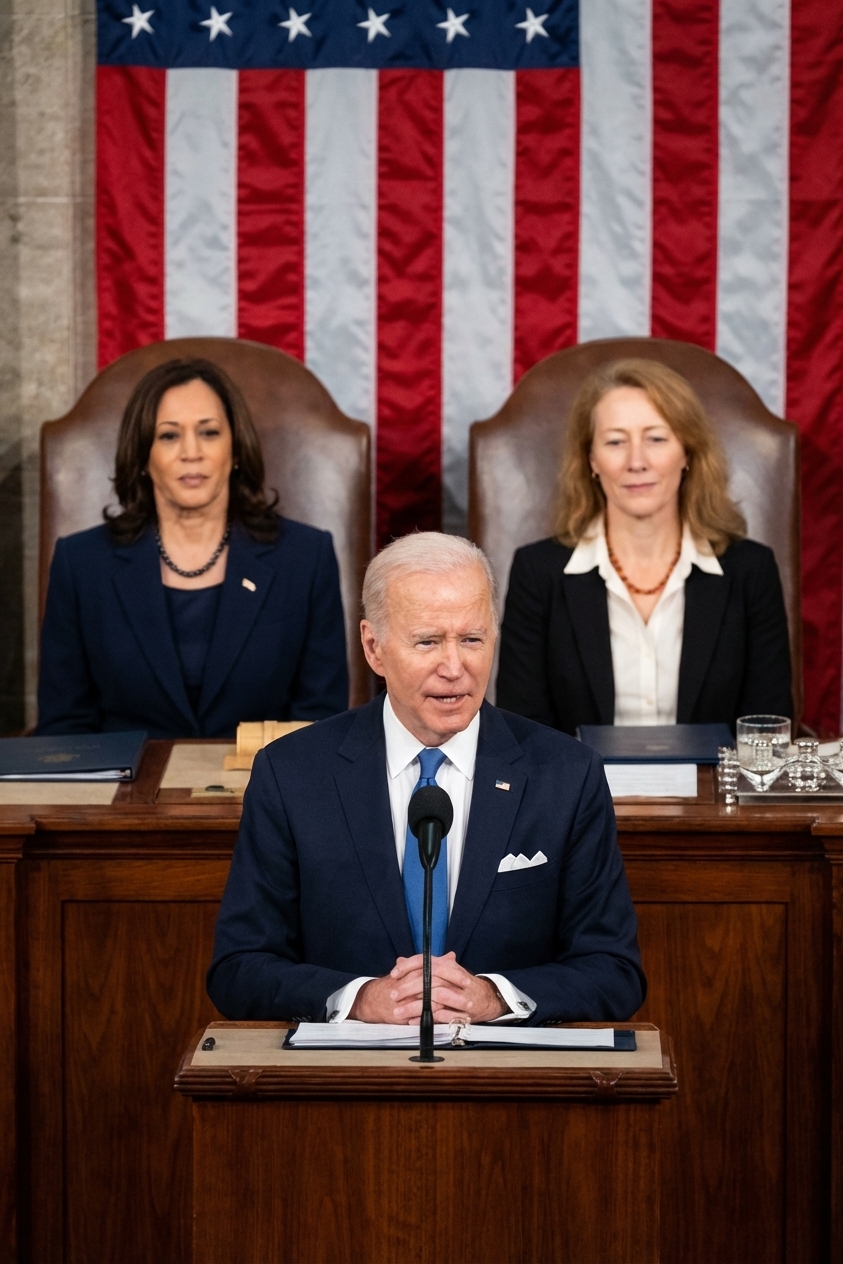
The State of the Union Address
You can spot the State of the Union in two places at once: in the Constitution, and in the political theater of modern America. One is a single sentence in Article II, Section 3. The other is a televised ritual with applause lines, invited guests, real-time media fact-checking, and a second speech...
Read more →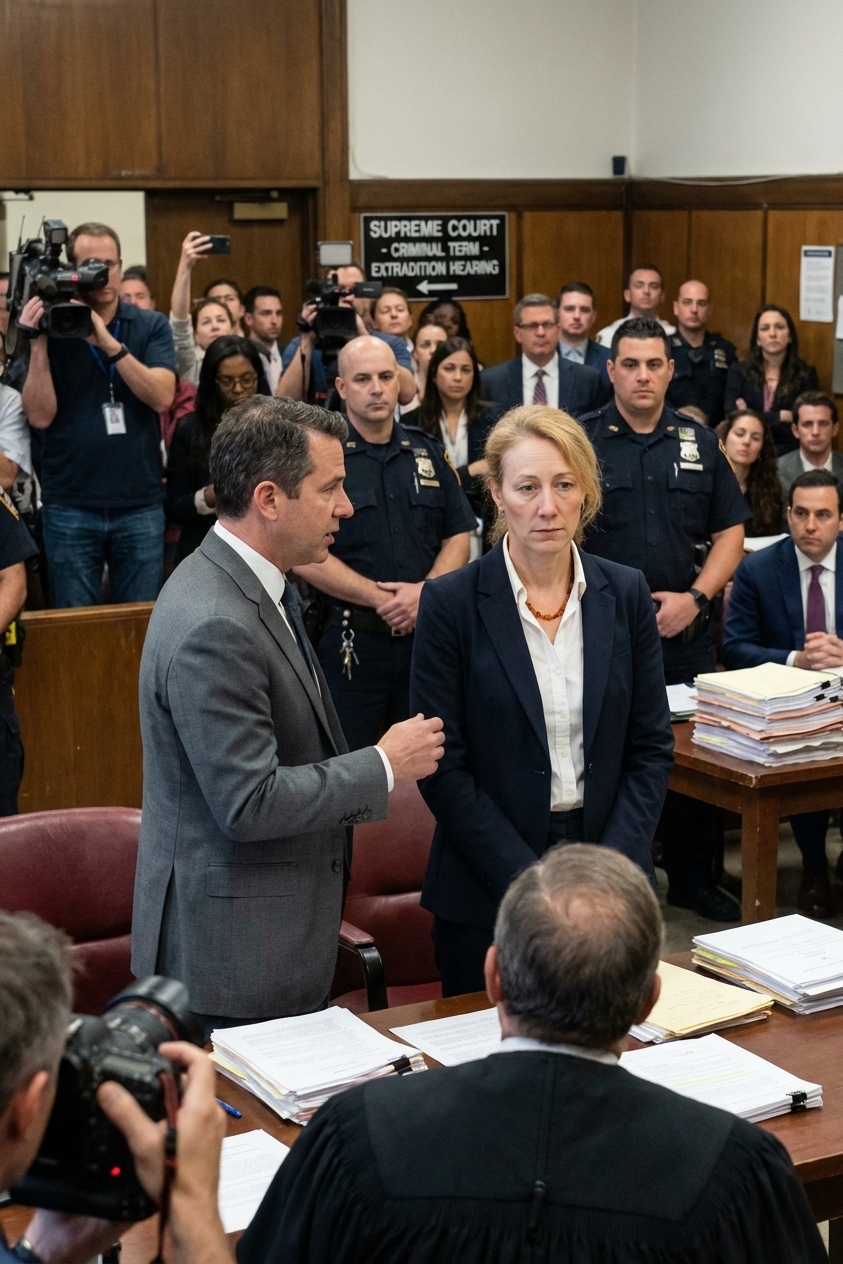
Extradition: How It Works in the U.S. and Abroad
Extradition is one of those legal concepts that sounds dramatic, like it belongs in a courtroom thriller. In real life, it is mostly paperwork, deadlines, and a question that matters more than people realize: Which government gets to bring you back ? Extradition is the process of transferring a...
Read more →
Sanctuary Cities Explained
"Sanctuary city" sounds like a legal status. It is not. There is no checkbox in federal law that turns a city into a sanctuary, no formal certification from Washington, no constitutional clause that blesses or bans the label. What the term usually means is much narrower and much more technical: a...
Read more →
The National Emergencies Act Explained
You can feel the word emergency doing work in American politics. It signals urgency, danger, and the idea that normal rules might need to bend. But under federal law, a “national emergency” is also something much more technical. It is a legal switch. Flip it, and scores of dormant statutory...
Read more →
How Primaries and Caucuses Choose a Nominee
Every four years during presidential cycles, Americans watch “the primary” unfold as if it were an official constitutional rite, like the Electoral College or the State of the Union. It is not. The Constitution never created primary elections. It never mentions political parties. It does not...
Read more →
What Is Asylum? The U.S. Asylum Process
In everyday conversation, people use the word asylum like it means “a safe place to go.” Under U.S. law, it means something narrower and much more structured. Asylum is a legal protection the United States can grant to a person who is seeking protection inside the U.S. or in removal proceedings...
Read more →
How to Register to Vote
Registering to vote feels like it should be automatic in a constitutional democracy. In some countries, it is. In the United States, it usually is not. That is not an accident of paperwork. It is built into how American elections are administered: states run the day-to-day machinery, and the rules...
Read more →
How Supreme Court Justices Are Nominated and Confirmed
Supreme Court justices are not “hired” the way most powerful decision-makers are. They are appointed through a constitutional handshake between two elected branches, with the President choosing a nominee and the Senate deciding whether that choice becomes a justice with life tenure (absent...
Read more →
The Debt Ceiling Explained
You have probably heard the debt ceiling described as a national credit limit. That metaphor is close enough to be useful, and wrong enough to cause real confusion. The United States does not suddenly “run out of money” simply because Congress hit a preset number. The bind is legal, not...
Read more →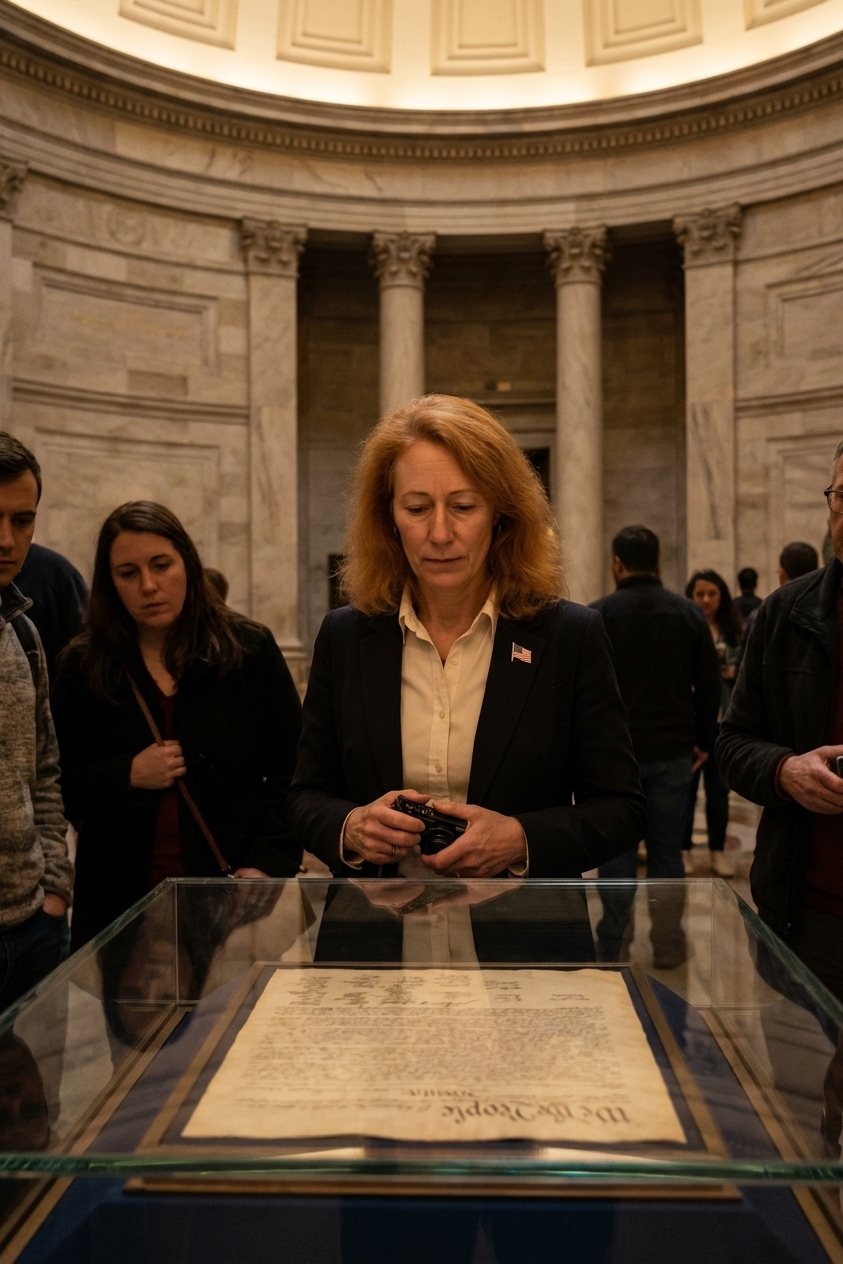
Debugging the Constitution
You can learn a lot about the Constitution by watching where people expect it to do something, and then noticing what it actually does instead. That is why this “test article for debugging” is not as silly as it sounds: it is a controlled run at a familiar problem. Debugging is what we do when...
Read more →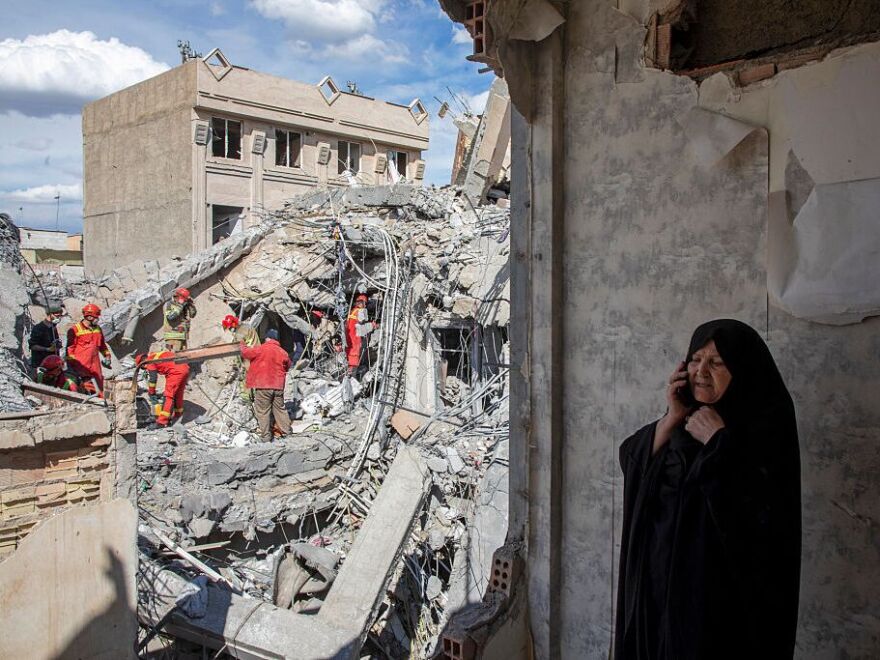
Iran Hits Prince Sultan Air Base: The Constitutional Question Behind the Smoke
Twelve American service members were injured on Friday when Iran hit Prince Sultan Air Base in Saudi Arabia with a combined missile and drone strike. Two of those troops were reported seriously hurt. U.S. officials said at least two KC-135 aerial refueling aircraft also suffered significant damage....
Read more →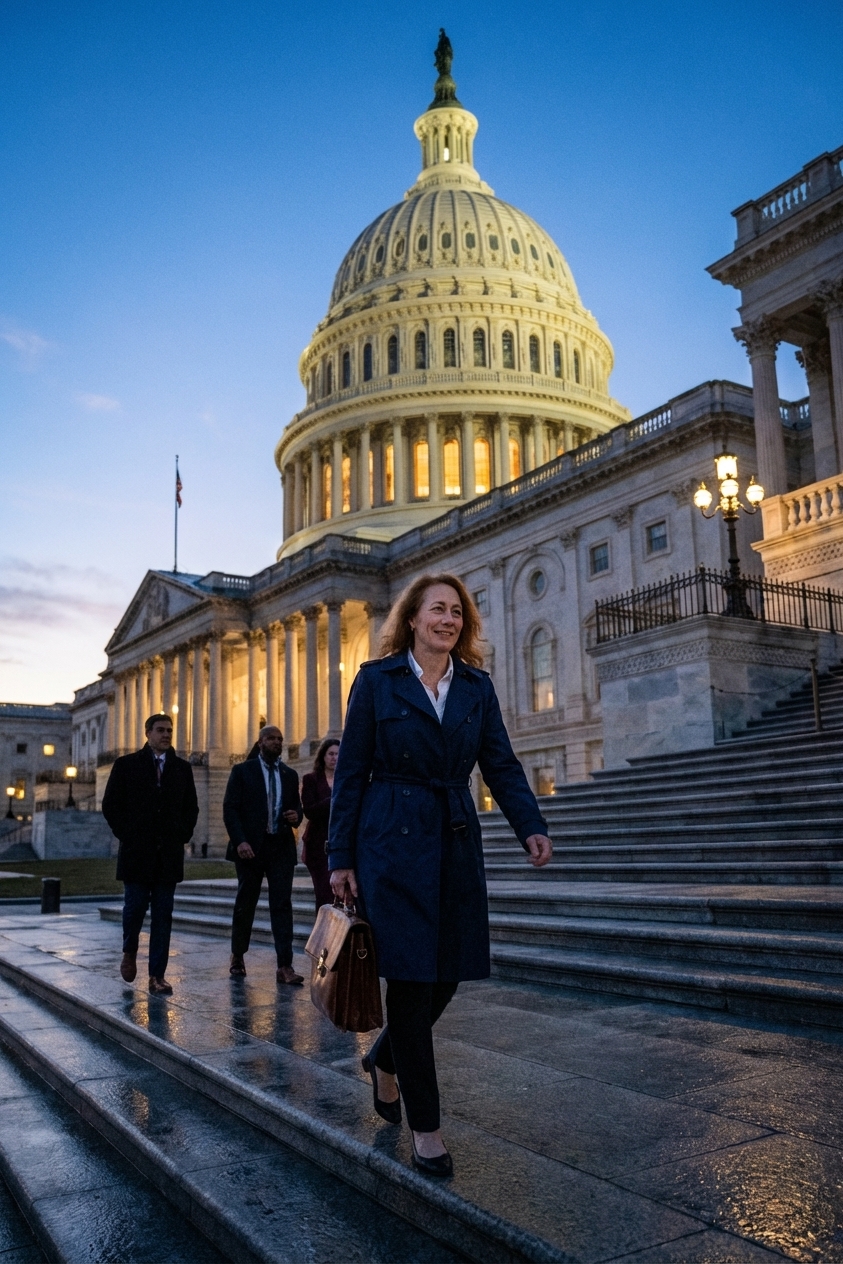
Impeachment vs. the 25th Amendment
There are two constitutional off-ramps for a president who should not keep wielding presidential power. One is punishment. The other is triage. Impeachment is Congress accusing and trying a president for serious misconduct. It is designed for abuses of power, corruption, and betrayal of public...
Read more →
What Is a Grand Jury?
When you hear that someone was “indicted,” it can sound like a judge reviewed the evidence, weighed the arguments, and issued a formal accusation. That is not what happened. In most serious federal criminal cases, an indictment is the product of a grand jury, a group of ordinary citizens...
Read more →
Red Flag Laws Explained
“Red flag law” is one of those phrases that sounds self-explanatory until you try to pin it down. Supporters hear a safety valve. Critics hear a shortcut around the Second Amendment. Both reactions miss something important. Most red flag laws are not criminal prosecutions. They are civil court...
Read more →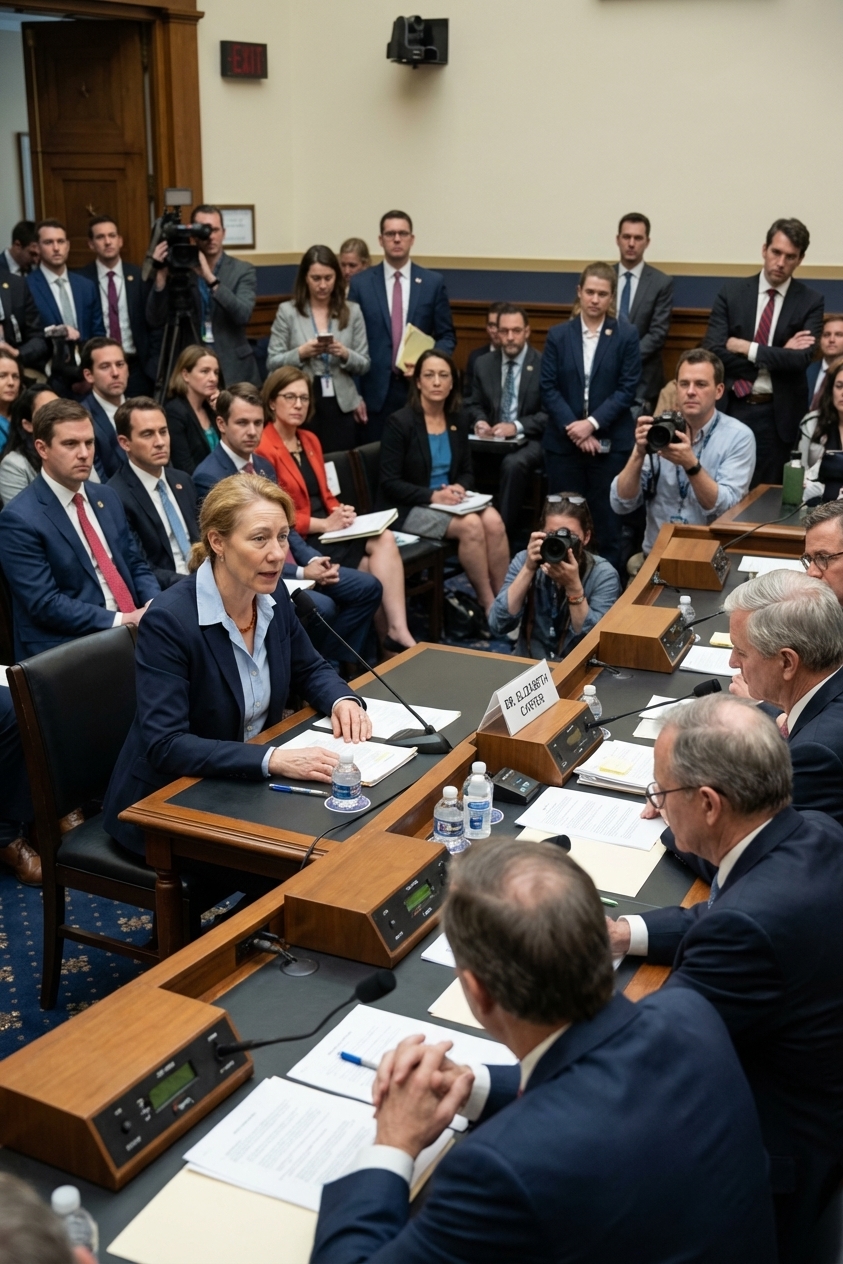
Contempt of Congress Explained
Congress cannot pass laws, oversee the executive branch, or expose corruption if witnesses can simply ignore it. That is the basic logic behind contempt of Congress : a set of tools that lets the House or Senate punish or pressure people who obstruct investigations, refuse to testify, or defy...
Read more →
The Alien Enemies Act of 1798 Explained
The Alien Enemies Act sounds like a relic from powdered wigs and quill pens. In reality, it is one of the few laws from 1798 that is still on the books, still usable, and still capable of changing someone’s life overnight. It is also widely misunderstood. It was passed in a moment of national...
Read more →
How the Supreme Court Works
The Supreme Court does not work like television. There is no surprise witness. No dramatic cross-examination. No jury. Most of what matters happens in writing, largely out of public view, and on a schedule that looks more like an academic calendar than a criminal trial. And yet the Court’s...
Read more →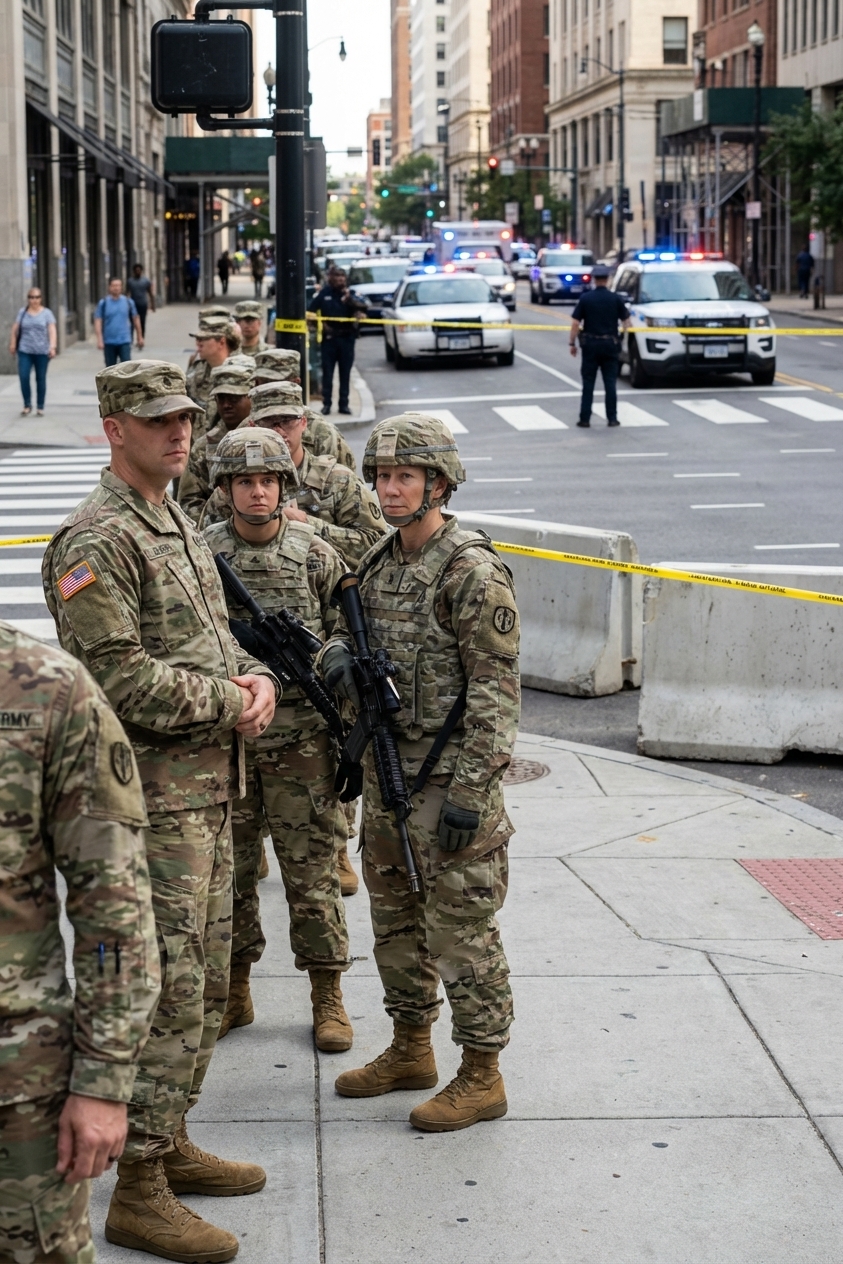
Posse Comitatus Act Explained
There is a reason most Americans get uneasy when they see troops in the streets, even if the troops are calm, disciplined, and “just helping.” In the United States, military power is supposed to face outward. Policing power is supposed to face inward. The Posse Comitatus Act of 1878 is one of...
Read more →
War Powers Resolution Explained
The Constitution gives Congress the power to declare war. The Constitution makes the president the Commander in Chief. Those two sentences look clean on parchment and collide messily in real life. The War Powers Resolution of 1973 is Congress’s attempt to manage that collision. It does not...
Read more →