
Constitutional Topics
Browse articles in Constitutional Topics on U.S. Constitution
Exhausting Administrative Remedies
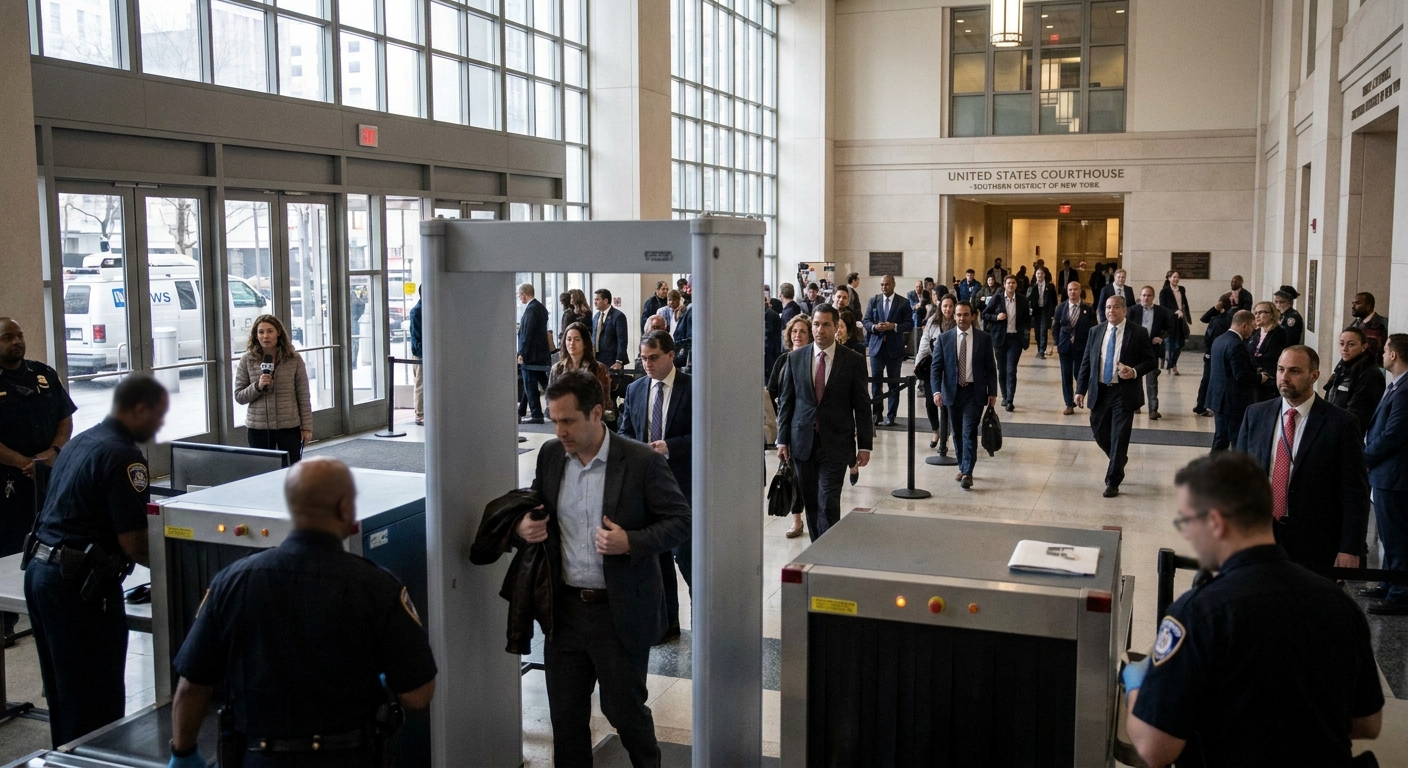
You can lose a lawsuit against a federal agency without ever arguing the facts, the Constitution, or even whether the agency was wrong. The reason is often painfully simple: you sued too soon. Administrative law has a set of gatekeeping rules that sound procedural but act like a bouncer at the...
Read more →
Probation and Parole Revocation: Due Process
Probation and parole can feel like they blur into everyday life. You report. You test. You keep curfews. You ask permission before you travel. It is supervision, not a court proceeding. Revocation is different. Revocation is the moment the system stops monitoring and starts deciding whether you...
Read more →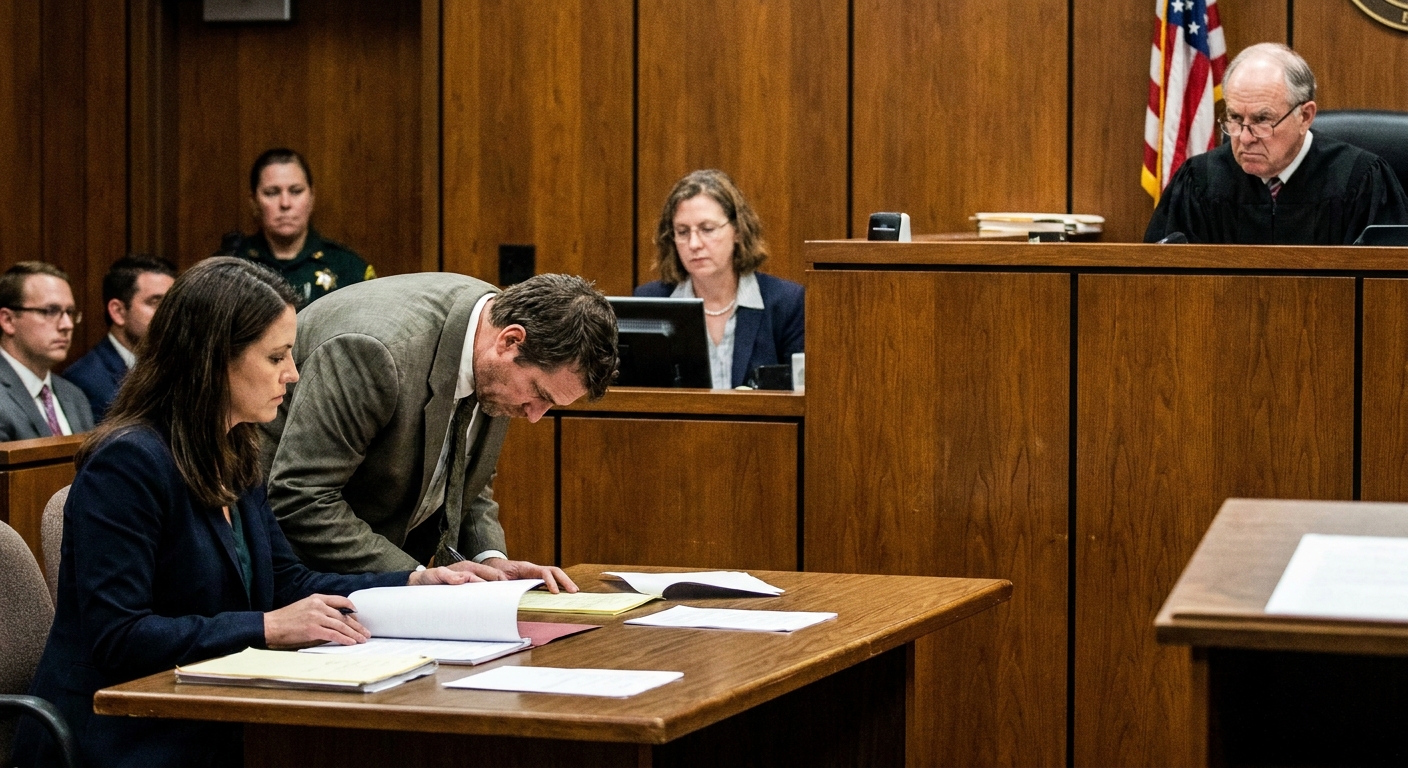
Competency to Stand Trial
We talk about criminal trials like they are a machine. Arrest, arraignment, motions, trial, verdict. Feed in a defendant, turn the crank, justice comes out the other side. But the Constitution requires something more basic before the machine is allowed to run: the person facing prosecution has to...
Read more →
Material Witness Warrants and Federal Custody
You can be taken into federal custody without being charged with a crime. That sentence sounds like a constitutional glitch. In reality, it is a narrow tool Congress wrote into federal law: the material witness warrant . The idea is simple. Sometimes the government cannot prove a case without a...
Read more →
The STOCK Act, Explained
You are allowed to buy stocks if you serve in Congress. That is not the scandal. The scandal is what happens when the people writing laws that move markets also trade like ordinary investors, while having access to information that ordinary investors do not. That tension is why the STOCK Act...
Read more →
Consent Decrees and Police Reform
You can sue a city after a rights violation. You can vote out a mayor. You can hire a new chief, pass a new policy, and promise things will be different. And then, a year later, the same complaints return with the same familiar details: the same stops, the same uses of force, the same failures to...
Read more →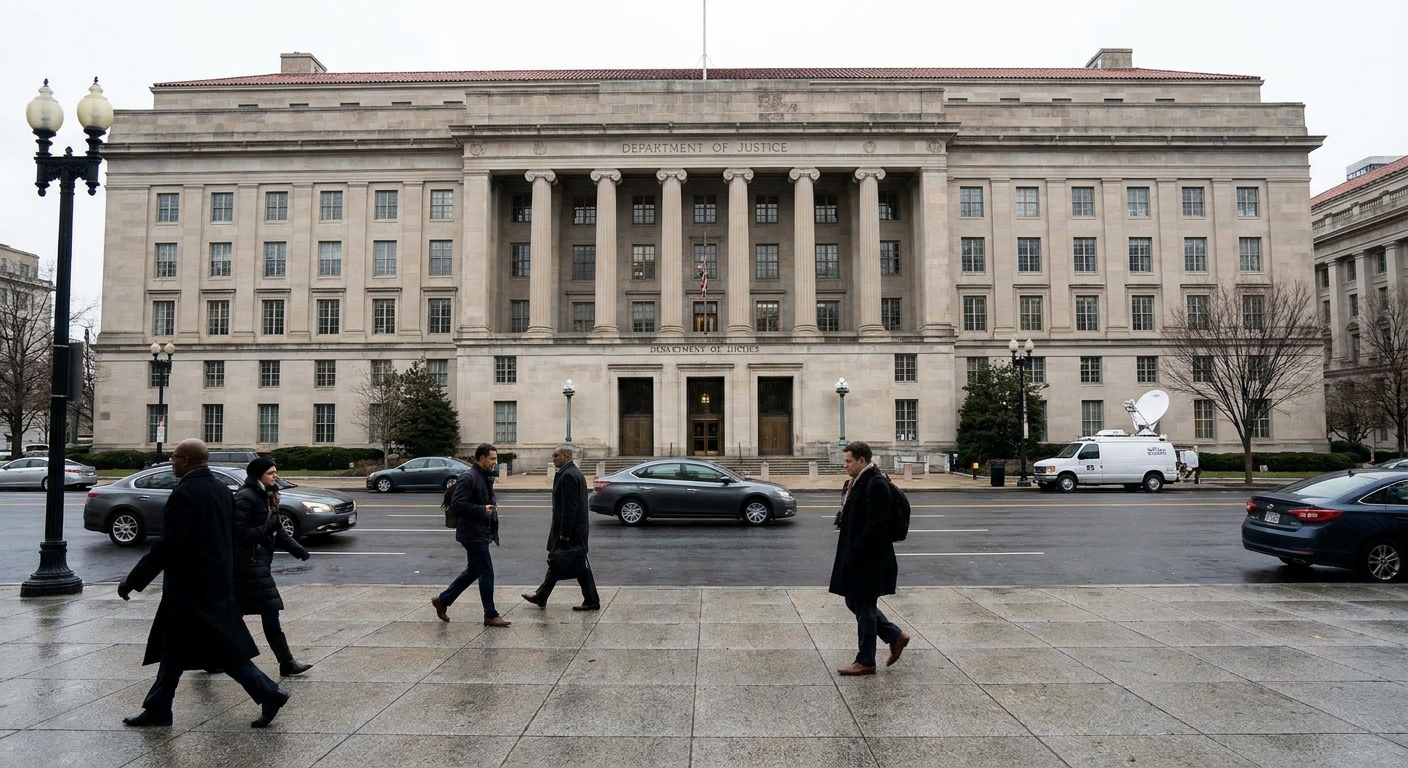
Federal Target Letters
You open the mail and see it: a letter from the Department of Justice. It uses a word that sounds like it belongs in a spy novel, not your life: target . A federal target letter is not a conviction. It is not even an indictment. It is something more unsettling and, in many cases, more urgent: a...
Read more →
Sealed Indictments in Federal Cases
You hear it in breaking news like it is a magic phrase: a sealed indictment . It sounds like a locked box with a name on it, waiting for the moment prosecutors decide to open it. That image is not far off. In federal court, an indictment is a formal set of criminal charges approved by a grand jury...
Read more →
Boumediene v. Bush: Habeas Corpus and Guantánamo
Guantánamo Bay is one of those constitutional stress tests that feels like it was designed to force a hard question: Can the government keep someone in U.S. custody, for years, and still block a judge from asking whether the detention is lawful? In Boumediene v. Bush (2008), the Supreme Court...
Read more →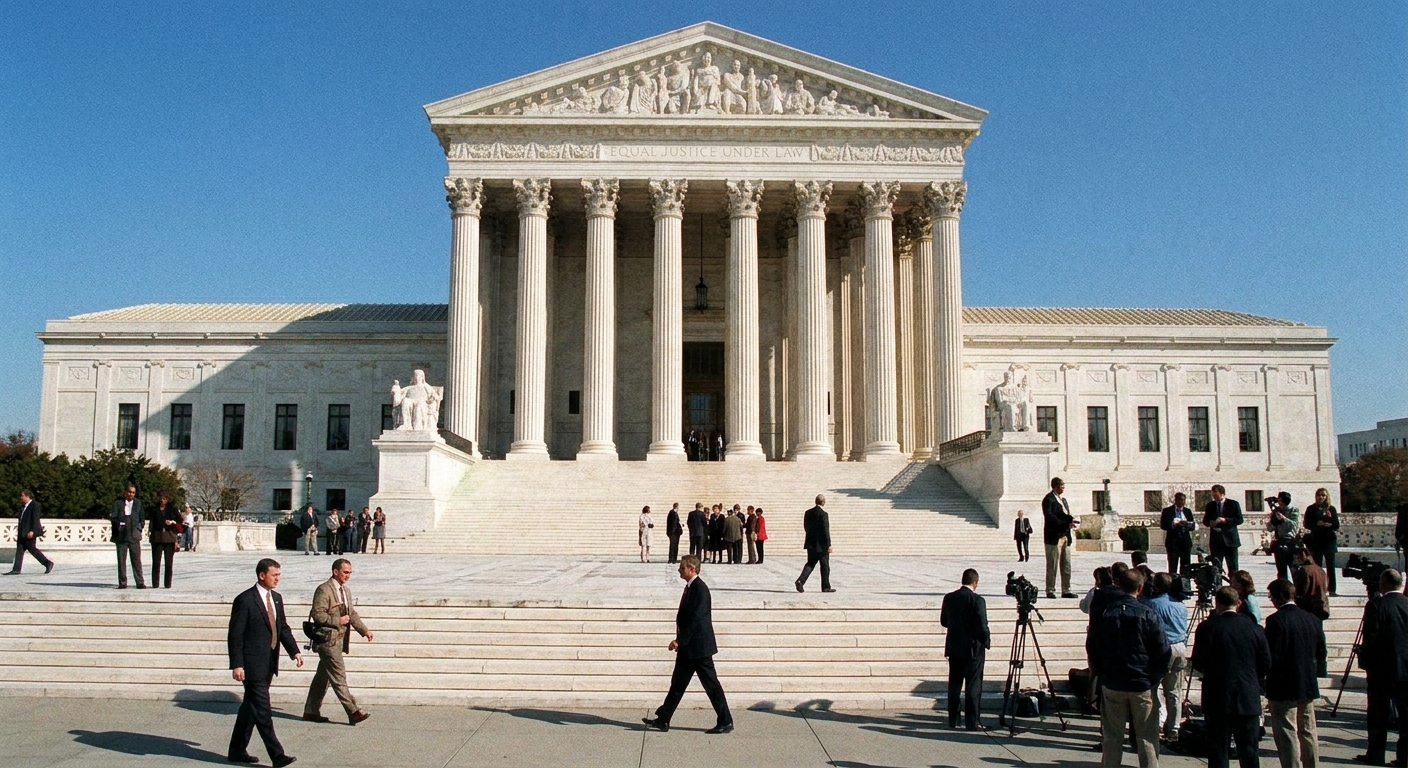
Dobbs v. Jackson Explained
The name is long, but the question the Supreme Court answered in Dobbs v. Jackson Women’s Health Organization was simple: can a state ban most abortions before viability, and if it can, what happens to Roe v. Wade ? In 2022, the Court said yes to a pre-viability ban, and it went further. The...
Read more →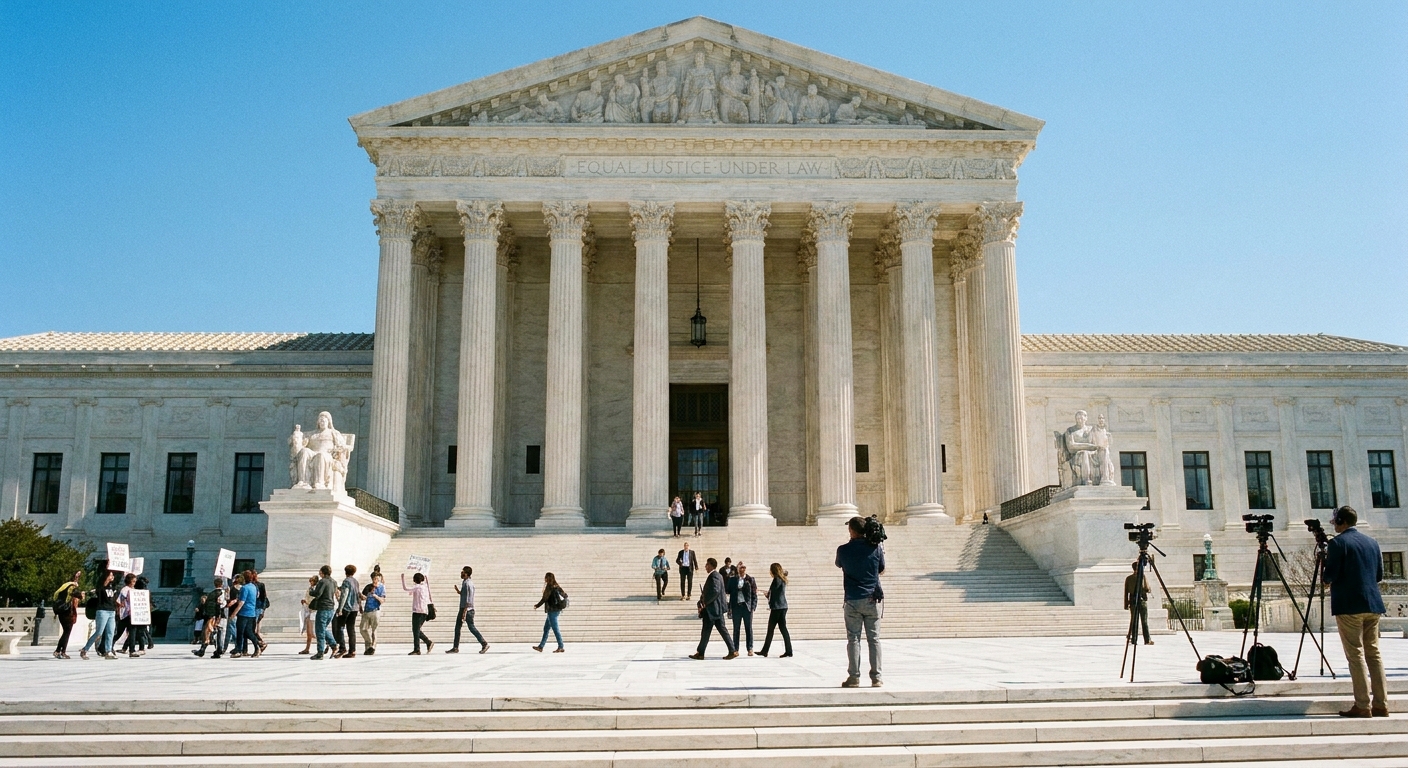
United States v. Lopez and the Commerce Clause
You can tell a lot about a Constitution by the arguments people make when it feels like a problem needs solving fast. In the early 1990s, gun violence near schools was not an abstract policy debate. Congress responded with a broad federal ban on gun possession in designated school zones, subject to...
Read more →
Shelby County v. Holder and the End of Preclearance
For nearly half a century, part of the Voting Rights Act worked like a constitutional alarm system. Certain states and local governments could not change their election rules until the federal government checked the change first. That requirement was called preclearance , and it did not apply...
Read more →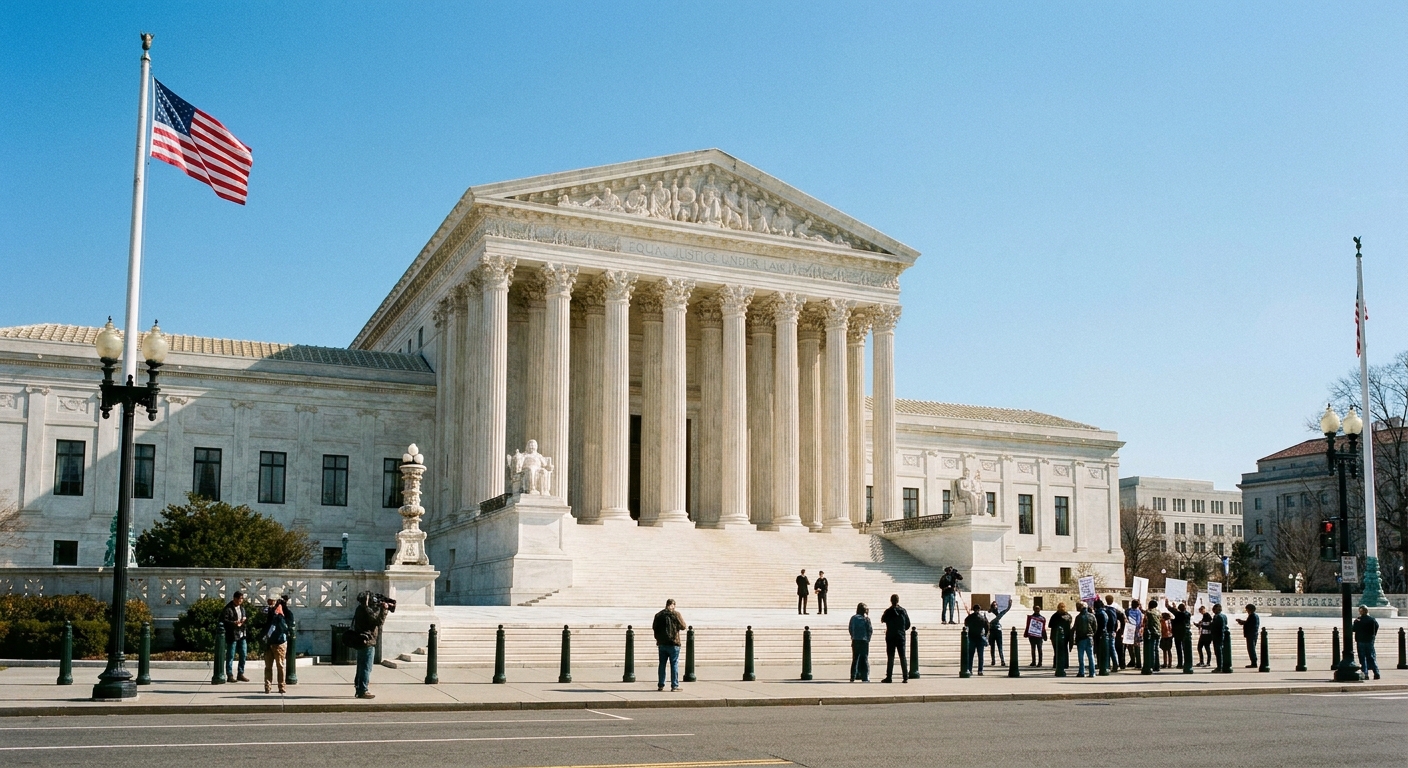
Buckley v. Valeo
In American politics, money is not just fuel. It is also a form of communication. Buying a television ad is a way to speak to voters at scale. Hiring staff is a way to organize. Printing signs is a way to persuade. That basic reality collided with post-Watergate reform in Buckley v. Valeo (1976),...
Read more →
Section 230 Explained
You can understand Section 230 in one sentence: it often means a website is not legally liable for what its users say, and it can still moderate without automatically becoming responsible for everything it did not remove, subject to important exceptions. That can sound like a special deal for Big...
Read more →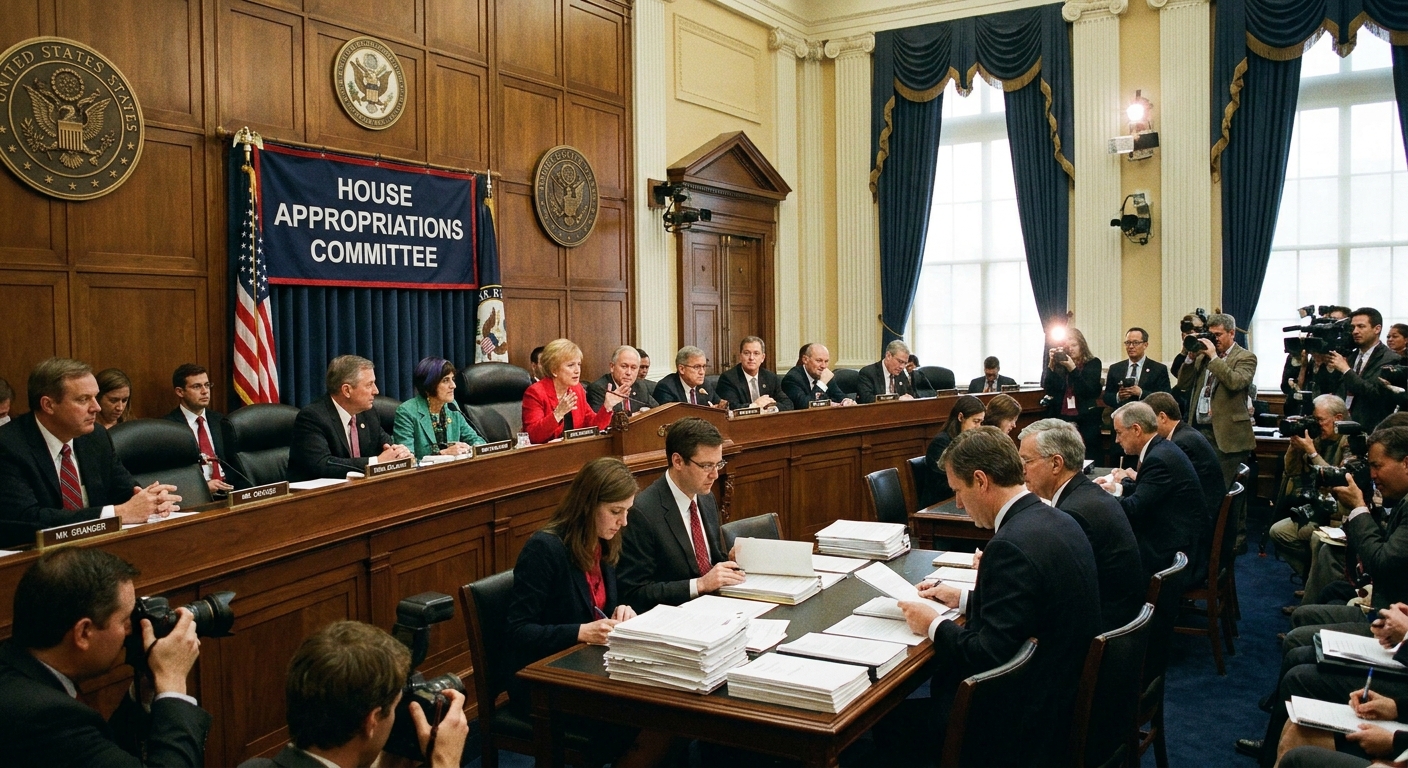
Congressional Earmarks Explained
People talk about earmarks the way they talk about a bad habit. Congress swore it off, avoided them for a while, then quietly reached for them again when the budget got complicated. But an earmark is not a synonym for corruption. It is a tool. Like any tool, it can be used transparently or used to...
Read more →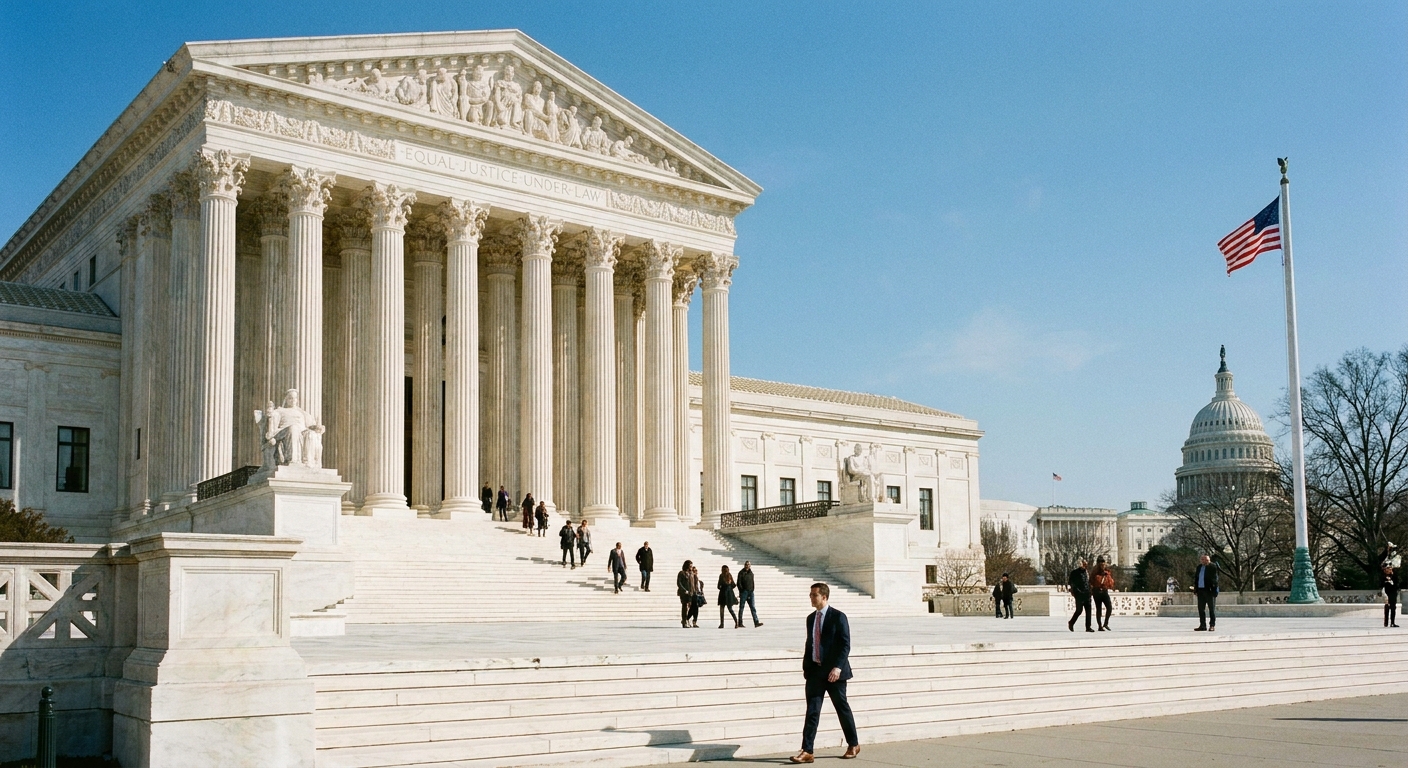
Declaratory Judgment Lawsuits
You do not always have to wait for the penalty to be imposed before you ask a judge whether the penalty would be lawful. That is the basic promise of a declaratory judgment . Instead of suing to collect money or to force someone to stop doing something, a party asks the court to declare what the...
Read more →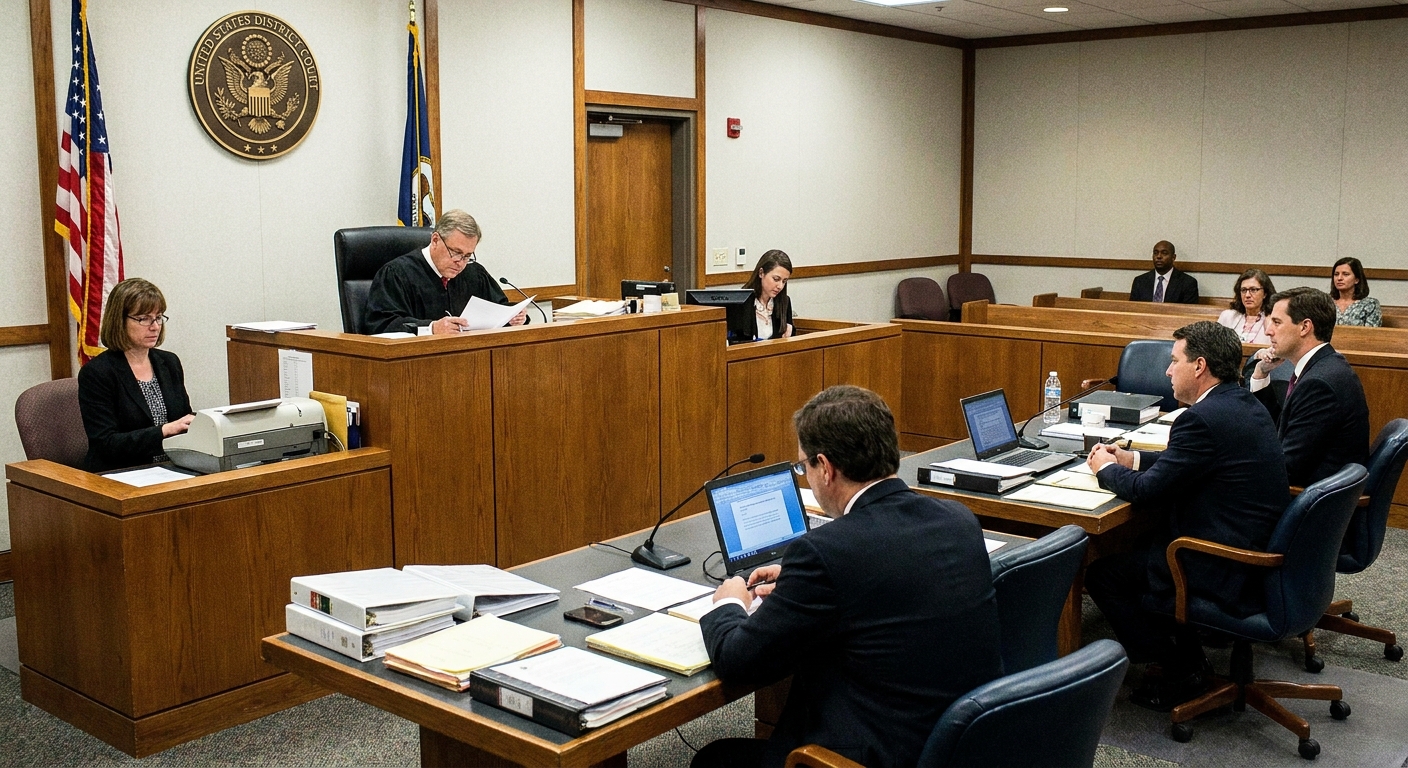
Motion to Dismiss in Federal Court: Rule 12(b) Defenses Explained
Most lawsuits do not begin with a dramatic trial moment. They begin with paperwork, strategy, and a question that sounds almost too simple: Should this case even be in court? In federal court, one of the earliest and most powerful ways to ask that question is a motion to dismiss under Federal Rule...
Read more →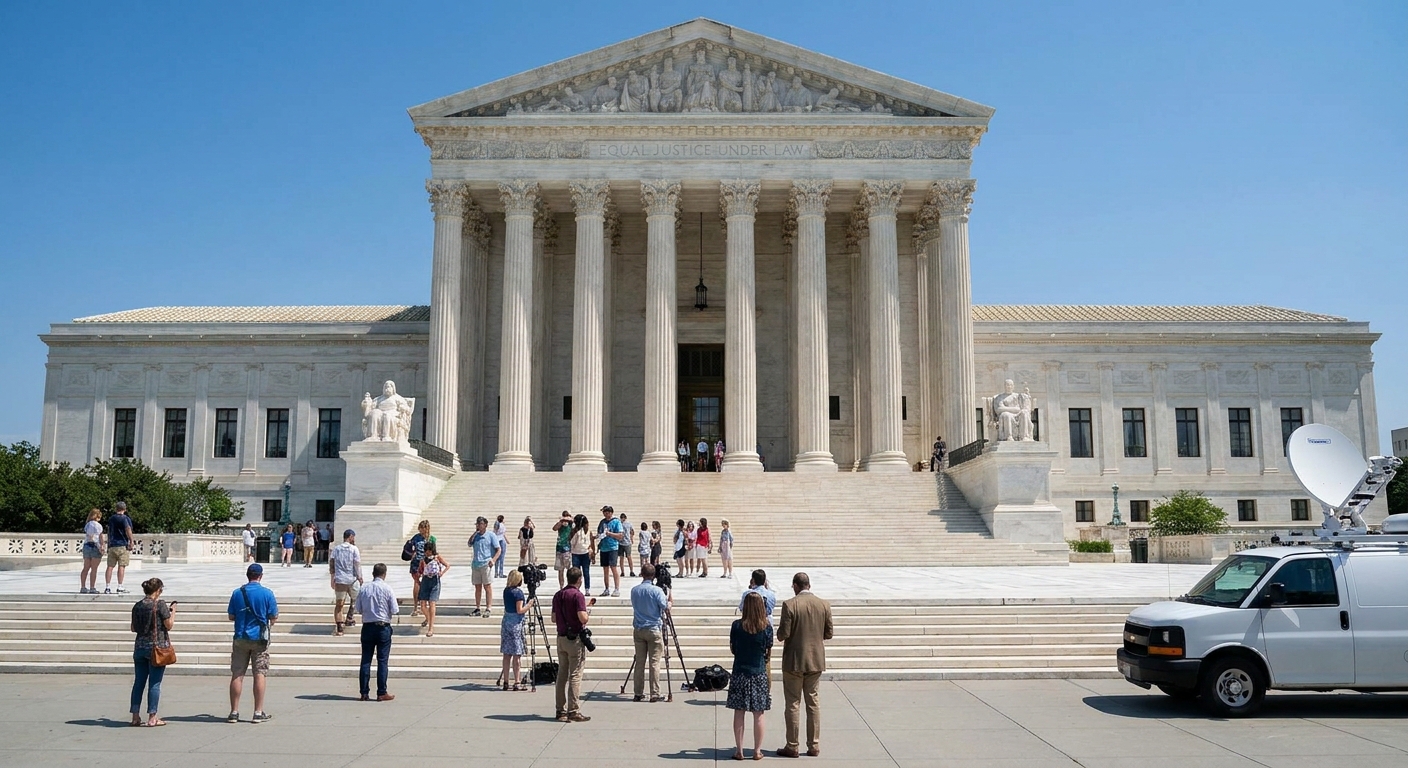
Interlocutory Appeals and the Final Judgment Rule
Federal lawsuits rarely move in a straight line. A judge denies a motion to dismiss. Orders a party to turn over sensitive documents. Grants or blocks an injunction that changes policy overnight. The losing side wants the next court up to step in now, not later. But the American appellate system is...
Read more →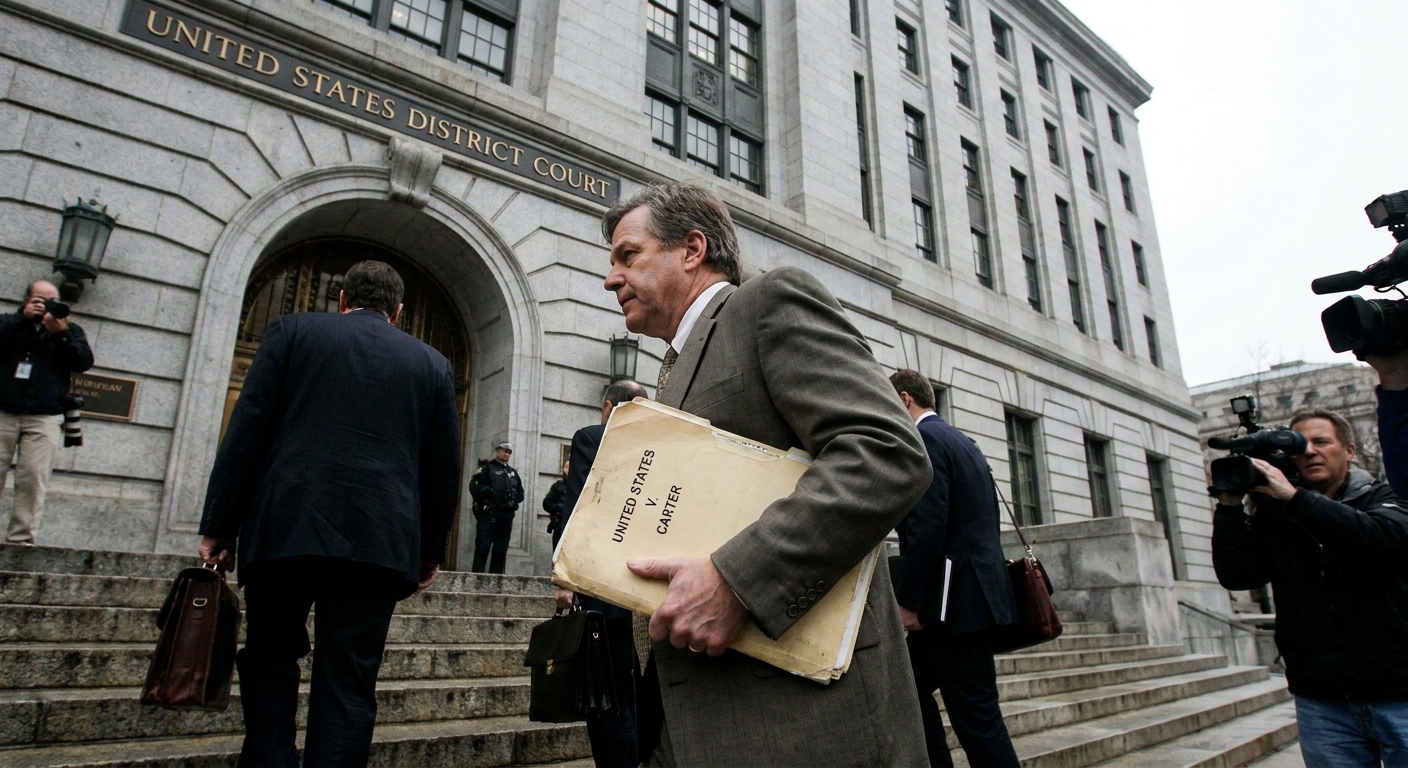
Removal Jurisdiction
People hear “removal” and think immigration. In federal civil procedure, it means something completely different: a defendant taking a case that was filed in state court and shifting it into federal court. It sounds like a technical filing trick. It is actually a power move with constitutional...
Read more →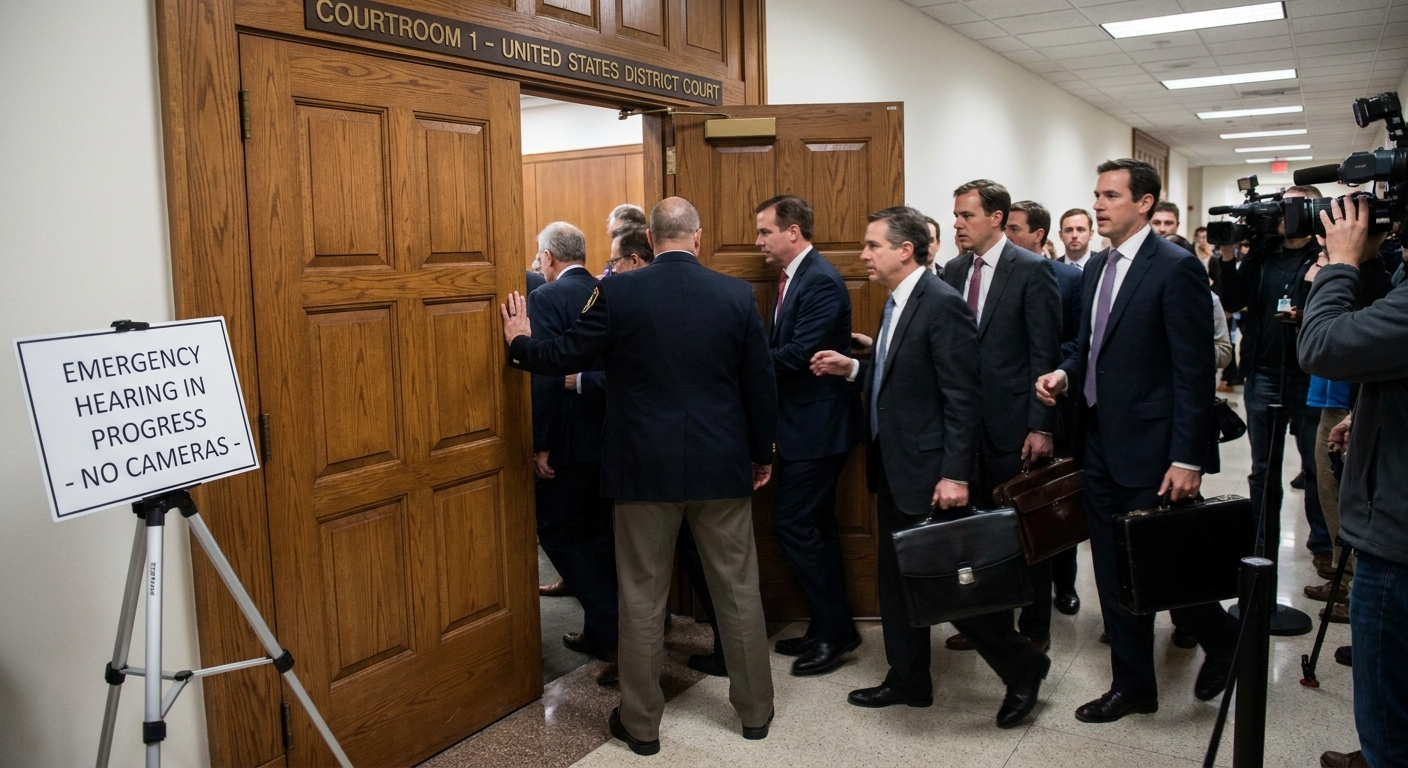
TROs vs. Preliminary Injunctions
In a breaking-news lawsuit, the first thing everyone wants is the same: a judge to stop something right now. That “stop” is usually an injunction , a court order telling someone to refrain from doing something (prohibitory relief) or, more rarely at the emergency stage, to do something (mandatory...
Read more →