
Congress can debate for hours, deliver soaring speeches, and flood the Congressional Record with statements that will never be read again. But it cannot do anything official unless enough members are present.
That minimum number is called a quorum, and it is one of the Constitution’s simplest procedural rules with some of the biggest real world consequences. When a quorum is missing, the House or Senate can grind to a halt, not because members disagree on policy, but because the chamber is not legally “there” to act.
Join the Discussion
What the Constitution Requires
The Constitution sets the baseline rule in Article I, Section 5, Clause 1:
“A Majority of each [House] shall constitute a Quorum to do Business; but a smaller Number may adjourn from day to day, and may be authorized to compel the Attendance of absent Members, in such Manner, and under such Penalties as each House may provide.”
Translated into plain English:
- To conduct business, each chamber needs a majority of its members.
- If fewer than a majority show up, a smaller group can still adjourn and can take steps to force attendance under that chamber’s rules.
So what is “a majority”?
It is a majority of the full membership, not just a majority of whoever happens to be in the room.
- House: 218 of 435 members (when all seats are filled) must be present to do business.
- Senate: 51 of 100 senators must be present to do business.
If there are vacancies due to death, resignation, or expulsion, the number needed can change because the “majority” is of the current membership.
Quorum vs. Majority Vote
Quorum rules are easy to confuse with voting thresholds, but they are different questions:
- Quorum: Do we have enough members present to act at all?
- Vote threshold: If we can act, how many votes are required to pass this particular thing?
Example: The House might need 218 members present to hold a vote, but a bill could still pass with only a majority of those voting, assuming the chamber’s rules and the Constitution allow it. That is why a late night vote can look empty on C-SPAN and still be valid, so long as a quorum is present even if most members are not standing in the camera frame.
How Attendance Is Counted
In both chambers, a quorum is generally established by the chamber’s own procedures. The Constitution gives each House broad authority to set its own rules, and quorum practice is one of the places where the written Constitution and the lived institution intersect.
The House: presumed until challenged
In the House, the default assumption is that a quorum exists unless a member suggests otherwise. If a member believes too few are present, they can force the issue by raising a point of order that a quorum is not present. The House can then verify attendance, typically through a quorum call using an electronic system or a roll call mechanism.
One important historical wrinkle: after a series of procedural battles in the late 1800s, the House began counting members who are physically present but refusing to vote as present for quorum purposes. That shift reduced the ability of a minority to block action simply by sitting silently in the chamber.
The Senate: quorum calls as a pause button
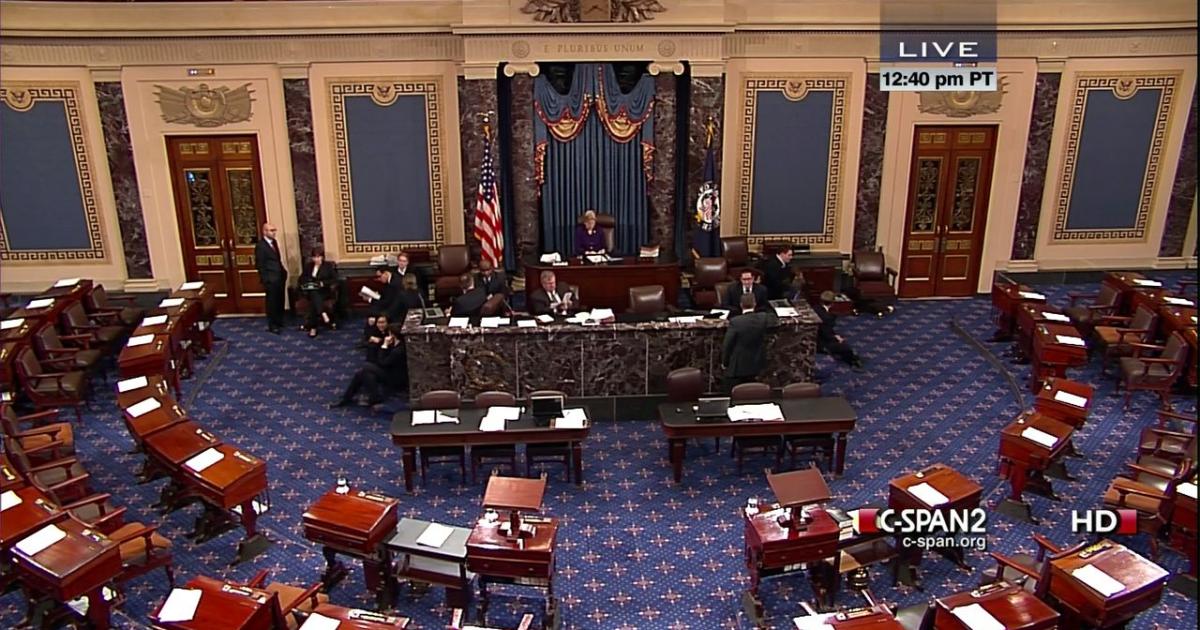
The Senate likewise presumes a quorum unless a senator suggests the absence of a quorum. If so, the clerk calls the roll. In practice, senators sometimes request quorum calls even when a quorum exists because it pauses proceedings and buys time for negotiations, member arrivals, or a leader to line up votes.
What Happens Without a Quorum
If a quorum is not present, the chamber cannot conduct ordinary legislative business. That includes passing bills, confirming nominees, and adopting many motions.
But the Constitution explicitly allows two things even without a quorum:
- Adjournment from day to day. A small number can effectively say, “We are done for today.”
- Compelling attendance. The chamber can use its rules to require absent members to appear.
“Compel attendance” can get real
Each chamber has tools to pressure attendance. The exact mechanics are governed by internal rules and leadership practice, but the logic is constitutional: if a minority could permanently defeat the majority simply by staying away, Congress would become optional.
That said, compelling attendance is also political theater. Leaders do not love using the hardest tools because it turns a scheduling problem into a headline about a party in chaos.
The House’s Quorum Shortcut
Committee of the Whole
Here is a key detail that explains a lot of what you actually see on the House floor: much of the House’s day to day debating and amending happens in the Committee of the Whole, a parliamentary mode the House uses to consider many bills.
Why does that matter for quorum? Because the Committee of the Whole operates with a much lower quorum requirement. Under House rules, it typically takes 100 members (not 218) to conduct business in the Committee of the Whole. That is one reason the House can move through long stretches of debate and amendments with fewer members on the floor, then return to the full House for final votes where the normal quorum standard applies.
In other words, the House did not “ignore” the quorum rule. It often shifts into a mode where the quorum threshold is different, because the institution is doing a different kind of work.
Common Quorum Scenarios
1) The walkout that stalls a vote
One of the clearest quorum flashpoints is a deliberate walkout. If enough members leave (or refuse to appear) to drop the chamber below the majority threshold, the majority may not be able to proceed.
This is the quorum as leverage: not a debate over the merits of a bill, but a fight over whether the institution can legally move forward.
2) The “empty chamber” that is not empty
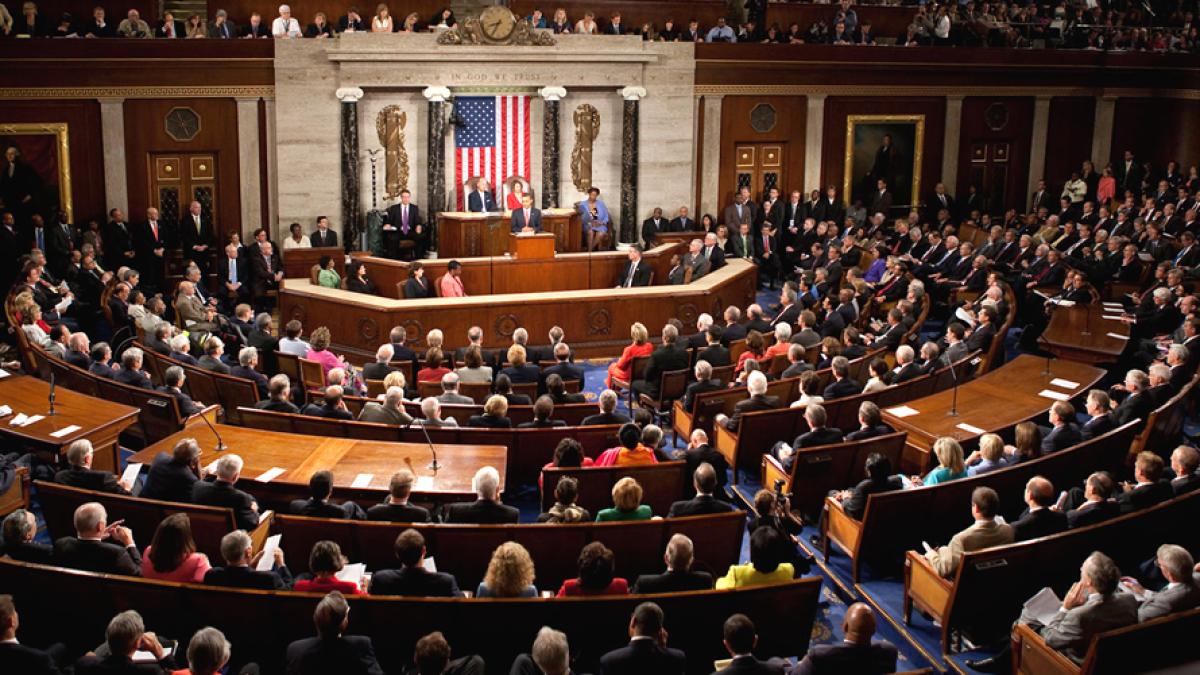
Television shots can be misleading. Members may be nearby, in their offices, in committee rooms, or just outside the floor, ready to appear when a vote is called. A chamber can look deserted and still have a quorum because quorum is about the official count, not the camera angle.
3) The Senate quorum call that buys time
The Senate’s culture tolerates delay tactics more than the House. A quorum call can function like a procedural pause button. Sometimes it is genuinely about attendance. Often it is about time.
If you have ever wondered why the Senate appears to stop midstream while nothing seems to happen, “the clerk will call the roll” is frequently the answer.
Do Quorum Rules Change Vote Thresholds?
Not exactly, because “business” in Congress includes many different actions. But as a general rule:
- Passing legislation requires a quorum.
- Confirming executive and judicial nominees requires a quorum.
- Procedural motions generally require a quorum, though some limited actions may occur without one, especially those tied to adjournment or compelling attendance.
There are also situations where the Constitution itself sets special vote thresholds, but those do not replace the quorum requirement. For example:
- Overriding a veto requires two thirds of the members present and voting in each chamber (with a quorum present).
- Proposing constitutional amendments requires two thirds of the members present and voting in each chamber (with a quorum present).
Proxy Voting and “Presence”
Quorum rules become especially interesting when Congress experiments with how to count participation.
Presence is the baseline
The Constitution uses the concept of members “constitut[ing]” a quorum, and historically that meant physical presence in the chamber.
In modern times, the House has at points allowed proxy voting under House rules, especially during emergencies. Proxy voting raises a straightforward question with a complicated answer: does a proxy count toward quorum?
As a matter of House practice during proxy periods, the House treated members voting by proxy as part of its operational attendance system under its own rules. That approach was controversial, challenged politically and in court, and defended as an internal rulemaking matter under Article I.
The practical takeaway for readers is simpler than the legal debate: quorum is constitutional, but the method of counting and enforcing it is heavily shaped by each chamber’s rules and by the realities of governance.
Why Quorum Fights Matter
Quorum rules sound like classroom civics until you watch them derail a real deadline.
A missing quorum can:
- Delay disaster relief if a chamber cannot legally pass a funding measure.
- Freeze confirmations when the Senate is trying to move nominees quickly.
- Increase shutdown pressure when time is short and absences become leverage.
- Create a public blame game where the central question becomes “Who is not showing up?” rather than “What is in the bill?”
In other words, quorum is the skeleton of the legislative process. You do not notice the bones until something breaks.
A Plain Example
Imagine the House is trying to pass an emergency bill after a hurricane. Leadership schedules a vote for 6:00 p.m.
- At 6:00 p.m., only 210 members are present. That is not a quorum.
- A member raises the issue. The House must verify attendance.
- Leadership scrambles, members rush back from airports, fundraising events, and meetings.
- If enough members return, business resumes. If not, the House can adjourn or take steps to compel attendance.
The bill’s content did not change. The outcome still changed. That is quorum power.
Key Takeaways
- The Constitution requires a majority of each chamber to be present to do business.
- Quorum is separate from how many votes it takes to pass something.
- A quorum is usually presumed until challenged, then verified by a call or electronic count.
- Without a quorum, Congress can do little more than adjourn and try to compel attendance.
- In the House, much of the debate and amendment work happens in the Committee of the Whole, where the quorum is much lower (typically 100).
- Quorum disputes are not technical trivia. They are a real tool for delay and leverage when the stakes are high and margins are tight.
The Bigger Logic
The Framers were suspicious of small groups acting in the name of the whole country. The quorum rule is a guardrail against government by tiny attendance, whether by accident or by design.
It also carries a democratic lesson that feels painfully current: representation is not just about winning elections. It is also about showing up. The Constitution does not only ask Congress to deliberate. It requires Congress to be present enough to act.