
A political veteran, narrowly defeated after decades in office, is stepping back into the arena for a high-stakes rematch. Former Senator Sherrod Brown’s announcement that he will run for his old Ohio Senate seat in 2026 sets the stage for one of the most closely watched races of the midterm elections.
This is not just another political contest. It is a crucial test of American federalism and the constitutional role of the Senate in a deeply polarized nation. The outcome in Ohio will tell us a great deal about the future of checks and balances in Washington and whether a state that leans heavily in one direction can still send a senator from the other party to represent its interests.

Join the Discussion
The Story So Far
- November 2024: After serving three terms, Democratic Senator Sherrod Brown is narrowly defeated by Republican Bernie Moreno. Despite the loss, Brown runs nearly seven points ahead of the top of the Democratic ticket, demonstrating significant crossover appeal in an increasingly red state.
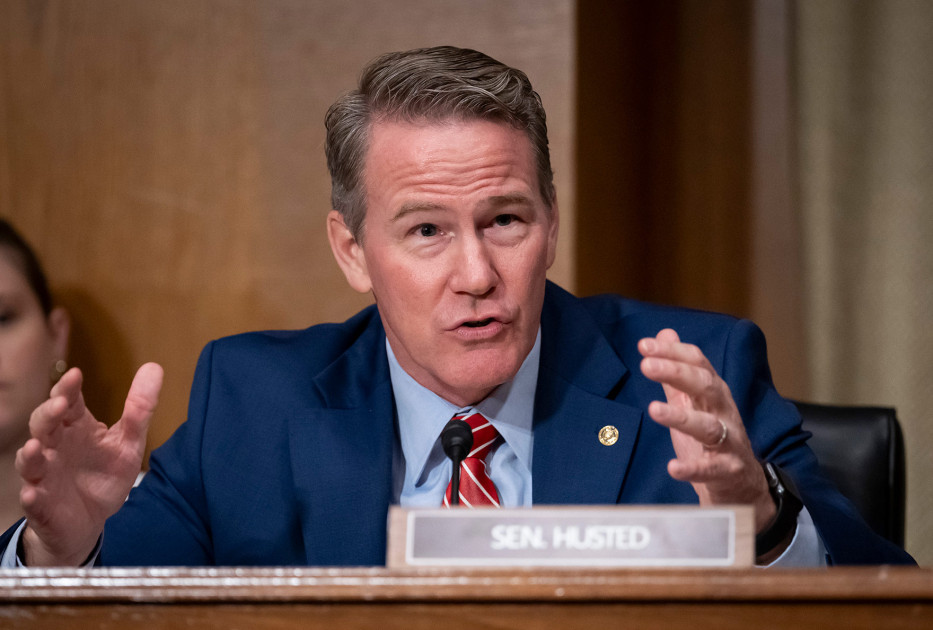
- January 2025: Ohio’s other Senator, JD Vance, resigns his seat to become Vice President. Republican Governor Mike DeWine appoints his Lieutenant Governor, Jon Husted, to fill the vacancy.
- Summer 2025: After heavy recruitment from national Democrats, Sherrod Brown announces he will run in the 2026 special election to reclaim his former seat, now held by the Trump-endorsed Senator Husted.
Why It Matters
This race is significant not just for which party will control the Senate, but for the very nature of the Senate itself as a constitutional body.
The Senate’s Unique Constitutional Role: This is a battle for one of only 100 Senate seats, a body with the unique constitutional powers of “Advice and Consent” on all presidential appointments – from cabinet secretaries to federal judges – and the power to ratify treaties.
This race is fundamentally about the nature of the check on presidential power in the final two years of the President’s term.
A Test of Federalism: The central dynamic of this race is a test of our federalist system. Can a state that voted overwhelmingly for a Republican president still elect a Democratic senator?
The principle of federalism suggests that senators are elected to represent the unique interests of their state, not just to serve as a rubber stamp for a national party. Brown’s populist, pro-worker message is a direct appeal to this idea, while the Republican response aims to nationalize the race as a referendum on the “woke Left’s agenda.”
A Clash of Visions: The rhetoric from both sides reveals a deep conflict over the purpose of a senator. Brown is framing the race around kitchen-table economics and “dignity.”
The National Republican Senatorial Committee is immediately framing it as a national culture war over issues like illegal immigration and transgender athletes. This highlights a fundamental disagreement about what voters should be considering when they choose their representative in the Senate.
What’s Next
The immediate next step is what will surely be a long, brutal, and incredibly expensive campaign. With the GOP holding a narrow 53-47 majority, this Ohio race will become one of the top targets for both parties in their battle for control of the Senate.
The outcome, along with a handful of other competitive races, will determine whether President Trump faces a cooperative or a confrontational Senate during the critical final two years of his term. This race is more than just a political contest; it is a constitutional bellwether that will help answer a critical question: In our hyper-partisan age, do voters still see the Senate as a unique body meant to represent their state and check the president, or has it become just another front in the national political war?