
A confrontation between federal immigration enforcement and protesters in Portland, Oregon, has spilled into the federal courts, with a new lawsuit accusing the Department of Homeland Security (DHS) of “poisoning” a nearby low-income housing community.
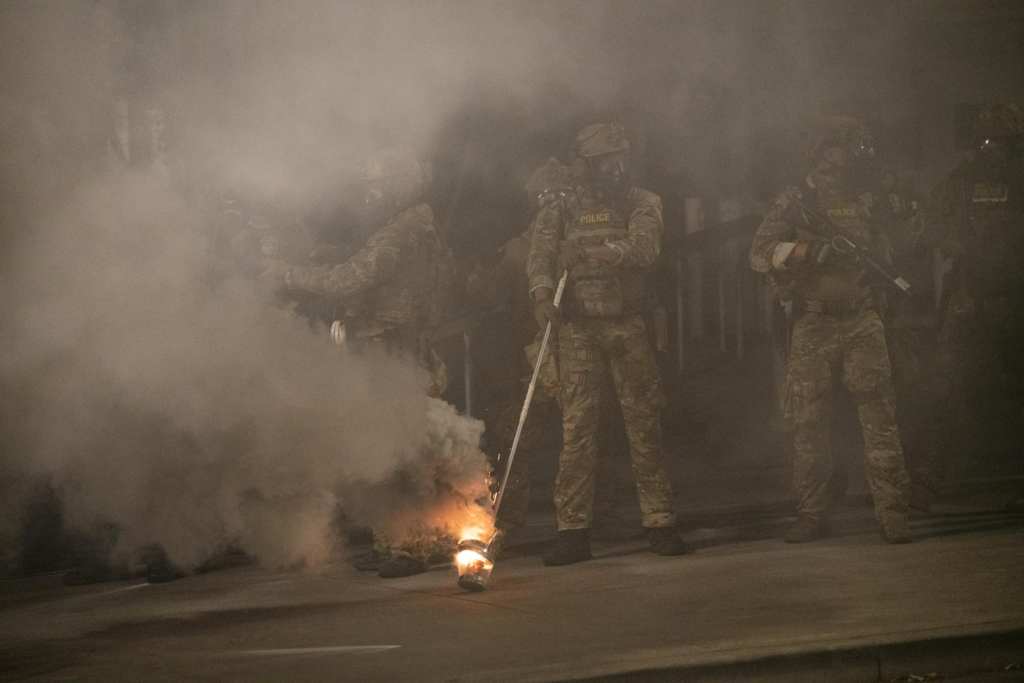
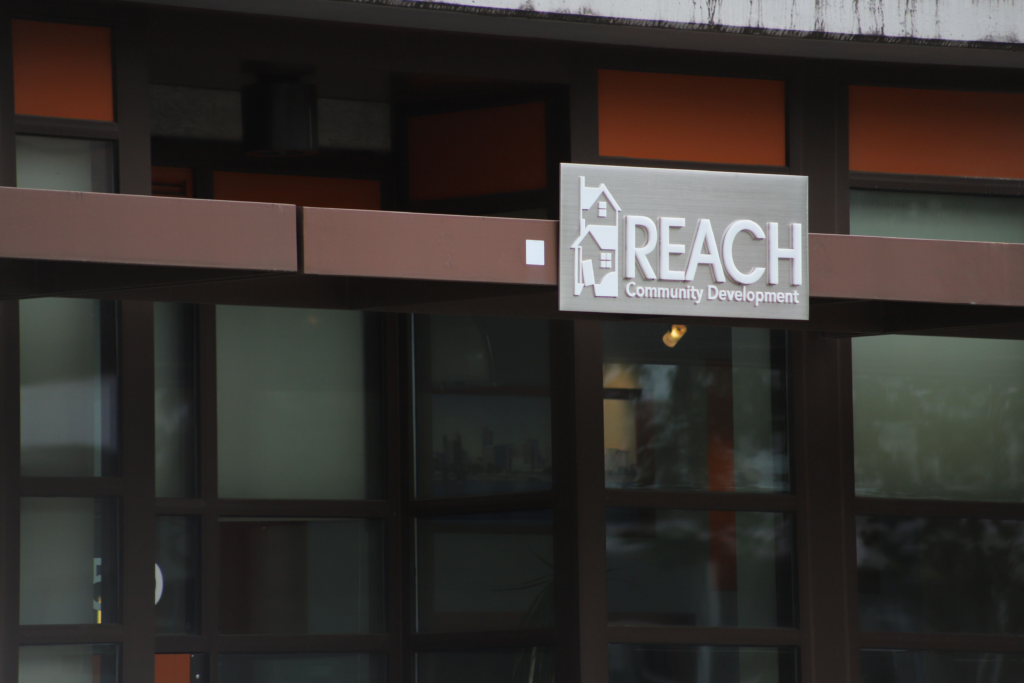
REACH Community Development, a nonprofit affordable housing provider, and several residents of the Gray’s Landing apartment complex filed suit against DHS this week. They allege that the clouds of CS gas (tear gas) and smoke deployed by federal agents to disperse anti-ICE protesters are drifting into their homes, causing severe health issues for the families, veterans, and seniors living just feet away from the conflict zone.
The lawsuit escalates the ongoing battle between the Trump administration’s aggressive immigration enforcement tactics and the fierce resistance in the Pacific Northwest.
At a Glance: The Gray’s Landing Lawsuit
- The Plaintiffs: REACH Community Development and residents of the Gray’s Landing apartments, represented by Democracy Forward and Protect Democracy.
- The Accusation: Federal agents are deploying chemical munitions (tear gas, pepper balls) without regard for the residential building located “kitty-corner” to the ICE facility.
- The Impact: Residents report “acute respiratory distress,” burning eyes, and PTSD episodes. Some claim they must tape their windows shut or wear gas masks inside their own living rooms.
- The Defense: DHS argues the facility is “under siege” by violent rioters who have attacked officers and destroyed federal property, making the use of force necessary.
- The Constitutional Argument: The suit claims the government is violating residents’ Fifth Amendment rights to “bodily integrity” by forcing toxic chemicals into their private homes.
‘Children Are Coughing Indoors’
The lawsuit centers on the geography of South Portland’s waterfront. The local ICE processing center sits directly adjacent to Gray’s Landing, a complex housing over 200 residents, including many vulnerable populations.
According to the complaint, federal officers have repeatedly fired chemical agents “toward and around” the building to break up crowds.
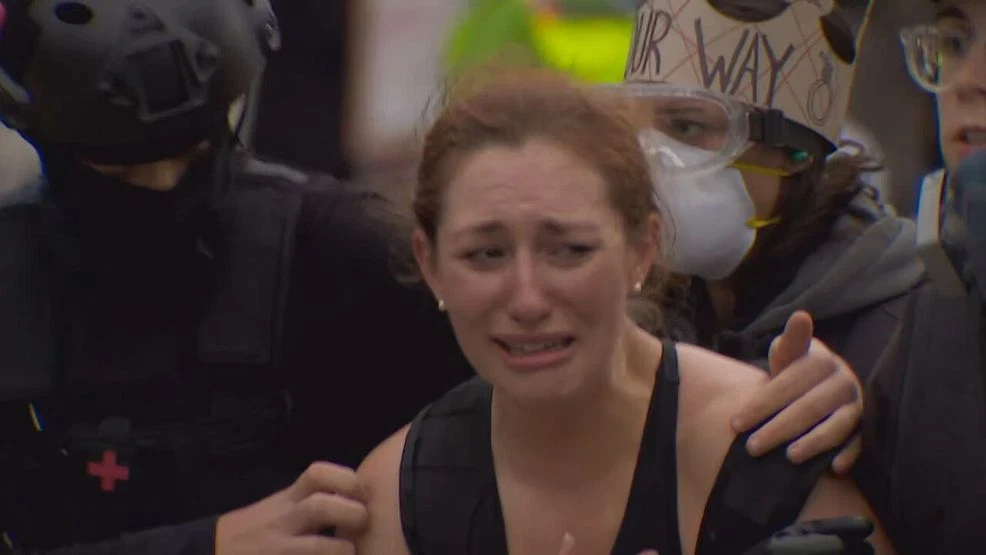
“Children are coughing indoors, seniors are struggling to breathe, and daily life has become a source of stress and fear.” — Margaret Salazar, CEO of REACH Community Development
Residents describe a nightmarish reality where the air inside their apartments becomes unbreathable. Daniel Jacobson, an attorney for the plaintiffs, accused the government of “poisoning” innocent bystanders who have no connection to the protests outside.
DHS: A Facility ‘Under Siege’
The Department of Homeland Security paints a starkly different picture. DHS Secretary Kristi Noem has characterized the Portland facility as a target for “criminals” and “anarchists” who are threatening the safety of federal officers.
In recent statements, the agency noted that rioters have “destroyed federal property,” posted death threats, and physically attacked law enforcement. The agency maintains that non-lethal munitions are a standard and necessary tool to protect the facility from being overrun.
“These criminals are taking the side of vicious cartels and human traffickers. We won’t allow it in America.” — DHS Secretary Kristi Noem
The administration has also expressed outrage over the doxxing of ICE agents, with Noem vowing to prosecute anyone who releases officers’ personal information.
The Oregon Battleground
This lawsuit is the latest chapter in a long-running feud between the Trump White House and Oregon officials.
- The National Guard Dispute: Earlier this year, a federal judge blocked President Trump’s attempt to deploy the National Guard to Portland, ruling that the administration had not met the legal threshold to override state sovereignty.
- Political Pushback: Oregon’s Democratic leaders, including Gov. Tina Kotek and Sen. Jeffrey Merkley, have slammed the federal presence. Merkley recently accused the administration of “terrorizing our communities” with raids that detain people based on race—a charge ICE denies.
- The Numbers: Tensions are fueled by a sharp rise in enforcement; reports indicate Oregon is among the top states for increased ICE arrests, with over 660 arrests recorded in 2025 alone.
What’s Next?
The plaintiffs are seeking a preliminary injunction to bar DHS from using chemical weapons near the housing complex unless there is an “imminent and concrete threat” to life.
If granted, the court order would force federal agents to drastically alter their crowd-control tactics in Portland. It would set a significant precedent regarding the “collateral damage” permitted during domestic law enforcement operations in dense urban areas. For now, the residents of Gray’s Landing wait for a ruling, while the clouds of gas continue to drift from the street below.