
The scene was shocking and almost unbelievable. In the middle of a legislative hearing in Wisconsin, a state senator, consumed with rage, lunged across the dais to grab the chairman’s gavel. This was more than a moment of lost tempers.
This was a stark and worrying symptom of the decay of our democratic institutions. It was a live demonstration of how thin the line is between heated, passionate debate and physical chaos, and it serves as a powerful lesson in the constitutional importance of the “boring” rules that hold our republic together.

A Debate Derailed by Falsehood and Fury
The flashpoint for this eruption was a state bill that would bar public funds from being used for the healthcare of undocumented immigrants. The debate became emotionally charged after one Democratic senator told a story about a migrant woman who had supposedly died after being deported. The story, however, was false, a fact the senator later had to retract.
Fueled by this false narrative, his colleague, state Senator Tim Carpenter, declared the bill and its Republican sponsors to be “unchristian” and “immoral.” The committee chairman, Chris Kapenga, tapped his gavel, ruling that Carpenter was violating the rules of decorum by impugning the character of another member. This led to an escalating shouting match that culminated in Carpenter lunging for the gavel.
The Constitutional Necessity of Decorum
This is where the story becomes a crucial constitutional lesson. The framers of the Constitution, in Article I, Section 5, gave each house of Congress the power to “determine the Rules of its Proceedings” and “punish its Members for disorderly Behaviour.” This is one of the most important and least appreciated clauses in the entire document.
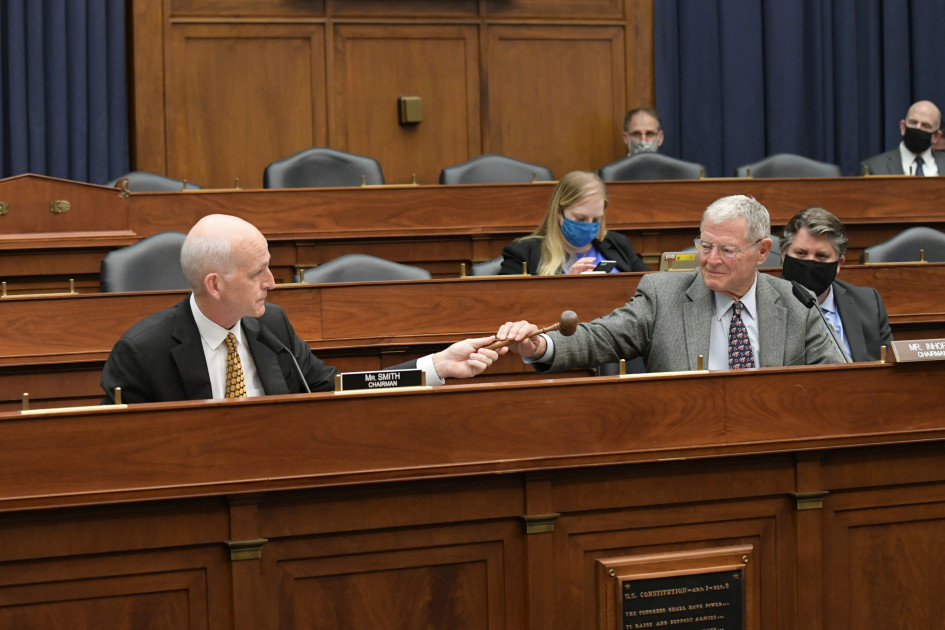
The rules of legislative procedure – like keeping debate focused on the bill at hand and forbidding personal, ad hominem attacks – are not just about being polite. They are a constitutional necessity. A legislature cannot perform its core function of creating law through reasoned deliberation if its members are shouting, making baseless accusations, or physically threatening one another. Chairman Kapenga’s use of the gavel was an attempt to defend this essential constitutional process.
A Ghost from the Past: The Caning of Charles Sumner
Our own history provides a terrifying example of what happens when these norms completely collapse. In 1856, on the floor of the U.S. Senate, South Carolina Congressman Preston Brooks beat Massachusetts Senator Charles Sumner nearly to death with a heavy cane in response to an anti-slavery speech Sumner had given.

This brutal act is the ultimate cautionary tale. It is what happens when legislative decorum fails and political violence replaces debate within the halls of government itself. It was a sign that the republic’s deliberative institutions had failed, a path that led directly to the Civil War.
The chaotic scene in the Wisconsin Senate is a warning sign for all of our legislative bodies. A constitutional republic requires its leaders to engage in passionate debate. But that debate can only function within a framework of shared rules and a commitment to facts. When lawmakers abandon decorum for aggression and facts for falsehoods, they are chipping away at the very foundation of our system of self-government.