
Nine justices feels like a constitutional fact, the way two senators per state does.
But it is not.
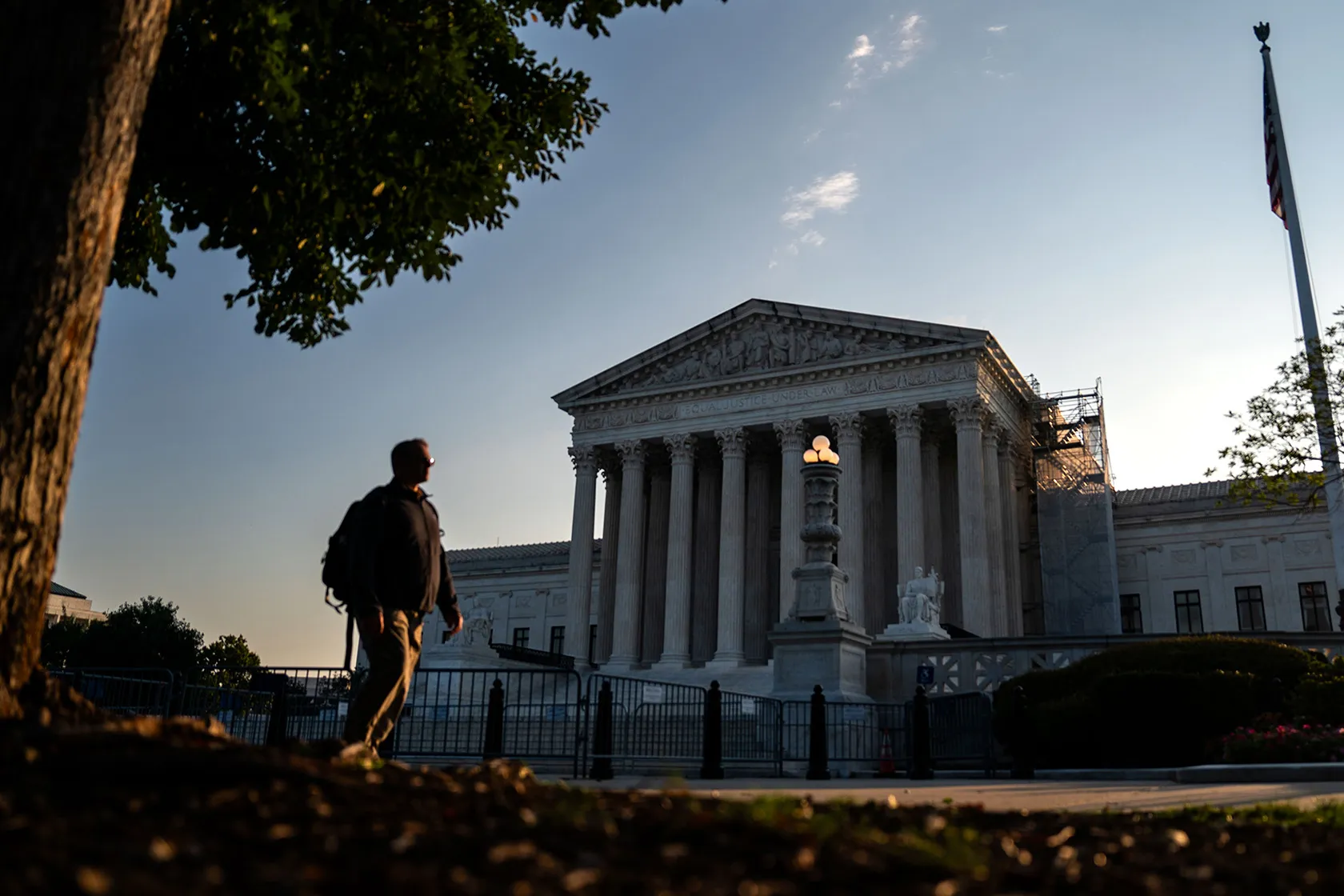
The U.S. Constitution creates “one supreme Court.” It never says how many people must sit on it. The number nine comes from a law Congress passed, and Congress could pass a different law. That simple truth is why “court packing” debates flare up when major decisions collide with partisan control of Congress and the presidency, or with a national crisis.
So can Congress change the size of the Supreme Court? Yes. The harder question is what happens to the Court, and to the country’s trust in it, when Congress tries.
Join the Discussion
What the Constitution actually says
Article III is the Constitution’s judicial blueprint. It does three things that matter here:
It creates the Supreme Court. “The judicial Power of the United States, shall be vested in one supreme Court…”
It leaves the rest to Congress. Congress may create “inferior Courts” and shape much of the federal judiciary’s structure.
It protects judicial independence through life tenure and pay protection. Judges “hold their Offices during good Behaviour” and their compensation cannot be diminished during their time in office.
Notice what is missing: a number. No “nine.” No “one chief and eight associates.” Just a Supreme Court that must exist.
Historians generally understand this flexibility as intentional. The Framers assumed Congress would need room to build a working judiciary in a growing republic. The size of the Court was treated as a structural choice, not a fixed constitutional requirement.
Where “nine justices” comes from
Nine is the default because Congress made it the default.
The current number is set by federal statute: 28 U.S.C. § 1, which provides that the Supreme Court consists of “a Chief Justice of the United States and eight associate justices.” Change the statute, change the number.
This is why Supreme Court size debates are, legally speaking, debates about ordinary legislation. They are not debates about constitutional amendments. The constitutional question is not “Is nine required?” It is “Does Congress have power to set the size?” and historically the answer has been yes.
Congress has changed the Court’s size before
If you want proof this is not theoretical, American history supplies it.
Congress changed the size of the Supreme Court repeatedly in the nation’s early decades, and again during Reconstruction-era politics. The number moved with the country’s geography, the structure of the federal circuits, and sometimes the raw struggle between branches.
A quick timeline
1789: The Judiciary Act set the Court at 6 justices.
1801: A late-term Federalist Congress passed a law that would have reduced the Court to 5 upon the next vacancy, a move aimed at limiting President Jefferson’s appointments. This was reversed the next year.
1802: Congress restored the Court to 6.
1807: Increased to 7.
1837: Increased to 9.
1863: Increased to 10 during the Civil War.
1866: Provided for a reduction (by attrition) to 7 as seats opened, partly to constrain President Andrew Johnson’s influence.
1869: Set to 9, where it has remained ever since.
The lesson is not that changing the size is routine today. The lesson is that it is not constitutionally forbidden. It has always been part of Congress’s toolkit.
Statute vs. amendment: what is required
This is where people often overcomplicate it. There are two separate questions: what is legally required and what is politically survivable.
To change the number of justices
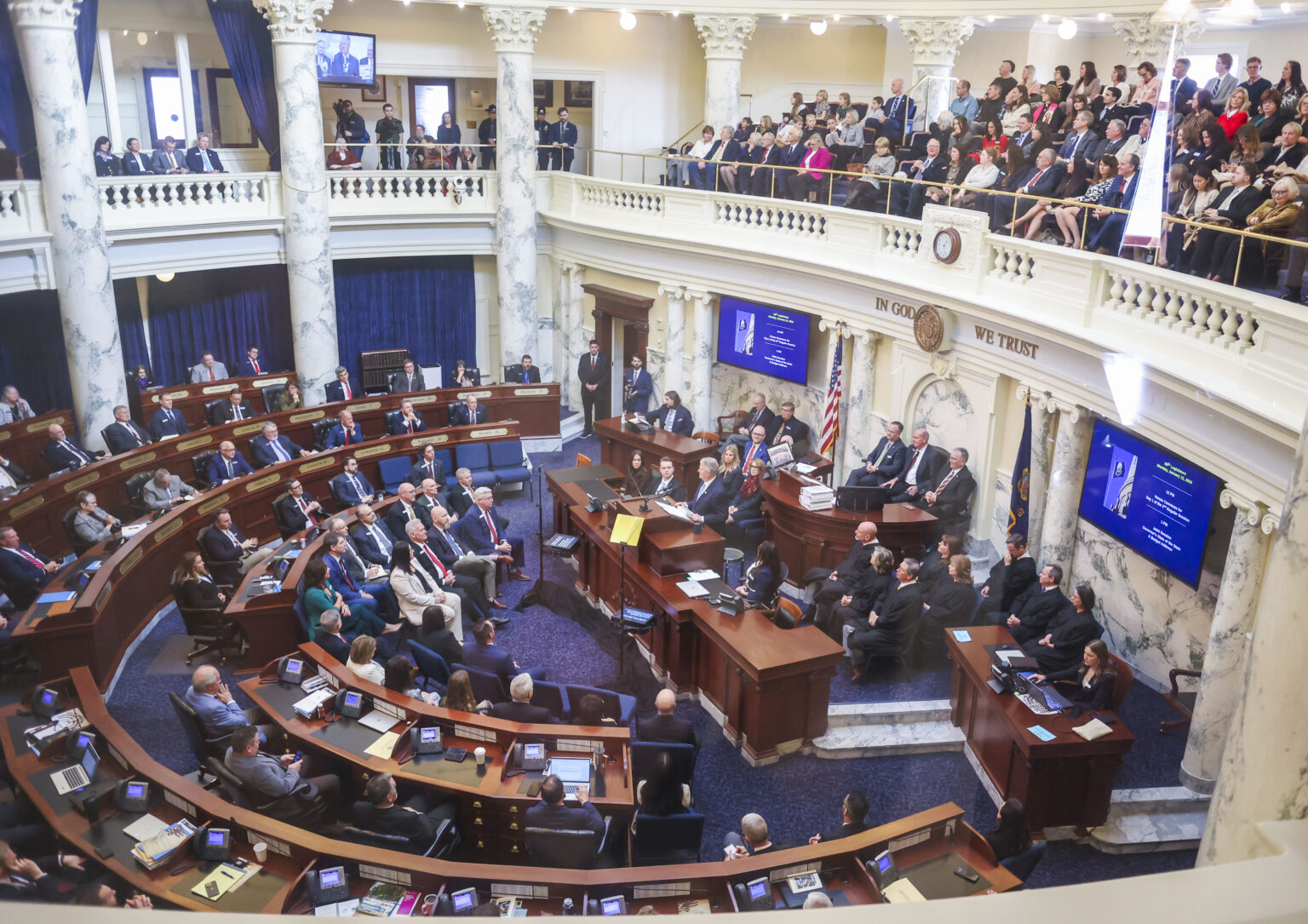
A statute is enough. Congress passes a bill changing 28 U.S.C. § 1, the president signs it (or Congress overrides a veto), and the Court’s authorized seats change.
No constitutional amendment is needed because the Constitution does not specify a number to amend.
To guarantee a permanent number
An amendment would be required if you wanted to lock in “nine justices” so Congress could not later change it by statute. The only way to permanently entrench the number would be to put the number in constitutional text.
That is an important distinction. Today’s Court size is stable mostly because of political tradition, not because the Constitution nailed it down.
How expansion would work
If Congress decided to expand the Court, the mechanics are straightforward, and that simplicity is what makes the debate feel so volatile.
Step 1: Congress passes a bill
The bill would amend the statute that sets the Court’s size. It could increase (or decrease) the number effective immediately or at a future date.
Step 2: The president signs it (or Congress overrides a veto)
Because this is ordinary legislation, the president plays an ordinary role. A president who opposes expansion can veto it. Overriding that veto requires two-thirds votes in both chambers.
Step 3: New seats become vacancies
Once the number increases, the additional seats are, legally speaking, vacant offices. The president nominates justices to fill them, and the Senate decides whether to confirm.
Nothing in Article III requires a vacancy to be filled immediately. And in practice, timing can be the whole ballgame: an expansion law can create seats on paper, but a hostile Senate can delay or block confirmations, leaving the Court at its old headcount for a time.
Senate rules are the real gatekeeper
Even if expansion is constitutionally permissible, it still collides with Senate procedure. Today, most major legislation can be stalled by the filibuster, which typically requires 60 votes to overcome. That is a Senate rule, not a constitutional requirement. A simple majority could change Senate rules, but that is its own political cliff.
Meanwhile, Supreme Court confirmations themselves are not subject to a 60-vote requirement anymore. Since 2017, a simple majority can confirm a justice. That means the hardest part is usually passing the expansion bill, not confirming the nominees after the fact.
Court packing vs. size change
“Court packing” is not a legal category. It is a political accusation.
Technically, any change in the number is a “size change.” But in modern American rhetoric, “court packing” usually means expanding the Court in order to change its ideological outcomes, especially soon after controversial decisions or a shift in party control.
The most famous modern example is Franklin D. Roosevelt’s 1937 proposal, the Judicial Procedures Reform Bill. After repeated Supreme Court setbacks to New Deal legislation, Roosevelt backed a plan that would have added additional justices as sitting justices aged, potentially expanding the Court to as many as 15. The plan failed in Congress, but it left a lasting mark: it turned “court packing” into a cautionary phrase, and it showed how quickly a size fight can become a legitimacy fight.
That framing matters because legitimacy is the Supreme Court’s oxygen. The Court depends on the political branches and the public to accept and enforce its rulings. So even though Congress can change the number, Congress also has to live with the consequence that large parts of the country may view the Court as just another prize of election season.
What stops Congress, if the Constitution does not?
If you are looking for a single constitutional “no,” you will not find it in the text. What you will find instead are structural and political brakes.
1) Elections are a moving target
Passing expansion in one Congress does not guarantee durability. The next Congress could shrink the Court back, or expand it again. Once the number becomes a partisan lever, it is hard to un-invent that lever.
2) The Senate slows big swings
Even with unified party control, the Senate’s rules and incentives make sweeping institutional changes difficult. The filibuster, razor-thin majorities, and the political risk faced by swing-state senators all raise the effective threshold.
3) Retaliation is a predictable incentive
Any successful expansion effort creates a blueprint for the other party to do the same when power changes hands. The fear of escalation can deter action, even among lawmakers who might otherwise support it.
4) The Court’s legitimacy is at stake
Congress can legally change the Court’s size and still lose the larger constitutional argument about norms and stability. In a system built on consent and compliance, legitimacy is not “extra.” It is the enforcement mechanism.
Could the Court stop Congress?
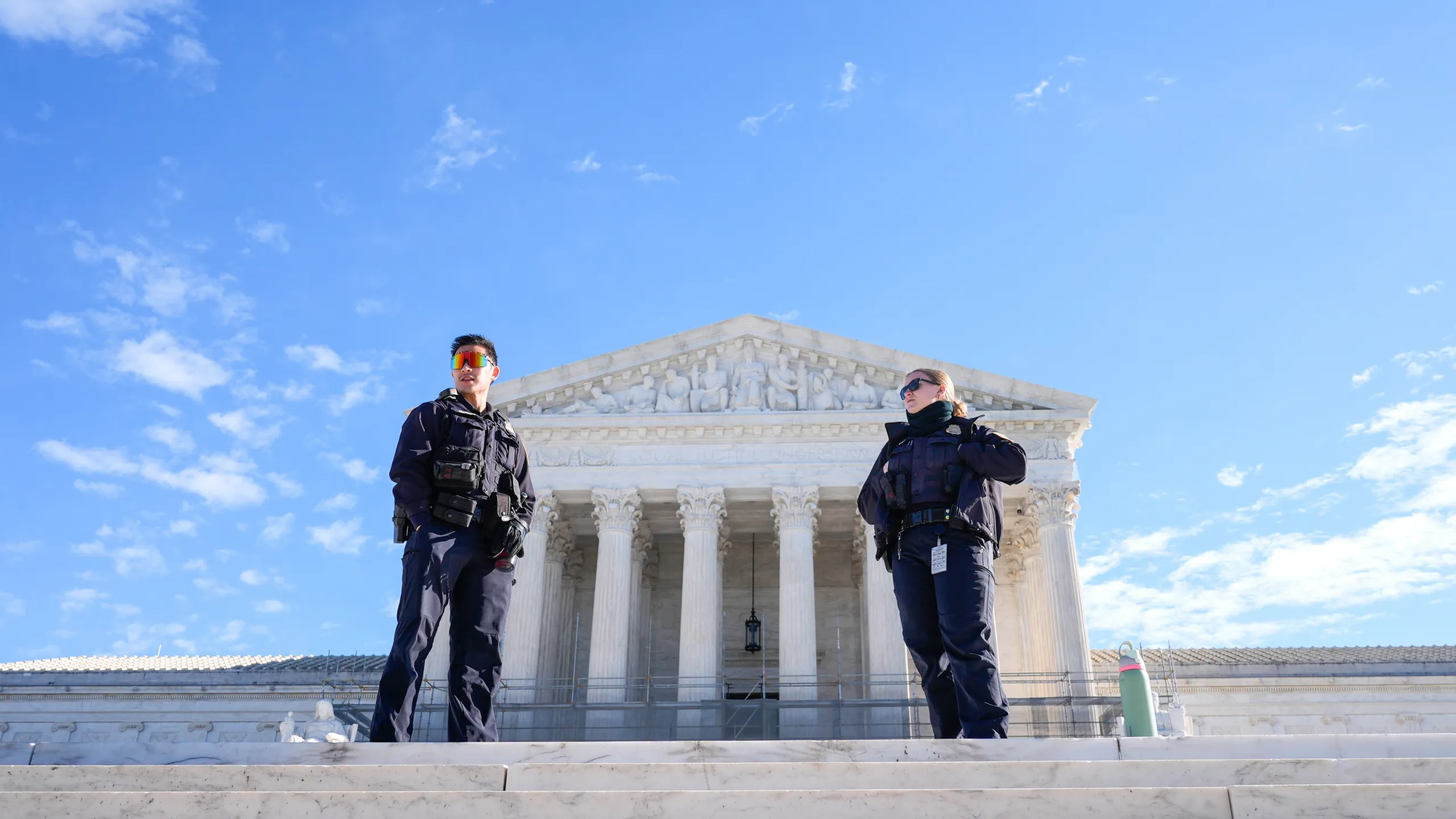
In modern practice, a direct constitutional challenge would face an uphill climb because Congress’s authority to structure the judiciary is well established, and history shows repeated size changes.
That said, the Court could be asked to weigh in on related disputes, such as:
whether an expansion law violates another constitutional provision (for example, by attaching conditions that interfere with judicial independence)
whether a procedural maneuver in Congress was valid under statutory or constitutional requirements
But the basic proposition, that Congress may set the number of seats by statute, is about as close to a settled assumption as American government gets.
Other reform ideas are different fights
Because “the Court” is a single public institution in people’s minds, proposals tend to blur together. It helps to separate what is clearly within Congress’s power from what is still debated.
Changing the Court’s size
Clearly doable by statute. Congress has done it before.
Term limits for justices
Legally contested. The Constitution’s “good Behaviour” language has long been understood as life tenure, absent impeachment and removal. Some scholars argue Congress could create 18-year staggered terms by statute while keeping justices in some kind of judicial office afterward. Others argue that any real term limit would require a constitutional amendment.
The key point: court expansion and term limits are not the same lever, even if they are often discussed in the same breath.
Jurisdiction stripping and mandatory ethics rules
Complicated, but not identical. Congress has some power over the Court’s appellate jurisdiction and can regulate aspects of federal courts, but the constitutional limits and political consequences vary depending on the proposal.
The bottom line
Yes, Congress can change the size of the Supreme Court. The Constitution creates the Court but does not fix the number of justices. Congress sets that number by statute, and history shows it has been changed multiple times.
But legality is not the whole story. In the modern era, the Court’s size has become a symbol of institutional legitimacy. The reason nine has lasted since 1869 is not constitutional cement. It is political gravity.
And political gravity can shift.