
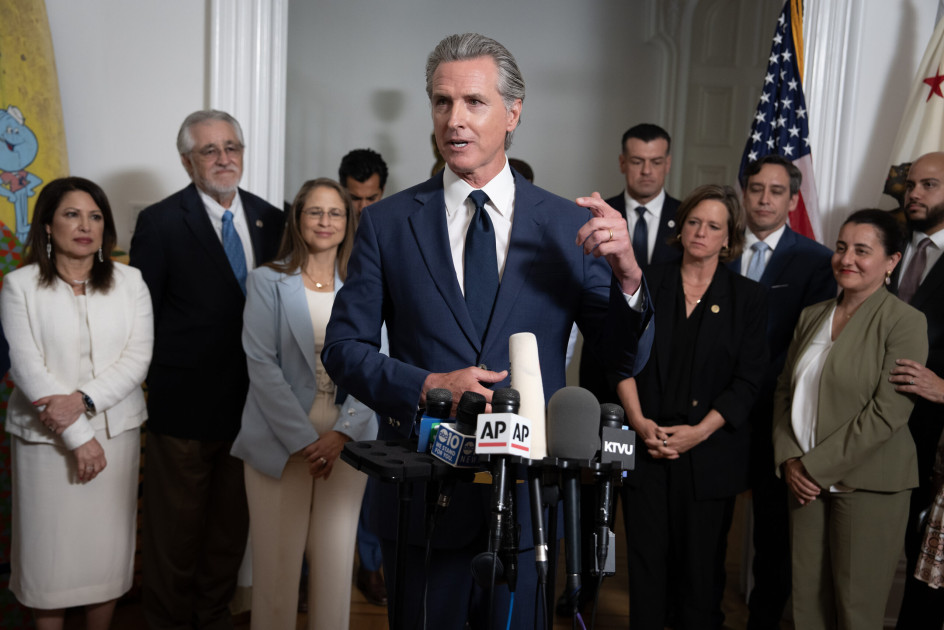
California is giving Planned Parenthood $140 million to keep 109 clinics open after federal funding cuts forced closures across the state. Governor Gavin Newsom announced the bailout Thursday, making California the fourth state to replace federal Medicaid dollars that Trump’s spending bill eliminated over the summer. The money will sustain operations through early next year while state lawmakers develop longer-term funding solutions.
The allocation represents the latest escalation in the post-Roe constitutional conflict about abortion access. Trump’s legislation prohibited Planned Parenthood from receiving Medicaid reimbursement for any services – not just abortions but also mammograms, pap smears, birth control, and STI testing. Clinics serving low-income patients who rely on Medicaid have been shuttering. Now states are stepping in with public funds to replace federal dollars.
The constitutional tension is straightforward: Can states use their own tax revenue to fund organizations Congress has specifically defunded? The answer is yes – but it reveals how abortion politics has fractured American federalism into competing healthcare systems where access depends entirely on which state you live in.

What the Federal Cuts Actually Did
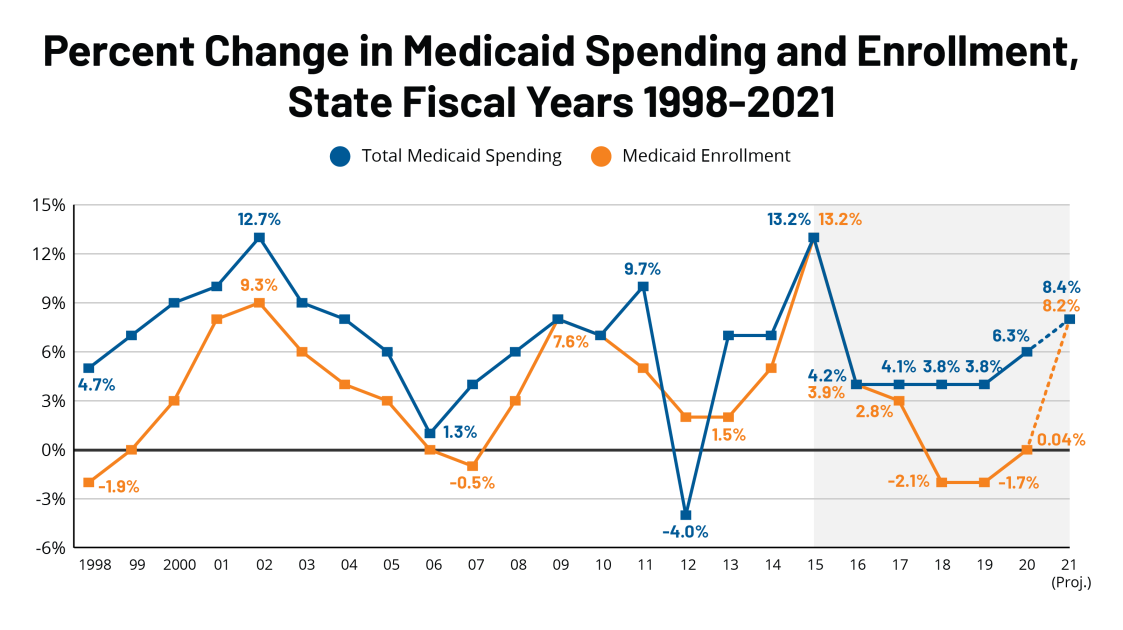
Trump’s spending bill signed over the summer didn’t just prohibit federal funding for abortion services. It cut off all Medicaid reimbursement to Planned Parenthood facilities regardless of what services they provided. Clinics can no longer bill Medicaid for contraception, cancer screenings, or routine healthcare provided to low-income patients.
The cuts hit hardest in states like California where Medicaid (called Medi-Cal) covers millions of low-income residents who use Planned Parenthood as their primary care provider. Dr. Janet Jacobson, medical director for Orange and San Bernardino counties clinics, told CalMatters the federal actions are “destroying our primary care program.”
Planned Parenthood needs roughly $27 million monthly to operate all California facilities, according to Jodi Hicks, president and CEO of Planned Parenthood Affiliates of California. The federal Medicaid cuts eliminated a substantial portion of that revenue stream overnight.
Five clinics in the Bay Area, Santa Cruz, and Central Valley closed in recent months. Planned Parenthood announced it would eliminate primary care at Orange and San Bernardino facilities starting in December. The organization estimated it couldn’t sustain operations beyond year’s end without new funding sources.
The State Bailout Strategy
California joins Washington, Colorado, and New Mexico in allocating state funds to replace federal Medicaid dollars. Oregon and New York lawmakers are considering similar appropriations. The pattern reveals a coordinated state-level response to federal defunding.
Newsom characterized the move as affirming California’s “continued commitment to abortion access” and protecting “essential health care in times of distress.” His statement framed the issue as Trump putting “communities at risk as people seek basic health care from these community providers.”
The $140 million represents emergency funding to sustain operations while the legislature develops permanent solutions when it reconvenes in January. But California faces a multibillion-dollar state deficit, making long-term Planned Parenthood funding politically and fiscally challenging.
The Services That Are Actually At Stake
Planned Parenthood claims abortions constitute only 3% of its services. The organization provides contraception, STI testing and treatment, cancer screenings, and primary care to millions of low-income patients who lack other healthcare access.
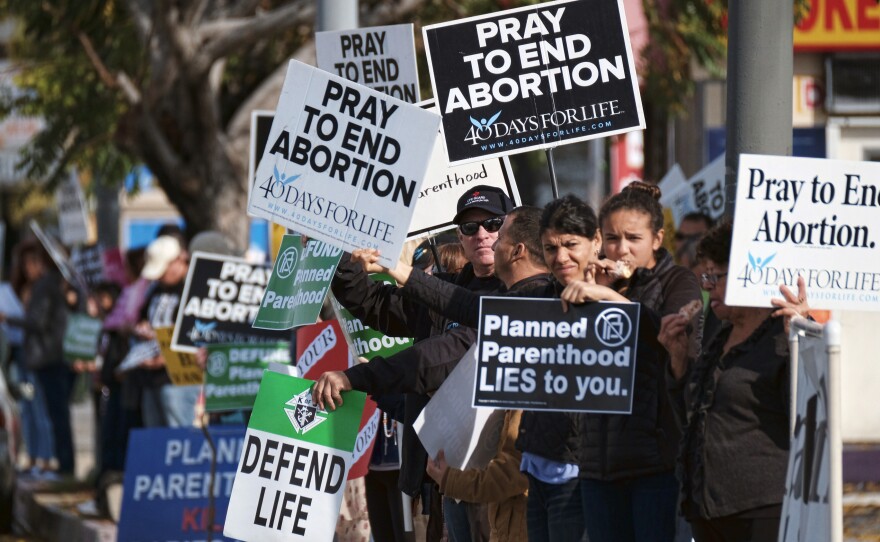
Pro-life groups dispute these numbers. Shawn Carney of 40 Days for Life told Fox News in August: “If that were true, they wouldn’t be closing all these facilities in pro-life states where you can’t do abortions. So that’s hardly believable anymore in 2025.”
The closure pattern appears to support both interpretations. Facilities closing in states with abortion bans suggests abortion services generate significant revenue. But facilities also closing in states like California where abortion remains legal indicates that losing Medicaid reimbursement for all services – not just abortion – makes operations financially unsustainable.
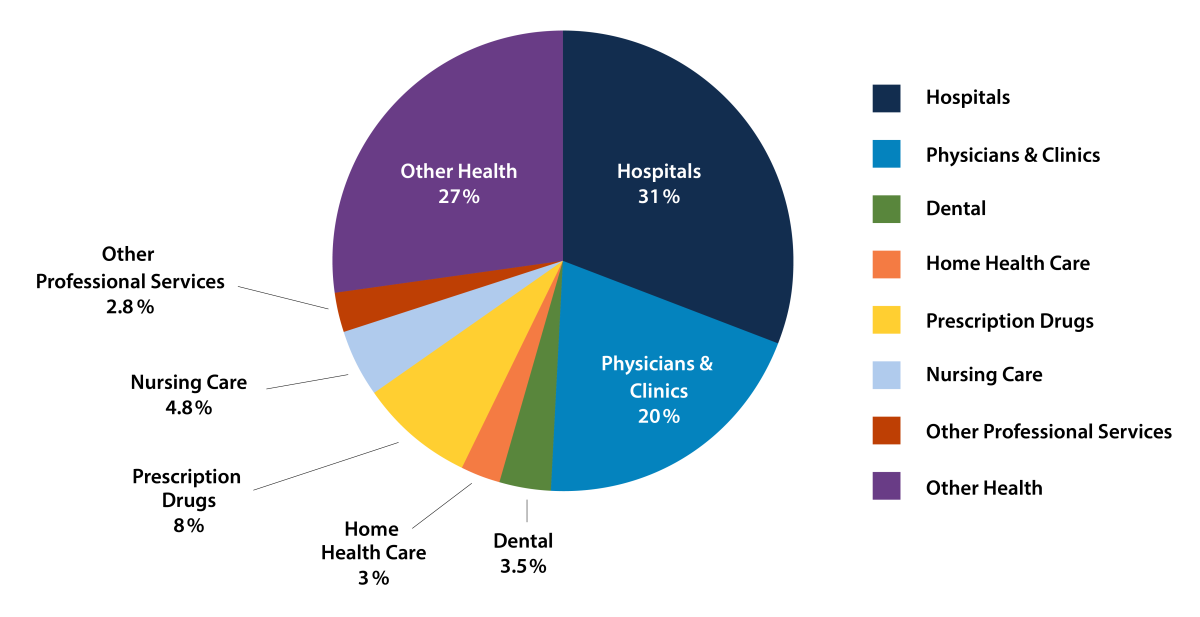
The truth is likely that Planned Parenthood facilities rely on bundled revenue streams. Abortion services generate income in states where they’re legal. Medicaid reimbursement for non-abortion services subsidizes operations. When either revenue source disappears, clinics become financially unviable.
The Constitutional Framework
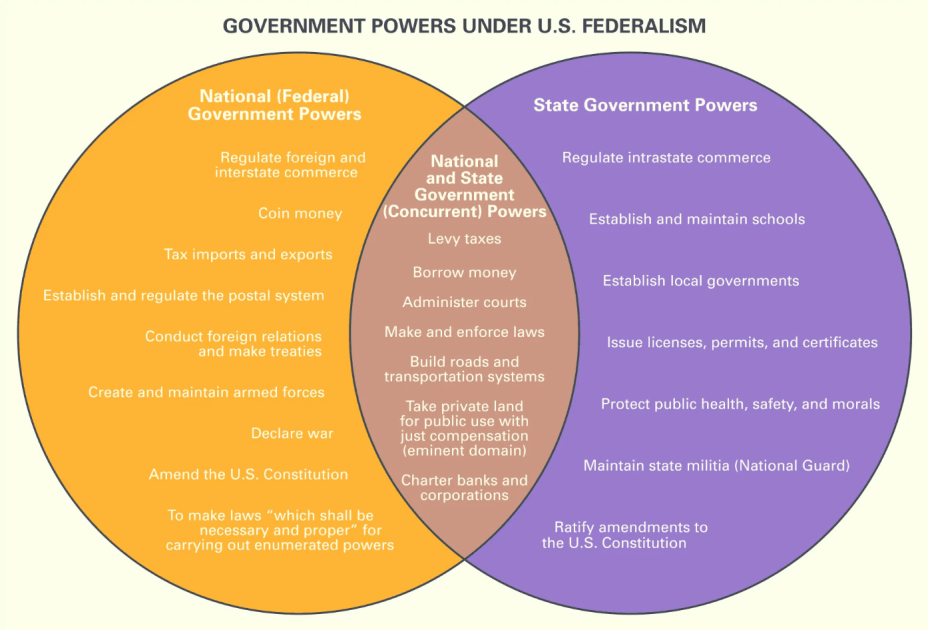
The Spending Clause grants Congress broad authority to attach conditions to federal funds. Congress can prohibit Medicaid dollars from flowing to specific providers as long as the restriction doesn’t violate other constitutional provisions.
Trump’s legislation targeting Planned Parenthood falls within that authority. Congress controls federal spending. It can decide which healthcare providers receive Medicaid reimbursement and which don’t. The Planned Parenthood exclusion may be politically motivated, but political motivations don’t render spending decisions unconstitutional.
States retain sovereignty within their spheres under the Tenth Amendment. California can choose to fund healthcare providers using state tax revenue. The federal government cannot prohibit states from spending their own money on organizations Congress has defunded.
That creates the current dynamic: Congress defunds Planned Parenthood federally. States replace federal dollars with state appropriations. Both actions fall within constitutional authority. The result is healthcare access that varies dramatically based on state politics.
The Federalism Question
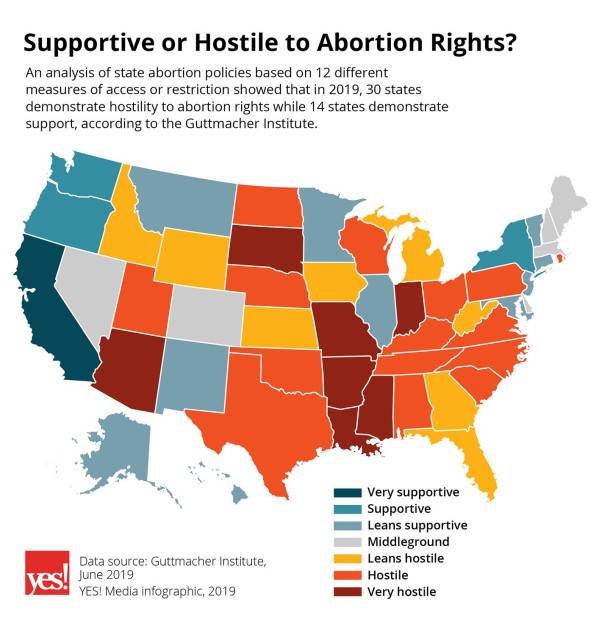
This represents federalism functioning exactly as designed – and revealing its tensions. Different states make different policy choices reflecting different values. Californians get the healthcare system California taxpayers fund. Texans get what Texas funds.
But healthcare doesn’t respect state boundaries. Low-income women in Texas who need reproductive healthcare can’t easily relocate to California to access it. The federalism that allows state experimentation also creates dramatic inequalities in healthcare access based on geography.
The Founders designed this system believing local control produces better governance than centralized authority. States closer to citizens can respond to local needs and values more effectively than distant federal bureaucracy. Healthcare policy should reflect community preferences rather than one-size-fits-all federal mandates.
But that logic assumes mobility – that citizens dissatisfied with their state’s policies can vote with their feet and relocate. Low-income Medicaid patients can’t easily move states. They’re trapped in whatever healthcare system their state provides.
The “Financial Cliff” Coming in January
Planned Parenthood’s Andrew Adams warned the organization faces a “financial cliff” after the new year when California’s emergency funding runs out. The $140 million sustains operations temporarily but doesn’t solve long-term structural problems created by permanent federal funding loss.
Adams stated the organization is “planning for an environment where there is no federal funding.” That planning includes “potentially charg[ing] patients some amount of money for services we provide” – services that were previously free or low-cost for Medicaid patients.
That shift transforms Planned Parenthood’s mission. The organization has historically provided free or subsidized healthcare to low-income patients who couldn’t afford private care. Charging fees excludes the poorest patients – precisely the population Planned Parenthood was designed to serve.

California faces difficult choices in January. Permanent state funding requires billions annually – money the state doesn’t have given its deficit. Allowing clinics to charge patients undermines healthcare access for the poor. Letting facilities close eliminates services entirely.
What This Reveals About Post-Roe America
The Dobbs decision that overturned Roe returned abortion regulation to states. That reversal was supposed to enable democratic decision-making at state level rather than imposing uniform federal policy. States could choose their own abortion policies reflecting local values.
But abortion doesn’t exist in isolation from other reproductive healthcare. Defunding Planned Parenthood federally affects contraception access, cancer screenings, and STI testing – not just abortion. Those services matter for public health regardless of abortion politics.
The federal cuts coupled with state bailouts create a fractured healthcare system where access depends on state residence and political priorities rather than medical need or patient choice. That fracturing may reflect legitimate federalism, but it produces dramatic healthcare inequalities.
The Political Calculation
Newsom’s announcement explicitly characterizes the funding as protecting abortion access. That framing plays to California’s progressive base while challenging Trump’s policies. The Governor positions California as resistance state protecting rights that federal government is attacking.
But the funding also serves practical healthcare needs. Millions of low-income Californians rely on Planned Parenthood for primary care unrelated to abortion. Clinic closures would leave them without accessible healthcare providers. The political symbolism overlaps with genuine public health concerns.
Republican criticism focuses on using taxpayer dollars to fund an organization whose primary political controversy involves abortion. Pro-life advocates view state bailouts as California taxpayers subsidizing abortion access despite federal efforts to defund it.
The Precedent This Sets
If states routinely replace federal funding Congress eliminates, what’s the point of federal defunding? Congress can’t prevent states from spending their own money. State bailouts effectively nullify federal policy in states wealthy enough to afford them.
But only wealthy states can afford bailouts. California’s economy and tax base enable $140 million appropriations. Poorer states cannot. That creates a two-tiered system where federal defunding affects some states dramatically while barely impacting others.
The precedent extends beyond Planned Parenthood. If Congress defunds other organizations or programs for political reasons, wealthy states can replace federal dollars with state funds. Federal defunding becomes meaningful only in states that can’t afford to replace the lost revenue.
The Patients Caught in the Middle
Lost in the constitutional and political debate are actual patients. Low-income women who used Planned Parenthood for contraception, cancer screenings, and STI testing now face clinic closures or fee requirements they can’t afford.
Dr. Jacobson stated: “It’s inhumane to take away people’s health care. Folks that have Medi-Cal should be able to see the provider of their choice for primary care.”
That perspective emphasizes the healthcare access dimension beyond abortion politics. Whether Planned Parenthood performs abortions doesn’t change the reality that millions rely on its clinics for basic healthcare they cannot access elsewhere.
Alternative providers exist in some areas. But in underserved communities, Planned Parenthood facilities often provide the only accessible care. When those clinics close, patients lose healthcare access entirely regardless of abortion politics.

The Longer-Term Question
California’s $140 million sustains operations temporarily. But permanent solutions require ongoing state appropriations totaling billions annually or fundamental restructuring of how Planned Parenthood operates without federal Medicaid reimbursement.
Neither option is straightforward. State funding requires legislative majorities willing to appropriate substantial sums during deficit conditions. Restructuring to operate without Medicaid requires either charging fees that exclude poor patients or finding alternative revenue streams that don’t currently exist.
The organization faces transformation regardless of which path it pursues. Federal defunding has eliminated the financial model that sustained Planned Parenthood for decades. State bailouts provide temporary relief but don’t solve structural problems.
What This Means for Federalism
The Planned Parenthood funding battle illustrates how federalism functions when national consensus disappears. Congress reflects one set of political priorities. State governments reflect different priorities. Constitutional structure allows both to operate within their spheres – even when state policies deliberately contradict federal objectives.
That’s federalism working as designed. It’s also federalism revealing its limitations. Healthcare access shouldn’t depend on which state you happen to live in. But absent national consensus enabling federal policy, state-by-state variation becomes inevitable.
The alternative would be centralized federal control overriding state objections. That eliminates variation but imposes uniform policy on diverse populations with competing values. The Constitution chose federalism over centralization – even though federalism produces inequality and inconsistency.
California can fund Planned Parenthood. Congress can defund it federally. Both actions fall within constitutional authority. The patients caught between competing governmental priorities bear the consequences of that constitutional structure.
The clinics stay open through emergency state funding. The underlying tension remains unresolved. And the question of whether healthcare access should depend on state politics rather than medical need continues dividing Americans along the same lines that fractured over abortion itself.