
Judge Boasberg at Center of Trump Administration Legal Controversy
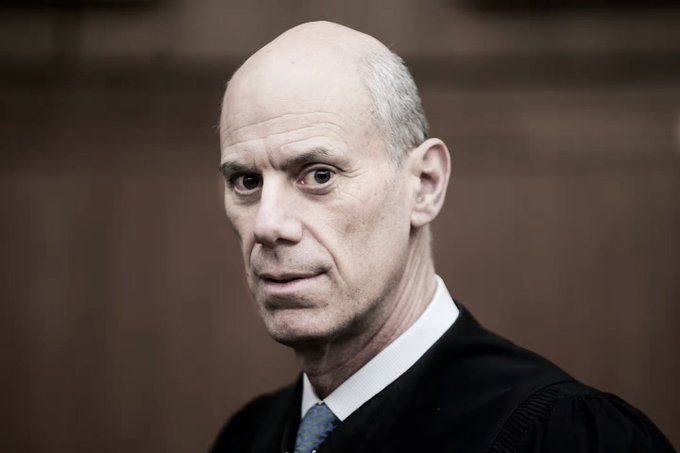
Judge James Boasberg finds himself embroiled in a complex legal drama involving the Trump administration’s use of Signal, an encrypted messaging app, for sensitive military discussions. This case follows Boasberg’s earlier clash with the administration over deportation plans for alleged Venezuelan gang members to El Salvador.
The current lawsuit, filed by American Oversight, alleges violations of the Federal Records Act by senior Trump officials who discussed military strikes in Yemen through Signal. The case gained prominence when The Atlantic‘s editor-in-chief Jeffrey Goldberg was accidentally added to the chat, igniting debates over transparency and digital-era record-keeping.
Critical Reactions from Trump Supporters
- Sen. Josh Hawley: Proposed legislation to limit district judges’ ability to issue nationwide injunctions
- Rep. Darrell Issa: Called for Boasberg’s recusal in the Signal lawsuit
These events underscore the ongoing tension between judicial oversight and executive power – a cornerstone of our constitutional republic. As the case unfolds, observers are keenly watching how Judge Boasberg will balance law enforcement needs with governmental accountability.
Signal Chat Controversy: Details and Implications
The Signal chat leak controversy centers on a communication thread used by high-ranking Trump administration officials to discuss military operations targeting the Houthis in Yemen. American Oversight’s lawsuit alleges breaches of the Federal Records Act, which mandates the preservation of federal records and communications related to official government business.
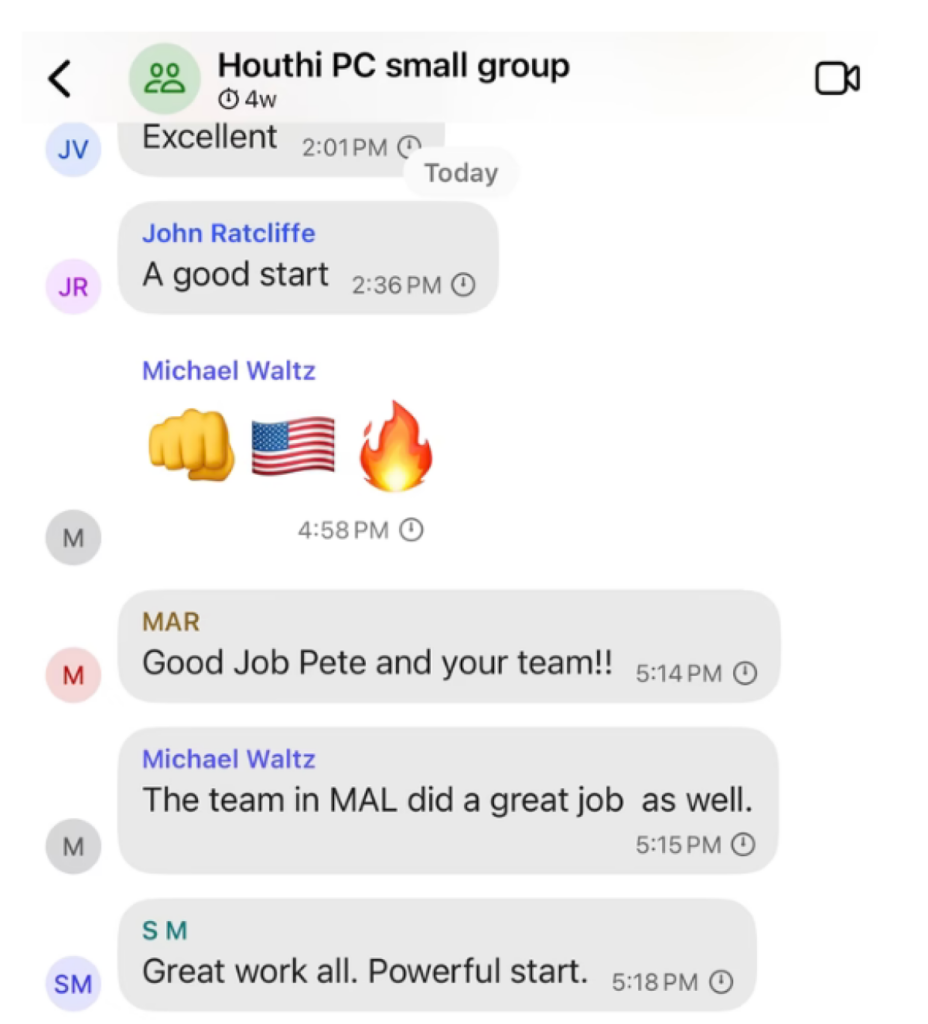
Key Figures Involved:
- Defense Secretary Pete Hegseth
- National Security Adviser Mike Waltz
- Jeffrey Goldberg, editor-in-chief of The Atlantic
- Director of National Intelligence Tulsi Gabbard
The accidental addition of Goldberg to the sensitive group chat exposed discussions about imminent military strikes, raising concerns over national security and the protection of classified information. While Gabbard has stated that no classified information was leaked, the lawsuit questions compliance with the Federal Records Act and raises broader implications for government transparency in the digital communication era.
"As we have repeatedly stated, there was no classified information transmitted in the group chat. However, as the CIA Director and National Security Advisor have both expressed today, that does not mean we encourage the release of the conversation."
– Karoline Leavitt, Press Secretary
As the proceedings unfold in Judge Boasberg’s courtroom, the case may set a precedent for future administrations’ use of encrypted messaging apps and the delicate balance between security and transparency in government communications.
Reactions to the Lawsuit
The lawsuit has prompted varied reactions from legal and political circles, highlighting the complex interplay between modern communication methods, national security, and legal recordkeeping obligations.
Key Perspectives:
- Andrew Cherkasky (Former federal prosecutor): Expressed reservations about the case assignment to Judge Boasberg, describing it as “legally provocative.”
- Alina Habba (Former Trump lawyer): Condemned the situation as an example of “improper judicial political advocacy.”
- White House Response: Attempted to dispel criticisms, maintaining that no war planning or top-secret information was exchanged.
Director of National Intelligence Tulsi Gabbard reiterated in a House Intelligence Committee hearing that the discussions did not breach classified information protocols. However, the subsequent release of chat transcripts by The Atlantic has cast doubt on these claims, revealing potentially sensitive operational details.
As the case progresses, it is likely to shape future policy regarding digital communication in government and influence the delicate balance between executive power and judicial oversight in our constitutional republic.

- The Atlantic. Full Messages of Trump Administration Signal Chat Released. March 2023.
- U.S. District Court for the District of Columbia. American Oversight v. Hegseth et al. Case filing. March 2023.
- Roberts J. Statement on Judicial Independence. Supreme Court of the United States. March 2023.
- Bader C. Interview on Impeachment of Federal Judges. Fordham Law School. March 2023.