
You can sue state and local officials for constitutional violations under a statute most lawyers know by heart: 42 U.S.C. § 1983. But what if the person who violated your rights works for the federal government?
That is where people often hear the phrase “Bivens action”, usually said with a cautionary tone. Bivens exists, but it exists narrowly. It is not a general permission slip to sue any federal employee who crosses a constitutional line. It is a judicially created remedy that the modern Supreme Court has treated less like an open door and more like a hallway with three rooms, all already occupied.
Join the Discussion
What a Bivens action is
A Bivens action is a lawsuit for money damages against an individual federal officer, sued in their personal (individual) capacity, for violating the U.S. Constitution. Like other constitutional-tort suits against individual officers, it commonly runs into qualified immunity.
It comes from Bivens v. Six Unknown Named Agents (1971). The Court held that when federal agents allegedly conducted an unreasonable search and seizure in violation of the Fourth Amendment, the victim could sue the agents personally for damages, even though Congress had not passed a statute authorizing that specific remedy.
That last part matters. Unlike many civil rights lawsuits, a Bivens claim is not built on a clear, broad congressional statute. It is an implied cause of action that the Court itself recognized.
Bivens vs. Section 1983
Bivens and Section 1983 can look similar at first glance. Both are tools for enforcing constitutional rights. Both typically target individual officials. Both run into defenses like qualified immunity. But they are not interchangeable.
Section 1983: statutory and broad
- Who it covers: State and local officials acting “under color of” state law.
- Who else can be sued: Municipalities and local governments can be defendants under § 1983 in limited circumstances (Monell), but states and state agencies are generally immune (Eleventh Amendment) and are not “persons” for damages under § 1983.
- Where it comes from: A federal statute enacted after the Civil War.
- How courts treat it: As a congressional choice to authorize civil rights damages actions.
Bivens: judge-made and narrow
- Who it covers: Individual federal officials sued in their personal capacity (not states, not state actors).
- Where it comes from: Supreme Court decisions implying a damages remedy directly from the Constitution.
- How courts treat it today: As a limited exception that should almost never be expanded.
In practice, if your claim fits Section 1983, you have a well-worn path. If you are trying to bring a Bivens claim, you start by proving your case fits within a shrinking category that the Court is reluctant to enlarge.
The three recognized Bivens contexts
The Supreme Court has approved Bivens-type damages remedies in only a few specific settings, and it has repeatedly emphasized that these are the exceptions, not the rule. The Court has not formally overruled these cases, but it has strongly resisted extending them.
- Unlawful search and seizure (Fourth Amendment): Bivens itself involved federal narcotics agents and an allegedly unconstitutional home search and arrest.
- Sex discrimination in federal employment (Fifth Amendment Due Process / equal protection principles): Davis v. Passman (1979) allowed a damages claim against a Congressman for alleged sex discrimination in firing an employee.
- Deliberate indifference to serious medical needs in federal prison (Eighth Amendment): Carlson v. Green (1980) allowed a damages claim against federal prison officials for allegedly unconstitutional failure to provide medical care.
Those are the “rooms” in the hallway. Many plaintiffs try to argue that their case is just one step away from these examples. Modern doctrine usually treats “one step away” as too far, even when lower courts occasionally allow claims they view as falling squarely within one of these established settings.
Why courts rarely expand Bivens
The key modern idea is simple: courts do not like creating new implied causes of action for damages, especially against federal officials, especially when Congress has built other systems for handling complaints.
In recent decades, the Supreme Court has described extending Bivens as a “disfavored judicial activity.” That language is associated with the Court’s modern Bivens cases, including Ziglar v. Abbasi (2017) and Egbert v. Boule (2022). The reasoning is institutional. Damages remedies change government behavior, affect agency operations and budgets, and can alter sensitive executive decisions in areas like national security and immigration. The Court has increasingly said that choices with that kind of policy gravity belong to Congress, not to judges inferring remedies case by case.
The two-step framework
While phrasing varies, modern cases commonly ask two questions:
- Is this a “new context”? If the facts, the officers involved, the setting, or the constitutional claim are meaningfully different from the three recognized contexts, the answer is usually yes.
- Are there “special factors” counseling hesitation? This is a broad catch-all. If Congress has provided another remedial process, or if the case touches national security, immigration, military affairs, prison administration, or other sensitive executive functions, courts often treat that as a reason to refuse a new Bivens remedy.
If the court finds a new context and any meaningful reason to hesitate, the Bivens claim typically ends there.
When Bivens still comes up
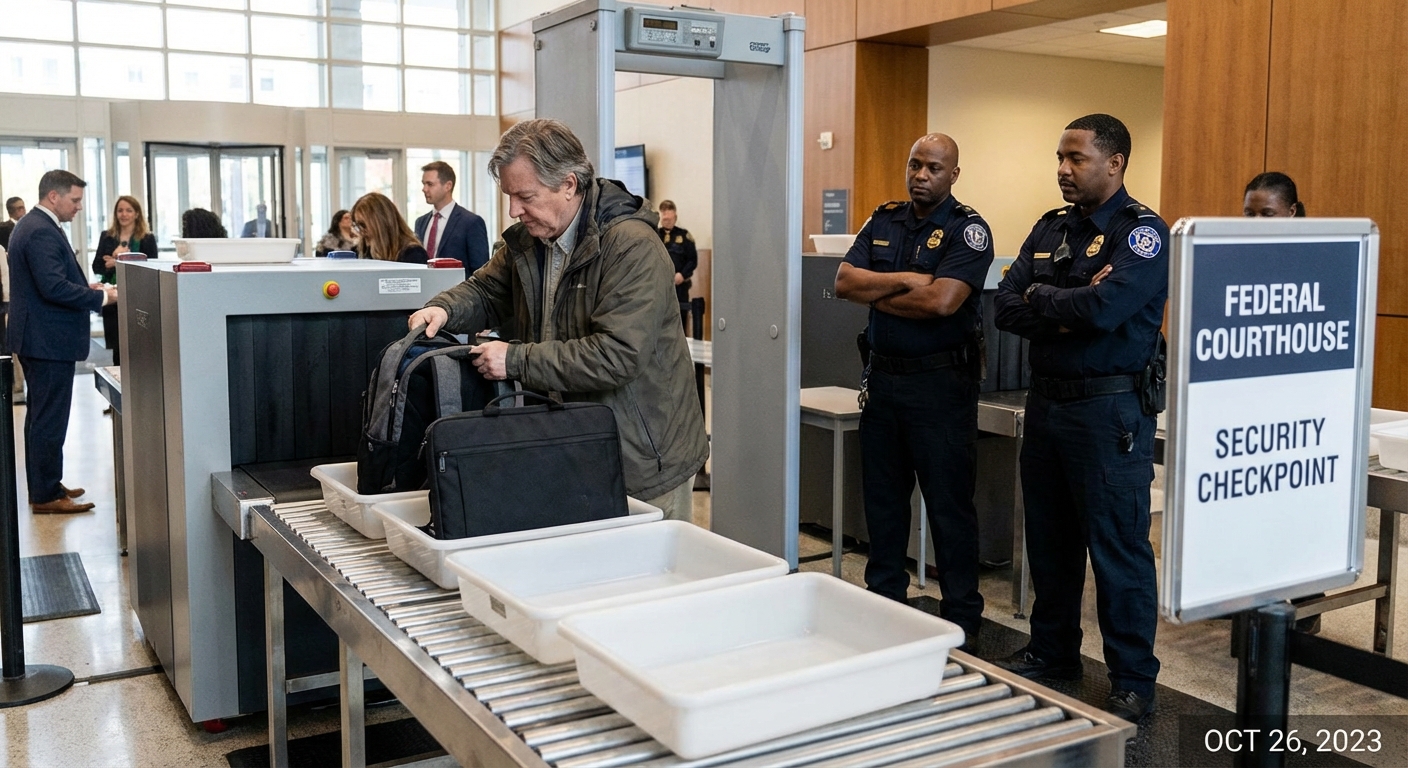
Home searches by federal agents
If federal law enforcement officers conduct an allegedly unconstitutional search of a home or an unreasonable seizure that closely resembles the original Bivens fact pattern, a Bivens claim is at least conceivable. Even then, a plaintiff still has to overcome:
- Qualified immunity (was the law clearly established?)
- Proof problems (what happened, who did what, and what damages resulted)
- Procedural hurdles (limitations periods, proper defendants, pleadings)
One practical caution: even Fourth Amendment claims can be treated as a “new context” depending on the setting and the officials involved. Border enforcement, national security-related operations, and different agency missions can push a case out of the classic Bivens lane in modern doctrine.
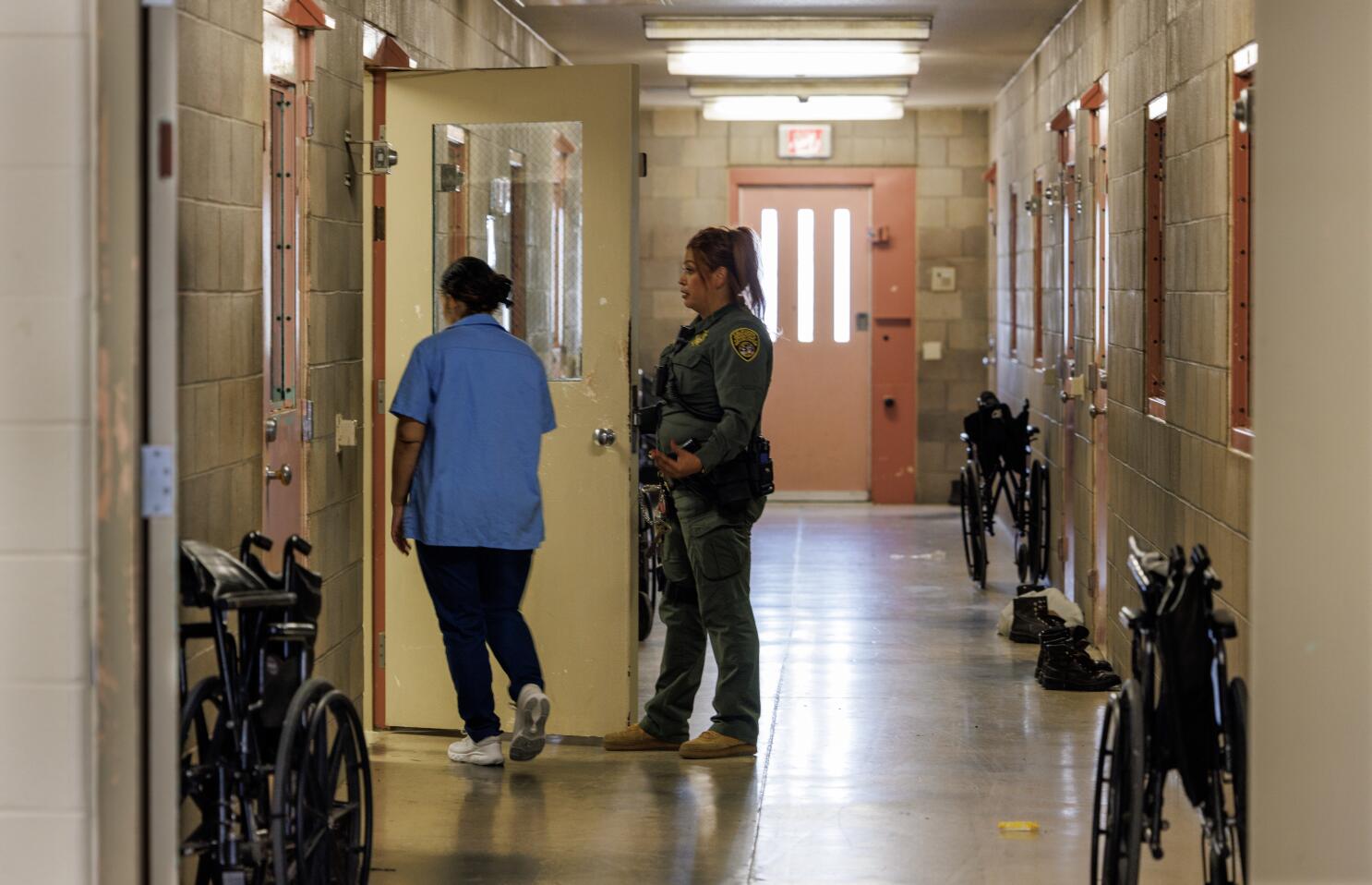
Federal prison medical care
Where the claim fits Carlson closely, some courts still recognize a Bivens remedy for deliberate indifference to serious medical needs. But claims about broader prison conditions often face a harder road.
When courts refuse Bivens
Most of the modern action is here. Courts frequently say: even if the conduct sounds unconstitutional, Bivens does not automatically supply a damages remedy.
Prison conditions beyond medical indifference
Claims involving assaults, housing assignments, retaliation, discipline, or general conditions often get treated as a new context, even though they arise in federal custody. Courts point to:
- Congress’s role in regulating prisons
- Administrative grievance systems
- Concerns about judicial interference with prison management
National security and border enforcement
When cases implicate border operations, counterterrorism, intelligence work, or foreign policy, courts are especially reluctant. The logic is that national security is an arena where Congress and the Executive have primary responsibility, and damages litigation can create systemic consequences that courts are not institutionally positioned to manage. Modern Supreme Court cases such as Hernandez v. Mesa (2020) and Egbert reflect this skepticism in the border context.
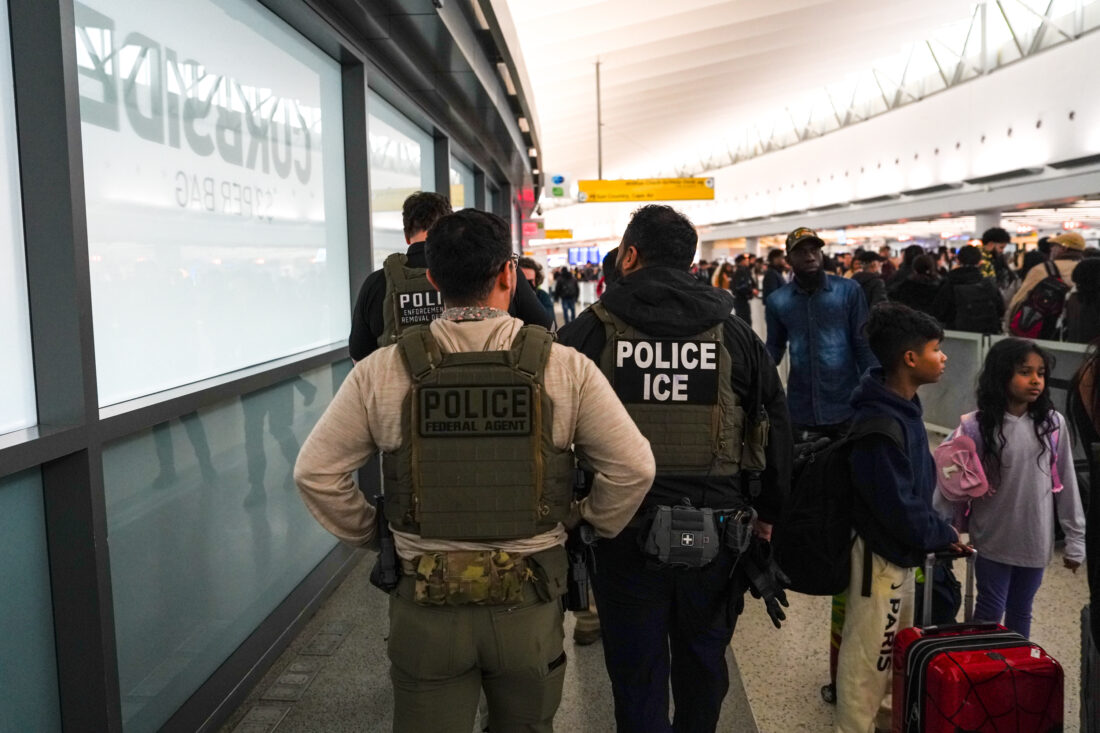
Immigration enforcement decisions
Even when an individual alleges serious mistreatment, claims entangled with immigration detention, removal, or enforcement priorities are commonly viewed as unsuitable for Bivens expansion.
Federal agencies and the United States
Bivens is aimed at individual officers, not the United States and not federal agencies. Suing “the FBI” or “the Department of Homeland Security” for constitutional damages under Bivens is generally a dead end. The reason is not just a technicality. It is sovereign immunity: the United States cannot be sued for money damages unless it clearly waives that immunity, and Bivens is not a waiver.
If Bivens is unavailable
When courts refuse to extend Bivens, that does not necessarily mean there is no remedy. It means this particular remedy, judge-implied damages against a federal officer for a constitutional violation, is unavailable.
Depending on the facts, alternatives may include:
- Federal Tort Claims Act (FTCA): A statutory path for certain state-law tort claims against the United States based on employee conduct, with major exceptions and procedural rules. It is not, by itself, a cause of action for constitutional violations. (It can still matter a lot, including because of the FTCA’s exceptions and its interactions with Bivens in some cases.)
- Injunctive or declaratory relief: Suits seeking to stop ongoing unconstitutional conduct can sometimes proceed even when damages cannot. These are typically brought under federal-question jurisdiction (28 U.S.C. § 1331) and equitable principles allowing suits against federal officers, rather than under Bivens itself.
- Administrative remedies: Agency complaint systems, inspector general investigations, or internal disciplinary processes.
- Habeas or other custody-related challenges: For certain detention contexts, the remedy may be release or a change in conditions rather than money damages.
A quick note on the Westfall Act
Another reason plaintiffs get routed away from a straight damages claim against a federal employee is the Westfall Act. For many state-law tort claims, it can require substituting the United States as the defendant, which effectively moves the case into the FTCA framework. Constitutional claims are different. The Westfall Act does not convert a constitutional claim into an FTCA claim, and it does not create a constitutional damages remedy where Bivens is unavailable.
None of these is a perfect substitute for damages. That is part of why Bivens remains so debated: it sits at the intersection of two instincts Americans hold simultaneously. Government officials should not be above the Constitution. And the power to create sweeping liability schemes is usually legislative.
How to think about Bivens in 2026
Bivens is best understood less as “the federal version of Section 1983” and more as a historical exception that survives in a few narrow pockets.
If you are trying to predict whether a Bivens claim might work, ask three practical questions:
- Is the defendant a federal officer acting in an individual capacity?
- Does the claim match one of the three recognized contexts closely?
- Is there an alternative remedial scheme that a court might treat as a reason to hesitate?
If the answer to the second question is “not really,” modern doctrine usually ends the case before it begins.
Limitations in plain terms
Even a potentially valid claim can be lost to timing. Bivens claims generally borrow the forum state’s personal-injury statute of limitations, and federal law governs when the claim accrues (usually when the plaintiff knew or should have known of the injury). The practical takeaway is simple: deadlines can be short, and delay can be fatal.
The deeper tension
Bivens is not just a technical lawsuit label. It reflects a recurring constitutional argument about how rights become real.
The Constitution limits government power. But a right without an enforceable remedy can become a right on paper only. Bivens was an attempt by the Court to prevent that hollowing out, at least in a classic Fourth Amendment scenario.
Today, the Court’s posture has shifted toward restraint: if Congress wants broader damages remedies against federal officials, Congress should say so. Until it does, Bivens remains what it has largely become in modern federal courts: a narrow bridge that many plaintiffs can see, but few can cross.